Voices After the Silence
Share
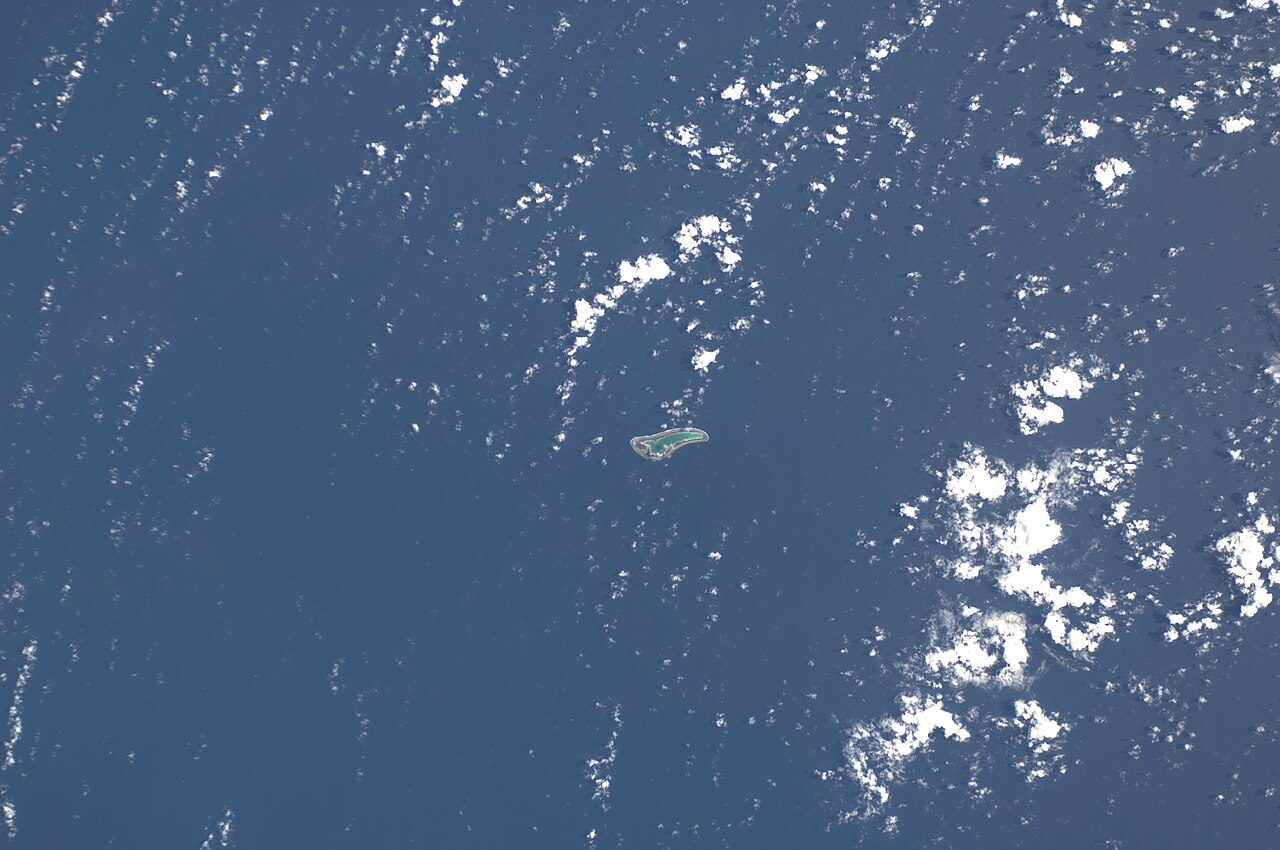
For several nights after the plane is lost, radio stations around the Pacific report weak voices and signals on Earhart's frequencies.
2 to about 7 July 1937
The story
The first night after the loss, a radio man on Nauru, far to the west, hears a voice on Earhart's daytime wavelength. He cannot make out the words. But he says it sounds like the voice he heard from the plane the night before, only without the hum of engines.
Other stations report more. Some hear a voice. Some hear only a carrier wave, or dashes, on her night frequency of 3105.
In this story, the Electra is sitting on a flat coral reef at the edge of an island. Perhaps the reef is dry at low tide. Perhaps Earhart starts an engine to charge the batteries and calls for help when the water is down.
Lockheed men said the plane could only send if it was on land. Signals like these help send the Navy south toward the Phoenix Islands.
What the record says
Voice heard fairly strong signals strength to S3 0843 0854 GMT 48.31 meters speech not interpreted owing bad modulation or speaker shouting into microphone but voice similar to that emitted from plane in flight last night with exception no hum of plane in back ground.
Report from Nauru radio, relayed by KPH Bolinas and intercepted by Itasca, 3 July 1937 (GMT), as quoted by Bob Brandenburg, TIGHAR
The second phase of the search moved to the southeastern quadrant on the basis of radio intercepts and bearings and other considerations which indicated the plane was on land and probably in the Phoenix Islands.
Murfin, Report of Earhart Search, paragraph 19
Then, on the strength of radio intercepts which appeared too reliable to be ignored, the search shifted to the westward and then 281 miles to northward of Howland. Both areas were searched without success and subsequent analysis discredits the radio intercepts on which this search was based.
Murfin, Report of Earhart Search, paragraph 19
Many signals were reported, and the Navy did shift its search to the Phoenix Islands partly because of radio intercepts and bearings that pointed to the plane being on land. The same Navy report says later analysis discredited the intercepts that drove an earlier phase of the search. TIGHAR's catalog notes that Lockheed representatives said the plane could transmit only on land, and TIGHAR tests each signal against a landing at Gardner; that is TIGHAR's analysis, not an official finding. Whether any signal came from the plane is unproven.