Credible Theories Sign in

The record

From the text
I am Raphael, one of the seven holy angels… All these days I did appear unto you; but I did neither eat nor drink, but ye did see a vision.
Documented · Ancient text, c. 250–175 BCE
Tobit 12:15, 19 · Apocrypha
Translation: King James Version (1611; standard 1769 text), with Apocrypha · Public domain

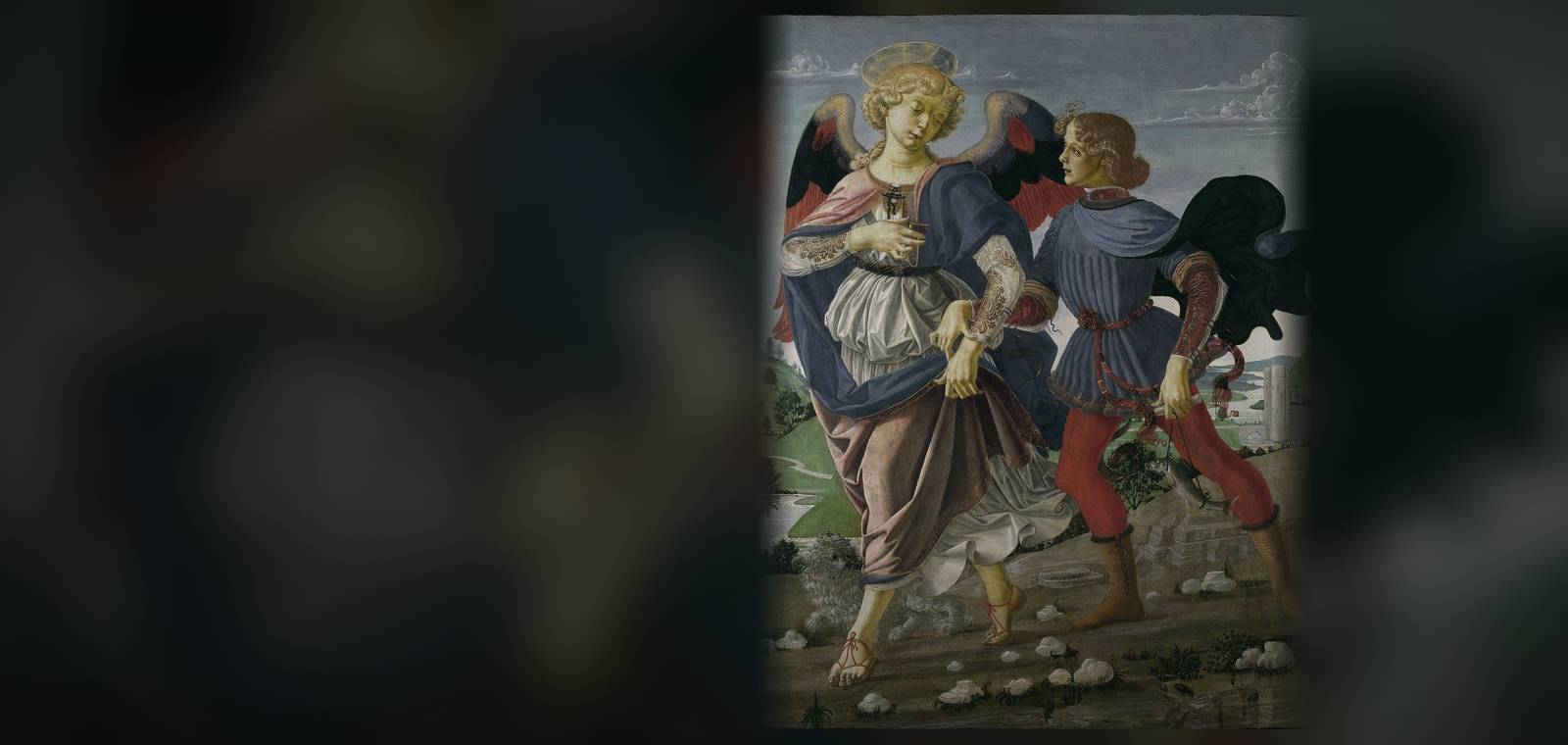
Raphael, "God heals," is the main character of the Book of Tobit, found in Catholic and Orthodox Bibles and in the Apocrypha of older Protestant editions. Disguised as a young man named Azarias, he guides Tobias on a long journey, shows him how to use a fish's heart and liver to drive away the demon Asmodeus and its gall to cure his father's blindness, and then reveals himself: I am Raphael, one of the seven holy angels.

His confession is one of the strangest lines in ancient literature. All these days I did appear unto you; but I did neither eat nor drink, but ye did see a vision (Tobit 12:19). For weeks, the family had lived and traveled with someone who was not physically what he seemed.

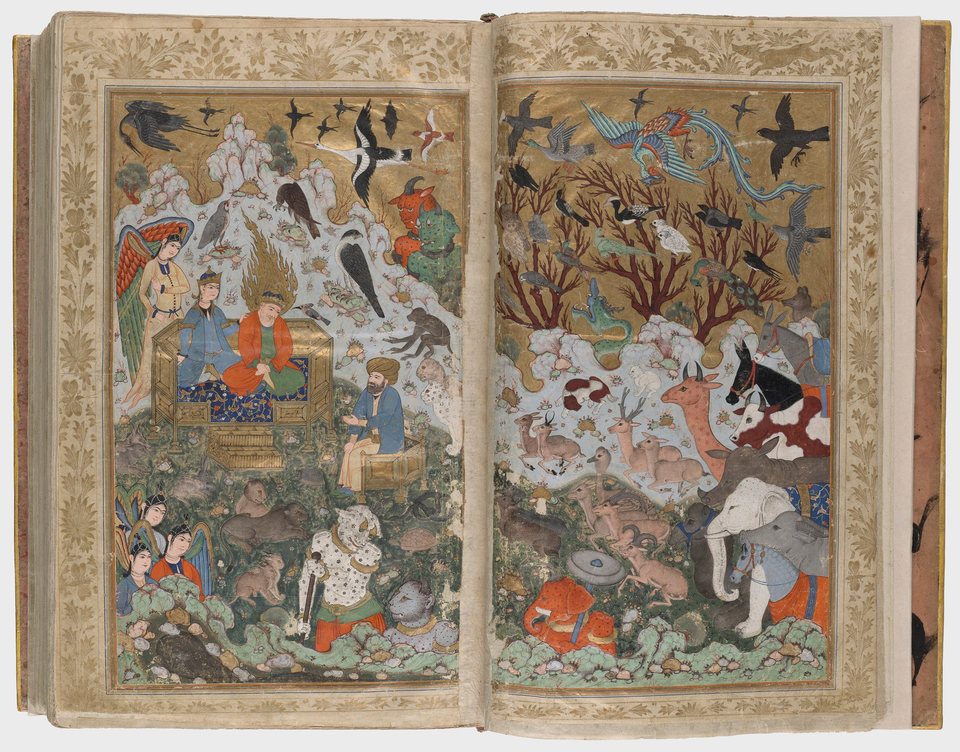
In 1 Enoch, Raphael is the enforcer. God sends him to bind Azazel hand and foot and throw him into the pit at Dudael, and to heal the earth which the angels have corrupted. 1 Enoch 20 says he is over the spirits of men, and he guides Enoch through the hollow places where the souls of the dead wait for judgment. Later traditions number him among the archangels, alongside Michael, Gabriel and Uriel. Raphael blends medicine and power. He heals, he banishes demons with practical instructions, and he restrains the most dangerous of the Watchers.
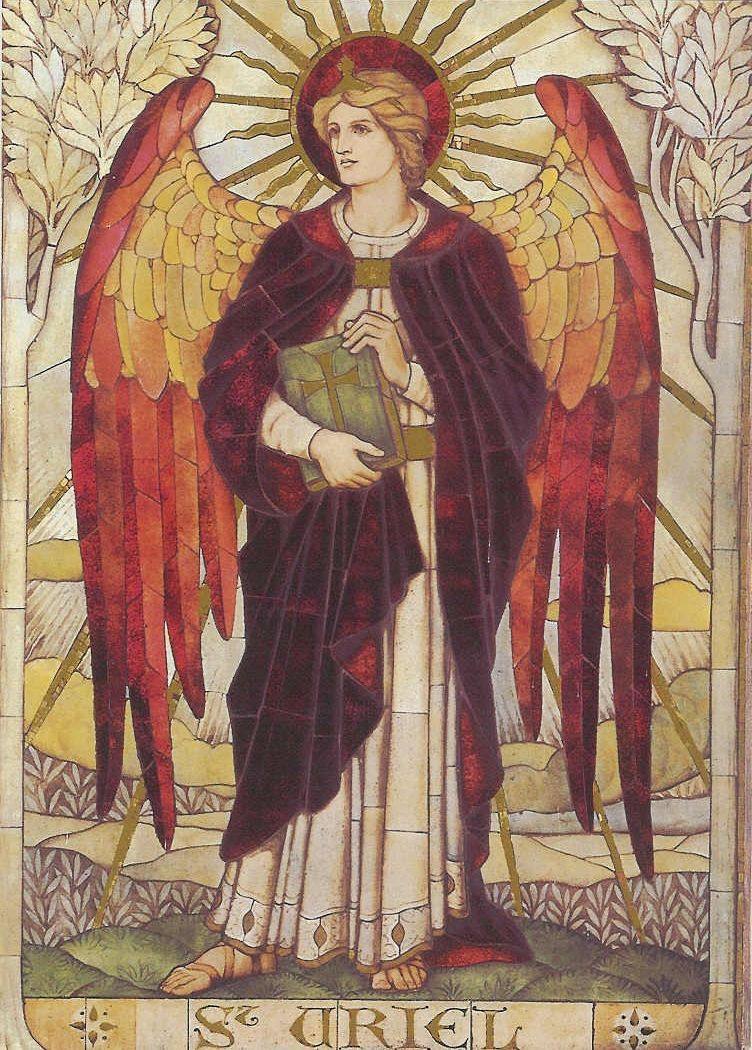
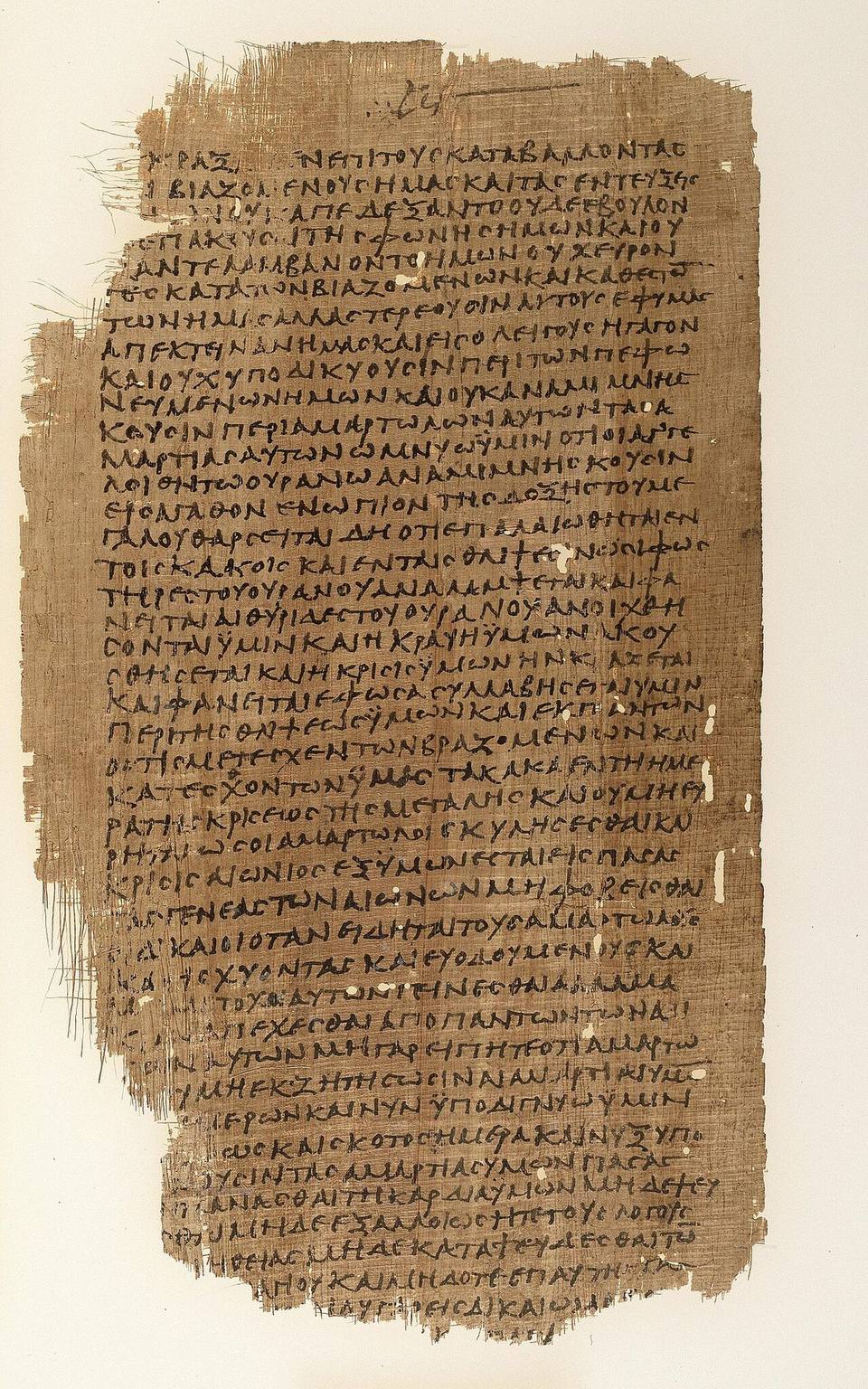
Questions people ask about Raphael

What is the archangel Raphael the patron saint of?

In Catholic tradition Raphael is a patron of travelers, the sick, doctors and nurses, and the blind, roles drawn from his journey with Tobias and the healing of Tobit's eyes. Since the 1969 calendar reform his feast day is shared with Michael and Gabriel on September 29. Before that change, the Church kept his feast on October 24.

Why is the Book of Tobit not in Protestant Bibles?

Tobit is not part of the Hebrew Bible, and for centuries it was known mainly in Greek. Protestant reformers moved such books into a separate Apocrypha section, and many later Protestant Bibles left them out. The Catholic Council of Trent confirmed Tobit as scripture in 1546. Aramaic and Hebrew fragments of the book were later found among the Dead Sea Scrolls.

Does Raphael appear in Paradise Lost?

Yes. In John Milton's epic poem, first published in 1667, God sends Raphael to warn Adam about Satan, and Milton calls him the affable archangel. Across Books 5 to 8 he shares a meal with Adam and Eve, recounts the war in heaven and explains the creation of the world. Unlike in Tobit, Milton's Raphael really does eat.

The open question

Still strange: The story says Raphael traveled with the family in disguise under a made-up name, Azarias, before revealing he was one of seven holy angels.

Azazel: Scapegoat of Leviticus 16 or Fallen Watcher? →
  1. Step 1 of 4 · This fileRaphael
  2. Step 2 of 4 · The passageRaphael: 'ye did see a vision', Tobit 12:15, 19
  3. Step 3 of 4 · The longer textThe King James Apocrypha (1611)
  4. Step 4 of 4 · Next fileAzazel: Scapegoat of Leviticus 16 or Fallen Watcher?
About these videos

Found by a YouTube search for this topic, not checked by us. The player loads from YouTube only when you press play.

Where it turns up

Where this comes from

EvidenceMyth or legend

Comes from Tobit 12:15–19, King James Version (1611) Apocrypha. The Book of Tobit: A Jewish story, probably written in the 200s or early 100s BC, in which the angel Raphael travels in disguise with young Tobias. It is in Catholic and Orthodox Bibles but not in Jewish or most Protestant ones.

What this means

A story or tradition. It is documented as a story; nothing independent shows it happened.

Raphael is known from stories, scripture or tradition. The texts are real and we quote them (for example Tobit 12:15–19, King James Version (1611) Apocrypha), but nothing outside those texts shows that Raphael was real as described.

The page covers something known from myths, scripture or tradition. The texts are real and we quote them, but no independent record shows the events or beings were real.

See all five labels

Sources

  1. The Book of TobitA Jewish story, probably written in the 200s or early 100s BC, in which the angel Raphael travels in disguise with young Tobias. It is in Catholic and Orthodox Bibles but not in Jewish or most Protestant ones. Pieces were found among the Dead Sea Scrolls.Tobit 12:15–19, King James Version (1611) Apocrypha Online copyPrimary text Archived copy, 2026-10-03
  2. The Book of Enoch (1 Enoch)Jewish writings about Enoch, Noah's great-grandfather, the oldest parts from about 300 to 200 BC. It tells of angels called Watchers who came down to earth. Full copies survived only in Ethiopia, whose church still counts it as scripture. Pieces in Aramaic were found among the Dead Sea Scrolls in 1952.1 Enoch 10:4–8, trans. R. H. Charles, The Book of Enoch (1917) Online copyPrimary text Archived copy, 2026-10-03
  3. The Jewish Encyclopedia (1901 to 1906)A 12-volume encyclopedia of Jewish history, religion and writings by leading scholars, published in New York from 1901 to 1906. It is still respected, but it is over 100 years old, so it misses later finds such as the Dead Sea Scrolls.Jewish Encyclopedia (1906), "Raphael"Reference Archived copy, 2026-06-07
  4. WikipediaA free online encyclopedia written and edited by volunteers. It is a good starting point and usually lists its own sources, but anyone can change it, so we treat it as a guide to better sources, not the final word.Wikipedia, "Raphael (archangel)"Reference Archived copy, 2026-09-30

Quotations come from public-domain translations. A book in our Library links to its Library page; other links open the free online copy or the reference page.

Updated

Credible or not?

Tap one to see how other readers voted.

Discussion