The Bones Measured Twice
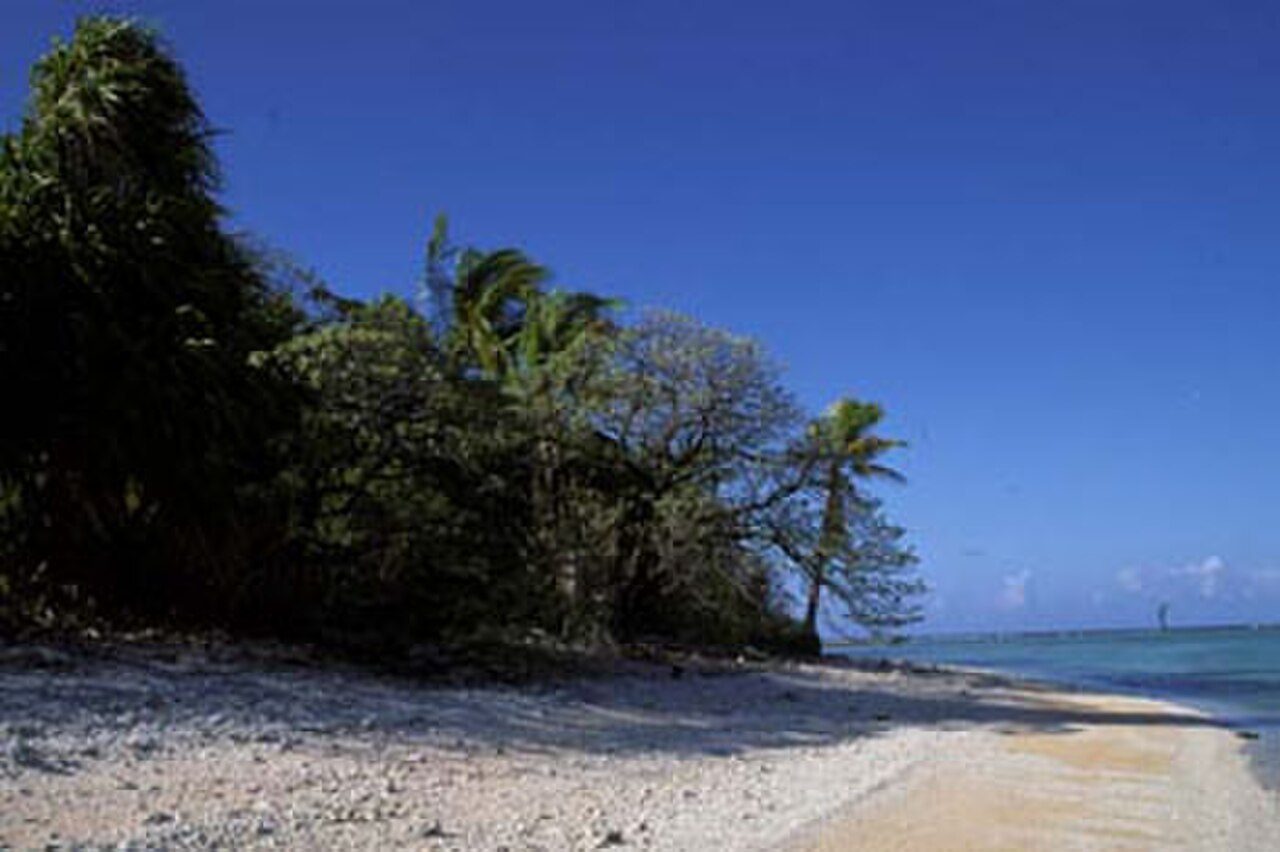
Angela K. Kepler. Public domain (released by the author). Picture source
A doctor in Fiji says the bones are a man's in 1941; in 2018 an American anthropologist reworks the same measurements and says they fit Earhart.
April 1941 and 2015 to 2018
The story
The bones go by ship to Fiji in a coffin Gallagher had made from island wood. In April 1941 Dr. D. W. Hoodless of the Central Medical School measures them. He writes that the skeleton was a man's, about five feet five, probably 45 to 55 years old.
On paper the case closes. Gallagher himself decides it was probably a castaway who died of thirst less than two miles from a grove of coconut trees he never found. Then the bones are lost. No one today knows where they are.
Hoodless's numbers survive. In 2018 Richard Jantz of the University of Tennessee compares them with Earhart's bone lengths, worked out from her photographs and clothing. He writes that she is closer to the measured bones than 99 percent of people in a large sample.
Other scientists disagree. Pamela Cross and Richard Wright argue that the doctors who held the bones in their hands were more reliable than any reworking of their notes. In this story, Earhart lived for a time on Nikumaroro and died there. The record does not settle it.
What the record says
From the half sub-pubic angle of the right innominate bone, the “set” of the two femora, and the ratio of the circumferences of the long bones to their individual lengths it may be definitely stated that the skeleton is that of a MALE.
Dr. D. W. Hoodless, Report on Portion of a Human Skeleton, Suva, 4 April 1941, paragraph 6
This analysis reveals that Earhart is more similar to the Nikumaroro bones than 99% of individuals in a large reference sample.
Richard L. Jantz, Forensic Anthropology, 2018, abstract
Without access to the missing original bones, it is impossible to be definitive, but on balance, the most robust scientific analysis and conclusions are those of the original British finding indicating that the Nikumaroro bones belonged to a robust, middle-aged man, not Amelia Earhart.
Pamela J. Cross and Richard Wright, Journal of Archaeological Science: Reports, 2015, abstract
Hoodless's report and measurements are in the British files; his estimated height was about 5 feet 5.5 inches. An earlier examination in Tarawa by Dr. Lindsay Isaac called the remains an elderly Polynesian male. Jantz (2018) argues Hoodless's methods were not adequate to judge sex and concludes the bones are most likely Earhart's; Cross and Wright (2015) conclude they were most likely a middle-aged man's. The bones themselves are lost, so neither view can be checked against them, and no part of the plane has been confirmed on or off the island.