












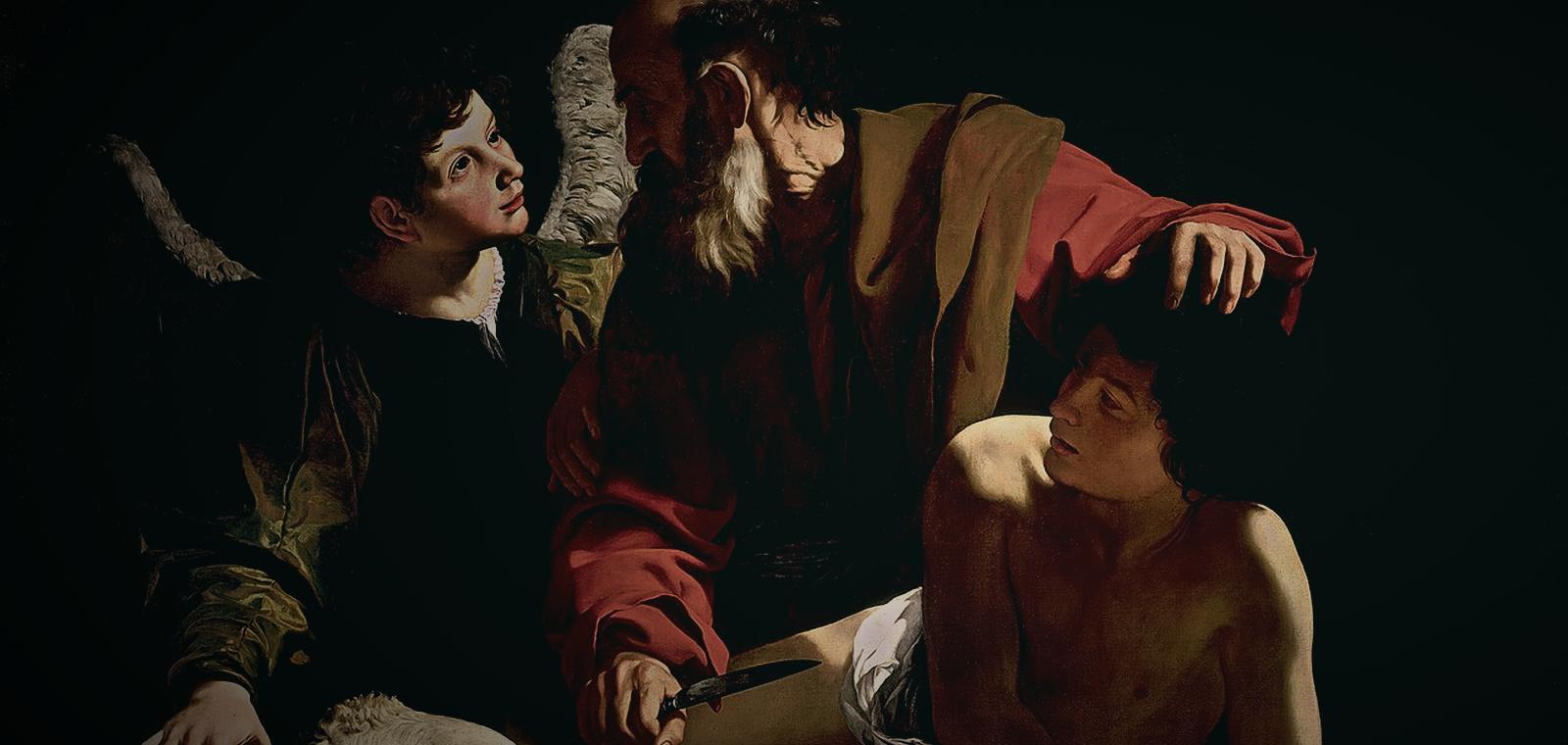
What is Isaac known for?
Isaac is the son born to Abraham and Sarah in their old age; his name means "he laughs." In Genesis 22 God tells Abraham to offer Isaac as a sacrifice on a mountain in the land of Moriah. At the last moment an angel stops him and a ram is offered instead. This episode, the Akedah or binding of Isaac, is central in Jewish, Christian and Islamic thought, though Islamic tradition often names Ishmael as the son.
Isaac marries Rebekah and fathers the twins Esau and Jacob. He is the only patriarch who never leaves Canaan and whose name is never changed, and Genesis says he lived 180 years.
The Book of Jubilees retells the binding in a way that echoes the opening of Job: Prince Mastema, the leader of evil spirits, suggests the test to God. This is one of several places where Jubilees gives troubling acts in Genesis to Mastema. Isaac is known from Genesis and later interpretation.
Titles and honors
- Titles
- Second Hebrew patriarch, in Judaism
- Prophet, in Islam
- Saint, in Eastern Orthodox and Roman Catholic churches
The same story, told elsewhere
Shared story · Heroes and trials
A Child Offered Up: Abraham, Jephthah, Agamemnon and Harishchandra
A father is told, or promises, that he must give up his own child. Sometimes an animal is found in time and sometimes no one stops the knife, and the story is told in the Bible, the Quran, Greece, India and Viking-age Sweden.
Genesis 22 (the binding of Isaac) is one telling. The same story is told 8 more times, in 4 parts of the world. Follow it:
- Hebrew Bible (about Moab)Kir-hareseth, Moab · c. 850 BCE · Ancient text
- Vedic IndiaNorthern India · c. 800-600 BCE · Ancient text
- Hebrew BibleGilead, east of the Jordan · c. 7th-6th century BCE · Ancient text
- Hebrew BibleJudah / Israel · 1st millennium BCE · Ancient textTied to this page
- GreekAthens, Greece · 458 BCE · Ancient text
- Phoenician (in Greek)Byblos, Lebanon · c. 100 CE · Ancient text
- IslamArabia · 7th century CE · Medieval text
- Norse (Swedish legend)Uppsala, Sweden · c. 1225 CE · Medieval text
- French (Greek legend)France · 1699 · Recorded folklore
The open question: Do these stories remember a time when people really gave up their children, or were they told to teach that it must never happen? Join the debate
Mentioned on these pages
- FileMastema
- PersonAbraham (Abram)
- PersonEsau
- PersonIsaac of Aksum (Yeshaq)
- PersonSarah (Sarai)
Linked people and places
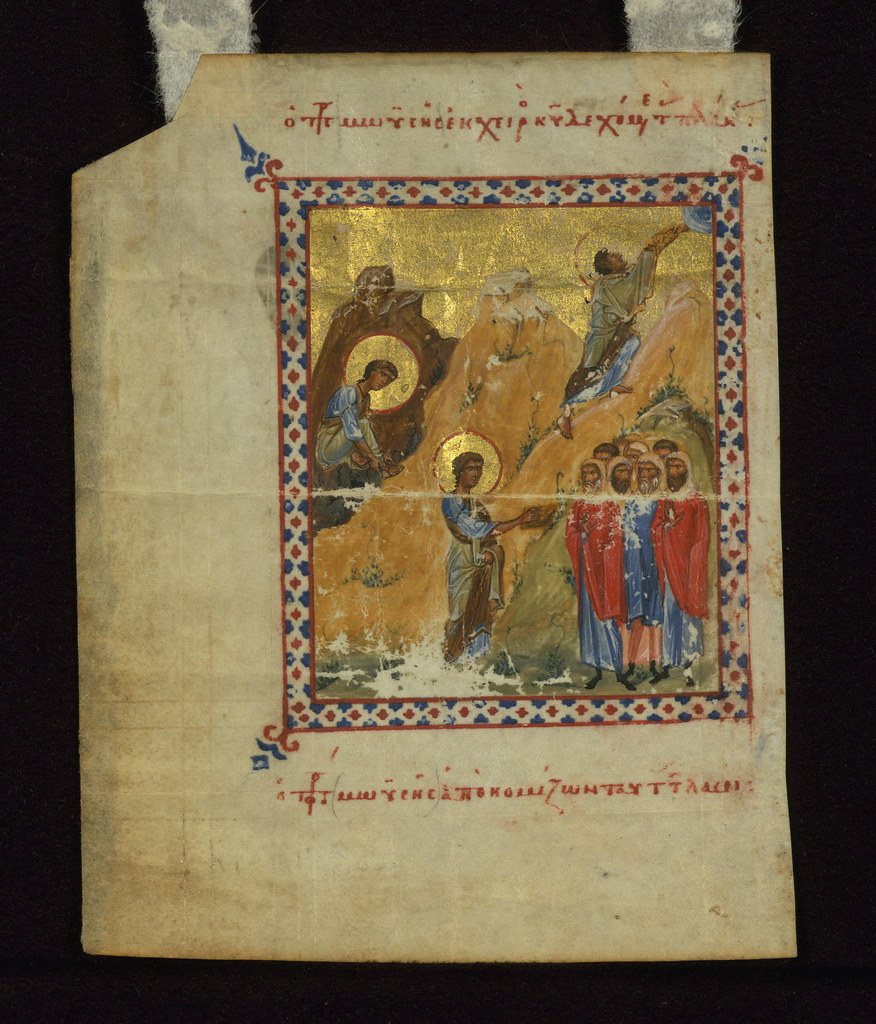
Where this comes from
Comes from Genesis 22 (KJV), Bible Gateway. The Book of Genesis: The first book of the Bible, telling of Creation, Adam and Eve, Noah's Flood and the families of Abraham, Isaac and Jacob. Scholars think it was written and edited over several centuries and finished by roughly 500 to 400 BC. The oldest surviving copies are pieces of the Dead Sea Scrolls.
What this means
A story or tradition. It is documented as a story; nothing independent shows it happened.
Isaac is known from stories, scripture or tradition. The texts are real and we quote them (for example Genesis 22 (KJV), Bible Gateway), but nothing outside those texts shows that Isaac was real as described.
The page covers something known from myths, scripture or tradition. The texts are real and we quote them, but no independent record shows the events or beings were real.
Sources
- The Book of GenesisThe first book of the Bible, telling of Creation, Adam and Eve, Noah's Flood and the families of Abraham, Isaac and Jacob. Scholars think it was written and edited over several centuries and finished by roughly 500 to 400 BC. The oldest surviving copies are pieces of the Dead Sea Scrolls.Genesis 22 (KJV), Bible Gateway Online copyPrimary text Archived copy, 2026-10-03
- WikipediaA free online encyclopedia written and edited by volunteers. It is a good starting point and usually lists its own sources, but anyone can change it, so we treat it as a guide to better sources, not the final word.Wikipedia, 'Isaac'Reference Archived copy, 2026-09-23
No public-domain picture of this person yet. We do not show drawn or generated likenesses.