Credible Theories Sign in

The record

From the text
And make mention in the Scripture of Idris. Lo! he was a saint, a prophet; And We raised him to high station.
Documented · Medieval text, 610–632 CE
Surah 19:56–57 · Quran
Translation: Marmaduke Pickthall, The Meaning of the Glorious Koran (1930) · Public domain since Jan 1, 2026 (1930 works)

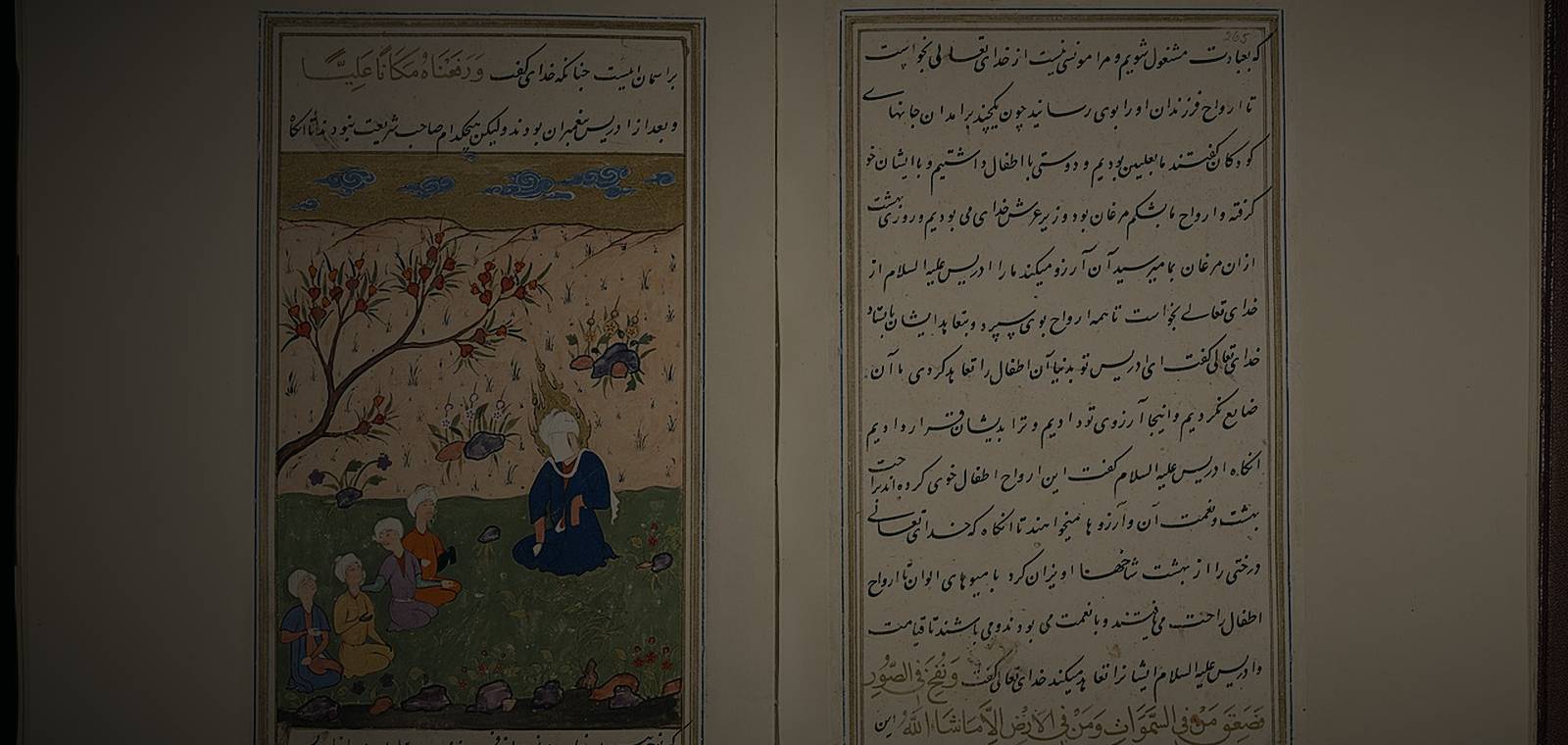
Idris is named twice in the Quran. Surah 19 says: And make mention in the Scripture of Idris. Lo! he was a saint, a prophet; And We raised him to high station. Surah 21:85 lists him among the patient and steadfast. That is all the Quran says. The phrase about being raised up is what made him famous, because it sounds like the fate of Enoch in Genesis 5:24: Enoch walked with God: and he was not; for God took him.

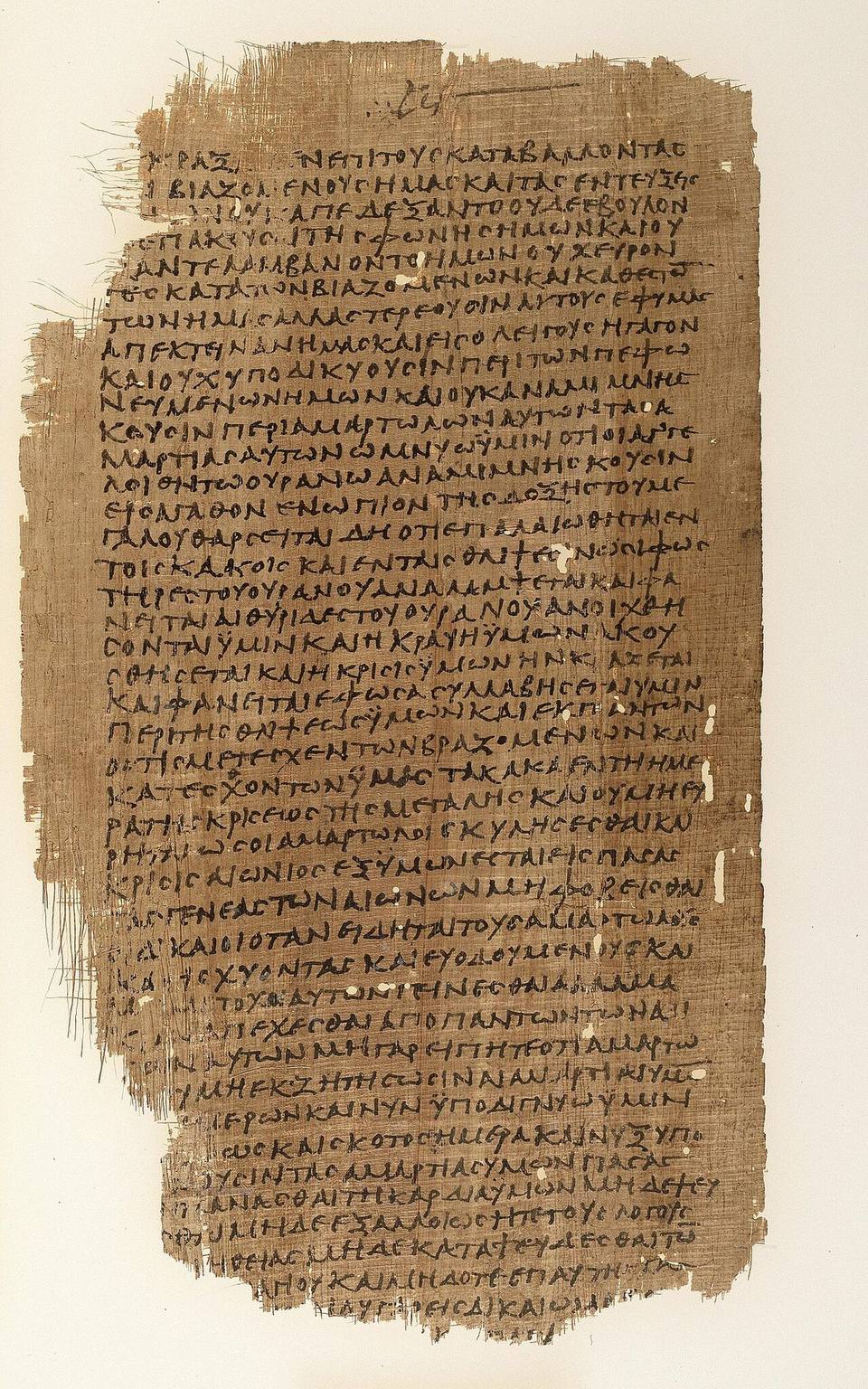
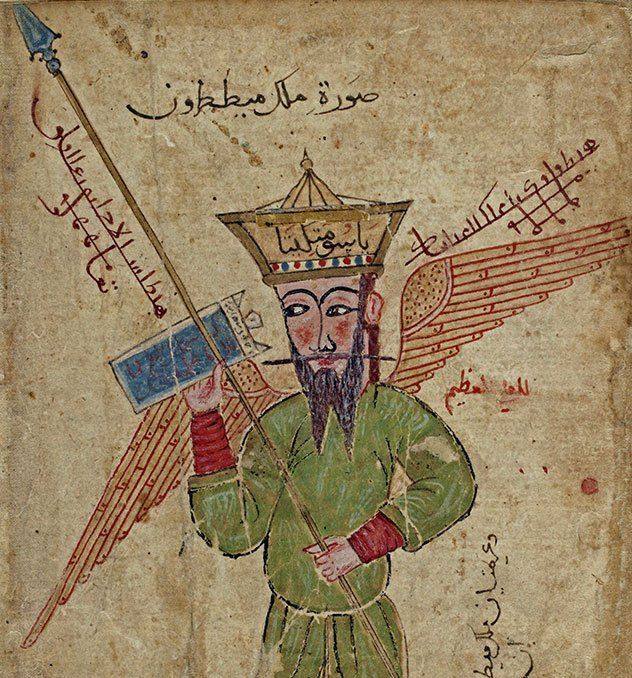
Muslim tradition almost unanimously identified Idris with Enoch, placing him in the line from Adam to Noah. Later writers credited him with being the first to write with a pen, to sew clothing, and to study the stars. In the hadith of the Night Journey, Muhammad meets Idris in the fourth heaven, which many commentators took as the "high station" of the Quran.

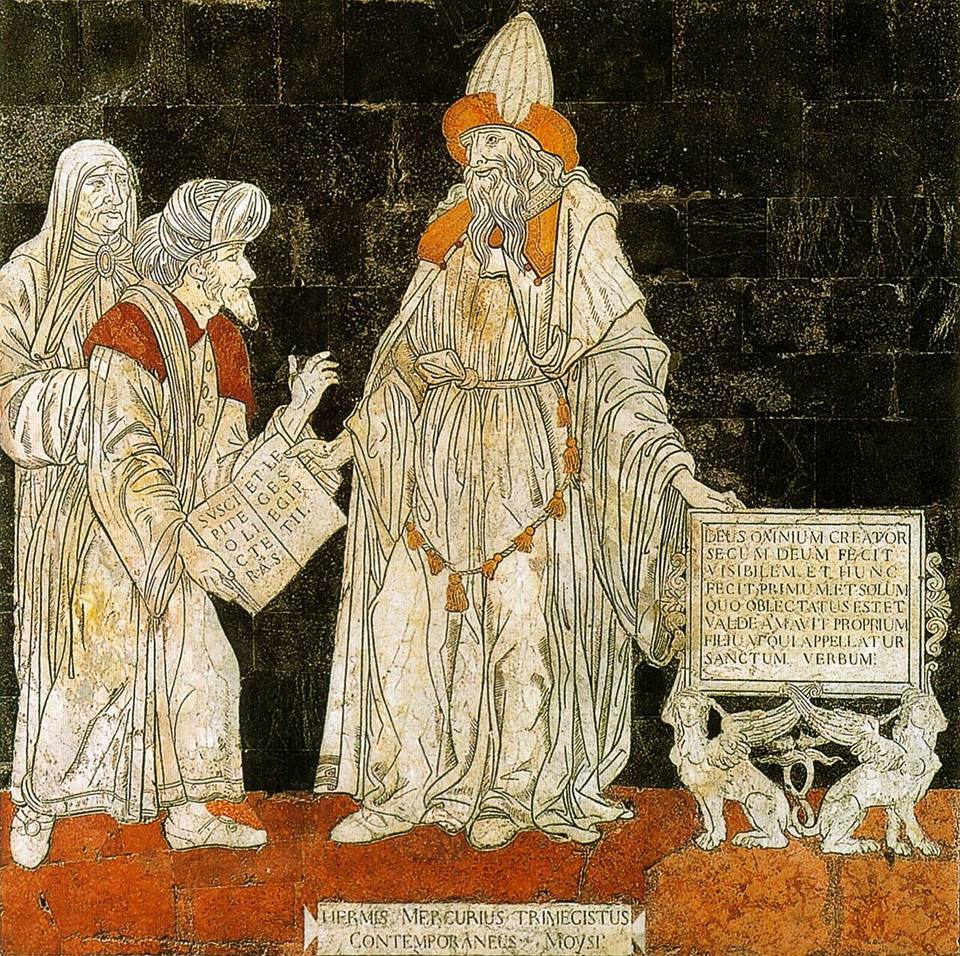
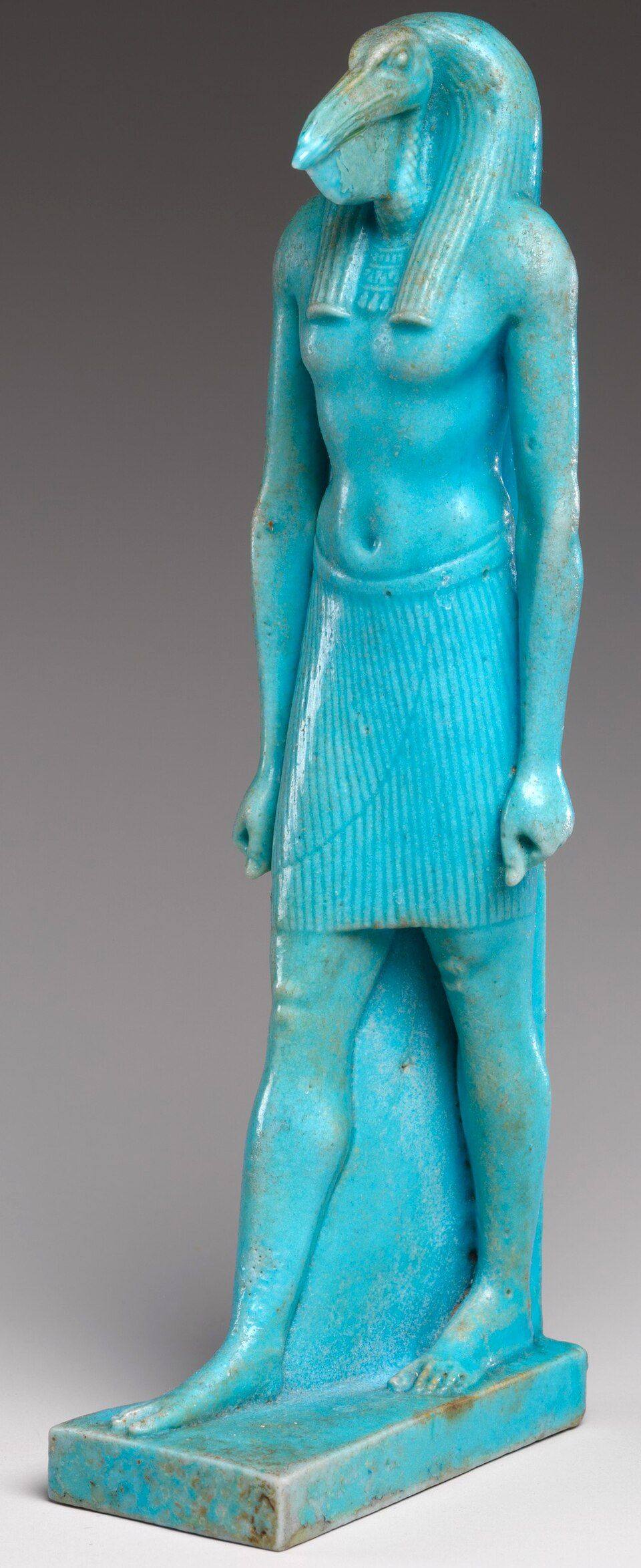
Medieval Arabic authors went further and identified Idris with Hermes Trismegistus, the legendary Egyptian sage behind the Hermetic writings. Some spoke of three Hermeses, the first of whom lived before the Flood, built the pyramids to preserve knowledge, and was Idris himself. This is how a single figure came to connect Genesis, the Book of Enoch, Egyptian wisdom, and alchemy.

The meaning of the name is uncertain. Proposals include an Arabic root for study, darasa, or a reshaping of a Greek or Hebrew name, and none is settled. For readers of the site, Idris is the thread that ties the man who was taken up into the sky to the tradition of a primeval sage who wrote down secret knowledge before the Flood.
Questions people ask about Idris

Is Idris the same as Enoch?

Most classical Muslim commentators, including al-Tabari and Ibn Kathir, said yes, often calling him Akhnukh, an Arabic form of Enoch. A few writers instead linked Idris with Elijah. Western scholars point out that the Quran never makes the link itself, so the match rests on later tradition and the shared idea of being raised up.

Is Idris used as a personal name?

Yes, it is a common Muslim given name. Idris I founded the Idrisid dynasty in Morocco in 788, and the city of Fez grew under his family. Idris, born Muhammad Idris al-Senussi, was the first and only king of Libya, ruling from 1951 until a coup in 1969. The name is used across North Africa, Turkey and South Asia.

Why is Idris linked to Hermes?

Arabic writers met the Greek Hermetic books through translation in the Abbasid era and needed a place for Hermes in sacred history. Matching him with Idris, already seen as an early sage, solved that. The Harranian Sabians also honored Hermes as a prophet, and their scholars helped spread the link in places like Baghdad.

The open question

Still strange: Later writers said Idris was the first to write with a pen, to sew clothing and to study the stars.

Enoch: The Man Who Walked With God and Was Not →
  1. Step 1 of 4 · This fileIdris
  2. Step 2 of 4 · The passageIdris raised to a high place, Surah 19:56–57
  3. Step 3 of 4 · The longer textThe Meaning of the Glorious Koran, Pickthall, 1930
  4. Step 4 of 4 · Next fileEnoch: The Man Who Walked With God and Was Not
About these videos

Found by a YouTube search for this topic, not checked by us. The player loads from YouTube only when you press play.

Where it turns up

Where this comes from

EvidenceMyth or legend

Comes from Quran 19:56–57, trans. Marmaduke Pickthall, The Meaning of the Glorious Koran (1930). The Quran: The holy book of Islam, which Muslims believe God revealed to the Prophet Muhammad from about AD 610 to 632. Its chapters are called surahs.

What this means

A story or tradition. It is documented as a story; nothing independent shows it happened.

Idris is known from stories, scripture or tradition. The texts are real and we quote them (for example Quran 19:56–57, trans. Marmaduke Pickthall, The Meaning of the Glorious Koran (1930)), but nothing outside those texts shows that Idris was real as described.

The page covers something known from myths, scripture or tradition. The texts are real and we quote them, but no independent record shows the events or beings were real.

See all five labels

Sources

  1. The QuranThe holy book of Islam, which Muslims believe God revealed to the Prophet Muhammad from about AD 610 to 632. Its chapters are called surahs. Marmaduke Pickthall's 1930 English version is quoted here; Muslims hold that only the Arabic original is the Quran itself.Quran 19:56–57, trans. Marmaduke Pickthall, The Meaning of the Glorious Koran (1930) Online copyPrimary text Archived copy, 2026-10-03
  2. The QuranQuran 21:85, trans. Pickthall (1930) Online copyPrimary text Archived copy, 2026-10-03
  3. The Book of GenesisThe first book of the Bible, telling of Creation, Adam and Eve, Noah's Flood and the families of Abraham, Isaac and Jacob. Scholars think it was written and edited over several centuries and finished by roughly 500 to 400 BC. The oldest surviving copies are pieces of the Dead Sea Scrolls.Genesis 5:21–24, King James Version Online copyPrimary text Archived copy, 2026-09-12
  4. WikipediaA free online encyclopedia written and edited by volunteers. It is a good starting point and usually lists its own sources, but anyone can change it, so we treat it as a guide to better sources, not the final word.Wikipedia, "Idris (prophet)"Reference Archived copy, 2026-09-20

Quotations come from public-domain translations. A book in our Library links to its Library page; other links open the free online copy or the reference page.

Updated

Credible or not?

Tap one to see how other readers voted.

Discussion