












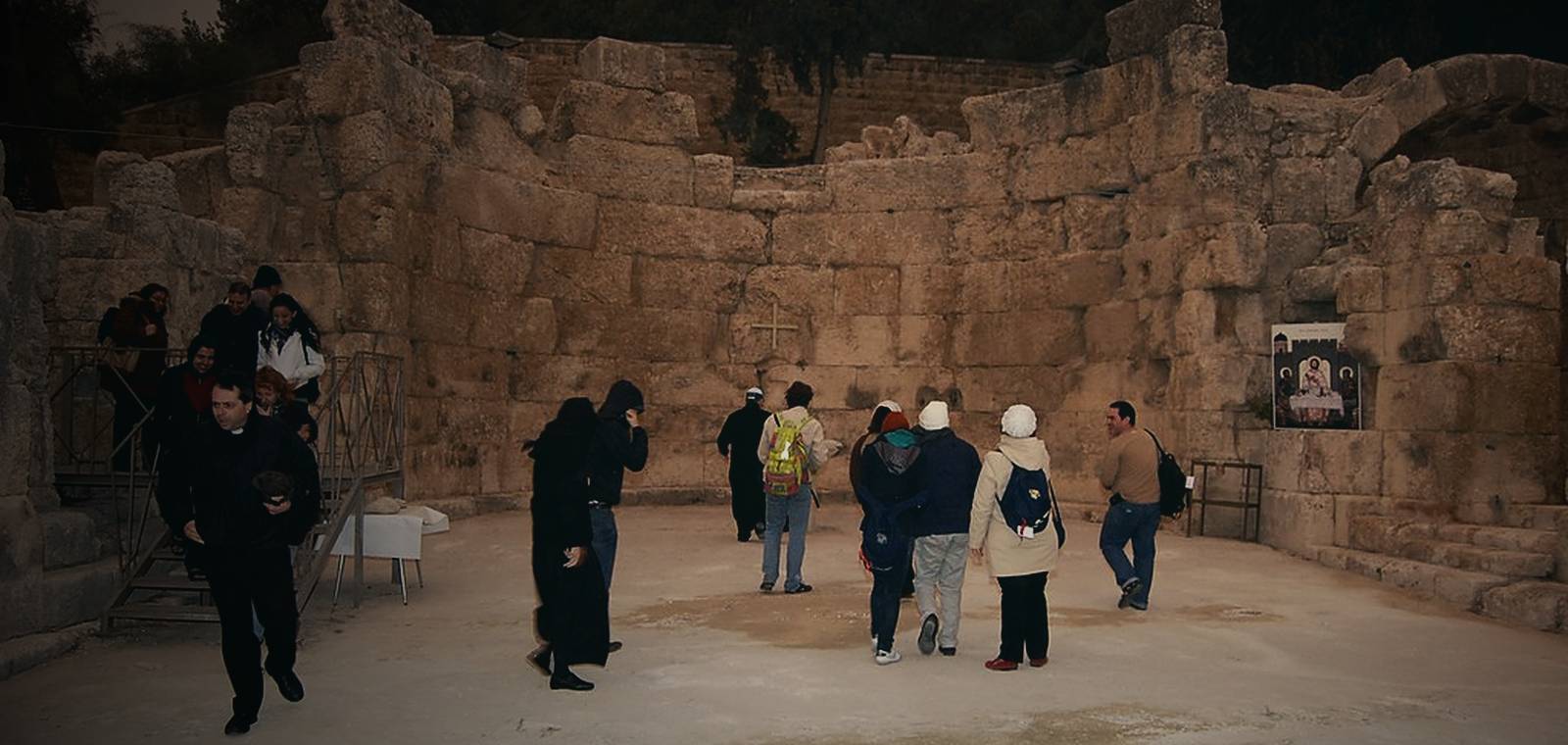
What is Sextus Julius Africanus known for?
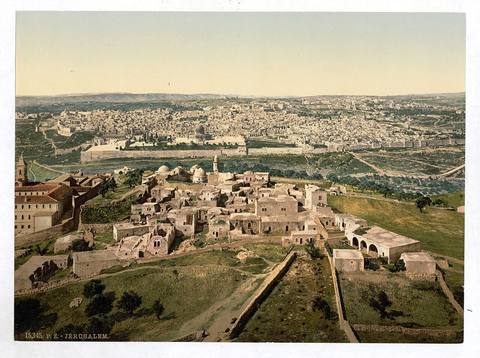
Sextus Julius Africanus was a Christian scholar born around 180, probably in Jerusalem, who lived mainly at Emmaus in Palestine. Britannica calls him the first Christian historian known to produce a universal chronology.
His Chronographiai, in five books finished in 221 CE, set biblical, Egyptian, Chaldean, Greek and Jewish history on one timeline from Creation, which he placed in 5499 BCE, to his own day. He also wrote a letter reconciling the different genealogies of Jesus in Matthew and Luke. The Chronographiai itself is lost and survives only in quotations, chiefly in Eusebius and in the Byzantine chronicler George Syncellus.
Through those quotations Africanus is one of the two main witnesses to the dynasty lists of Manetho, the Egyptian priest who wrote a history of Egypt in Greek around 280 BCE. His version and Eusebius' often disagree on reign lengths and names, so scholars compare them. Syncellus also credits Africanus with discussing the Watchers and the giants of Genesis 6.
Mentioned on these pages
- FileManetho
- PersonEusebius of Caesarea
- PersonGeorge Syncellus
- PersonSeth (son of Adam)
Linked people and places
Where this comes from
Comes from Encyclopaedia Britannica, 'Sextus Julius Africanus'. An encyclopedia first published in Scotland in 1768 and now online. Its articles are written and checked by named experts and editors, which makes it a reliable source for basic facts.
What this means
A real person with records. Sources are listed below.
For Sextus Julius Africanus, the original record exists and is linked: Encyclopaedia Britannica, 'Sextus Julius Africanus'. That tells you the record is real and what it says. It does not mean every claim in it is true.
Primary records exist: an original document, a published text, an official file or a dated report. We link to them. This level says the record exists and what it says, not that every claim in it is true.
Sources
- Encyclopaedia BritannicaAn encyclopedia first published in Scotland in 1768 and now online. Its articles are written and checked by named experts and editors, which makes it a reliable source for basic facts.Encyclopaedia Britannica, 'Sextus Julius Africanus'Reference
- WikipediaA free online encyclopedia written and edited by volunteers. It is a good starting point and usually lists its own sources, but anyone can change it, so we treat it as a guide to better sources, not the final word.Wikipedia, 'Sextus Julius Africanus'Reference Archived copy, 2026-09-06
No public-domain picture of this person yet. We do not show drawn or generated likenesses.