












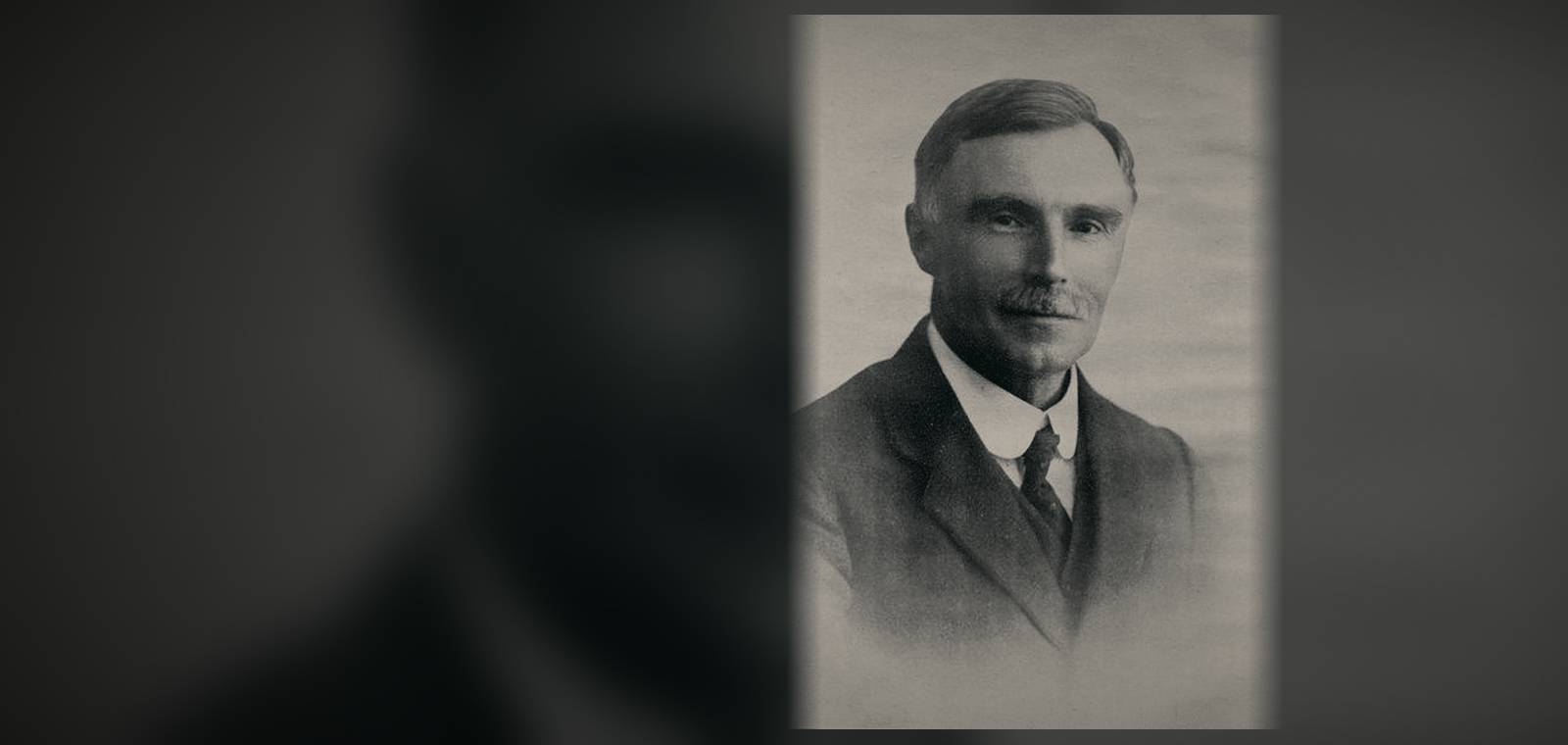
What is Marmaduke Pickthall known for?
Muhammad Marmaduke Pickthall was an English writer born in London in 1875. Before the First World War he was known as a novelist of Middle Eastern life, admired by writers such as D. H. Lawrence and H. G. Wells. In November 1917 he publicly declared his conversion to Islam at the Woking Muslim Mission, later describing himself as a Sunni Muslim of the Hanafi school.
In 1920 he went to India to edit the Bombay Chronicle and later worked in Hyderabad as a school principal and in the service of the Nizam's government. There he completed The Meaning of the Glorious Koran (1930), an English rendering approved by scholars at Al-Azhar. He chose the title because, in Muslim teaching, the Quran cannot truly be translated, only its meaning conveyed.
His version uses older English such as 'thee' and 'listeneth', and it is now widely available online. He died in St Ives, Cornwall, in 1936 and is buried at Brookwood Cemetery in Surrey.
The same story, told elsewhere
Shared story · Floods and lost lands
Flood Stories Around the World
A god warns one good man, a boat is built, the world drowns and birds are sent out to find land. The same story turns up from Iraq to India to Greece, with cousins in China, Scandinavia and Guatemala.
Quran, Surah Hud (Noah) is one telling. The same story is told 9 more times, in 6 parts of the world. Follow it:
- Vedic IndiaNorthern India · c. 800-600 BCE · Ancient text
- Babylonian (Akkadian)Mesopotamia · 7th century BCE · Ancient text
- Hebrew BibleJudah / Babylon · c. 600-400 BCE · Ancient text
- ChineseYellow River valley, China · 1st millennium BCE · Ancient text
- Zoroastrian (Persian)Iran / Central Asia · 1st millennium BCE · Ancient text
- Babylonian, retold in GreekBabylon · c. 280 BCE · Ancient text
- GreekGreece · 1st or 2nd century CE · Ancient text
- IslamArabia · 7th century CE · Medieval textTied to this page
- NorseIceland · c. 1220 CE · Medieval text
- K'iche' MayaHighland Guatemala · c. 1554-1558 · Retold in English
The open question: One real flood remembered by many peoples, or many different floods that each people told in its own way? Join the debate
Shared story · Beginnings
Creation from the Primeval Waters and the Cosmic Egg
Before anything existed there was dark water. Or an egg. Babylon, Genesis, the Rig Veda, Egypt, Finland and the Quran all start the world in almost the same place.
Quran, Surah al-Anbiya is one telling. The same story is told 9 more times, in 5 parts of the world. Follow it:
- BabylonianBabylon, Mesopotamia · c. 1700-1100 BCE · Ancient text
- Vedic IndiaNorthwest India · c. 1200-1000 BCE · Ancient text
- GreekBoeotia, Greece · c. 700 BCE · Ancient text
- Hebrew BibleJudah / Babylon · c. 600-400 BCE · Ancient text
- EgyptianThebes, Egypt · c. 310 BCE · Ancient text
- Babylonian, retold in GreekBabylon · c. 280 BCE · Ancient text
- Hindu law codeIndia · c. 200 BCE · Ancient text
- IslamArabia · 7th century CE · Medieval textTied to this page
- NorseIceland · c. 1000 CE · Medieval text
- FinnishFinland and Karelia · 1820 · Recorded folklore
The open question: Why would people who never met all start the world in dark water? A shared idea, or the most natural guess anyone would make? Join the debate
Shared story · Beginnings
Beings Who Taught Humanity the Arts
Fallen angels taught metalwork and makeup, a fish-man from the sea taught writing and law, Prometheus gave fire and numbers, and Thoth invented letters. Many cultures say civilization was a gift from outside.
Quran, Surah al-Baqarah (Harut and Marut) is one telling. The same story is told 6 more times, in 4 parts of the world. Follow it:
- GreekAthens · c. 460-430 BCE · Ancient text
- Greek, about EgyptAthens, telling an Egyptian story · c. 370 BCE · Ancient text
- ChineseChina · c. 4th to 3rd century BCE · Ancient text
- Jewish apocalyptic (Second Temple)Judea · c. 300-200 BCE · Ancient text
- Babylonian, retold in GreekBabylon · c. 280 BCE · Ancient text
- Jewish (Second Temple)Judea · c. 160-150 BCE · Ancient text
- IslamArabia · 7th century CE · Medieval textTied to this page
The open question: Did people credit outsiders for their own inventions, or is there a reason so many say they were taught? Join the debate
Shared story · Floods and lost lands
Towers to Heaven
Babel is the famous one, but Babylonians, Greeks, the Quran, Mexico, China and the Zambezi all tell of people trying to build or climb their way up to the gods, and failing.
Quran, Surah al-Qasas (Pharaoh's tower) is one telling. The same story is told 7 more times, in 5 parts of the world. Follow it:
- GreekIonia / Greece · c. 8th to 7th century BCE · Ancient text
- Hebrew BibleBabylon · c. 600-400 BCE · Ancient text
- ChineseChina · 1st millennium BCE · Ancient text
- Jewish (Second Temple)Judea · c. 160-150 BCE · Ancient text
- Babylonian / Greek (Abydenus, after Berossus)Babylon · c. 2nd century CE · Ancient text
- IslamArabia · 7th century CE · Medieval textTied to this page
- Aztec / Nahua (Cholula)Cholula, central Mexico · c. 1566 · Recorded folklore
- Lozi (A-Louyi), Upper ZambeziUpper Zambezi · 1901 · Recorded folklore
The open question: Is the tower story about one real building, about pride, or about why people speak different languages? Join the debate
Shared story · Heroes and trials
A Child Offered Up: Abraham, Jephthah, Agamemnon and Harishchandra
A father is told, or promises, that he must give up his own child. Sometimes an animal is found in time and sometimes no one stops the knife, and the story is told in the Bible, the Quran, Greece, India and Viking-age Sweden.
Quran, Surah 37, As-Saffat (Abraham's son) is one telling. The same story is told 8 more times, in 4 parts of the world. Follow it:
- Hebrew Bible (about Moab)Kir-hareseth, Moab · c. 850 BCE · Ancient text
- Vedic IndiaNorthern India · c. 800-600 BCE · Ancient text
- Hebrew BibleGilead, east of the Jordan · c. 7th-6th century BCE · Ancient text
- Hebrew BibleJudah / Israel · 1st millennium BCE · Ancient text
- GreekAthens, Greece · 458 BCE · Ancient text
- Phoenician (in Greek)Byblos, Lebanon · c. 100 CE · Ancient text
- IslamArabia · 7th century CE · Medieval textTied to this page
- Norse (Swedish legend)Uppsala, Sweden · c. 1225 CE · Medieval text
- French (Greek legend)France · 1699 · Recorded folklore
The open question: Do these stories remember a time when people really gave up their children, or were they told to teach that it must never happen? Join the debate
Shared story · Beginnings
People Made From Clay: Adam, Nuwa, Prometheus and the Potter Gods
A god kneels in the mud, shapes a body with his hands and breathes it into life. That scene is told in Iraq, Israel, Egypt, Greece, China, Arabia, Guatemala, Sudan and New Zealand.
Quran, Surah al-Hijr is one telling. The same story is told 8 more times, in 6 parts of the world. Follow it:
- Babylonian (Akkadian)Mesopotamia · c. 1700 BCE · Ancient text
- Ancient EgyptianEgypt · c. 1215 BCE · Ancient text
- Hebrew BibleJudah · c. 900-450 BCE · Ancient text
- GreekGreece · 1st or 2nd century CE · Ancient text
- ChineseChina · c. 195 CE · Retold in English
- IslamArabia · 7th century CE · Medieval textTied to this page
- K'iche' MayaHighland Guatemala · c. 1554-1558 · Retold in English
- Maori (New Zealand)Aotearoa · 19th century · Retold in English
- Shilluk (South Sudan)White Nile, South Sudan · 1911 · Retold in English
The open question: Did one old story about a potter god travel from people to people, or does anyone who works with clay end up imagining that we were made from it? Join the debate
Shared story · Death and return
Sleepers Who Wake Years Later: Epimenides, Honi, the Seven Sleepers and Rip Van Winkle
A man lies down for a nap and wakes to find his brother old, his village gone and his coins worth nothing. The same story is told in Crete, Judea, Ephesus, Arabia, India, Japan, Ireland and New York.
Quran, Surah al-Kahf (the People of the Cave) and Quran, Surah al-Baqarah (the man who slept a hundred years) are two tellings. The same story is told 7 more times, in 6 parts of the world. Follow it:
- GreekCrete · c. 200-250 CE · Ancient text
- Hindu (Puranic)India · c. 300-500 CE · Ancient text
- Jewish (Babylonian Talmud)Judea · c. 500-600 CE · Medieval text
- Christian (Seven Sleepers of Ephesus)Ephesus · c. 500 CE · Medieval text
- IslamArabia · 7th century CE · Medieval textTied to this page
- IslamArabia · 7th century CE · Medieval textTied to this page
- JapaneseJapan · c. 759 CE · Medieval text
- IrishIreland · c. 1750 · Early modern text
- AmericanCatskill Mountains, New York · 1819 · Recorded folklore
The open question: Is the long sleep a story people passed along from Crete to Ephesus to New York, or does every culture invent it because everyone fears coming home to a world that has moved on? Join the debate
Mentioned on these pages
Where this comes from
Comes from Internet Sacred Text Archive, 'The Meaning of the Glorious Quran', tr. M. M. Pickthall. A free website, started in 1999, that hosts public-domain translations of religious, myth and folklore texts from around the world. Most translations date from the 1800s and early 1900s, so some wording and scholarship is dated, but the texts are faithful copies.
What this means
A real person with records. Sources are listed below.
For Marmaduke Pickthall, the original record exists and is linked: Internet Sacred Text Archive, 'The Meaning of the Glorious Quran', tr. M. M. Pickthall. That tells you the record is real and what it says. It does not mean every claim in it is true.
Primary records exist: an original document, a published text, an official file or a dated report. We link to them. This level says the record exists and what it says, not that every claim in it is true.
Sources
- Internet Sacred Text ArchiveA free website, started in 1999, that hosts public-domain translations of religious, myth and folklore texts from around the world. Most translations date from the 1800s and early 1900s, so some wording and scholarship is dated, but the texts are faithful copies.Internet Sacred Text Archive, 'The Meaning of the Glorious Quran', tr. M. M. Pickthall Online copyPrimary text Archived copy, 2026-10-03
- WikipediaA free online encyclopedia written and edited by volunteers. It is a good starting point and usually lists its own sources, but anyone can change it, so we treat it as a guide to better sources, not the final word.Wikipedia, 'Marmaduke Pickthall'Reference Archived copy, 2026-09-15