












What is Bashan known for?
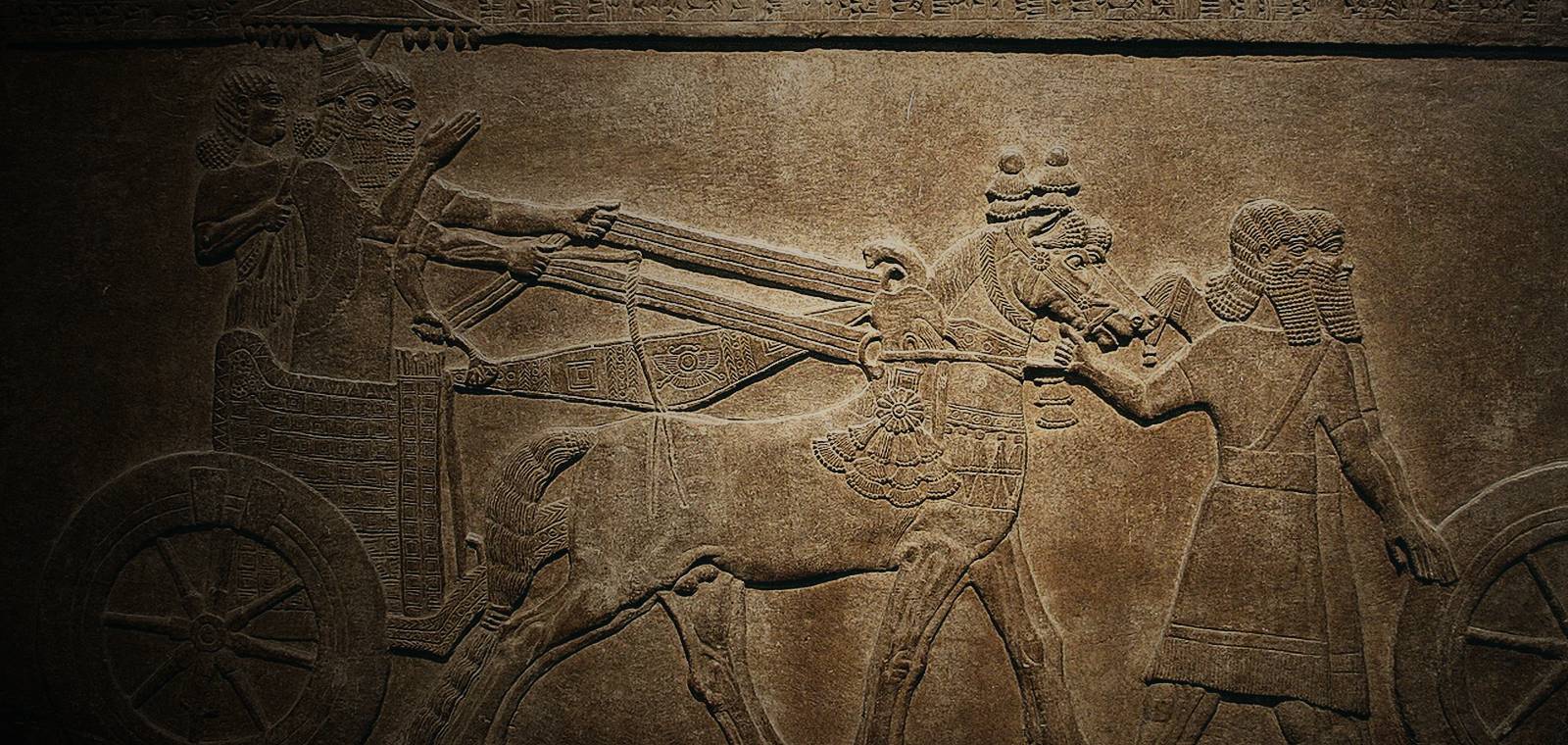
Bashan was the northernmost of the three ancient divisions of the land east of the Jordan, roughly today's Golan Heights and Hauran in Syria. In biblical times it was proverbial for rich pastures, thick oak forests and strong cattle, and the 'bulls of Bashan' became a stock image in the Psalms and prophets.
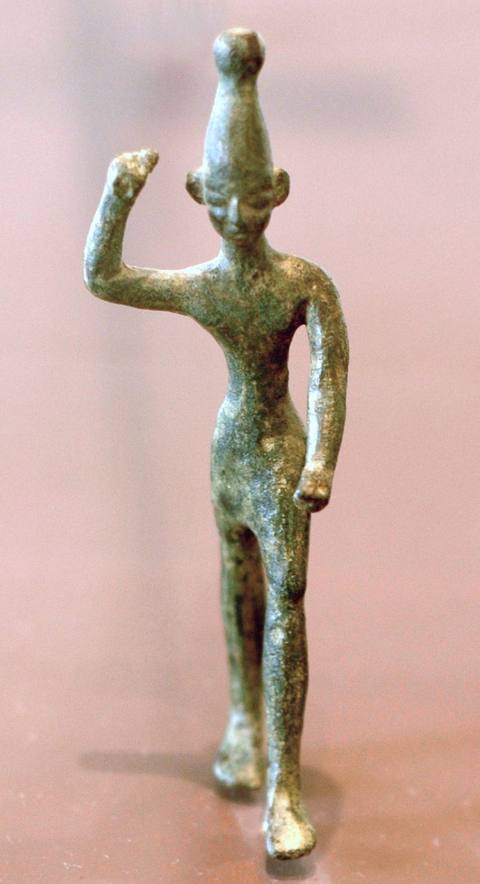
The Bible says its king was Og, 'of the remnant of the giants', who ruled from Ashtaroth and Edrei until the Israelites defeated him and gave his land to the half-tribe of Manasseh. Deuteronomy 3 adds the detail of his iron bed, nine cubits long. A text from Ugarit names a divine king associated with the same two towns, which suggests the region was linked with the deified dead long before the biblical account.
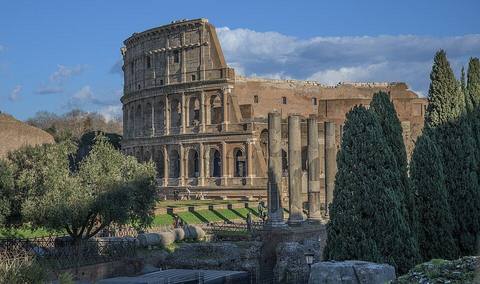
Under Rome, Bashan became a major grain region, and Bostra became capital of the province of Arabia in 106 CE. Its giant king remains known only from the Bible and later tradition.
Mentioned on these pages
- FileOg of Bashan
- PassageOg's iron bed (Deuteronomy 3:11)
Linked people and places
Where this comes from
Comes from Deuteronomy 3 (KJV), Bible Gateway. The Book of Deuteronomy: The fifth book of the Bible, set out as Moses' last speeches before Israel entered Canaan. It mentions giant peoples such as the Rephaim and the huge iron bed of King Og.
What this means
A real place with records. Sources are listed below.
For Bashan, the original record exists and is linked: Deuteronomy 3 (KJV), Bible Gateway. That tells you the record is real and what it says. It does not mean every claim in it is true.
Primary records exist: an original document, a published text, an official file or a dated report. We link to them. This level says the record exists and what it says, not that every claim in it is true.
Sources
- Encyclopaedia BritannicaAn encyclopedia first published in Scotland in 1768 and now online. Its articles are written and checked by named experts and editors, which makes it a reliable source for basic facts.Encyclopaedia Britannica, 'Bashan'Reference
- The Book of DeuteronomyThe fifth book of the Bible, set out as Moses' last speeches before Israel entered Canaan. It mentions giant peoples such as the Rephaim and the huge iron bed of King Og. Many scholars link its core to the 600s BC, with later additions.Deuteronomy 3 (KJV), Bible Gateway Online copyPrimary text Archived copy, 2026-10-03
- WikipediaA free online encyclopedia written and edited by volunteers. It is a good starting point and usually lists its own sources, but anyone can change it, so we treat it as a guide to better sources, not the final word.Wikipedia, 'Bashan'Reference Archived copy, 2026-10-03