The record
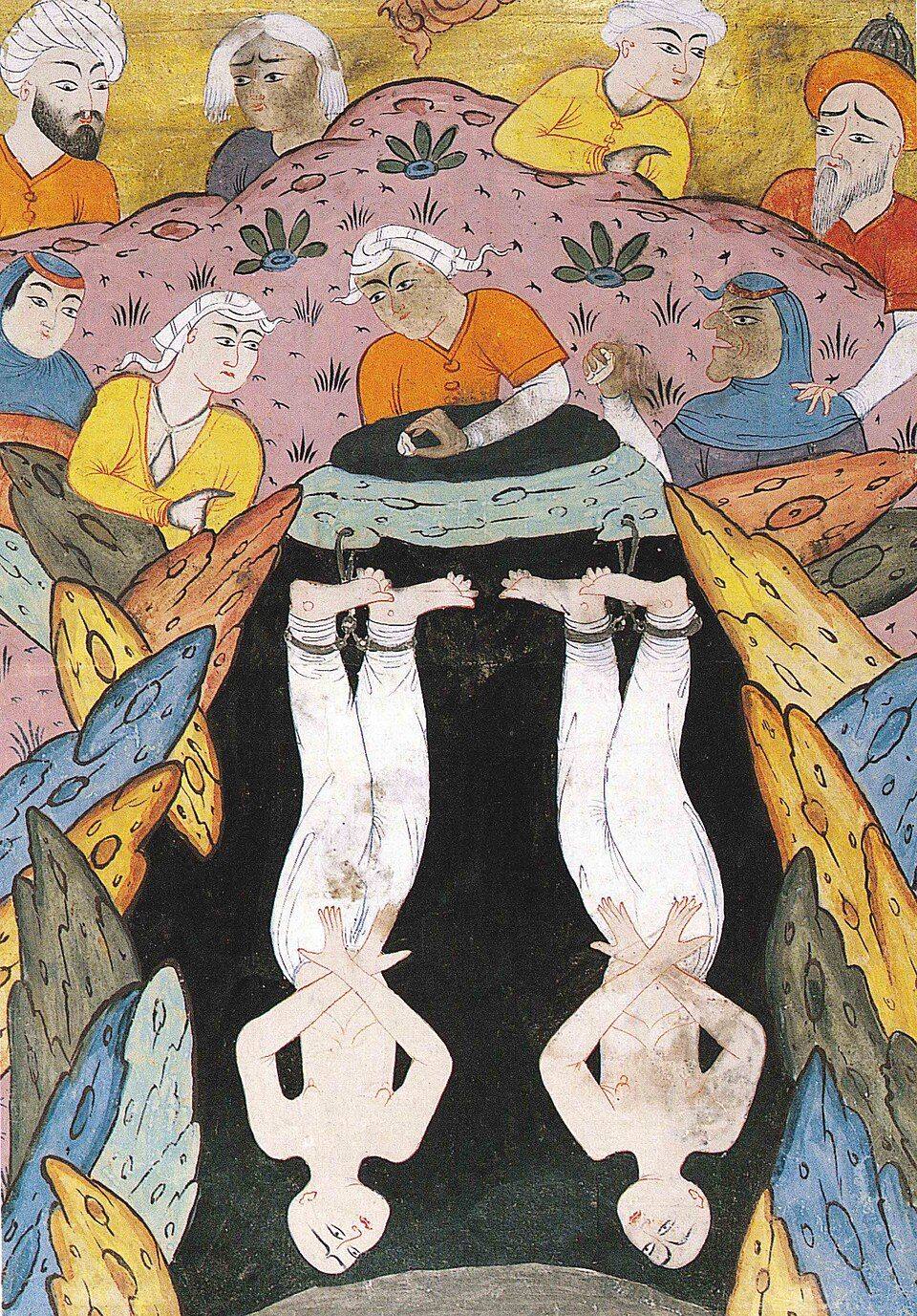
And now, the giants, who are produced from the spirits and flesh, shall be called evil spirits upon the earth, and on the earth shall be their dwelling. Evil spirits have proceeded from their bodies.
1 Enoch 15:8–12 · Enoch, Jubilees and others
Translation: R. H. Charles, The Book of Enoch (SPCK, 1917; first ed. 1912) · Public domain
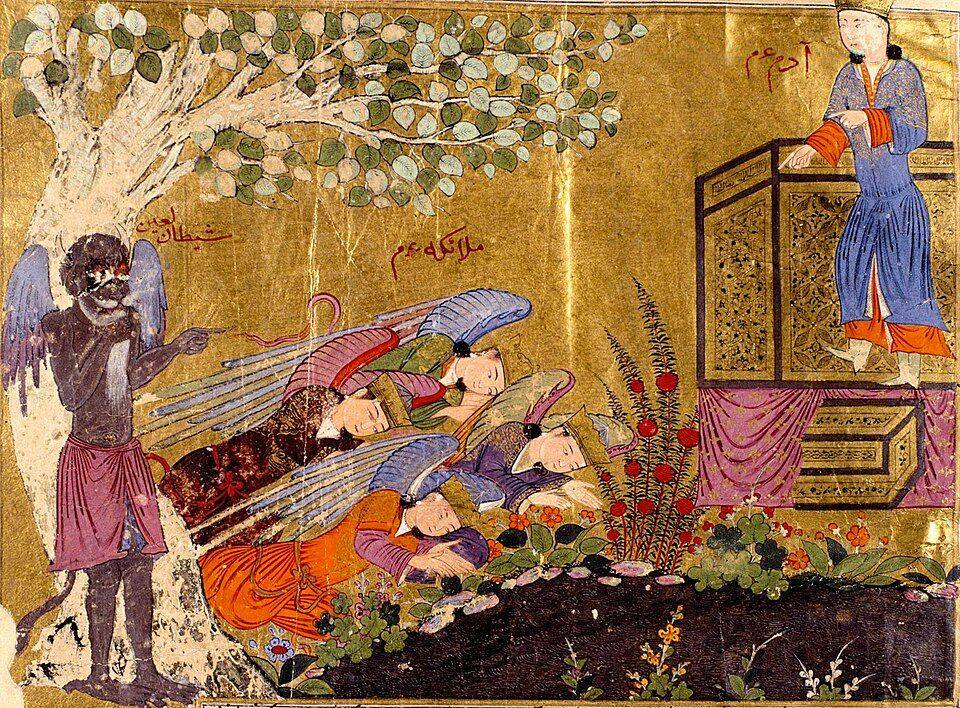
The jinn are, in the Quran, a race of beings created before humans and made of fire rather than clay. Surah 55 puts it in one line: He created man of clay like the potter's, And the jinn did He create of smokeless fire.
They are not angels and not ghosts. They eat, marry, die, and, like people, they can choose to believe or disbelieve. A whole chapter, Surah 72, is named after them and opens with a group of jinn who overhear the Quran being recited.
The strangest material concerns the sky. In Surah 72 the jinn say they used to sit in listening posts in heaven, but now find it filled with strong warders and meteors,
and anyone who listens findeth a flame in wait for him.
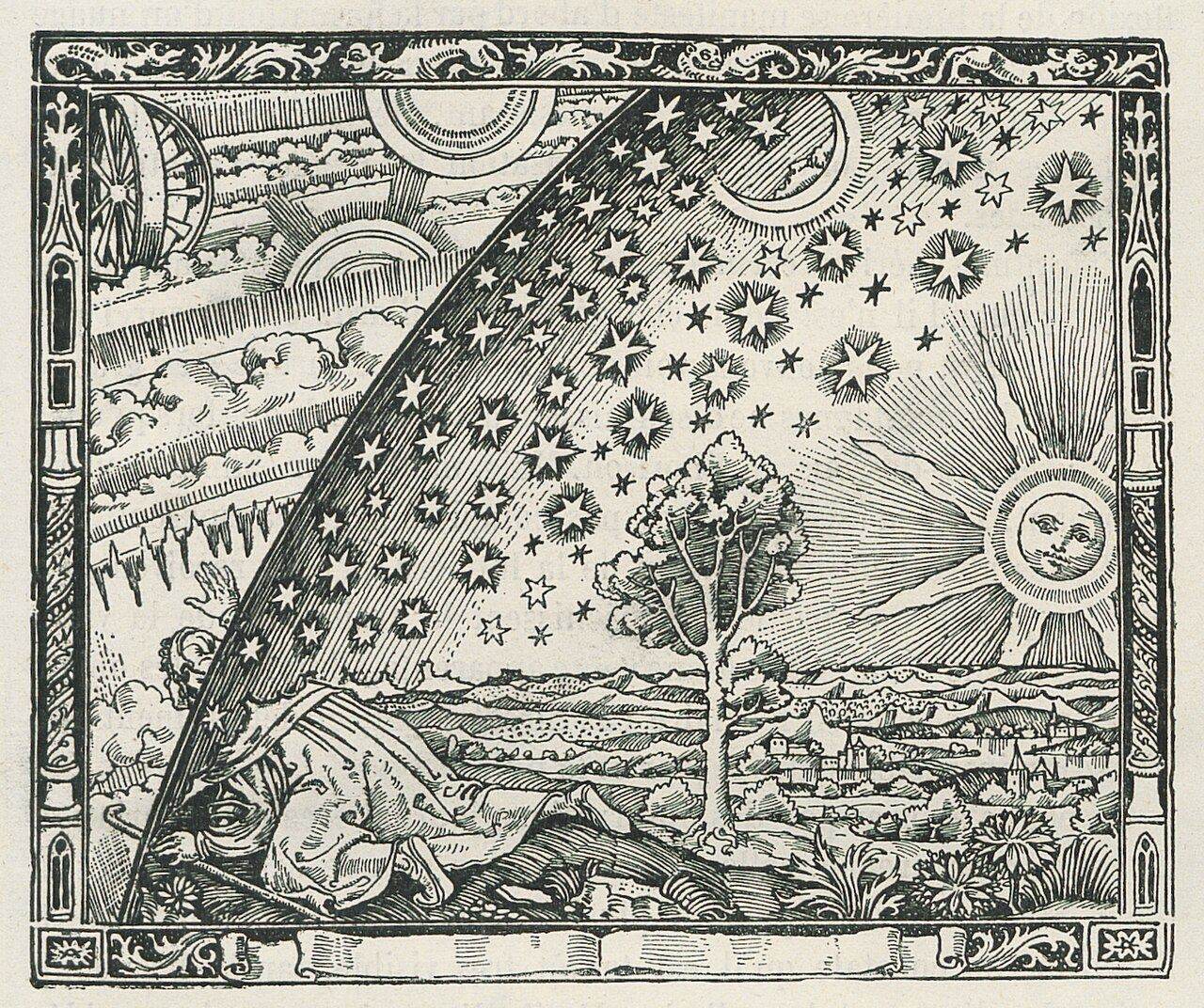
Surah 37 describes shooting stars as missiles thrown at devils who try to overhear the council above. Surah 55:33 challenges jinn and humans alike to pass beyond the regions of heaven and earth, which they cannot do without authority.
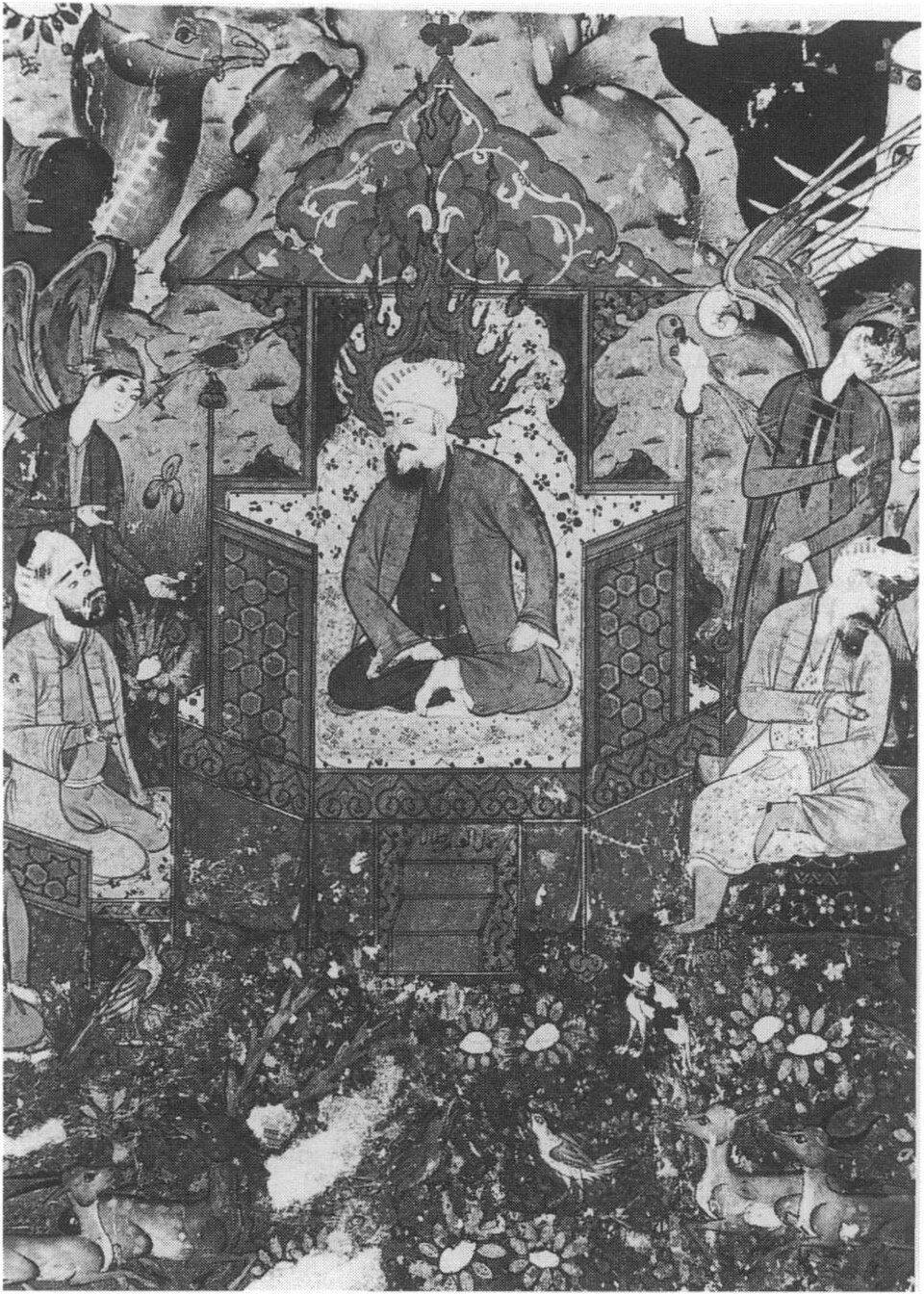
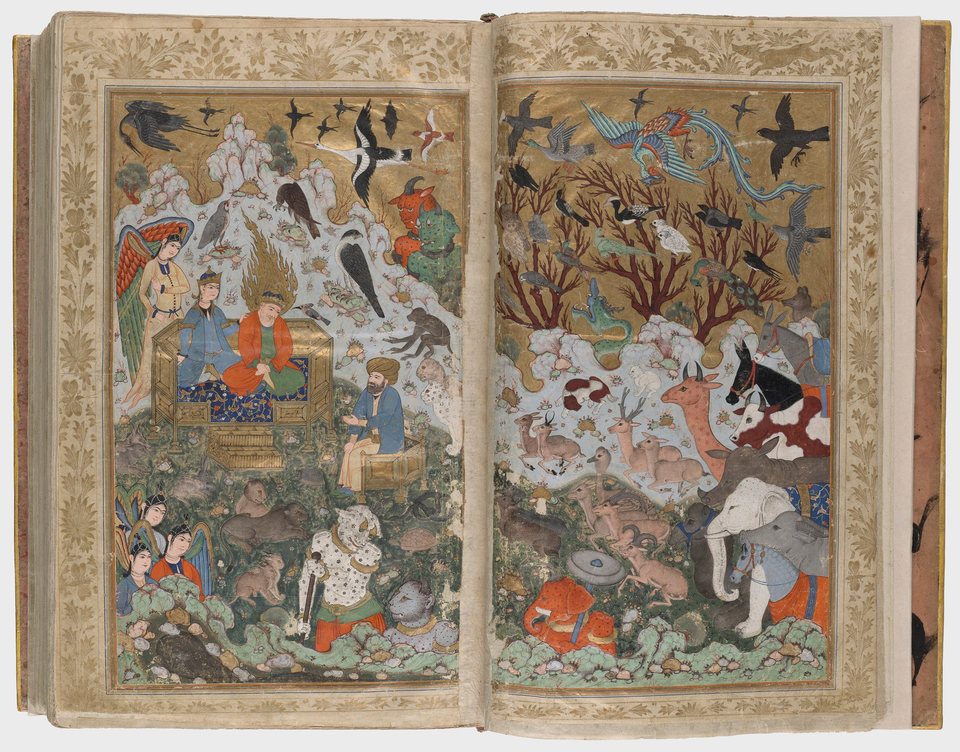
Jinn also work. Surah 34 says certain jinn labored for Solomon, building synagogues and statues, basins like wells and boilers built into the ground,
and did not notice he had died until a creature gnawed through the staff he was leaning on. Later tradition fills in endless detail: kinds of jinn such as the ifrit and the marid, jinn who live in ruins and wells, and stories that became the genies of the Thousand and One Nights.
Historians see the jinn as a continuation of pre-Islamic Arabian spirit belief, which the Quran absorbed and reframed. Modern readers who favor ancient-visitor theories sometimes read smokeless fire
as plasma or energy, and the sky passages as a guarded frontier. The text itself describes them as a created people living alongside us, hidden from sight, with their own communities and their own judgment to face.