Credible Theories Sign in
New Testament · 2 Corinthians 12:2–4

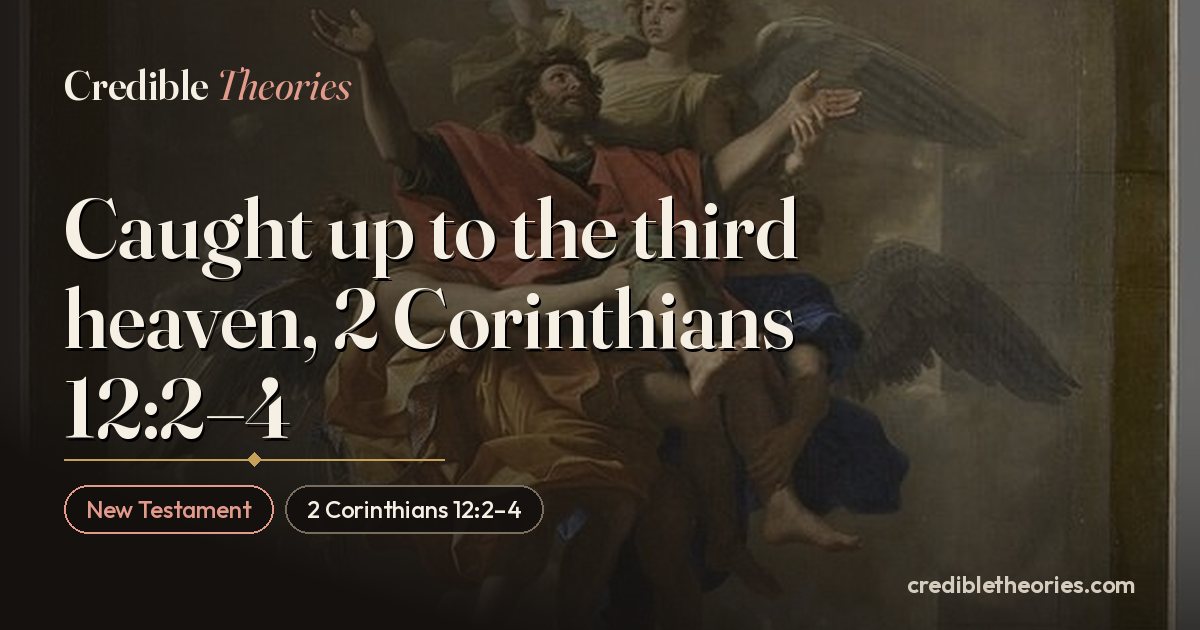
Caught up to the third heaven, 2 Corinthians 12:2–4

Share

In plain words

This is a short passage from Paul's Second Letter to the Corinthians, a letter the apostle Paul wrote around AD 55 to 56 to the Christians of Corinth, in Greece. Paul tells of a man who was "caught up to the third heaven" fourteen years before, and says he cannot tell if it happened in the body or out of it. Most readers take the man to be Paul himself.

Reference2 Corinthians 12:2–4
Writtenc. 55 CE (genuine letter of Paul)
Setc. 41 CE
I knew a man in Christ above fourteen years ago, (whether in the body, I cannot tell; or whether out of the body, I cannot tell: God knoweth;) such an one caught up to the third heaven.

Documented · Ancient text, c. 55 CE Translation: KJV

Read it literally

Paul does not know if his body went. Physical abduction or consciousness transfer.

What scholars say

Jewish writers of the time counted three or seven heavens.

Themes Taken up alive
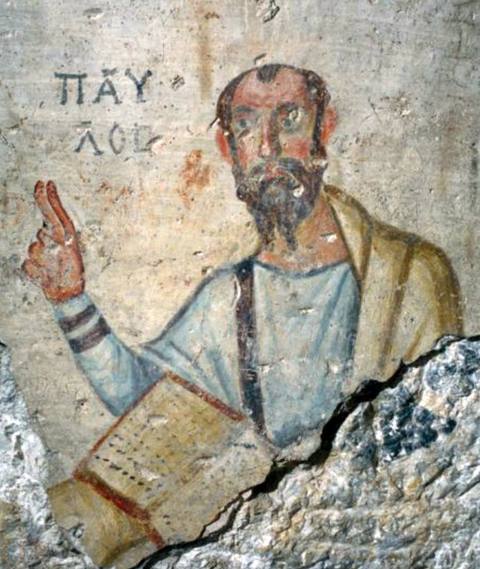
People and places herePaul the Apostle
Questions people ask about 2 Corinthians 12:2–4

What is Second Corinthians?

It is a letter Paul wrote to the church in Corinth, a Greek port city he had helped found. He likely sent it from Macedonia. Many scholars think it joins pieces of more than one letter, since chapters 10 to 13 have a much sharper tone. Paul is defending his work against rival teachers who had won over some of the church.

Why does Paul describe his vision as if it happened to someone else?

Paul was answering rivals he mockingly called super-apostles, who boasted about their spiritual gifts. He refused to brag about himself, so he spoke of a man in Christ. Most readers agree he meant himself, because in verse 7 he says he was given a thorn in the flesh so these great revelations would not make him proud.

What does paradise mean in 2 Corinthians 12:4?

Paradise comes from a Persian word for a walled garden, and Greek Jewish writers used it for the garden of Eden and for the home of the righteous. Paul says that there he heard words a human may not repeat. The Jewish text 2 Enoch also places paradise in the third heaven, which suggests Paul's readers knew this layout.

Where this comes from

EvidenceDocumented

Comes from Paul's Second Letter to the Corinthians, 2 Corinthians 12:2–4, read here in the King James Version. A letter the apostle Paul wrote around AD 55 to 56 to the Christians of Corinth, in Greece. In it he tells of a man 'caught up to the third heaven', whom most readers take to be Paul himself.

What this means

The text exists and is quoted from a published translation. What it describes is a separate question.

Primary records exist: an original document, a published text, an official file or a dated report. We link to them. This level says the record exists and what it says, not that every claim in it is true.

See all five labels

Sources

  1. The King James BibleThe English Bible made for King James I and first printed in 1611; the wording most people know comes from a 1769 update. It is out of copyright, which is why we quote it. The 1611 printing also had the Apocrypha, extra books kept in Catholic and Orthodox Bibles.King James Version (1611; standard 1769 text), with ApocryphaPrimary text Archived copy, 2026-10-03

Scholarly dates are rounded. The wording follows the named public-domain translation.

More from New Testament

Two more stories, and what each shares with Caught up to the third heaven.

Photo credits
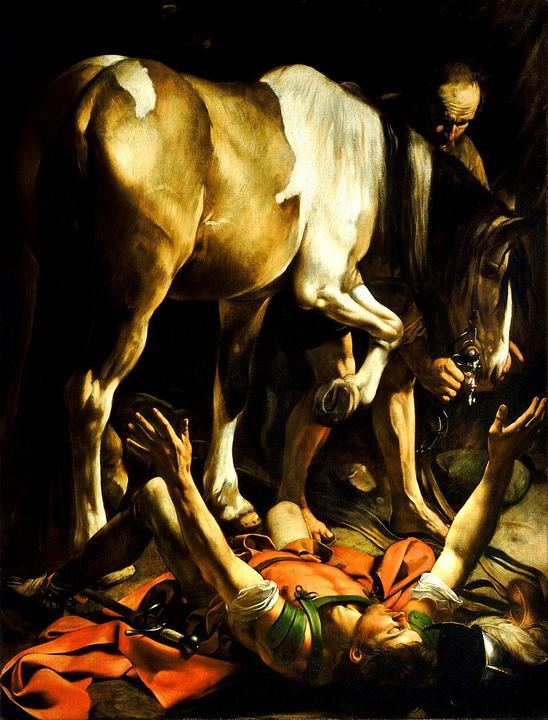
‹ Before thisThe light that blinded SaulActs 9:3–9

A light from heaven shines around a man named Saul, he falls to the ground, hears a voice, and is blind for three days.

Also about Paul the Apostle
Photo credits
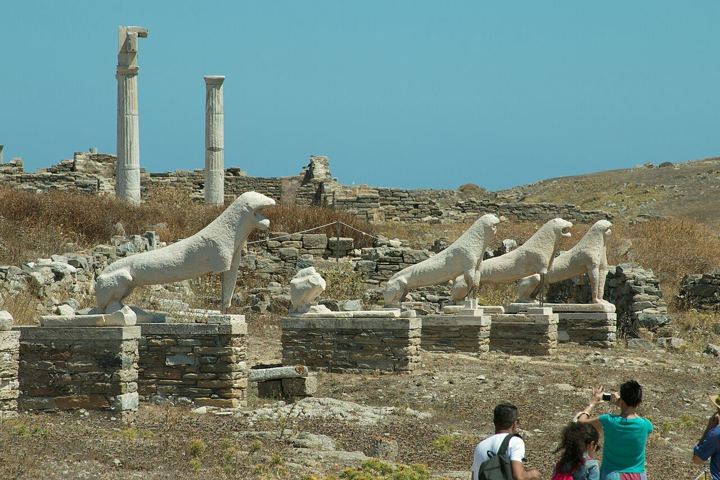
RelatedOfferings wrapped in wheat strawHerodotus, Histories 4.33

The Delians told Herodotus that offerings wrapped in wheat straw came from the Hyperboreans.

Also about Ancient Greece

Updated

Discussion