How the rabbit hole works. Start with anything that grabs you, say UFOs. Every person, place and document a page mentions links to its own page, so a UFO file leads to a witness, the witness leads to the people who investigated the case, and it keeps going.
The path you take shows in the bar under the top menu on every page, so you can step back any time or climb out and start again.
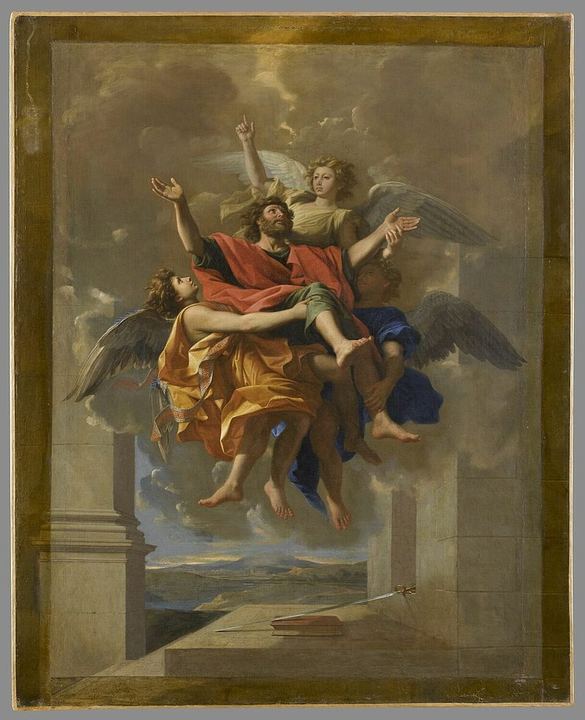
This is a short passage from the Book of Acts, a New Testament book about the first Christians after Jesus, usually dated about AD 80 to 90. In the story, a light from heaven shines around a man named Saul, he falls to the ground, hears a voice, and is blind for three days. Scholars read it as the story of Paul's conversion, which Acts tells three times.
ReferenceActs 9:3–9
Writtenc. 80–90 CE
Setc. 34 CE
And suddenly there shined round about him a light from heaven: And he fell to the earth, and heard a voice.
Documented · Ancient text, c. 80–90 CE Translation: KJV
AdvertisementAd space
Read it literally
A beam from above, a voice, three days of blindness, then 'scales' fall from his eyes.
What scholars say
Paul's conversion; told three times in Acts with small differences.
He was led by the hand to the house of a man named Judas on the street called Straight. After three days without sight, food or water, a believer named Ananias was sent to lay hands on him. Something like scales fell from his eyes, he could see again, and he was baptized.
What does Paul himself say about his conversion?
In his own letters Paul is brief. Galatians 1:15–17 says God revealed his Son to him, after which he went to Arabia and then back to Damascus. In 1 Corinthians 15:8 he lists himself as the last person the risen Jesus appeared to. He never describes the light or the fall to the ground.
Did Saul change his name to Paul when he converted?
Probably not. Acts keeps calling him Saul for several chapters after this event. The switch comes in Acts 13:9, which says 'Saul, (who also is called Paul)'. Many scholars think he carried both names all along: Saul as a Jewish name and Paul, a Roman name, for use in the wider Greek-speaking world.
Where this comes from
EvidenceDocumented
Comes fromThe Book of Acts, Acts 9:3–9, read here in the King James Version. A New Testament book about the first Christians after Jesus, by the writer of the Gospel of Luke, usually dated about AD 80 to 90. It includes Jesus being taken up into a cloud and Paul's blinding vision on the road to Damascus.
What this means
The text exists and is quoted from a published translation. What it describes is a separate question.
Primary records exist: an original document, a published text, an official file or a dated report. We link to them. This level says the record exists and what it says, not that every claim in it is true.
The King James BibleThe English Bible made for King James I and first printed in 1611; the wording most people know comes from a 1769 update. It is out of copyright, which is why we quote it. The 1611 printing also had the Apocrypha, extra books kept in Catholic and Orthodox Bibles.King James Version (1611; standard 1769 text), with ApocryphaPrimary textArchived copy, 2026-10-03
Scholarly dates are rounded. The wording follows the named public-domain translation.
More from New Testament
The story before and after this one, and what each shares with The light that blinded Saul.













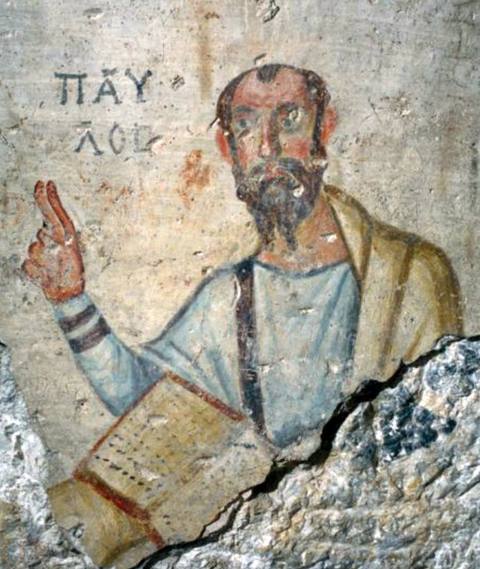 Paul the Apostle