













What is Cosimo de' Medici known for?
Cosimo de' Medici headed the Medici bank and, from 1434 until his death in 1464, was the effective ruler of Florence without holding formal office. He was a major patron of art, architecture and learning, supporting artists such as Donatello and Brunelleschi and collecting classical manuscripts.
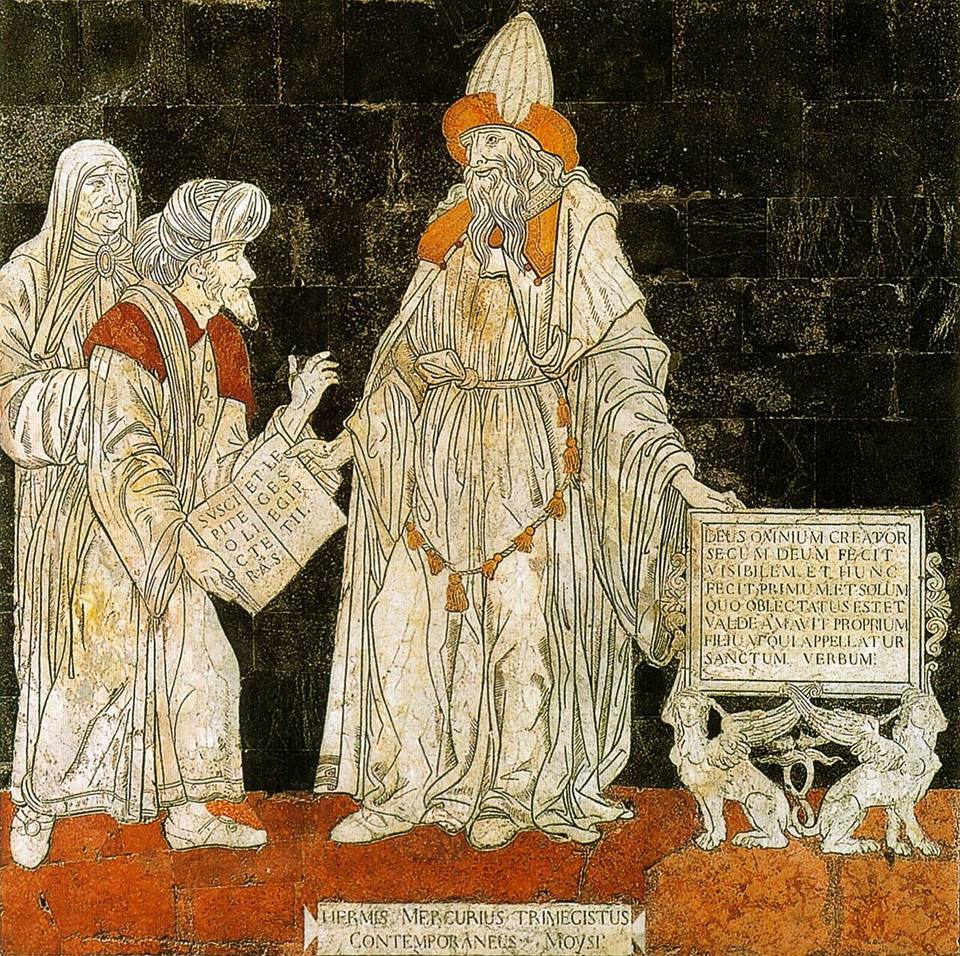
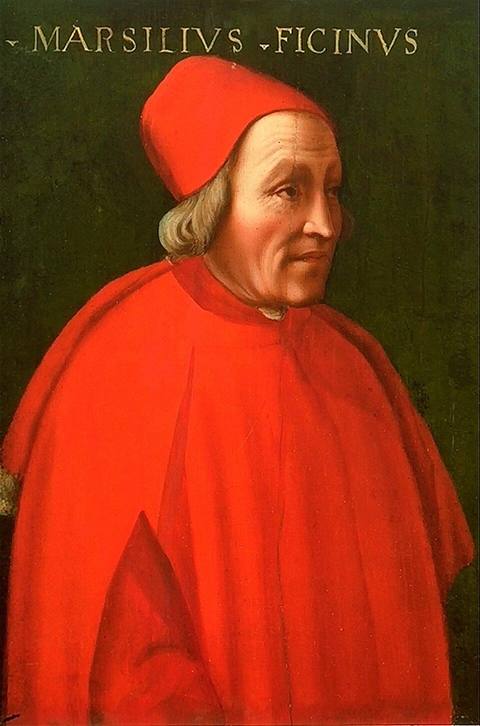
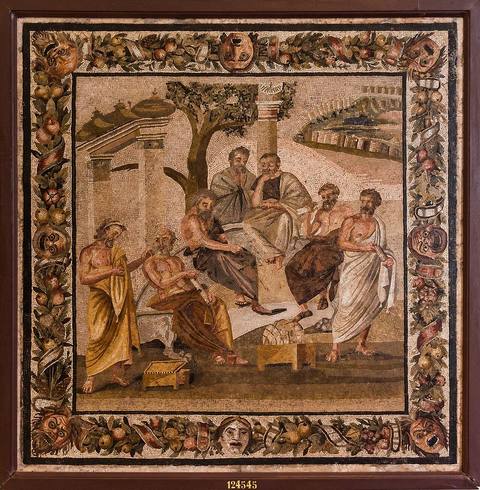
He sponsored the young Marsilio Ficino's study of Greek and Plato. When a Greek manuscript of the Corpus Hermeticum arrived in Florence around 1460, the aging Cosimo wanted it translated, and by the traditional account, based on Ficino's own later writings, had Ficino put it ahead of Plato, apparently hoping to read it before he died. Ficino finished in 1463, a year before Cosimo's death. The episode shows how highly Renaissance thinkers valued Hermes Trismegistus, whom they believed to be older than Plato.
Titles and honors
- Offices held
- Priore of the Republic of Florence 1415
- Medals and honors
- Pater Patriae, awarded posthumously by the Signoria 1464
Mentioned on these pages
- FileHermes Trismegistus
- PersonMarsilio Ficino
Linked people and places
Where this comes from
Comes from Encyclopaedia Britannica, 'Cosimo de' Medici'. An encyclopedia first published in Scotland in 1768 and now online. Its articles are written and checked by named experts and editors, which makes it a reliable source for basic facts.
What this means
A real person with records. Sources are listed below.
For Cosimo de' Medici, the original record exists and is linked: Encyclopaedia Britannica, 'Cosimo de' Medici'. That tells you the record is real and what it says. It does not mean every claim in it is true.
Primary records exist: an original document, a published text, an official file or a dated report. We link to them. This level says the record exists and what it says, not that every claim in it is true.
Sources
- Encyclopaedia BritannicaAn encyclopedia first published in Scotland in 1768 and now online. Its articles are written and checked by named experts and editors, which makes it a reliable source for basic facts.Encyclopaedia Britannica, 'Cosimo de' Medici'Reference Archived copy, 2026-09-30
- A research articleAn article written by a researcher and published in a scholarly journal or book. Most such journals have other experts check a paper before it is printed, so it carries more weight than a news story, though later studies can still change the picture.Rocha Parker and Szönyi, 'Classical and Christian Auctoritas in Marsilio Ficino's preface to the Corpus Hermeticum', Clotho (University of Ljubljana)Reference Archived copy, 2026-10-03
- WikipediaA free online encyclopedia written and edited by volunteers. It is a good starting point and usually lists its own sources, but anyone can change it, so we treat it as a guide to better sources, not the final word.Wikipedia, 'Cosimo de' Medici'Reference