












What is Ethiopia known for?
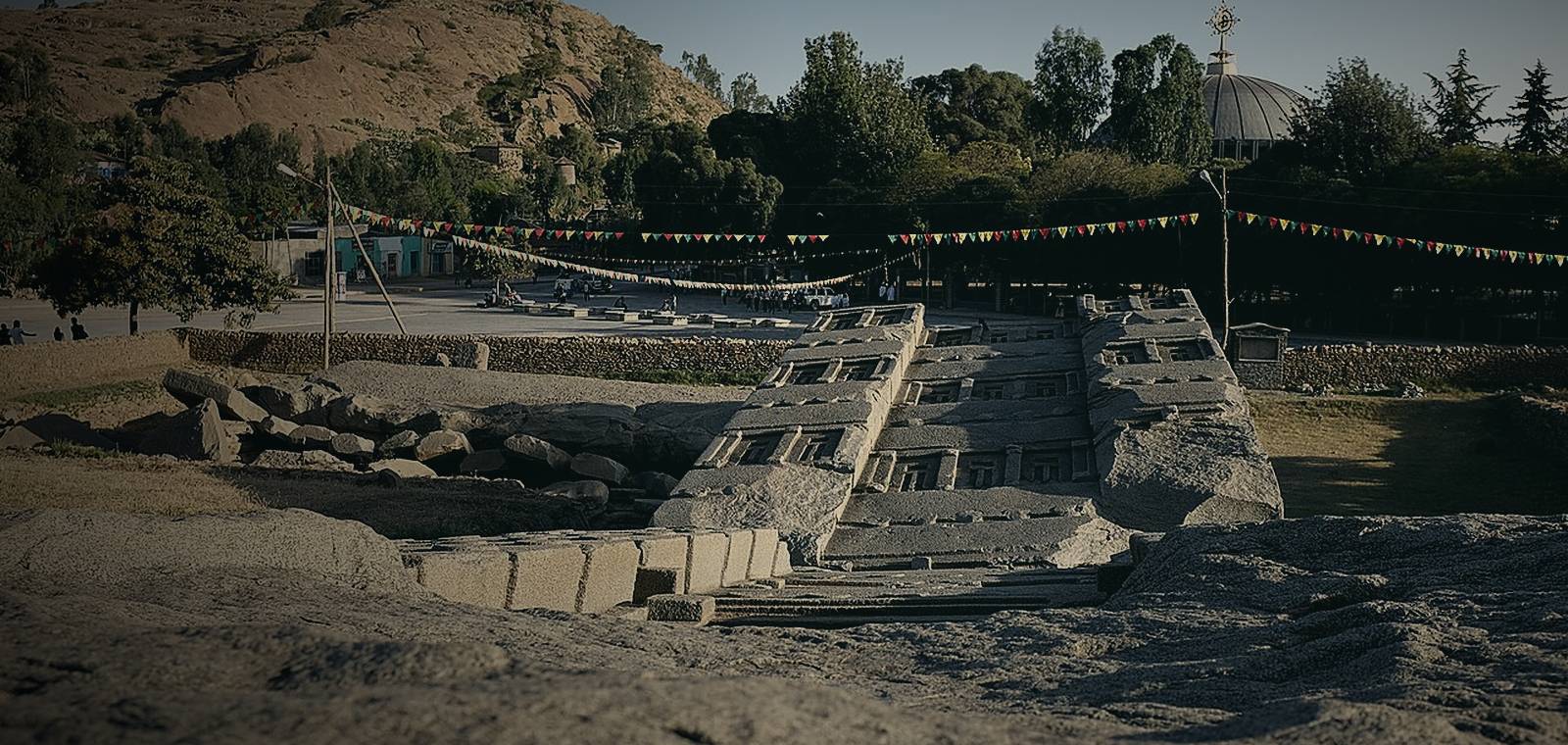
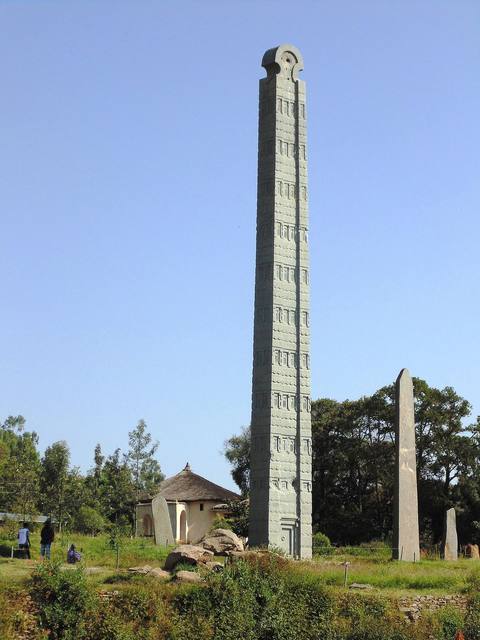
Ethiopia's first great state was the Kingdom of Aksum in the northern highlands, a trading power from about the first century CE that minted its own coins and raised tall carved stone stelae. Its king Ezana adopted Christianity in the fourth century CE.
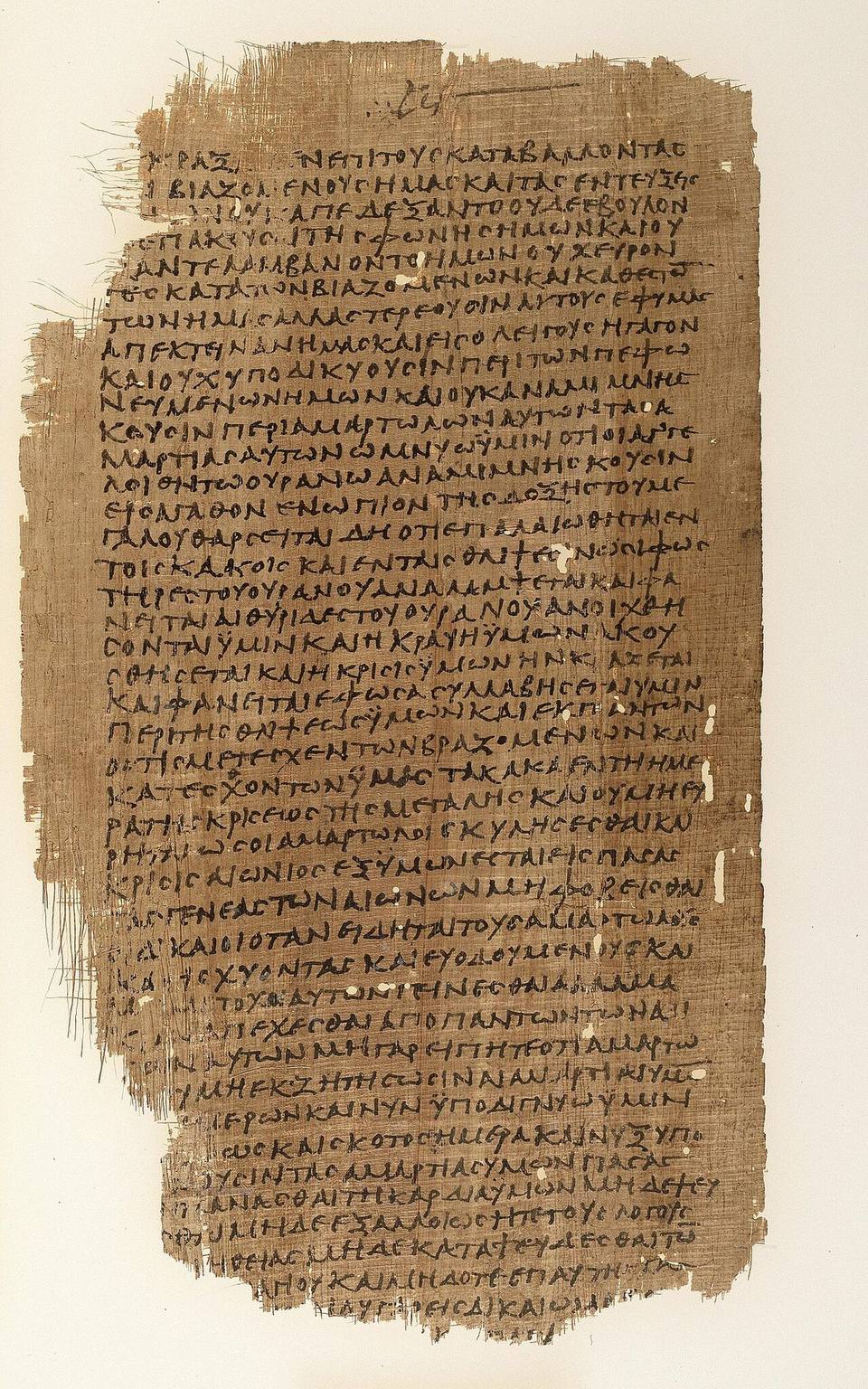
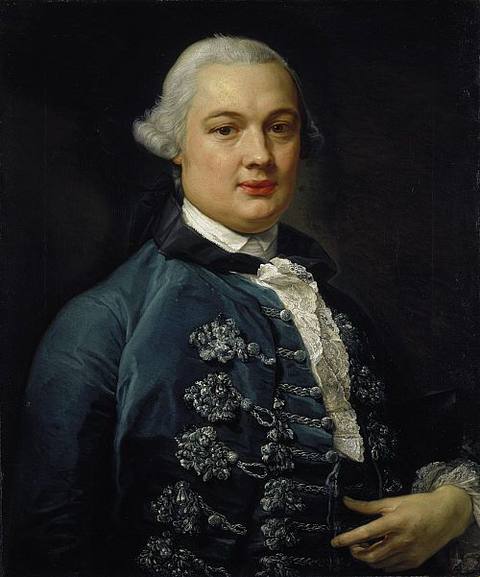
The Ethiopian Orthodox Tewahedo Church uses the old language Ge'ez and keeps a wider Bible than other churches. It includes 1 Enoch and Jubilees, books that were lost or kept only in pieces elsewhere. The Scottish traveler James Bruce brought copies of Ethiopic Enoch to Europe in 1773.
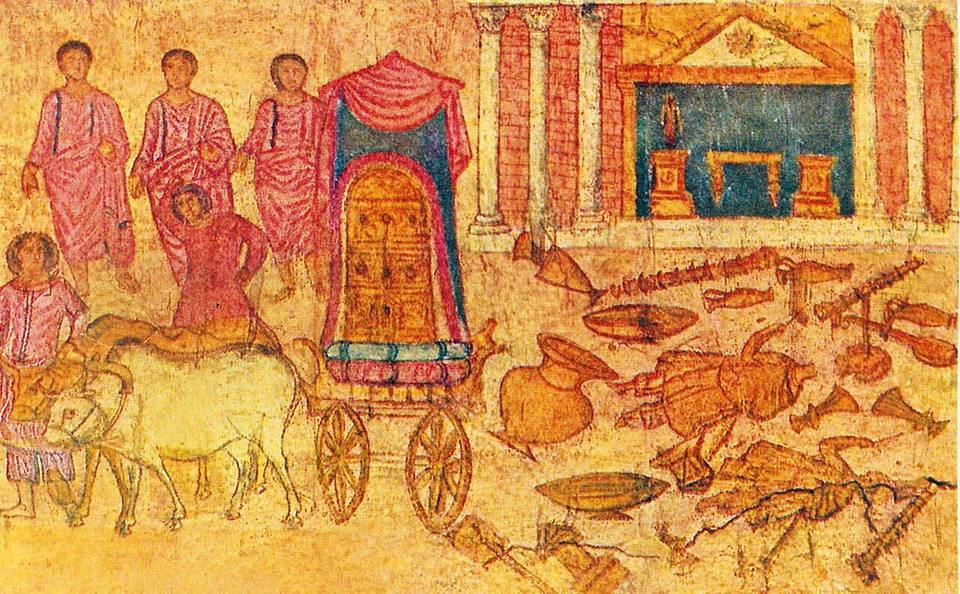
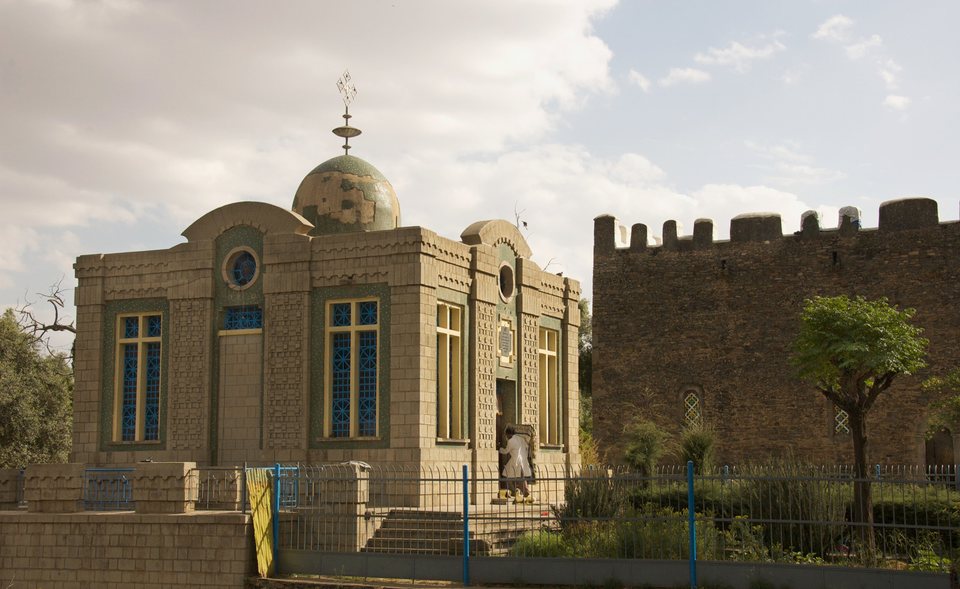
The church also holds that the Ark of the Covenant rests in a chapel at Aksum, guarded by one monk, a claim told in the medieval Kebra Nagast. No outsider has been allowed to see it, so the claim cannot be checked.
The route of Ethiopic Enoch to European readers is set out in J. T. Milik's 1976 edition of the Qumran fragments. He writes that the Abyssinian church kept a book of Enoch among its sacred books, and that Europe knew of it only vaguely from the end of the fifteenth century. The first complete translation into a European language was Richard Laurence's of 1821, followed by the Ethiopic text in 1838. Laurence worked from Bodleian MS 4, one of three codices James Bruce brought back from Abyssinia in 1773. Later editions of the Ethiopic text appeared under Dillmann (1851), Flemming (1902) and R. H. Charles (1906).
Milik also reports what the Dead Sea finds added. Fragments of leather scrolls from Cave 4 at Qumran represent eleven manuscripts of the Books of Enoch in Aramaic. Seven match the first, fourth and fifth sections of the Ethiopic text, and four belong to the astronomical section. He found no fragment of the Book of Parables, chapters 37 to 71, among the countless Cave 4 fragments or in ten other caves, which he took as a pointer to a date after Qumran for that section.
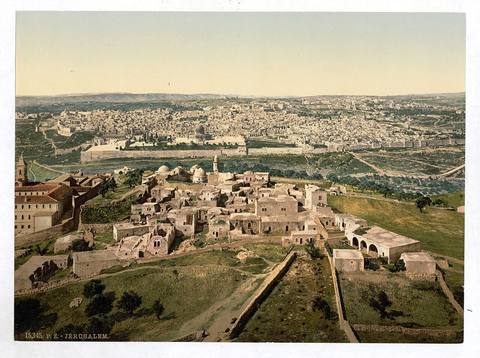
The Aksumite kingdom lasted from the first to the eighth century CE, according to UNESCO. The Metropolitan Museum describes nearly 120 stelae in the Stelae Park, and UNESCO dates the large ones to the third and fourth centuries. The largest standing obelisk is over 23 meters tall and carved to look like a nine-storey building, while the largest, about 32 to 33 meters, lies where it fell. Ezana's inscriptions on stone, some in Greek, Sabaean and Ge'ez, are important to historians. Ethiopian tradition says Menelik I brought the Ark from Jerusalem, and UNESCO says the rebuilt seventeenth-century church of Saint Mary of Zion "is believed to hold the Ark of the Covenant."
Mentioned on these pages
- File1 Enoch
- FileKebra Nagast
- PassageSolomon's flying wagon (Kebra Nagast, chapters on the Ark's journey)
- PersonE. A. Wallis Budge
- PersonEdward Ullendorff
- PersonHaile Selassie I
- PersonIsaac of Aksum (Yeshaq)
- PersonJames Bruce
- PersonQueen of Sheba (Makeda)
- PersonRichard Laurence
- PersonSolomon
- PlaceAkhmim
- PlaceAksum
Linked people and places
Where this comes from
Comes from J. T. Milik, 'The Books of Enoch: Aramaic Fragments of Qumran Cave 4', Clarendon Press…. Internet Archive: A nonprofit digital library in San Francisco, founded in 1996, that holds millions of scanned books, papers and recordings. A scan there shows the pages of a real printed book or document.
What this means
A real place with records. Sources are listed below.
For Ethiopia, the original record exists and is linked: J. T. Milik, 'The Books of Enoch: Aramaic Fragments of Qumran Cave 4', Clarendon Press…. That tells you the record is real and what it says. It does not mean every claim in it is true.
Primary records exist: an original document, a published text, an official file or a dated report. We link to them. This level says the record exists and what it says, not that every claim in it is true.
Sources
- Internet ArchiveA nonprofit digital library in San Francisco, founded in 1996, that holds millions of scanned books, papers and recordings. A scan there shows the pages of a real printed book or document.J. T. Milik, 'The Books of Enoch: Aramaic Fragments of Qumran Cave 4', Clarendon Press, Oxford, 1976 (preface and introduction)Primary text
- UNESCO World Heritage CentreThe official website of the World Heritage list kept by UNESCO, the United Nations agency for education, science and culture. Each place's page gives an expert-checked description of the site and why it matters.UNESCO World Heritage Centre, Periodic Report on Aksum (Ethiopia)Reference
- The Metropolitan Museum of ArtThe Met's Heilbrunn Timeline and essays are written by museum curators and scholars. They summarize archaeology and art history from objects in the collection.The Metropolitan Museum of Art, 'Monumental Architecture of the Aksumite Empire'Reference
No public-domain picture of this place yet. We do not show drawn or generated likenesses.