












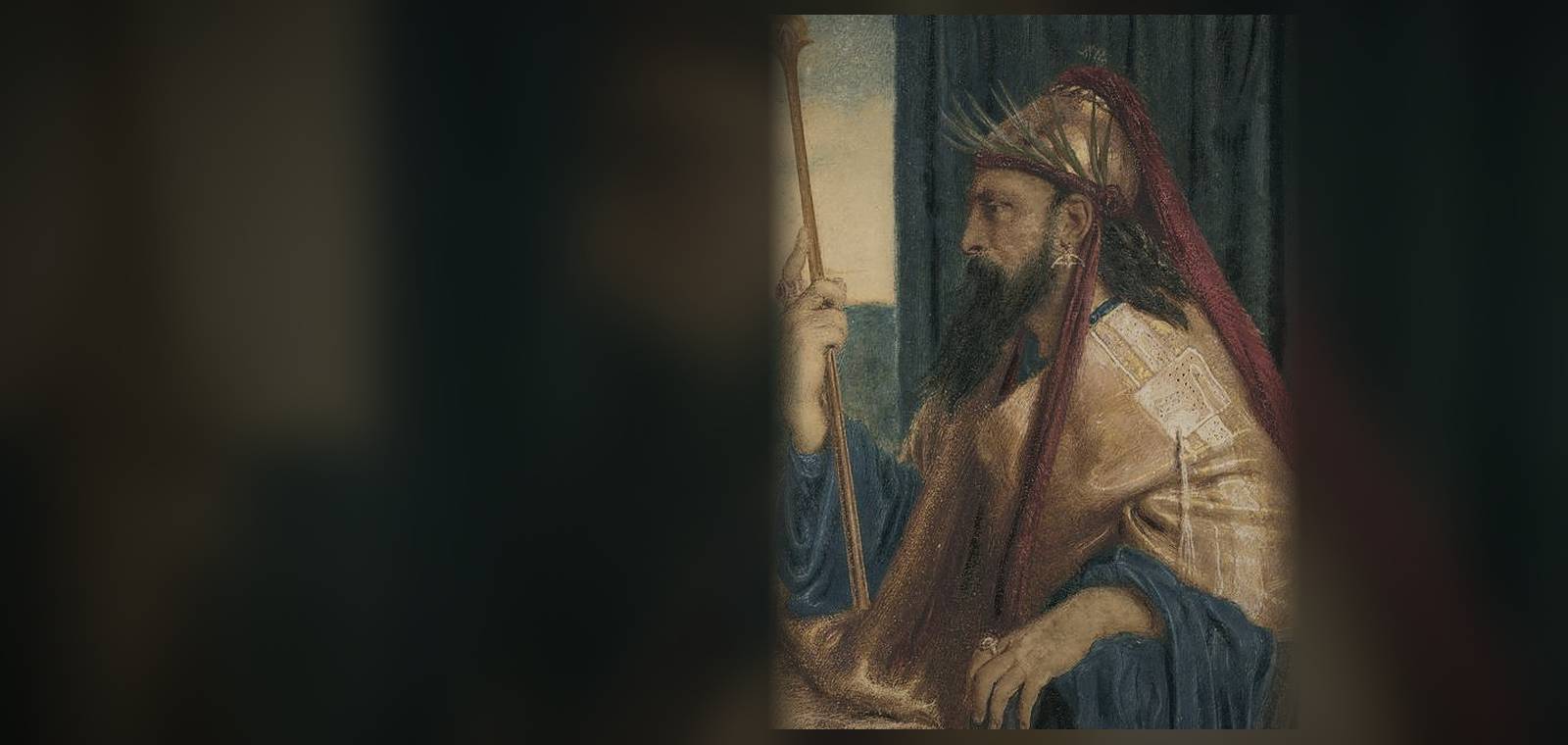
What is Solomon known for?
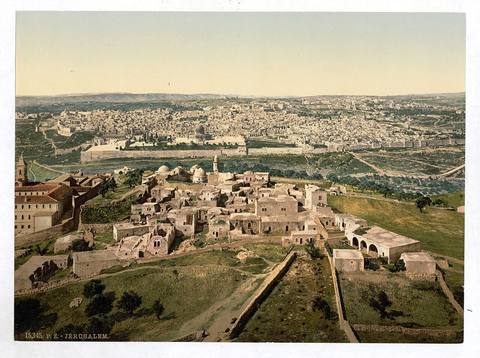
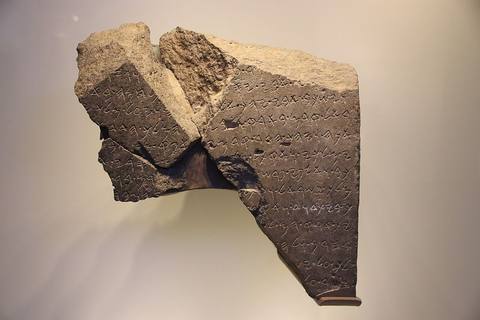
According to 1 Kings, Solomon succeeds his father David, becomes famous for his wisdom and wealth, and builds the First Temple in Jerusalem, with two great olive-wood cherubim in its inner room. The Queen of Sheba visits to test him with hard questions. Many scholars accept that a historical Solomon probably reigned in the 10th century BCE, but consider the Bible's picture of his empire's splendor an exaggeration; no remains of his temple or palace have been securely identified.
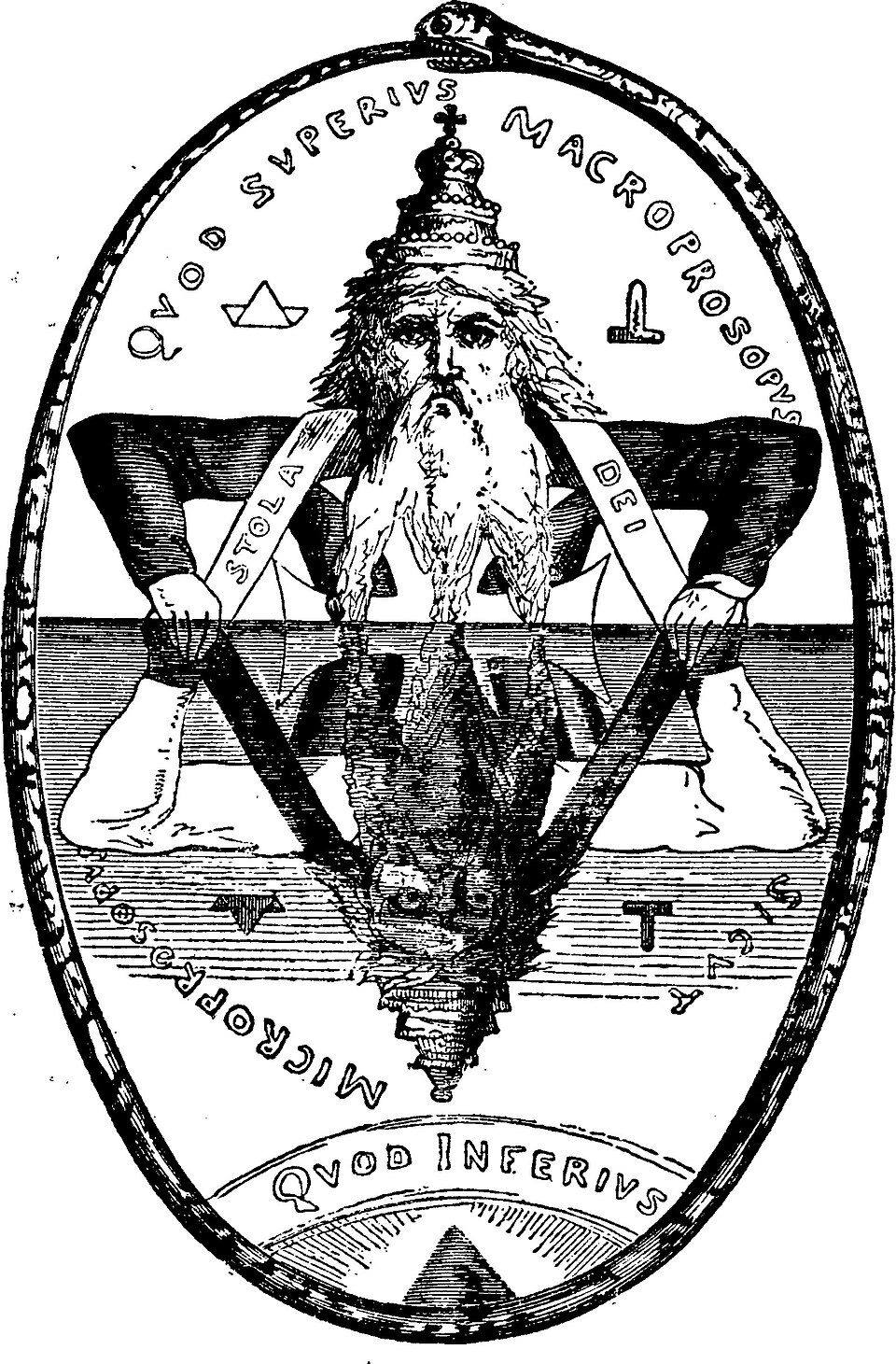
Solomon became the great magician of later tradition. In the Testament of Solomon, a Greek text from the early centuries CE, he receives a ring from heaven, binds demons, makes each confess which angel can defeat it, and sets them to work on the Temple. The Seal of Solomon, drawn as a pentagram or hexagram, became a standard magical sign.
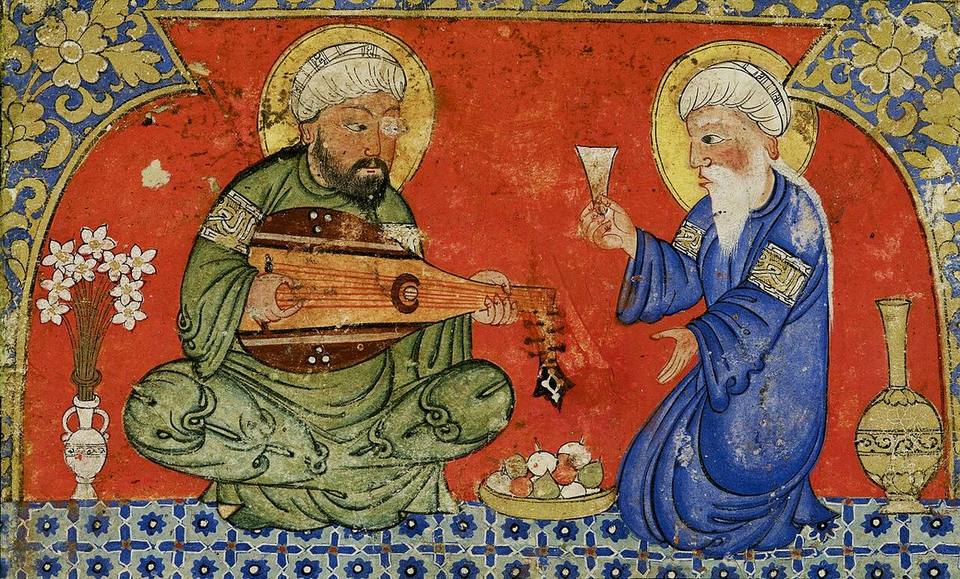
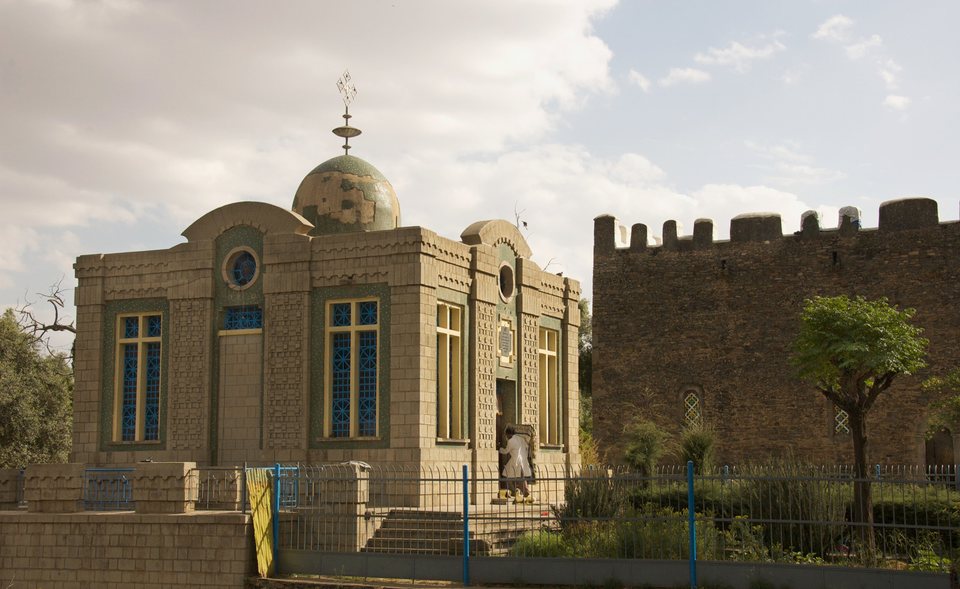
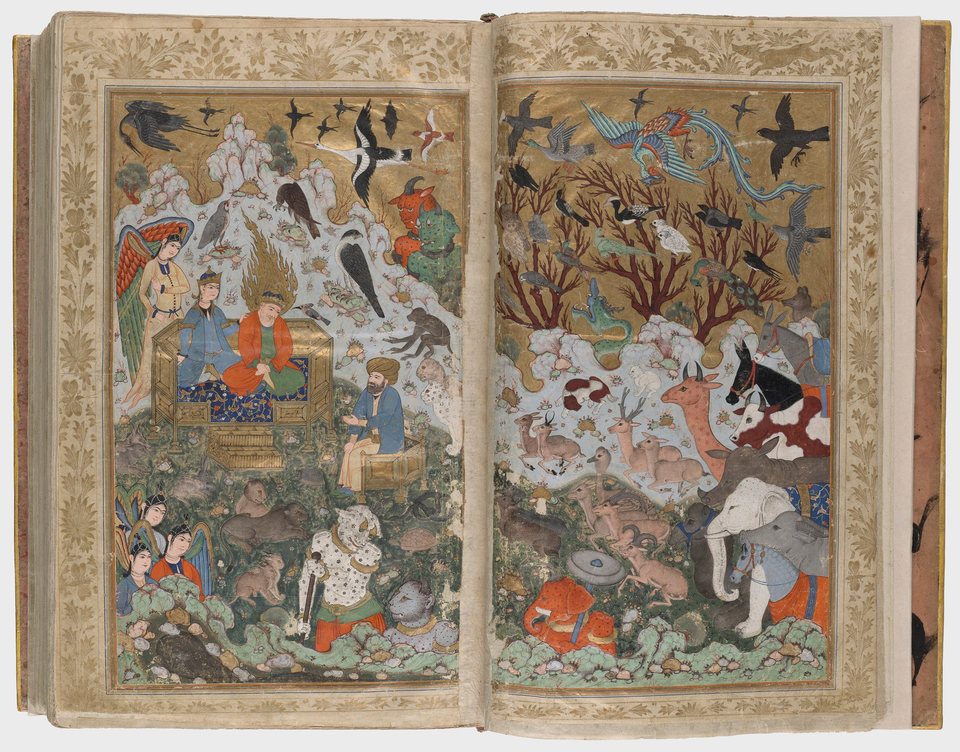
The Quran calls him Sulayman and says the wind and jinn served him (Surah 34). In Surah 27, a man with knowledge of the Book brings the Queen of Sheba's throne to him in the blink of an eye. Ethiopia's Kebra Nagast makes him the father of Menelik I.
Titles and honors
The same story, told elsewhere
Shared story · Beginnings
Beings Who Taught Humanity the Arts
Fallen angels taught metalwork and makeup, a fish-man from the sea taught writing and law, Prometheus gave fire and numbers, and Thoth invented letters. Many cultures say civilization was a gift from outside.
Quran, Surah al-Baqarah (Harut and Marut) is one telling. The same story is told 6 more times, in 4 parts of the world. Follow it:
- GreekAthens · c. 460-430 BCE · Ancient text
- Greek, about EgyptAthens, telling an Egyptian story · c. 370 BCE · Ancient text
- ChineseChina · c. 4th to 3rd century BCE · Ancient text
- Jewish apocalyptic (Second Temple)Judea · c. 300-200 BCE · Ancient text
- Babylonian, retold in GreekBabylon · c. 280 BCE · Ancient text
- Jewish (Second Temple)Judea · c. 160-150 BCE · Ancient text
- IslamArabia · 7th century CE · Medieval textTied to this page
The open question: Did people credit outsiders for their own inventions, or is there a reason so many say they were taught? Join the debate
Mentioned on these pages
- FileAsif ibn Barkhiya (the throne carried in a blink)
- FileBaalbek and its giant stones
- FileCherubim
- FileJinn
- FileKebra Nagast
- FileSeal of Solomon (Solomon's ring)
- FileTestament of Solomon
- PassageSolomon's flying wagon (Kebra Nagast, chapters on the Ark's journey)
- PassageSolomon's ring and the demons who build (Testament of Solomon 1–26)
- PassageSolomon's wind and his jinn workforce (Surah 34:12–14)
- PassageThe throne moved in the blink of an eye (Surah 27:38–44)
- PersonEdward Ullendorff
- PersonEleazar the exorcist
- PersonF. C. Conybeare
- PersonFlavius Josephus
- PersonHaile Selassie I
- PersonIbn Abbas
- PersonIbn Kathir
- PersonIsaac of Aksum (Yeshaq)
- PersonMenelik I
- PersonNebuchadnezzar II
- PersonQueen of Sheba (Makeda)
- PersonVespasian
- PlaceAksum
- PlaceJerusalem
Linked people and places
Where this comes from
Comes from 1 Kings 6–10 (KJV), Bible Gateway. The Books of Kings (1 and 2 Kings): Two books of the Bible running from King Solomon to the fall of Jerusalem to Babylon in the 580s BC, with stories of the prophets Elijah and Elisha. Scholars think they were finished around the 500s BC, using older royal records.
What this means
A real person with records. Sources are listed below.
For Solomon, the original record exists and is linked: 1 Kings 6–10 (KJV), Bible Gateway. That tells you the record is real and what it says. It does not mean every claim in it is true.
Primary records exist: an original document, a published text, an official file or a dated report. We link to them. This level says the record exists and what it says, not that every claim in it is true.
Sources
- The Books of Kings (1 and 2 Kings)Two books of the Bible running from King Solomon to the fall of Jerusalem to Babylon in the 580s BC, with stories of the prophets Elijah and Elisha. Scholars think they were finished around the 500s BC, using older royal records.1 Kings 6–10 (KJV), Bible Gateway Online copyPrimary text
- The QuranThe holy book of Islam, which Muslims believe God revealed to the Prophet Muhammad from about AD 610 to 632. Its chapters are called surahs. Marmaduke Pickthall's 1930 English version is quoted here; Muslims hold that only the Arabic original is the Quran itself.Quran 27:38–40, quran.com Online copyPrimary text Archived copy, 2026-10-03
- WikipediaA free online encyclopedia written and edited by volunteers. It is a good starting point and usually lists its own sources, but anyone can change it, so we treat it as a guide to better sources, not the final word.Wikipedia, 'Solomon'Reference Archived copy, 2026-10-02