












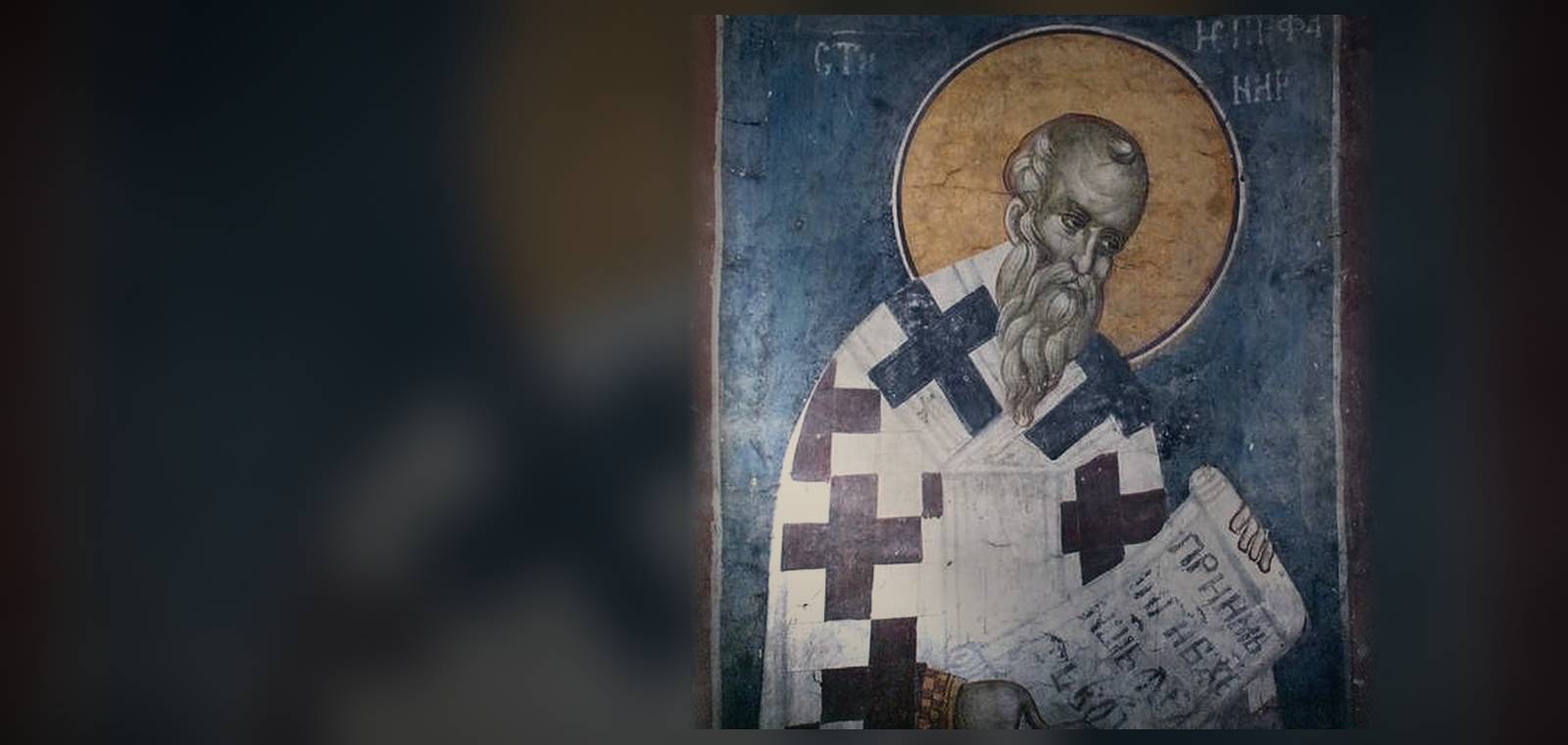
What is Epiphanius of Salamis known for?
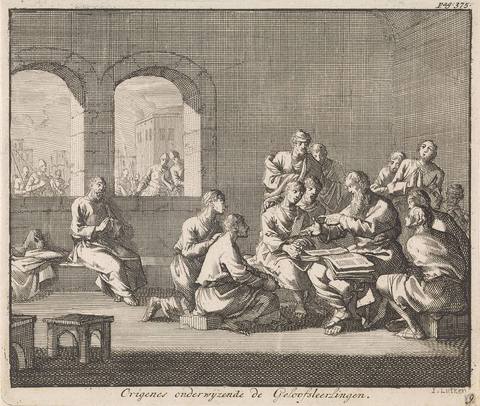
Epiphanius was born around 315 near Eleutheropolis in Palestine, became a monk, and in 367 was made bishop of Salamis, then called Constantia, on Cyprus. He held the post until his death at sea in 403. He was a fierce opponent of Origen's ideas and of anything he considered heresy.
His Panarion, or 'Medicine Chest,' written between 374 and 377, describes 80 heresies with a remedy for each and ends with a statement of orthodox doctrine. It is hostile and sometimes unreliable, but it preserves information about many groups and texts that would otherwise be lost.
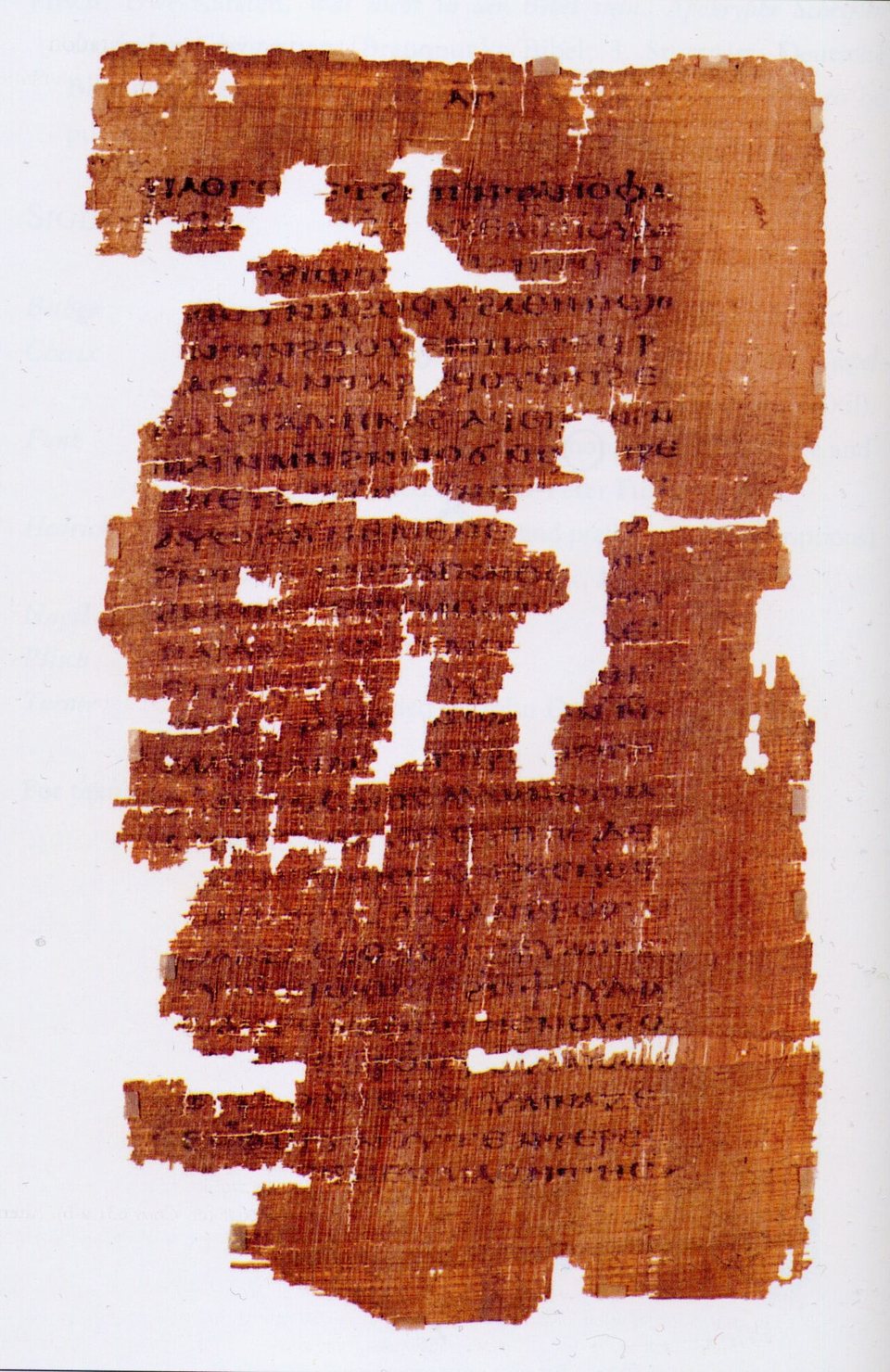
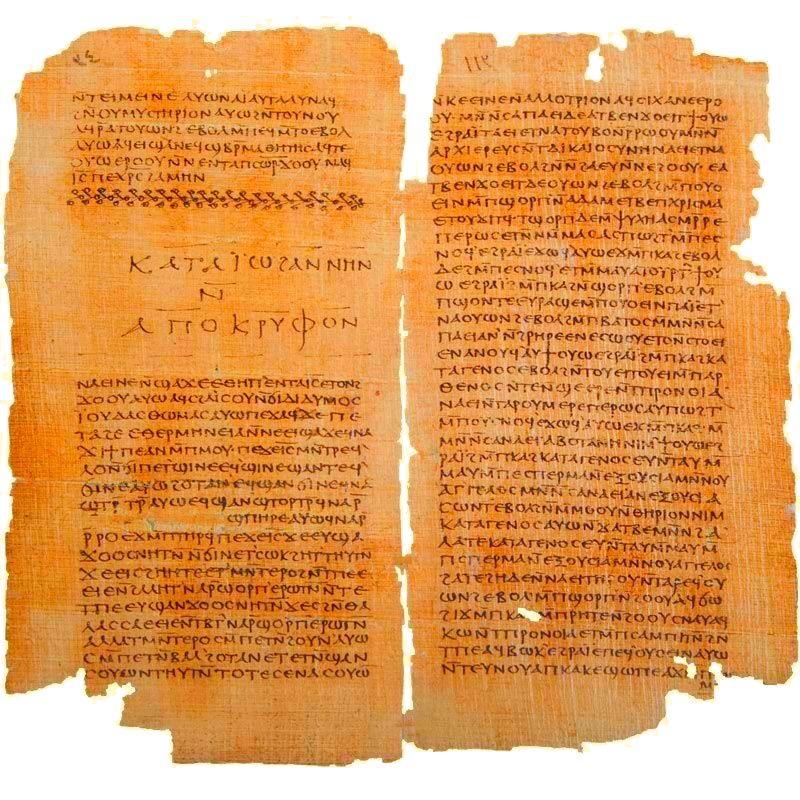
In his chapter on a Gnostic group he calls the Nicolaitans and related sects, he reports that they told of Norea, whom they made Noah's wife, and who set fire to the ark more than once because she was not allowed to board. Norea also appears in Nag Hammadi texts, such as the Hypostasis of the Archons, where she resists the archons.
Titles and honors
- Titles
- Saint (Catholic, Orthodox, Oriental Orthodox)
- Offices held
- Bishop of Salamis, Cyprus 365/367-403
Mentioned on these pages
- FileNorea
Linked people and places
Where this comes from
Comes from Encyclopaedia Britannica, 'Saint Epiphanius of Constantia'. An encyclopedia first published in Scotland in 1768 and now online. Its articles are written and checked by named experts and editors, which makes it a reliable source for basic facts.
What this means
A real person with records. Sources are listed below.
For Epiphanius of Salamis, the original record exists and is linked: Encyclopaedia Britannica, 'Saint Epiphanius of Constantia'. That tells you the record is real and what it says. It does not mean every claim in it is true.
Primary records exist: an original document, a published text, an official file or a dated report. We link to them. This level says the record exists and what it says, not that every claim in it is true.
Sources
- Encyclopaedia BritannicaAn encyclopedia first published in Scotland in 1768 and now online. Its articles are written and checked by named experts and editors, which makes it a reliable source for basic facts.Encyclopaedia Britannica, 'Saint Epiphanius of Constantia'Reference
- WikipediaA free online encyclopedia written and edited by volunteers. It is a good starting point and usually lists its own sources, but anyone can change it, so we treat it as a guide to better sources, not the final word.Wikipedia, 'Epiphanius of Salamis'Reference Archived copy, 2026-08-20