Credible Theories Sign in

The record

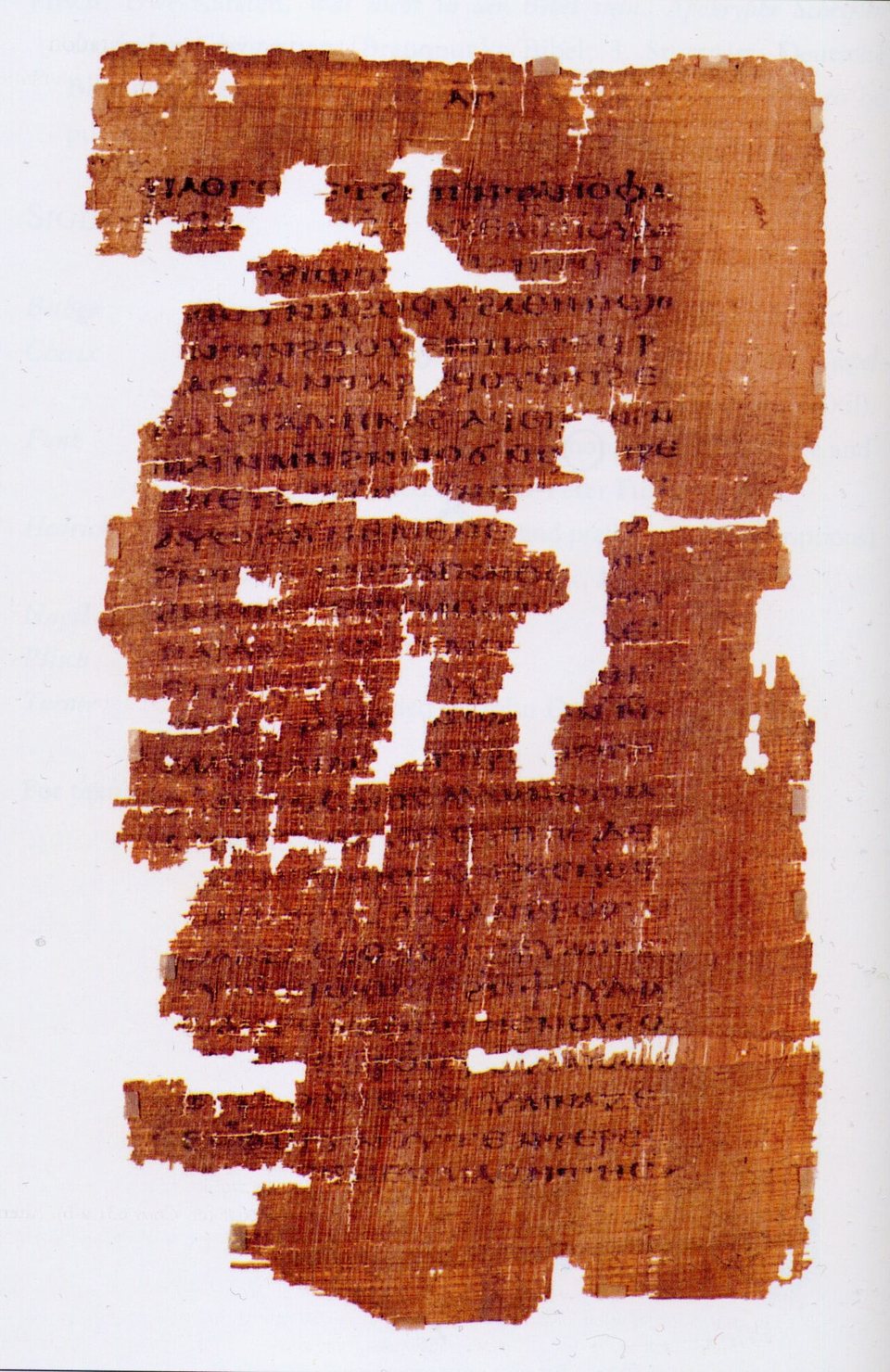
Norea is a figure found in several Gnostic writings but not in the Bible. In the Hypostasis of the Archons, one of the texts found at Nag Hammadi, she is the daughter of Adam and Eve and the younger sister of Seth, born as a virgin whom the rulers had not defiled and a helper for humanity.

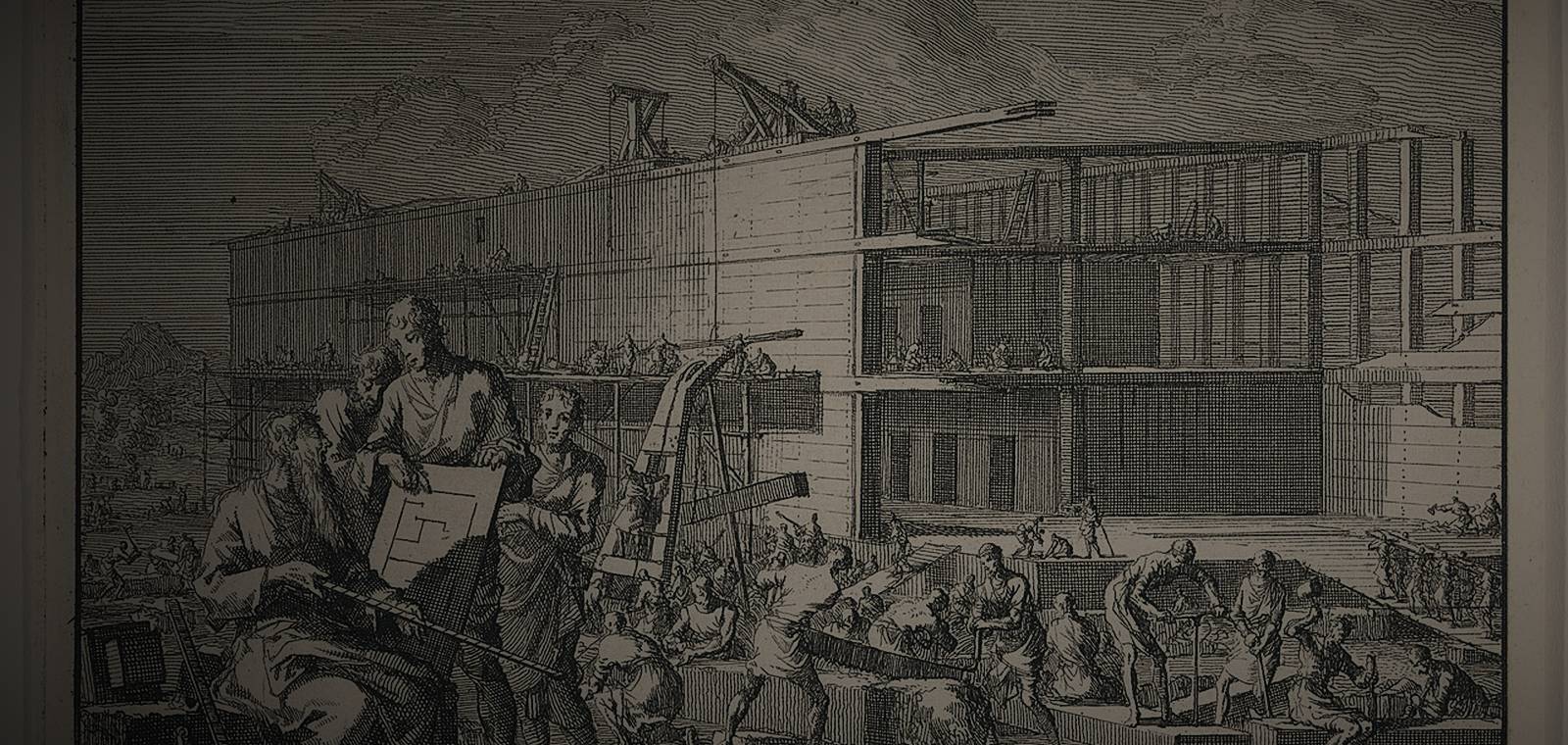
When the rulers decide to destroy humanity with a flood, their chief tells Noah to build an ark. Norea comes to board it and is refused. She blows on the ark and sets it on fire, and Noah has to build it again. The rulers then try to seize her, but she calls out to the God of the All for help. The great angel Eleleth, one of the four luminaries who stand before the Great Spirit, descends, frightens the rulers away and teaches her about her origins and theirs.

Her family changes from one source to the next. In the Hypostasis of the Archons (Nag Hammadi Codex II, tractate 4) she is the daughter of Adam and Eve and Seth's sister. In the Panarion (section 26.1), the church father Epiphanius reports a Gnostic group that made her Noah's wife and said she burned the ark more than once. In the Mandaean books she appears as Nuraita, also Noah's wife. The Thought of Norea (Nag Hammadi Codex IX, tractate 2) gives her no family at all and presents her as a saved soul calling to the Father. The Bible never names her. In a Jewish commentary, Genesis Rabbah 23.3, one rabbi says Noah's wife was Naamah, the sister of Tubal-cain (other rabbis there disagree), and scholars such as Birger Pearson think Norea grew out of that Naamah tradition and see her as a female counterpart to Seth. No ancient source makes her Noah's sister-in-law.

For modern readers she stands out as a woman who refused the reset: she saw the flood as a scheme of flawed rulers, rejected their rescue plan and was protected by a higher power. Her story reads Genesis against the grain. It turns the heroes and villains of the familiar story upside down, which is exactly what its authors intended.
Questions people ask about Norea

Where can I read the Hypostasis of the Archons?

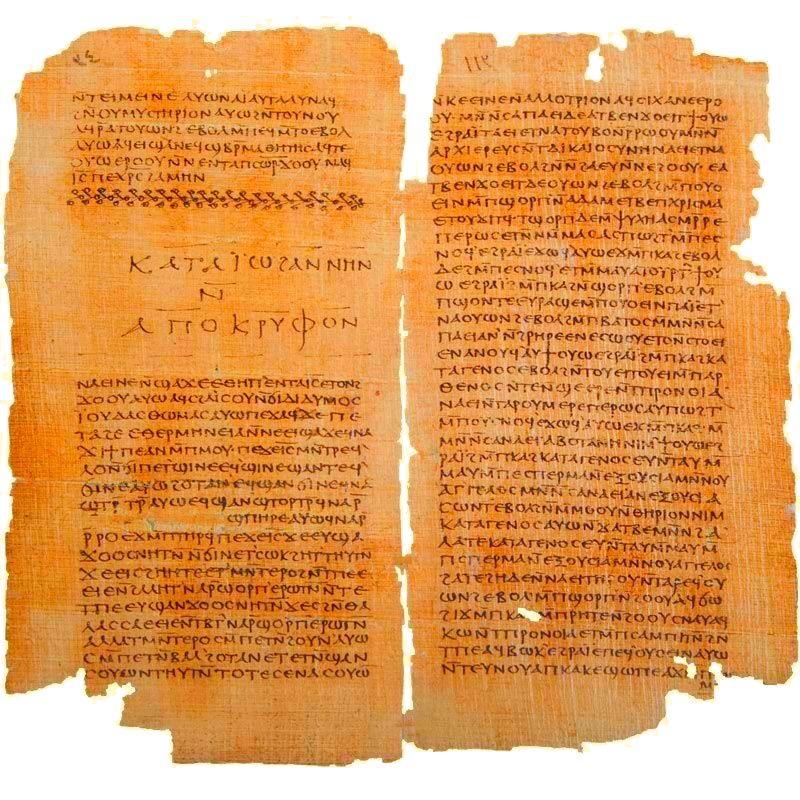
It is the fourth text in Codex II of the Nag Hammadi library, the same book that holds the Gospel of Thomas. Bentley Layton's English translation, made for the 1977 Nag Hammadi Library in English, is free online at gnosis.org. The Thought of Norea is a much shorter text, only a few dozen lines, found in Codex IX.

Where does the name Norea come from?

No one knows for certain. The church writer Epiphanius said one Gnostic group linked her with Pyrrha, the wife of Deucalion in the Greek flood myth, and he suggested the name might come from a Syriac word for fire. Sethian Gnostics called Seth's wife Horaia, which scholars think is another form of the same name.

Who is Norea in Mandaean tradition?

The Mandaeans, a small Gnostic religion of Iraq and Iran that honors John the Baptist, keep their own version. In their books she appears as the wife of Noah or of his son Shem, depending on the text. Scholar Roel van den Broek sees Norea in Gnostic writings as both a savior figure and a model for the saved believer.

The open question

Still strange: Norea destroys Noah's ark simply by breathing on it, forcing him to rebuild.

Archons: The Gnostic Rulers Who Built the Human Body →
  1. Step 1 of 4 · This fileNorea
  2. Step 2 of 4 · The passageNorea burns the Ark, Hypostasis of the Archons (Nag Hammadi Codex II)
  3. Step 3 of 4 · Next fileArchons: The Gnostic Rulers Who Built the Human Body
  4. Step 4 of 4 · Next fileYaldabaoth: The Gnostic Creator Who Thought He Was the Only God
About these videos

Found by a YouTube search for this topic, not checked by us. The player loads from YouTube only when you press play.

Where it turns up

Where this comes from

EvidenceMyth or legend

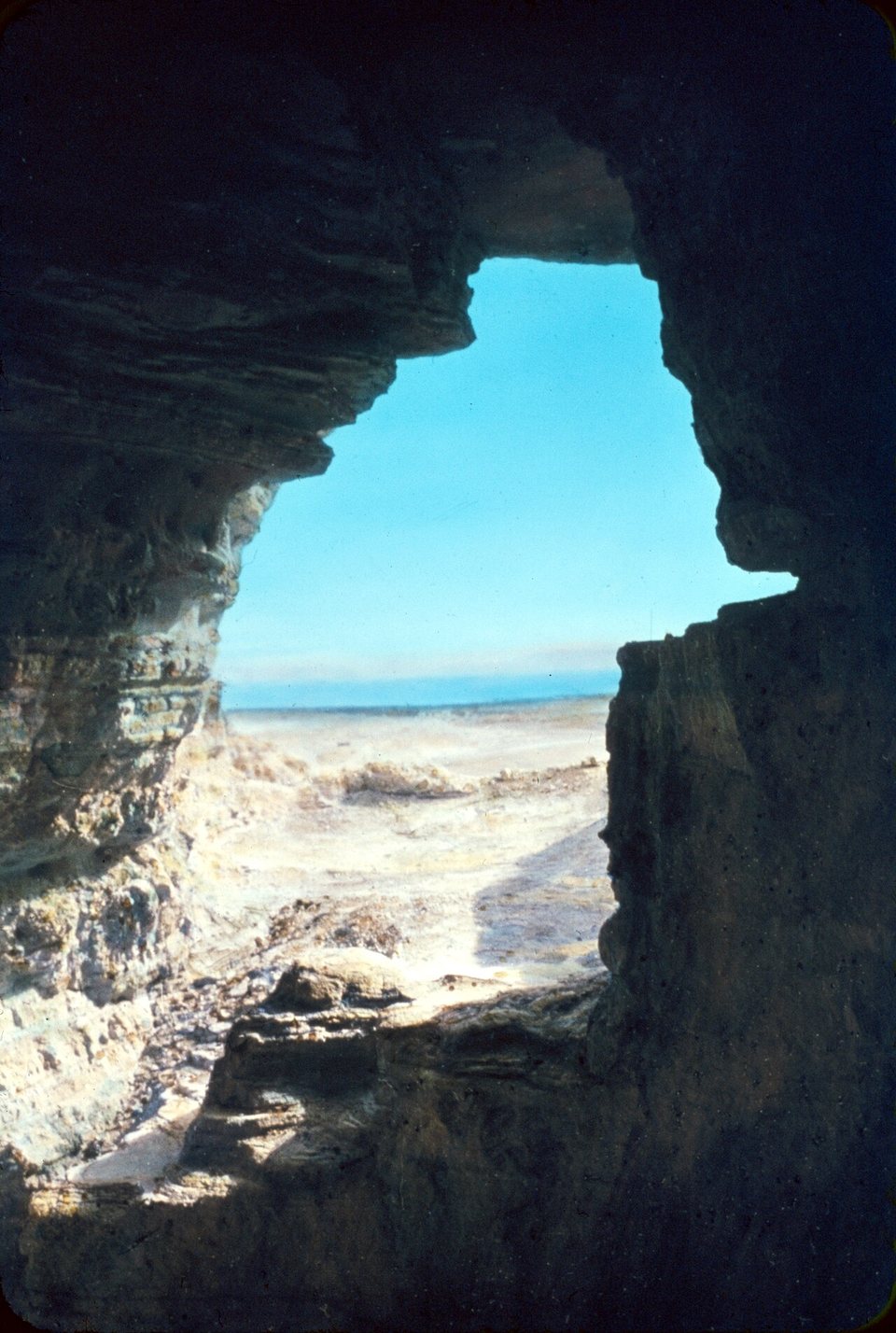
Comes from Hypostasis of the Archons (Nag Hammadi Codex II,4), trans. Bentley Layton. The Reality of the Rulers (Hypostasis of the Archons): A Gnostic text, from groups who taught that secret knowledge saves, that retells Genesis with evil 'rulers' who made the world. It was probably written in the AD 200s and survives only in a Coptic copy found near Nag Hammadi, Egypt, in 1945.

What this means

A story or tradition. It is documented as a story; nothing independent shows it happened.

Norea is known from stories, scripture or tradition. The texts are real and we quote them (for example Hypostasis of the Archons (Nag Hammadi Codex II,4), trans. Bentley Layton), but nothing outside those texts shows that Norea was real as described.

The page covers something known from myths, scripture or tradition. The texts are real and we quote them, but no independent record shows the events or beings were real.

See all five labels

Sources

  1. The Reality of the Rulers (Hypostasis of the Archons)A Gnostic text, from groups who taught that secret knowledge saves, that retells Genesis with evil 'rulers' who made the world. It was probably written in the AD 200s and survives only in a Coptic copy found near Nag Hammadi, Egypt, in 1945.Hypostasis of the Archons (Nag Hammadi Codex II,4), trans. Bentley LaytonPrimary text Archived copy, 2026-09-27
  2. The Panarion, by EpiphaniusA book by Epiphanius, bishop of Salamis on Cyprus, written about AD 374 to 378, describing 80 religious groups he considered false. Its name means 'medicine chest'. It keeps details about groups whose own books are lost.Epiphanius, Panarion 26.1Primary text
  3. SefariaA nonprofit free online library of Jewish texts, such as the Bible and the Talmud, in Hebrew and Aramaic with English translations.Genesis Rabbah 23.3 (Sefaria English translation)Primary text
  4. WikipediaA free online encyclopedia written and edited by volunteers. It is a good starting point and usually lists its own sources, but anyone can change it, so we treat it as a guide to better sources, not the final word.Wikipedia, "Thought of Norea"Reference
  5. WikipediaWikipedia, "Nuraita" (Noah's wife in Mandaeism)Reference
  6. WikipediaWikipedia, "Norea"Reference Archived copy, 2026-09-23
  7. WikipediaWikipedia, "Hypostasis of the Archons"Reference Archived copy, 2026-09-23

Quotations come from public-domain translations. A book in our Library links to its Library page; other links open the free online copy or the reference page.

Updated

Credible or not?

Tap one to see how other readers voted.

Discussion