












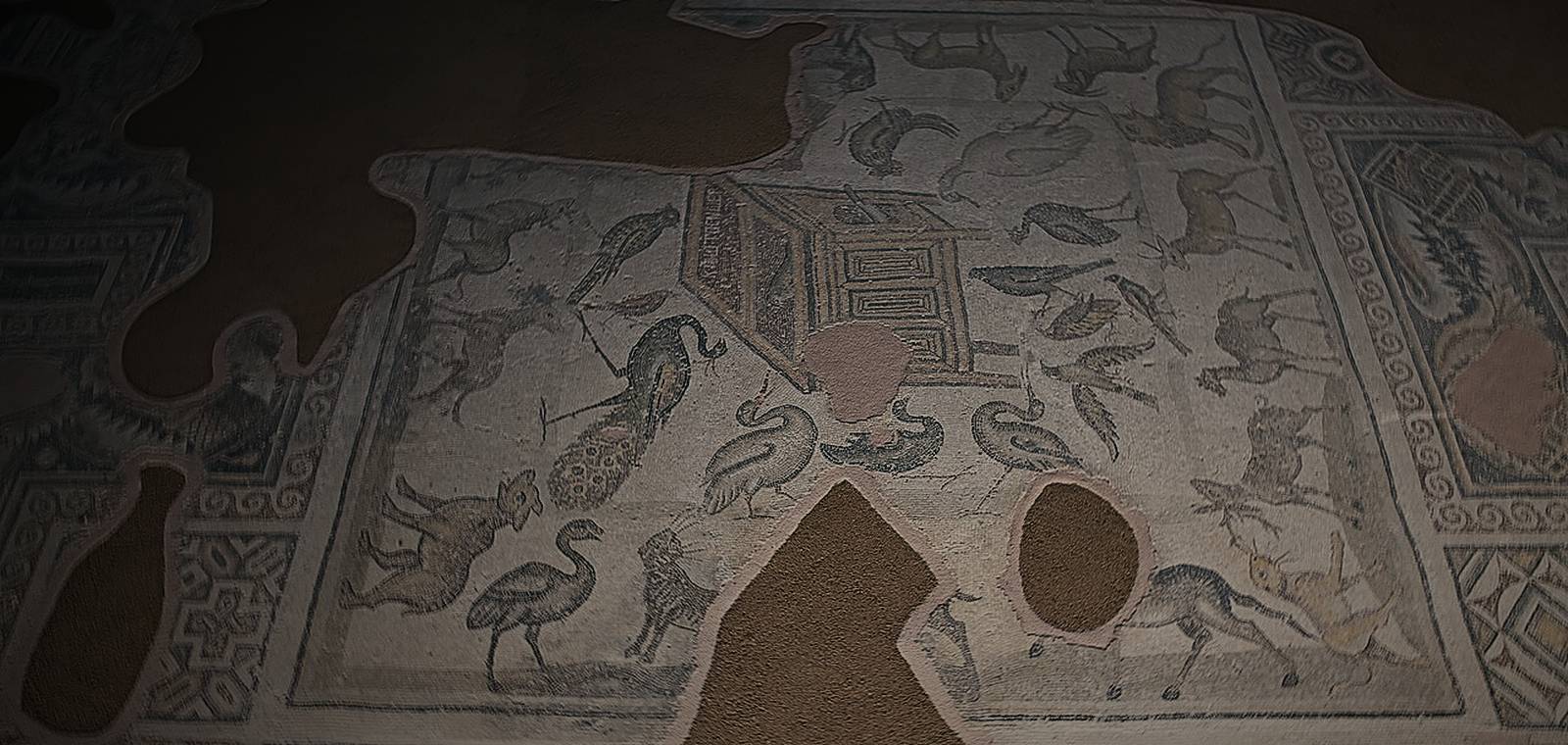
What is Noah known for?
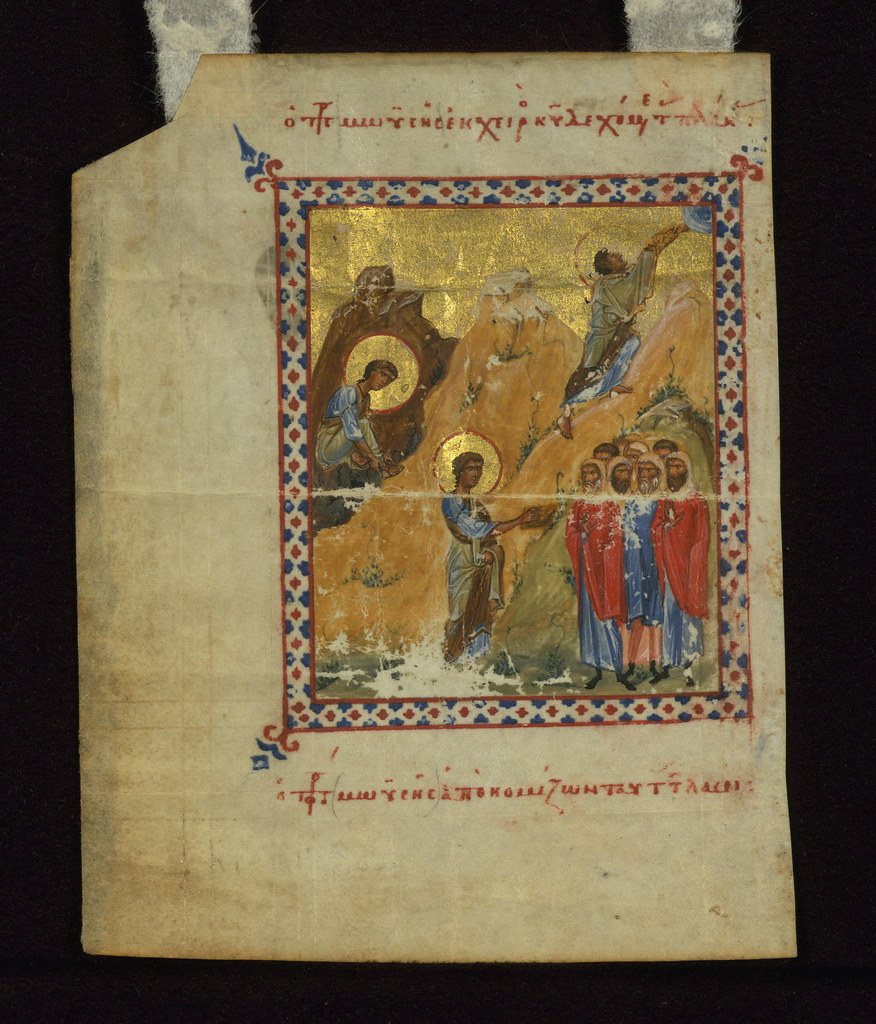
Noah is the tenth patriarch from Adam. In Genesis 6–9 God decides to destroy the corrupted earth with a flood and tells Noah to build an ark for his family and pairs of animals. After the waters recede, God makes a covenant never again to flood the earth, with the rainbow as its sign. Noah then plants a vineyard, and Genesis says he lived 950 years. His sons Shem, Ham and Japheth become the ancestors of the nations listed in Genesis 10.
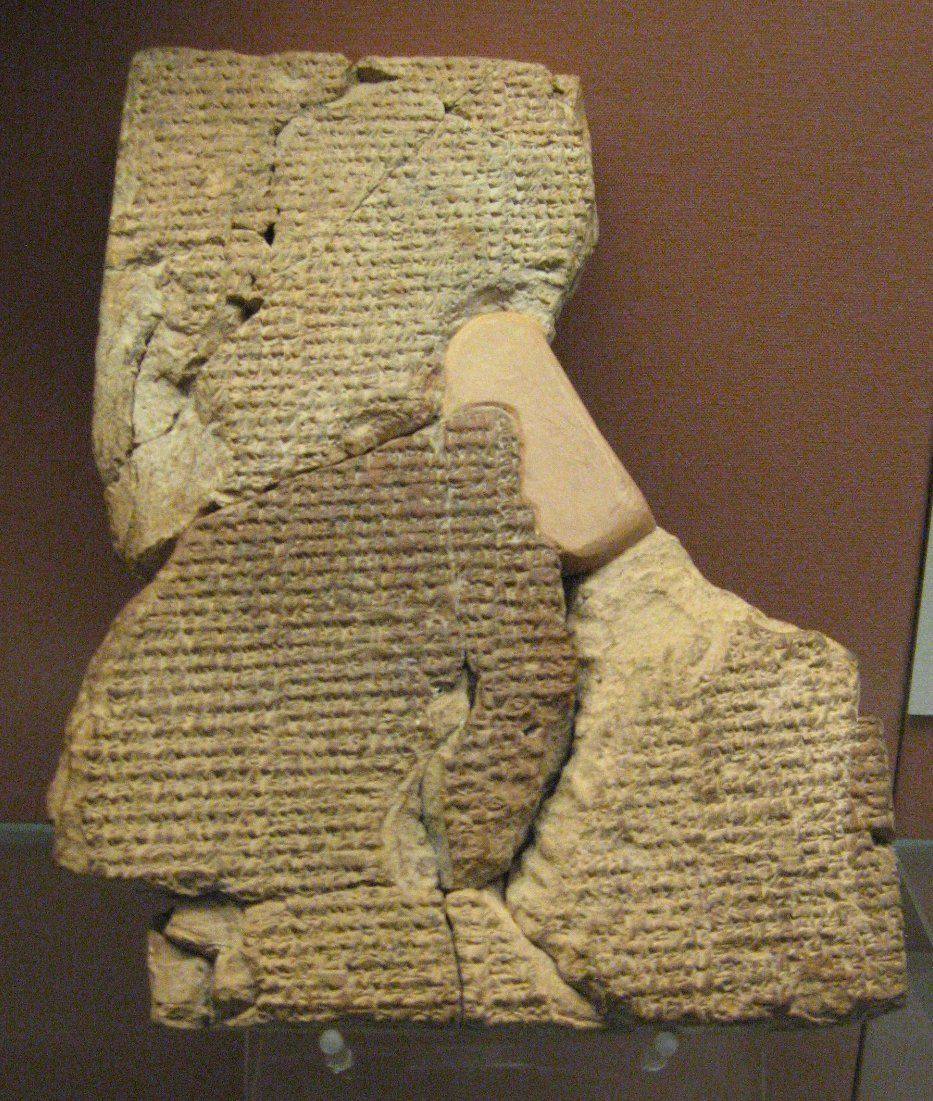
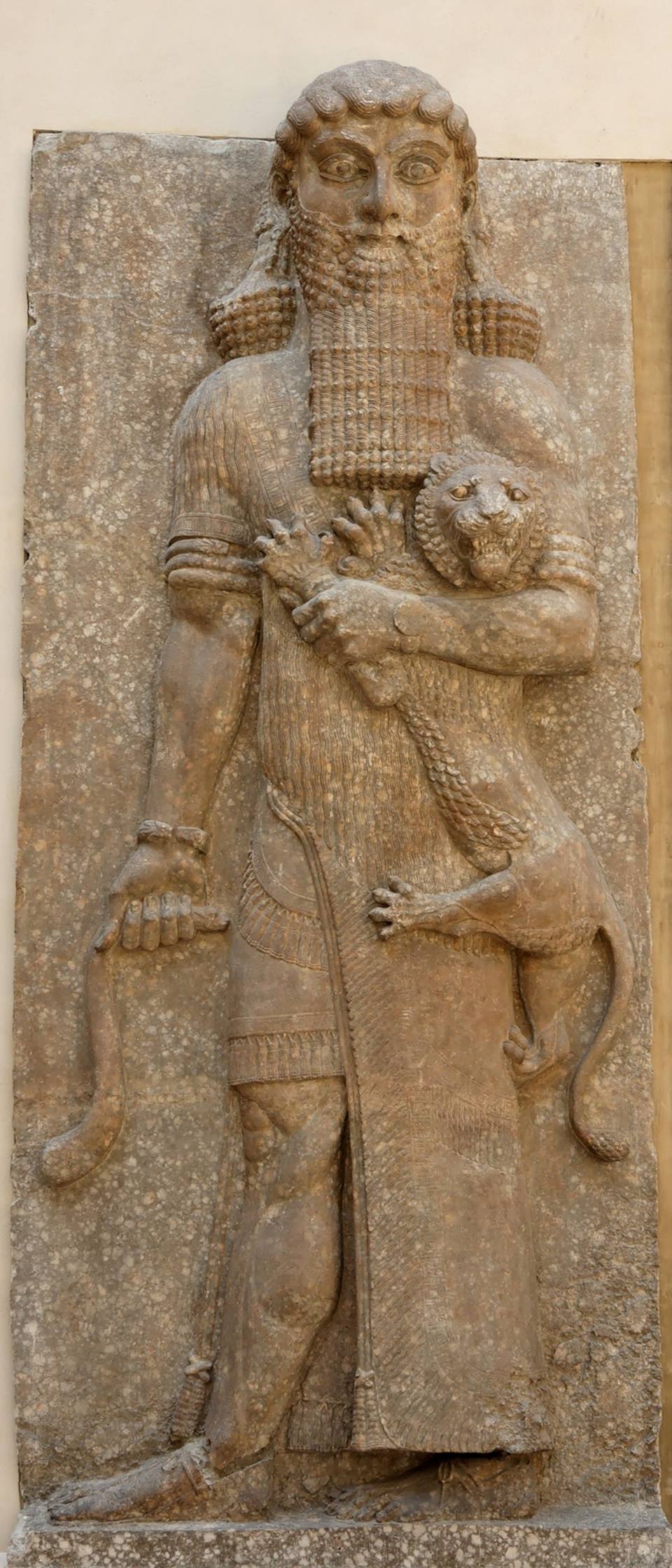
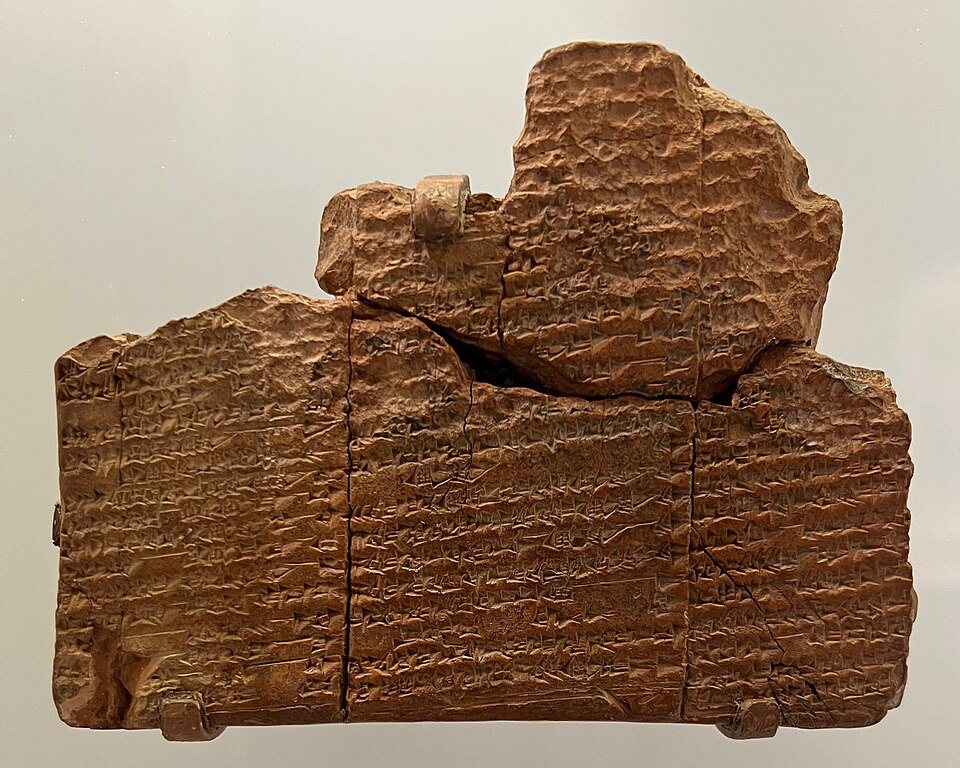
Scholars have long noted that the story closely follows older Mesopotamian accounts: Utnapishtim in the Epic of Gilgamesh, Atrahasis, and the Sumerian Ziusudra. Most conclude the biblical version drew on that shared tradition.
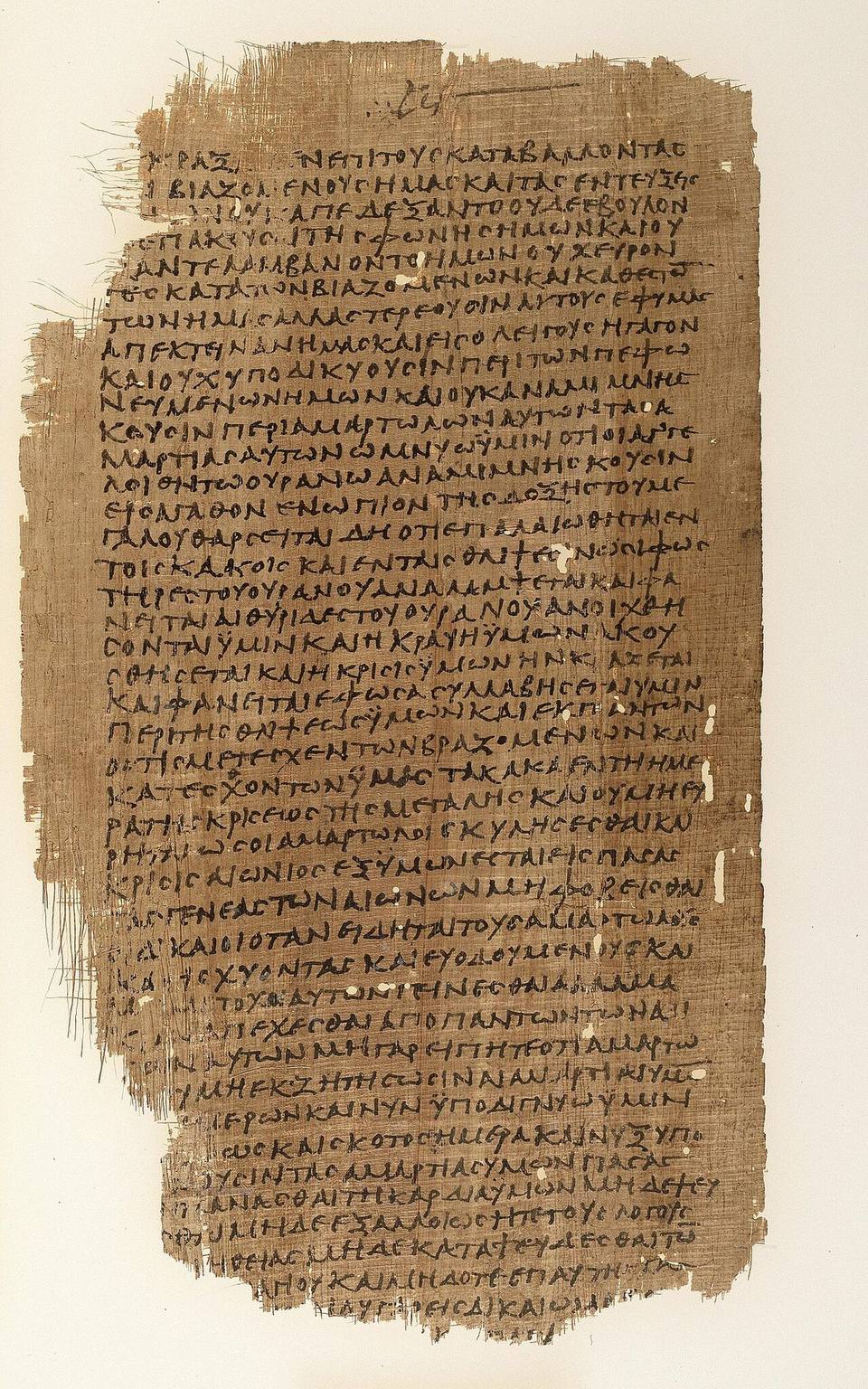
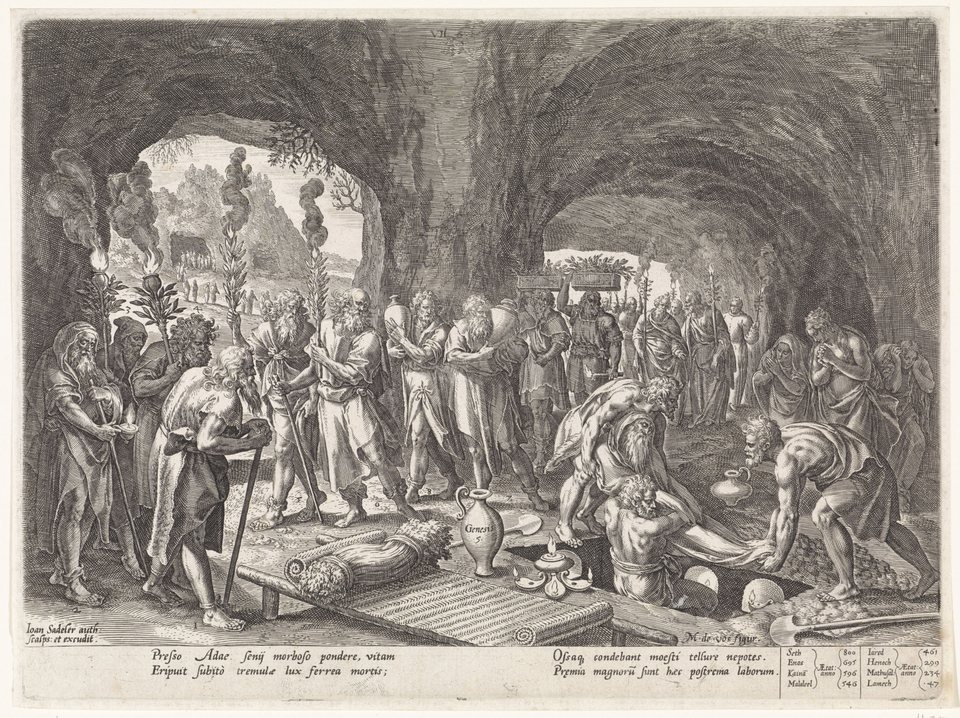
Later texts added much. 1 Enoch and the Genesis Apocryphon describe his strange, shining birth. Jubilees says an angel taught him the healing uses of plants against demons, which he wrote in a book for Shem. The Cave of Treasures has him carry Adam's body in the ark. Islam honors him as the prophet Nuh.
Titles and honors
- Titles
- Prophet, in Islam
- Last of the Antediluvian patriarchs, in Abrahamic religions
- Trustworthy Messenger of God, in Islam (Quran 26:107)
The same story, told elsewhere
Shared story · Floods and lost lands
Flood Stories Around the World
A god warns one good man, a boat is built, the world drowns and birds are sent out to find land. The same story turns up from Iraq to India to Greece, with cousins in China, Scandinavia and Guatemala.
Genesis 6 to 9 (Noah) and Quran, Surah Hud (Noah) are two tellings. The same story is told 8 more times, in 6 parts of the world. Follow it:
- Vedic IndiaNorthern India · c. 800-600 BCE · Ancient text
- Babylonian (Akkadian)Mesopotamia · 7th century BCE · Ancient text
- Hebrew BibleJudah / Babylon · c. 600-400 BCE · Ancient textTied to this page
- ChineseYellow River valley, China · 1st millennium BCE · Ancient text
- Zoroastrian (Persian)Iran / Central Asia · 1st millennium BCE · Ancient text
- Babylonian, retold in GreekBabylon · c. 280 BCE · Ancient text
- GreekGreece · 1st or 2nd century CE · Ancient text
- IslamArabia · 7th century CE · Medieval textTied to this page
- NorseIceland · c. 1220 CE · Medieval text
- K'iche' MayaHighland Guatemala · c. 1554-1558 · Retold in English
The open question: One real flood remembered by many peoples, or many different floods that each people told in its own way? Join the debate
Shared story · Beginnings
Giants and the Races Before Us
Genesis has the Nephilim, Greece has the Giants, the North has the frost giants, Arabia has the tall people of 'Ad and the Maya have Zipacna, who piled up mountains. Why does almost everyone remember giants?
Genesis 6 is one telling. The same story is told 7 more times, in 4 parts of the world. Follow it:
- Hebrew BibleCanaan · c. 700-400 BCE · Ancient text
- GreekBoeotia, Greece · c. 700 BCE · Ancient text
- Hebrew BibleJudah · c. 600-400 BCE · Ancient textTied to this page
- Jewish apocalyptic (Second Temple)Judea · c. 300-200 BCE · Ancient text
- GreekGreece · 1st or 2nd century CE · Ancient text
- IslamSouthern Arabia · 7th century CE · Medieval text
- NorseIceland · c. 1220 CE · Medieval text
- K'iche' MayaHighland Guatemala · c. 1554-1558 · Retold in English
The open question: Real bones dug up and explained, a memory of older peoples, or something else that made giants a story almost everywhere? Join the debate
Mentioned on these pages
- File1 Enoch
- File2 Enoch (Secrets of Enoch)
- FileBook of Jasher
- FileBook of Jubilees
- FileCave of Treasures
- FileGenesis Apocryphon
- FileGog and Magog
- FileIdris
- FileKainam (Cainan)
- FileLamech and Bitenosh
- FileLebor Gabála Érenn (Book of Invasions)
- FileManu and Matsya (the fish)
- FileMastema
- FileMethuselah
- FileNorea
- FileUriel
- FileUtnapishtim
- FileYima (Jamshid) and the Vara
- FileYmir
- ChapterOne History 8: The reset
- PassageKainam finds the Watchers' inscription (Jubilees 8:1–4)
- PassageMastema keeps a tenth of the spirits (Jubilees 10:1–11)
- PassageNoah's strange birth (1 Enoch 106:1–6)
- PassageNorea burns the Ark (Hypostasis of the Archons)
- PassageYima's underground shelter (Vendidad, Fargard 2)
- PersonAdam
- PersonCessair
- PersonEpiphanius of Salamis
- PersonGeorge Smith
- PersonJames Darmesteter
- PersonJapheth
- PersonLamech (father of Noah)
- PersonMelchizedek
- PersonNahman Avigad
- PersonNemed
- PersonPartholón
- PersonSeth (son of Adam)
- PersonShem
- PersonUbara-Tutu
- PlaceGolgotha
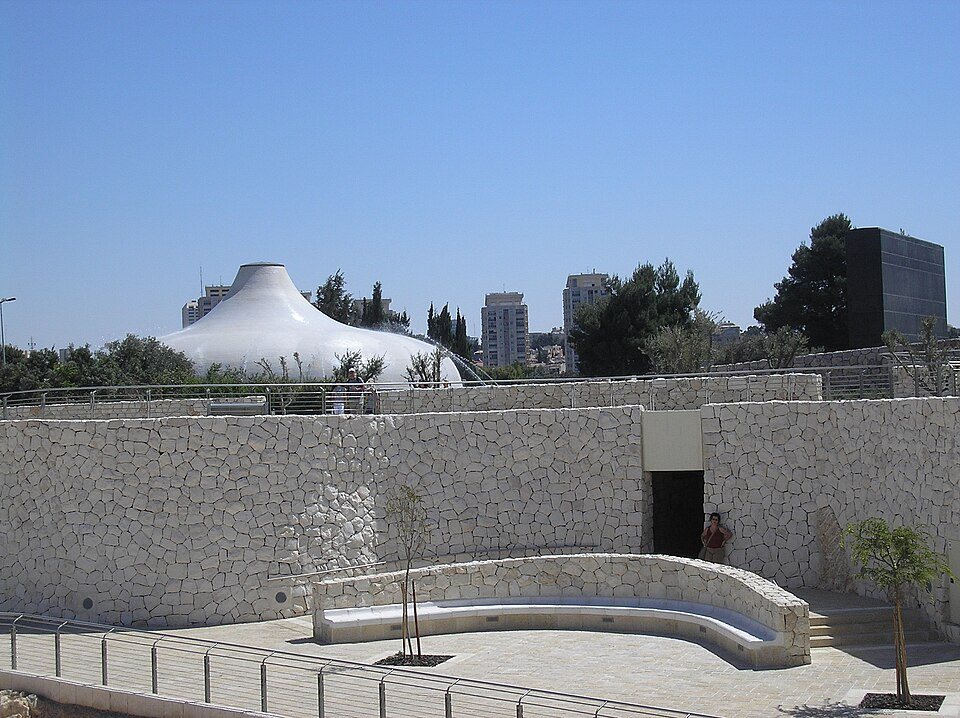
- PlaceIsrael Museum (Shrine of the Book)
- PlaceMount Nimush (Nisir)
Linked people and places
Where this comes from
Comes from Genesis 6–9 (KJV), Bible Gateway. The Book of Genesis: The first book of the Bible, telling of Creation, Adam and Eve, Noah's Flood and the families of Abraham, Isaac and Jacob. Scholars think it was written and edited over several centuries and finished by roughly 500 to 400 BC. The oldest surviving copies are pieces of the Dead Sea Scrolls.
What this means
A story or tradition. It is documented as a story; nothing independent shows it happened.
Noah is known from stories, scripture or tradition. The texts are real and we quote them (for example Genesis 6–9 (KJV), Bible Gateway), but nothing outside those texts shows that Noah was real as described.
The page covers something known from myths, scripture or tradition. The texts are real and we quote them, but no independent record shows the events or beings were real.
Sources
- The Book of GenesisThe first book of the Bible, telling of Creation, Adam and Eve, Noah's Flood and the families of Abraham, Isaac and Jacob. Scholars think it was written and edited over several centuries and finished by roughly 500 to 400 BC. The oldest surviving copies are pieces of the Dead Sea Scrolls.Genesis 6–9 (KJV), Bible Gateway Online copyPrimary text Archived copy, 2026-10-03
- The Jewish Encyclopedia (1901 to 1906)A 12-volume encyclopedia of Jewish history, religion and writings by leading scholars, published in New York from 1901 to 1906. It is still respected, but it is over 100 years old, so it misses later finds such as the Dead Sea Scrolls.Jewish Encyclopedia (1906), 'Noah'Reference Archived copy, 2026-07-10
- WikipediaA free online encyclopedia written and edited by volunteers. It is a good starting point and usually lists its own sources, but anyone can change it, so we treat it as a guide to better sources, not the final word.Wikipedia, 'Noah'Reference Archived copy, 2026-09-30
No public-domain picture of this person yet. We do not show drawn or generated likenesses.