The record
For in his days the angels of the Lord descended on the earth, those who are named the Watchers, that they should instruct the children of men, and that they should do judgment and uprightness on the earth.
Jubilees 4:15; 5:1 · Enoch, Jubilees and others
Translation: R. H. Charles, The Book of Jubilees (1902; SPCK 1917) · Public domain
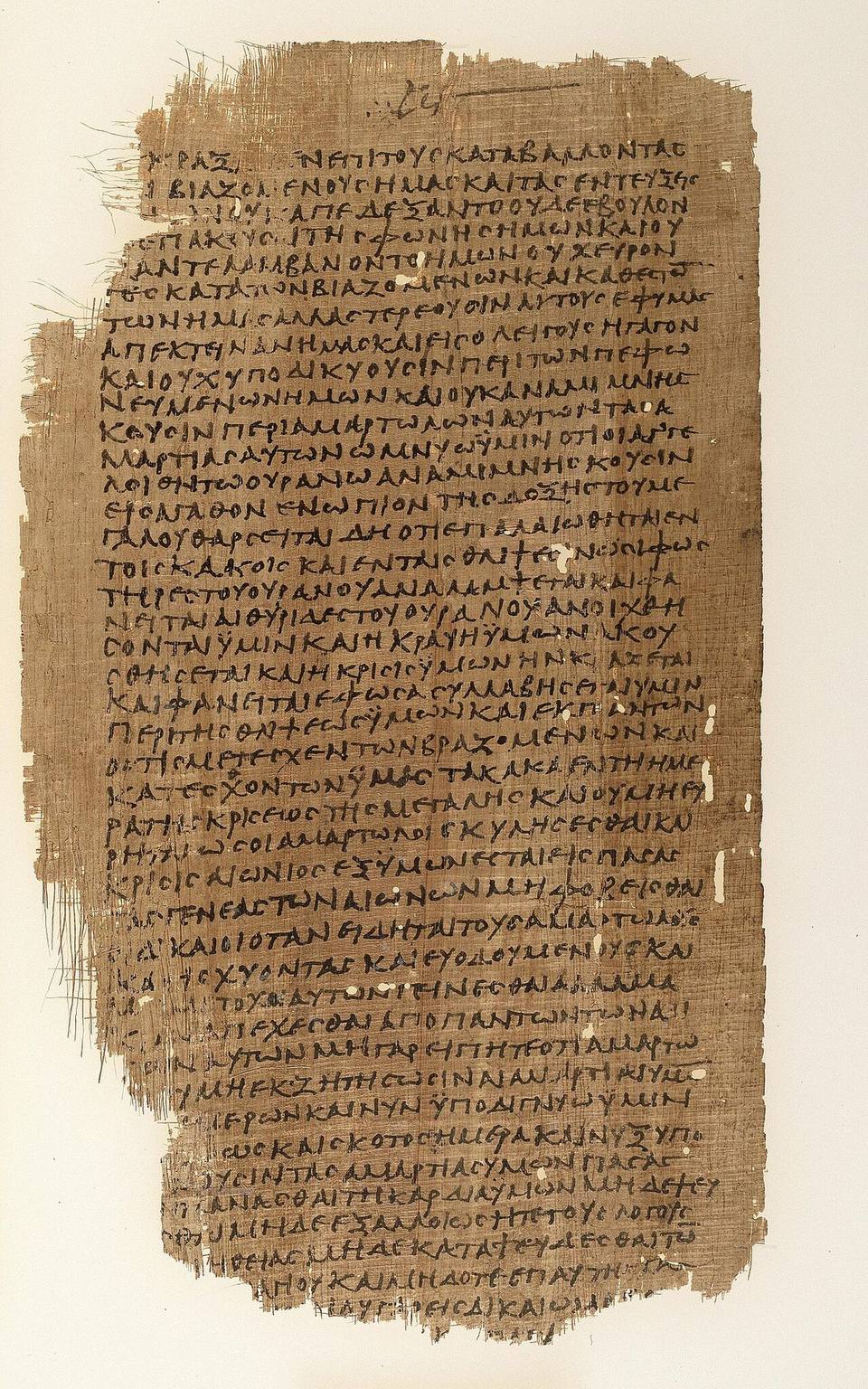
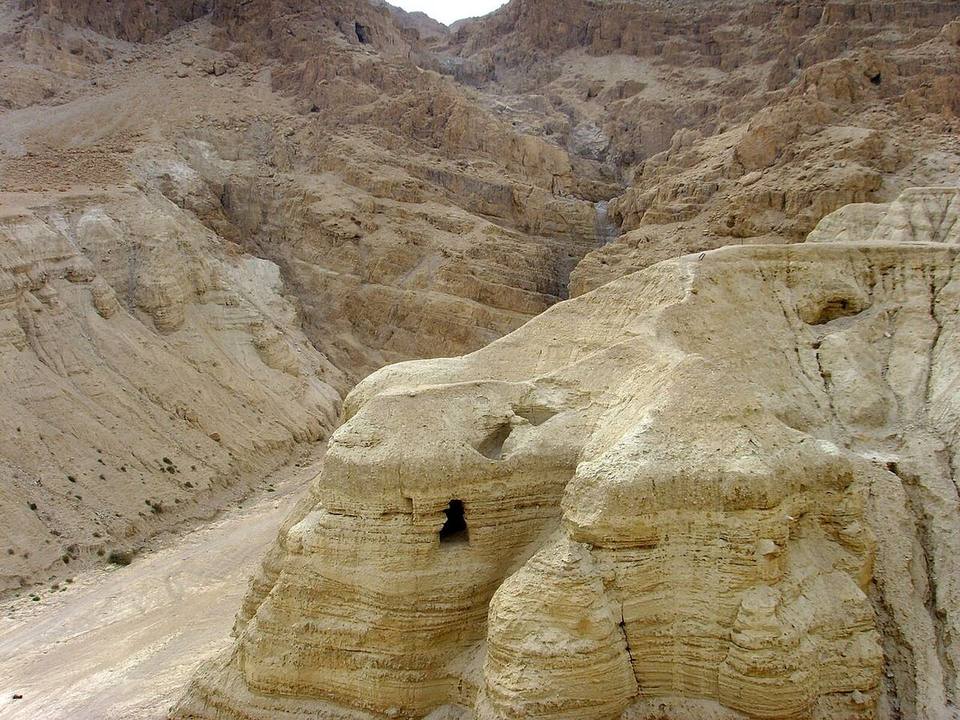
Jubilees presents itself as secret history dictated to Moses on Mount Sinai by the Angel of the Presence. It retells Genesis and the start of Exodus, dating every event in "jubilees," periods of forty-nine years, and insisting on a solar calendar of 364 days. It was written in Hebrew around 160–150 BCE. About fifteen fragmentary copies were found at Qumran, but the complete book survives only in Ge'ez, and it is part of the Ethiopian Orthodox Bible.
Its Watcher story is different from 1 Enoch's. The angels first came down in the days of Jared that they should instruct the children of men, and that they should do judgment and uprightness on the earth.
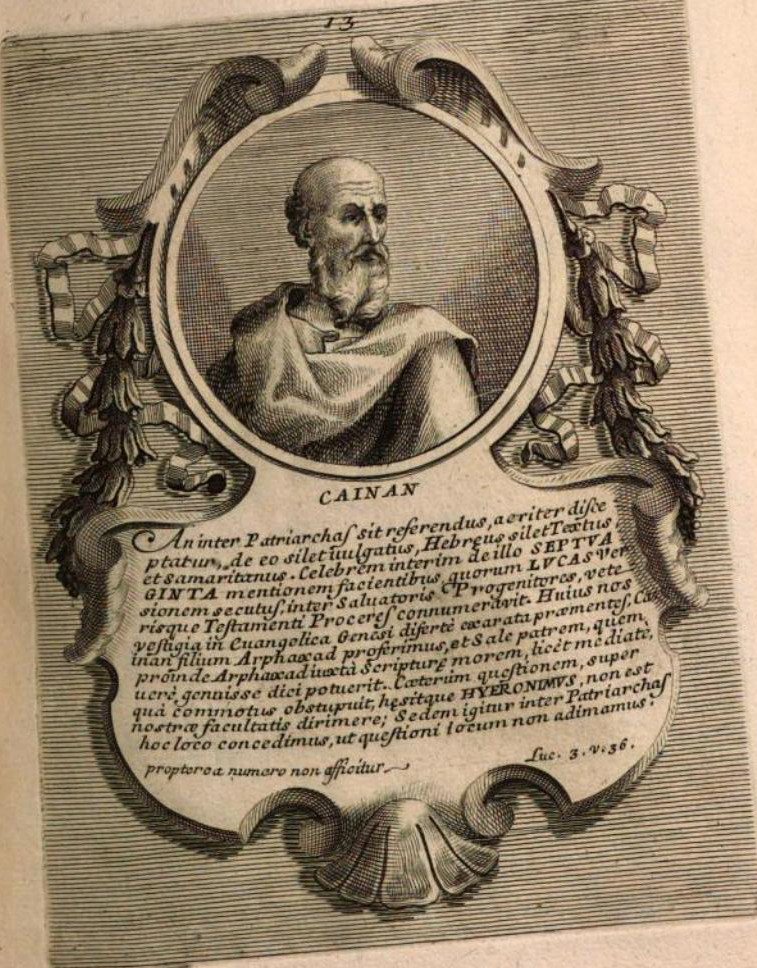
Only later did they take wives and father giants. After the Flood, the giants' spirits trouble Noah's family, and the prince Mastema keeps a tenth of them. Noah's descendant Kainam finds the Watchers' astronomy carved on a rock.
Jubilees fills gaps in Genesis with vivid details. Adam and Eve spend seven years in the garden before their fall. Cain dies when his house collapses on him, a punishment by stones for the murder he committed with a stone. Abraham, as a boy, drives off ravens sent by Mastema to eat the seed. The angels of the nations and a heavenly scroll of fate appear throughout. For modern readers, Jubilees matters because it treats the Watchers as a legitimate mission that went wrong, rather than as rebels from the start.