












What is R. Campbell Thompson known for?
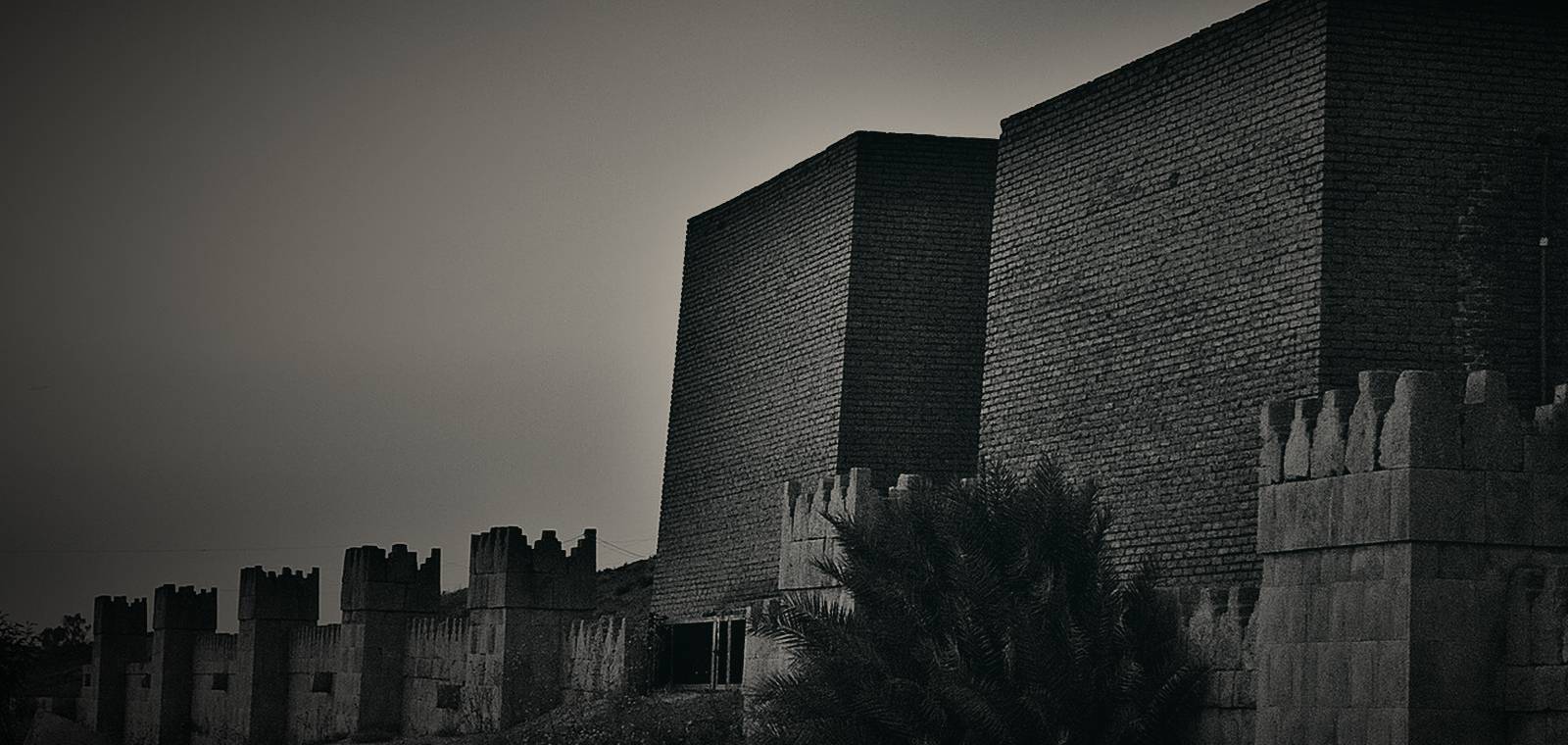
Reginald Campbell Thompson was a British archaeologist and Assyriologist. He excavated at Nineveh, the Assyrian capital where the library of Ashurbanipal had held the best-known tablets of the Gilgamesh epic, and found remains of the temple of Nabu there in 1904. In 1910 he took on the young T. E. Lawrence as a pottery specialist, and in 1931 he hosted Agatha Christie and Max Mallowan at his Nineveh dig.
He published widely on Assyrian medicine, chemistry and geology as well as on cuneiform texts. His English verse translation of the Epic of Gilgamesh appeared in 1928, followed by an edition of the cuneiform text in 1930. It is now public domain and is the free translation most often found online, though it predates many tablet discoveries.
Thompson became Shillito Reader in Assyriology at Oxford in 1937. He died in 1941 while on Home Guard patrol on the Thames.
Titles and honors
- Offices held
- Shillito Reader in Assyriology, Oxford 1937-1941
- Fellow of Merton College, Oxford 1923-1941
- Ranks
- Captain, Special List (Mesopotamia) 1914-1919
The same story, told elsewhere
Shared story · Floods and lost lands
Flood Stories Around the World
A god warns one good man, a boat is built, the world drowns and birds are sent out to find land. The same story turns up from Iraq to India to Greece, with cousins in China, Scandinavia and Guatemala.
Epic of Gilgamesh, Tablet XI (Utnapishtim's story) is one telling. The same story is told 9 more times, in 6 parts of the world. Follow it:
- Vedic IndiaNorthern India · c. 800-600 BCE · Ancient text
- Babylonian (Akkadian)Mesopotamia · 7th century BCE · Ancient textTied to this page
- Hebrew BibleJudah / Babylon · c. 600-400 BCE · Ancient text
- ChineseYellow River valley, China · 1st millennium BCE · Ancient text
- Zoroastrian (Persian)Iran / Central Asia · 1st millennium BCE · Ancient text
- Babylonian, retold in GreekBabylon · c. 280 BCE · Ancient text
- GreekGreece · 1st or 2nd century CE · Ancient text
- IslamArabia · 7th century CE · Medieval text
- NorseIceland · c. 1220 CE · Medieval text
- K'iche' MayaHighland Guatemala · c. 1554-1558 · Retold in English
The open question: One real flood remembered by many peoples, or many different floods that each people told in its own way? Join the debate
Shared story · Death and return
How Death Came: Eden, Adapa and the Chameleon
Again and again, people almost lived forever. A man refuses the food of life, a snake steals the plant of youth, a slow chameleon arrives too late, and a woman throws a stone that sinks. Each time, the chance was lost.
Epic of Gilgamesh, Tablet XI (the plant and the serpent) is one telling. The same story is told 8 more times, in 6 parts of the world. Follow it:
- Babylonian (Akkadian)Mesopotamia · c. 1400-1350 BCE · Ancient text
- Babylonian (Akkadian)Mesopotamia · c. 1200-1000 BCE · Ancient textTied to this page
- Hebrew BibleJudah / Babylon · c. 900-500 BCE · Ancient text
- GreekBoeotia, Greece · c. 700 BCE · Ancient text
- Japanese (Shinto)Japan · 712 CE · Medieval text
- Khoikhoi (South Africa / Namibia)Southern Africa · 1800 · Recorded folklore
- Maori (New Zealand)New Zealand · 1840 · Recorded folklore
- Zulu (South Africa)Natal · 1868-1870 · Recorded folklore
- Blackfoot (Plains)Northern Great Plains · 1892 · Recorded folklore
The open question: Do these stories share one ancient source, or does every people eventually ask why we die and arrive at the same kind of answer? Join the debate
Linked people and places
Where this comes from
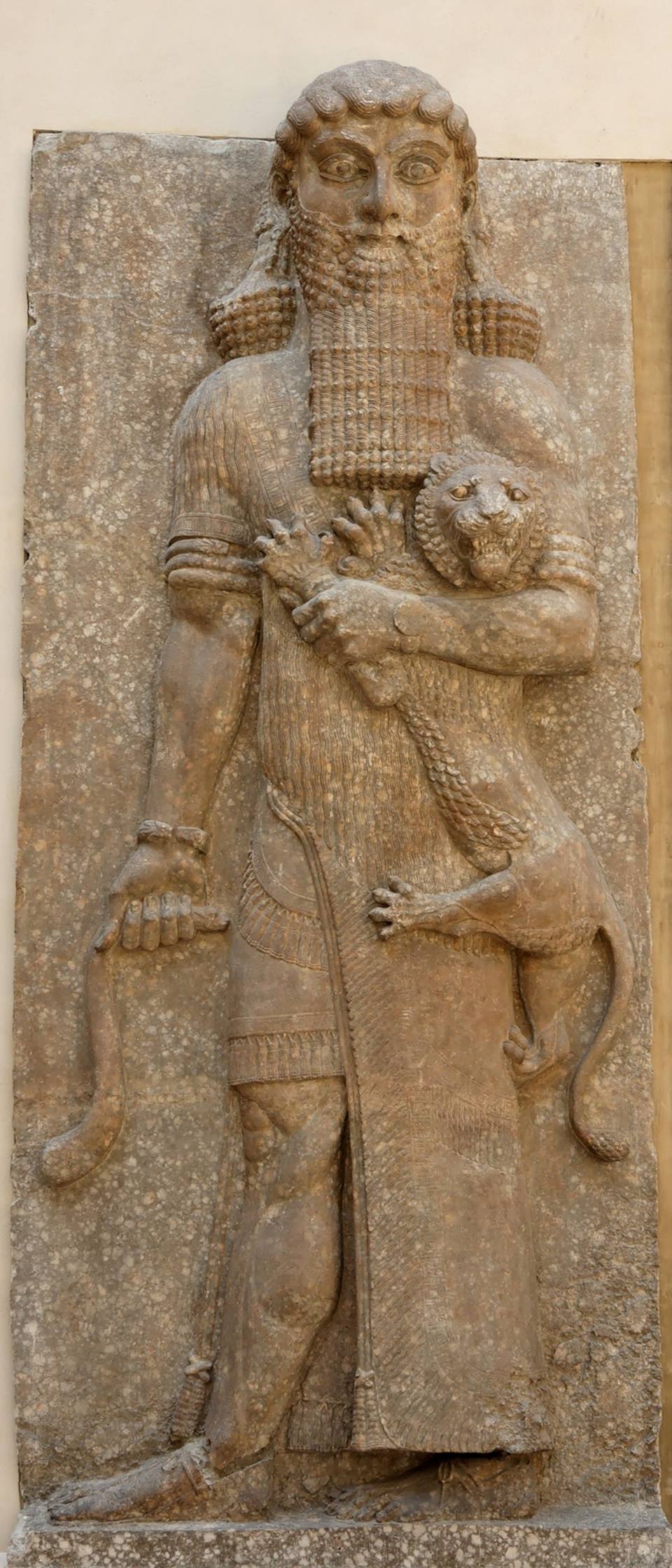
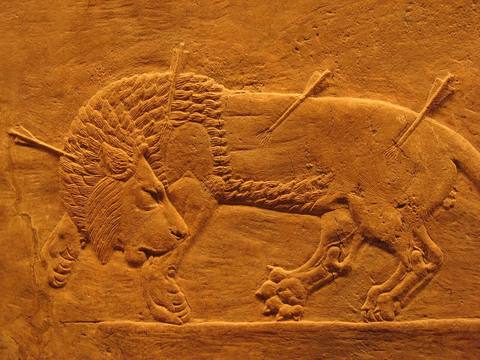
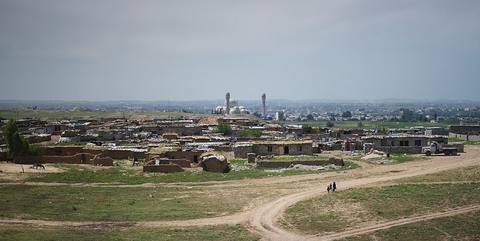
Comes from Internet Sacred Text Archive, 'The Epic of Gilgamish', tr. R. Campbell Thompson. The Epic of Gilgamesh: The story of Gilgamesh, king of Uruk, who tries to escape death; tablet XI has a flood story much like Noah's. The oldest versions date from about 1800 BC. The best-known one was found at Nineveh, in today's Iraq, in 1853, and George Smith noticed its flood story in 1872.
What this means
A real person with records. Sources are listed below.
For R. Campbell Thompson, the original record exists and is linked: Internet Sacred Text Archive, 'The Epic of Gilgamish', tr. R. Campbell Thompson. That tells you the record is real and what it says. It does not mean every claim in it is true.
Primary records exist: an original document, a published text, an official file or a dated report. We link to them. This level says the record exists and what it says, not that every claim in it is true.
Sources
- WikipediaA free online encyclopedia written and edited by volunteers. It is a good starting point and usually lists its own sources, but anyone can change it, so we treat it as a guide to better sources, not the final word.Wikipedia, 'Reginald Campbell Thompson'Reference Archived copy, 2026-08-11
- The Epic of GilgameshThe story of Gilgamesh, king of Uruk, who tries to escape death; tablet XI has a flood story much like Noah's. The oldest versions date from about 1800 BC. The best-known one was found at Nineveh, in today's Iraq, in 1853, and George Smith noticed its flood story in 1872.Internet Sacred Text Archive, 'The Epic of Gilgamish', tr. R. Campbell ThompsonPrimary text Archived copy, 2026-07-10
No public-domain picture of this person yet. We do not show drawn or generated likenesses.