












What is Ramesses II known for?
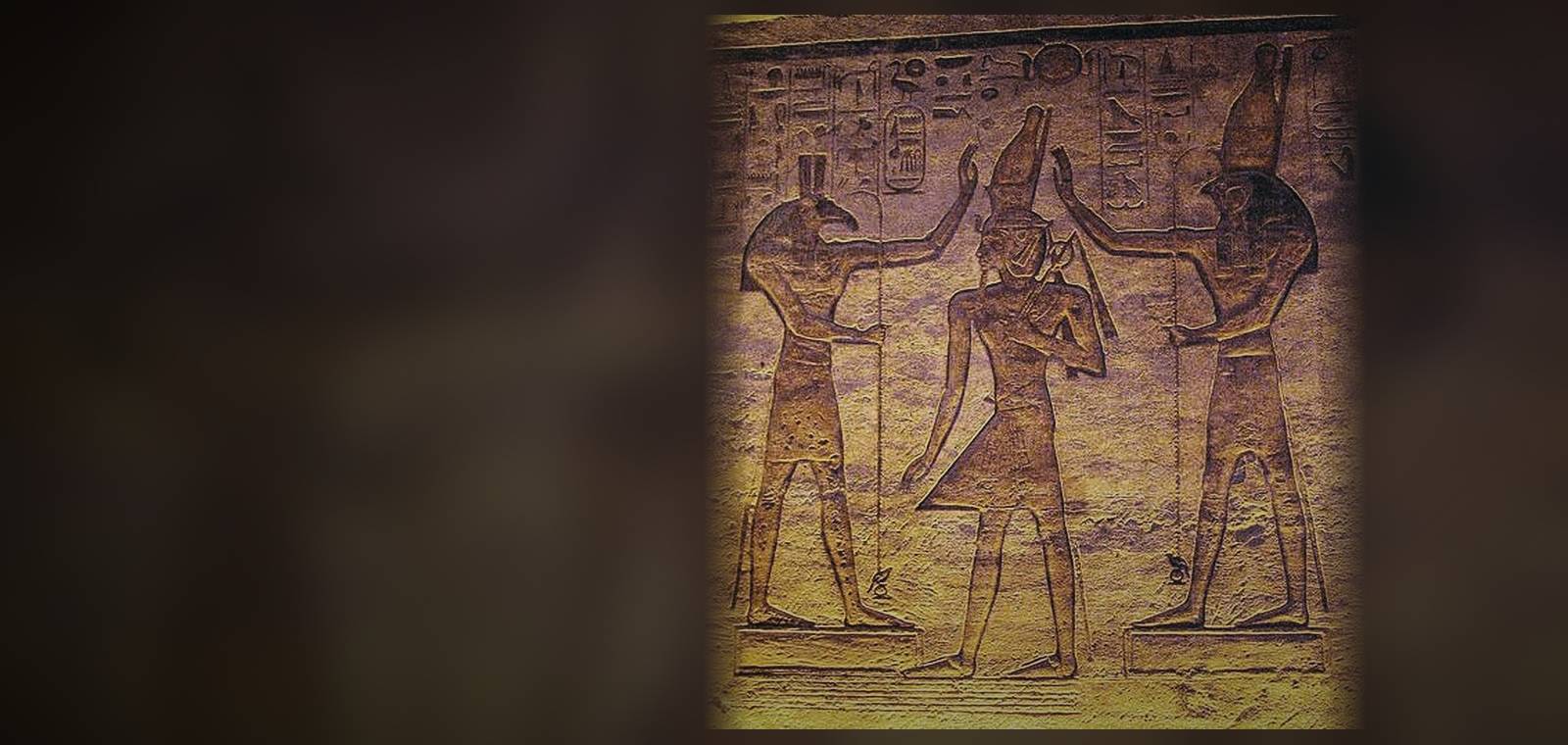
Ramesses II ruled Egypt from 1279 to 1213 BCE, the second-longest reign in Egyptian history. He fought the Hittites at Kadesh and later concluded one of the earliest known peace treaties with them. He built on a vast scale, including the temples of Abu Simbel and his memorial temple, the Ramesseum, and fathered more than a hundred children. His mummy survives.
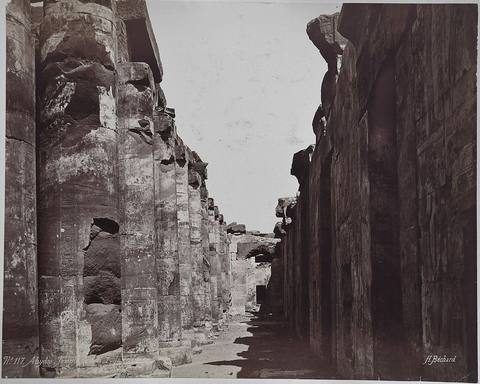
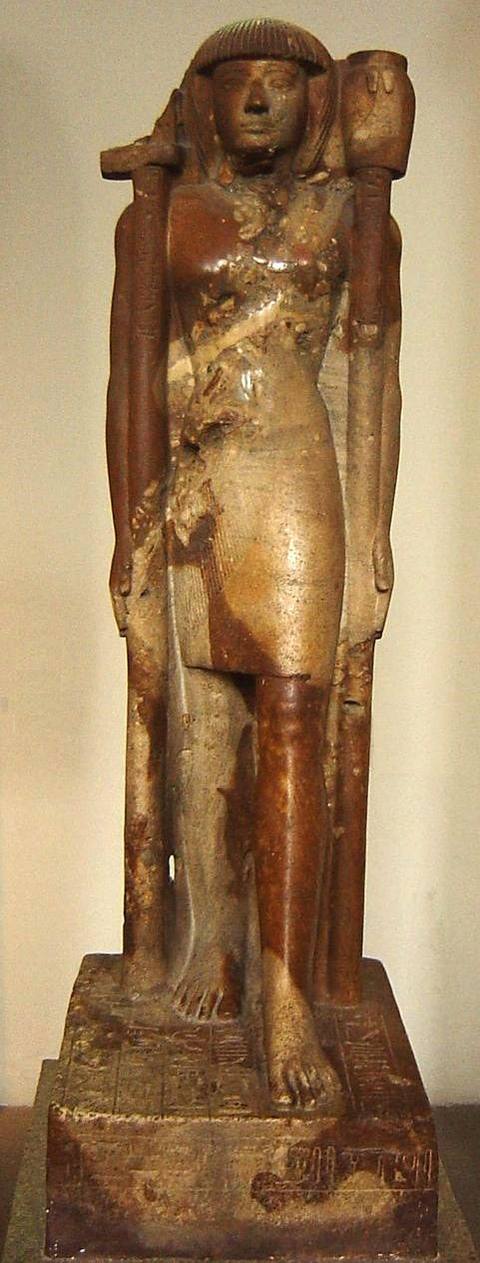
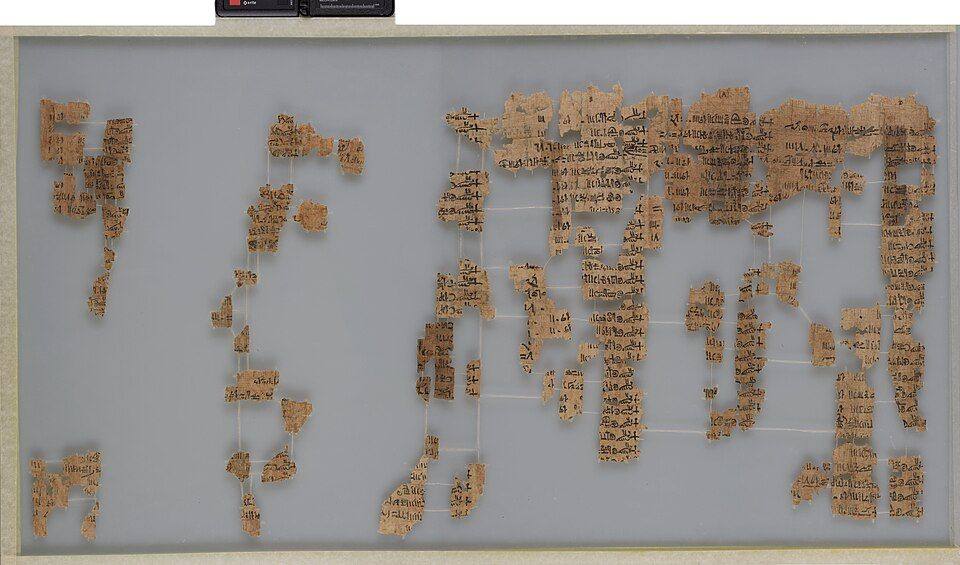
Several documents discussed on this site come from his reign. The Turin King List, the papyrus that lists divine rulers before Menes, was written around 1250 BCE. His son Khaemwaset restored ancient pyramids. And at Abydos his titles were recarved over those of his father Seti I, creating the overlapping glyphs called the 'Abydos helicopter'.
He is often proposed as the pharaoh of the Exodus, but there is no Egyptian record that confirms this.
Titles and honors
Mentioned on these pages
- FileThoth
- FileTurin King List
- FileUnas
- PersonGaston Maspero
- PersonKhaemwaset
- PersonSeti I
- PlaceAbydos
- PlaceCoptos
- PlaceHattusa
- PlaceMuseo Egizio (Turin)
Linked people and places
Where this comes from
Comes from Encyclopaedia Britannica, 'Ramses II'. An encyclopedia first published in Scotland in 1768 and now online. Its articles are written and checked by named experts and editors, which makes it a reliable source for basic facts.
What this means
A real person with records. Sources are listed below.
For Ramesses II, the original record exists and is linked: Encyclopaedia Britannica, 'Ramses II'. That tells you the record is real and what it says. It does not mean every claim in it is true.
Primary records exist: an original document, a published text, an official file or a dated report. We link to them. This level says the record exists and what it says, not that every claim in it is true.
Sources
- Encyclopaedia BritannicaAn encyclopedia first published in Scotland in 1768 and now online. Its articles are written and checked by named experts and editors, which makes it a reliable source for basic facts.Encyclopaedia Britannica, 'Ramses II'Reference Archived copy, 2026-07-31
- WikipediaA free online encyclopedia written and edited by volunteers. It is a good starting point and usually lists its own sources, but anyone can change it, so we treat it as a guide to better sources, not the final word.Wikipedia, 'Ramesses II'Reference Archived copy, 2026-09-27