












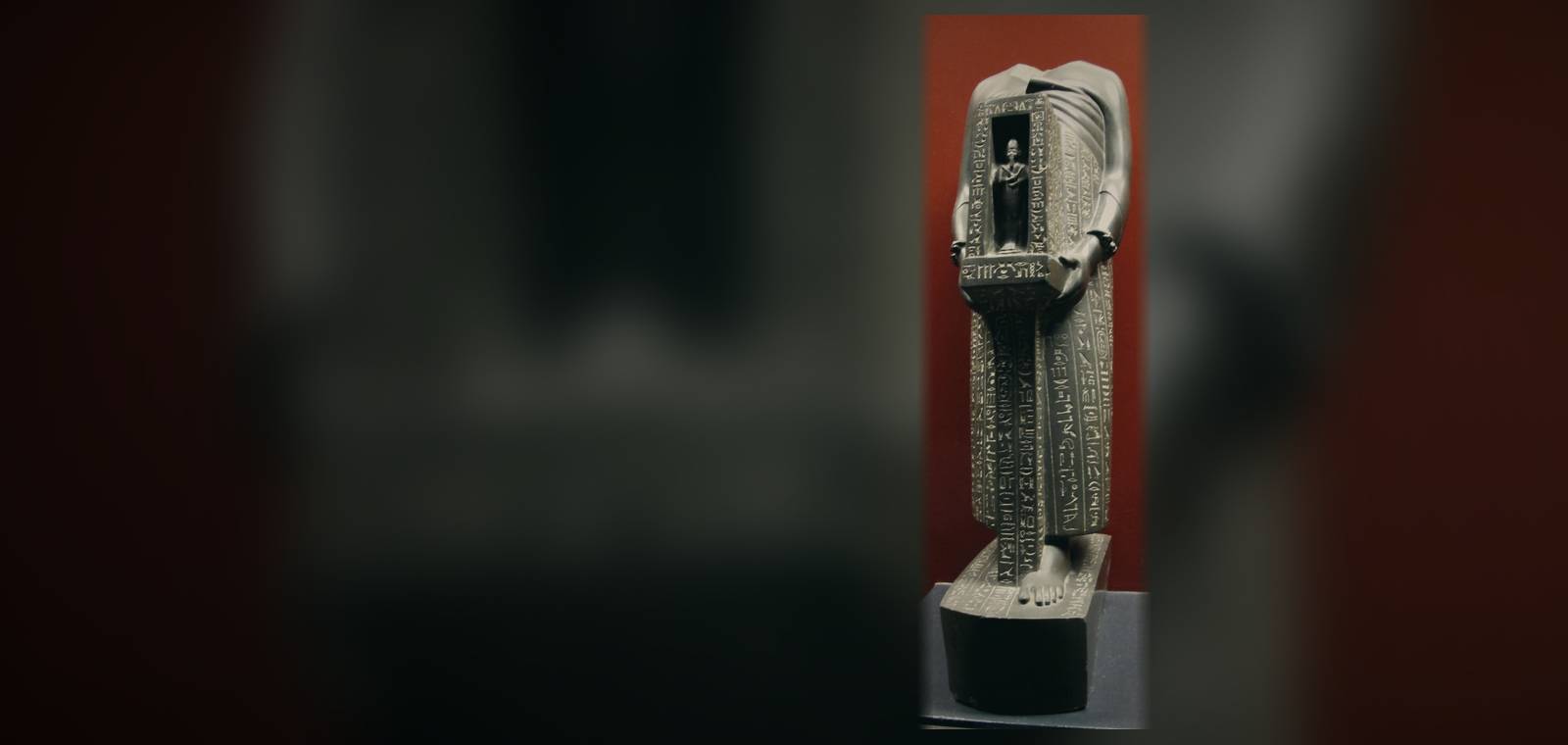
What is Sonchis of Sais known for?
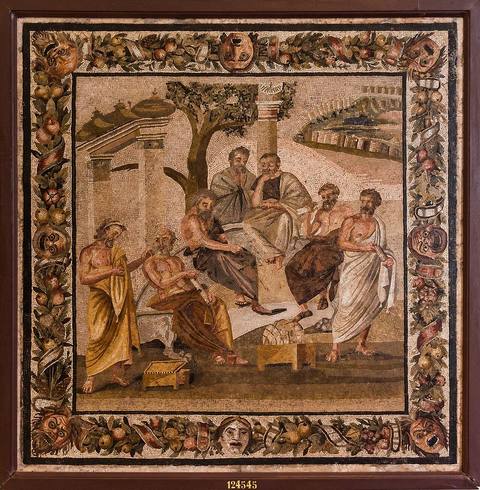
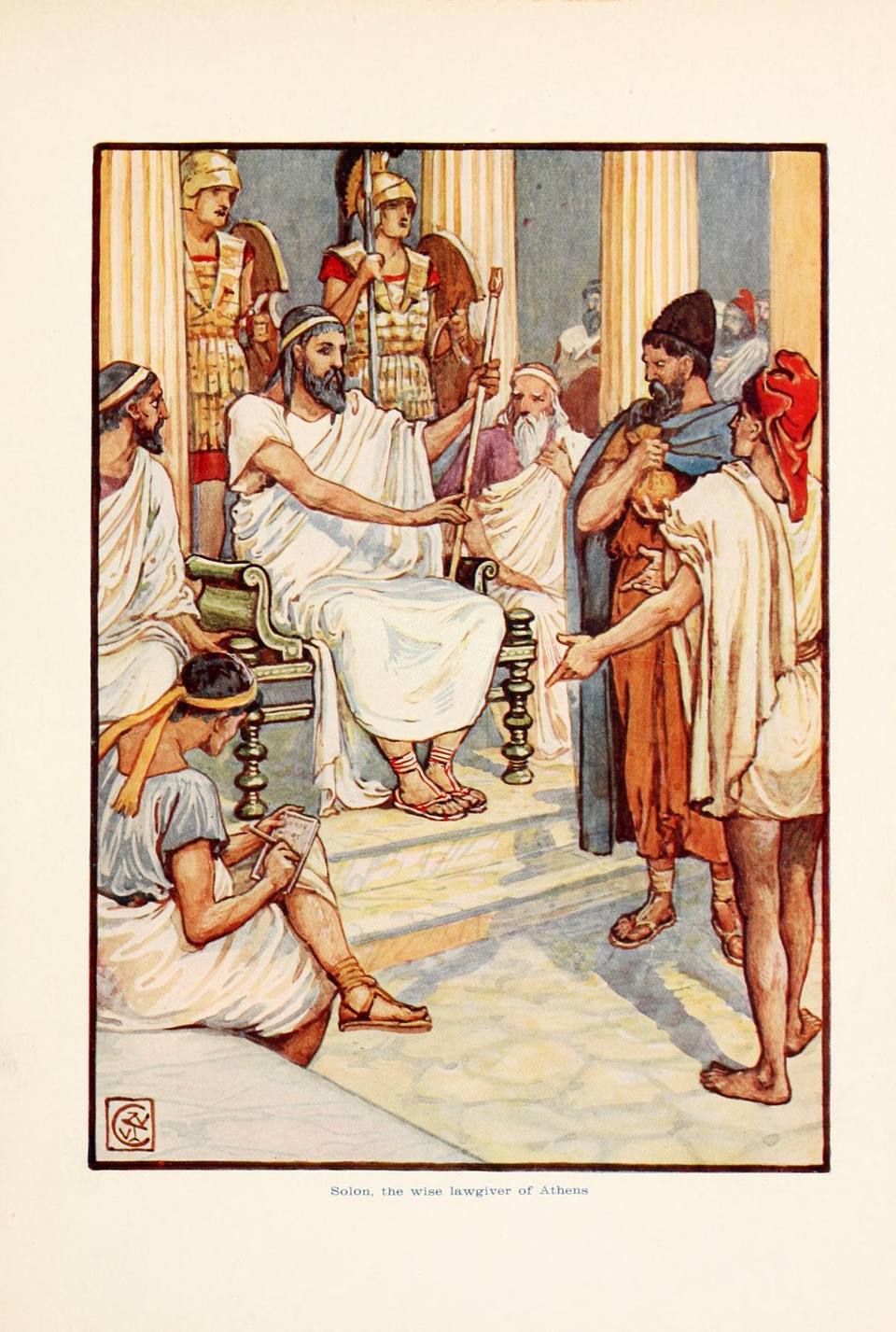
Sonchis appears in Plutarch's Life of Solon (chapter 26), which says Solon studied in Egypt with Psenophis of Heliopolis and Sonchis of Sais and heard from them the story of Atlantis.
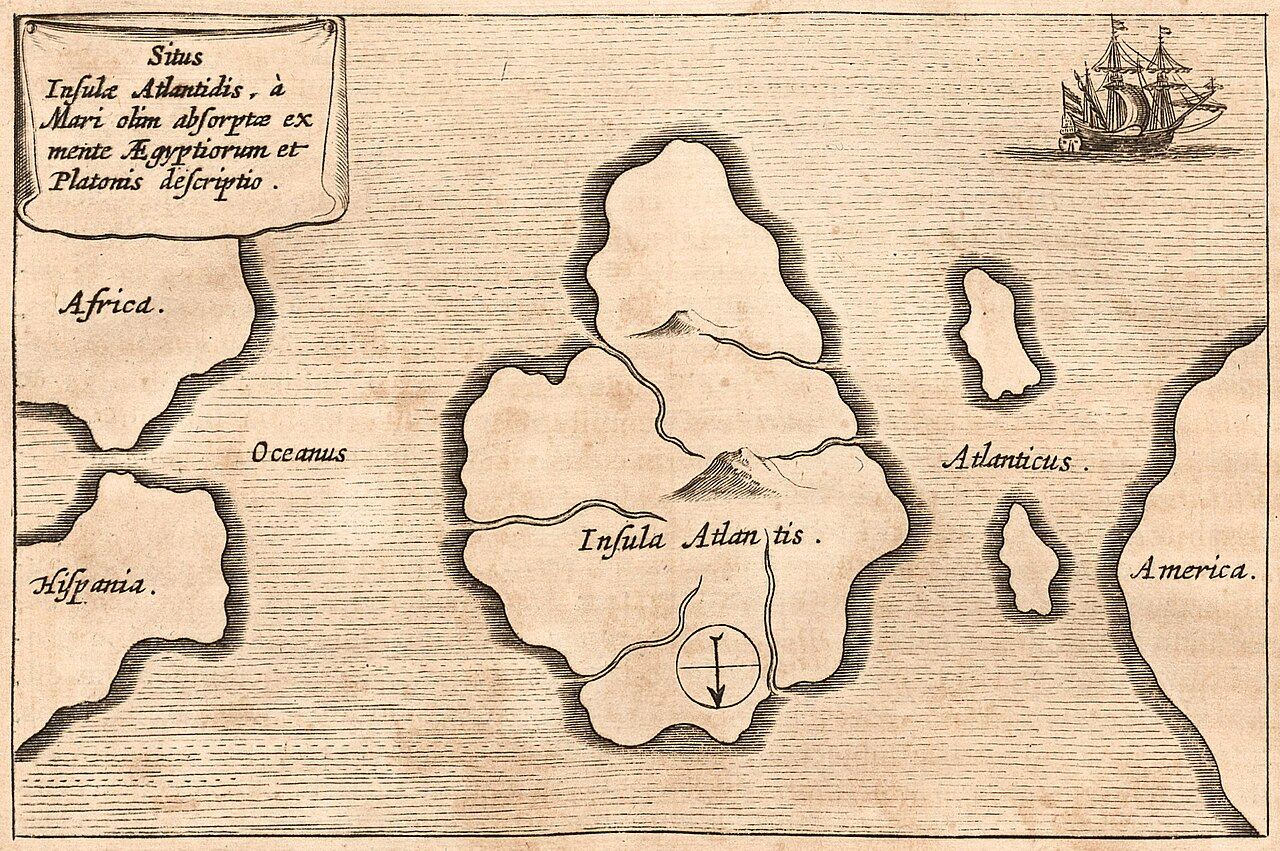
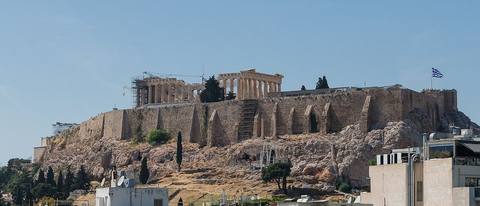
In the Timaeus itself, Plato has an unnamed, very old priest of Sais tell Solon that the Greeks are 'always children' and describe Athens' war with Atlantis 9,000 years earlier. Plutarch, writing centuries later, supplies the name, both in the Life of Solon and in his essay On Isis and Osiris. Sais was the capital of Egypt's 26th Dynasty in Solon's time, and its goddess Neith was linked by the Greeks with Athena.
No Egyptian source mentions Sonchis, and historians treat him as part of the literary tradition around Atlantis rather than a documented person.
The same story, told elsewhere
Shared story · Beginnings
The Lost Golden Age and the Ages of the World
Gold, silver, bronze, iron: Greece, Persia and the Book of Daniel all count the ages of the world in metals, India counts four yugas, and the Norse and Maya see whole worlds destroyed and remade.
Plato, Timaeus (the priest of Sais) is one telling. The same story is told 9 more times, in 6 parts of the world. Follow it:
- GreekBoeotia, Greece · c. 700 BCE · Ancient text
- Greek (Plato)Athens · c. 360 BCE · Ancient text
- Greek, about EgyptAthens, telling an Egyptian story · c. 360 BCE · Ancient textTied to this page
- Hindu law codeIndia · c. 200 BCE · Ancient text
- Hebrew BibleJudea · c. 165 BCE · Ancient text
- RomanRome · c. 8 CE · Ancient text
- Zoroastrian (Persian)Iran · 9th to 13th centuries CE · Medieval text
- Zoroastrian (Persian)Iran · 9th century CE · Medieval text
- NorseIceland · c. 1000 CE · Medieval text
- K'iche' MayaHighland Guatemala · c. 1554-1558 · Retold in English
The open question: Why do so many traditions believe the past was better and the world is running down? Memory, or human nature? Join the debate
Mentioned on these pages
- FileSolon and the priests of Sais
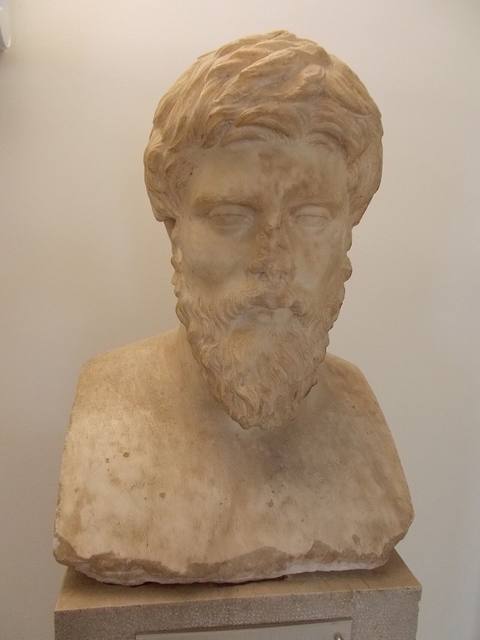
- PersonPlutarch
- PersonPsenophis of Heliopolis
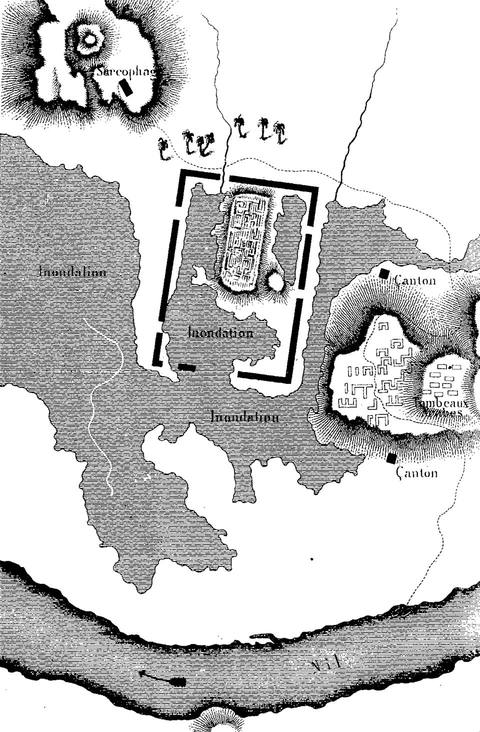
- PlaceSais
Linked people and places
Where this comes from
Comes from Plutarch, Life of Solon 26 (Loeb translation, LacusCurtius, University of Chicago). Plutarch's Lives: Life stories of famous Greeks and Romans written by Plutarch, a Greek writer and priest at Delphi, around AD 100 to 120. They are full of personal detail and anecdotes, not all of them checked.
What this means
A story or tradition. It is documented as a story; nothing independent shows it happened.
Sonchis of Sais is known from stories, scripture or tradition. The texts are real and we quote them (for example Plutarch, Life of Solon 26 (Loeb translation, LacusCurtius, University of Chicago)), but nothing outside those texts shows that Sonchis of Sais was real as described.
The page covers something known from myths, scripture or tradition. The texts are real and we quote them, but no independent record shows the events or beings were real.
Sources
- Plutarch's LivesLife stories of famous Greeks and Romans written by Plutarch, a Greek writer and priest at Delphi, around AD 100 to 120. They are full of personal detail and anecdotes, not all of them checked. Bernadotte Perrin's English version came out from 1914.Plutarch, Life of Solon 26 (Loeb translation, LacusCurtius, University of Chicago)Primary text
- WikipediaA free online encyclopedia written and edited by volunteers. It is a good starting point and usually lists its own sources, but anyone can change it, so we treat it as a guide to better sources, not the final word.Wikipedia, 'Sonchis of Sais'Reference Archived copy, 2026-10-01
No public-domain picture of this person yet. We do not show drawn or generated likenesses.