












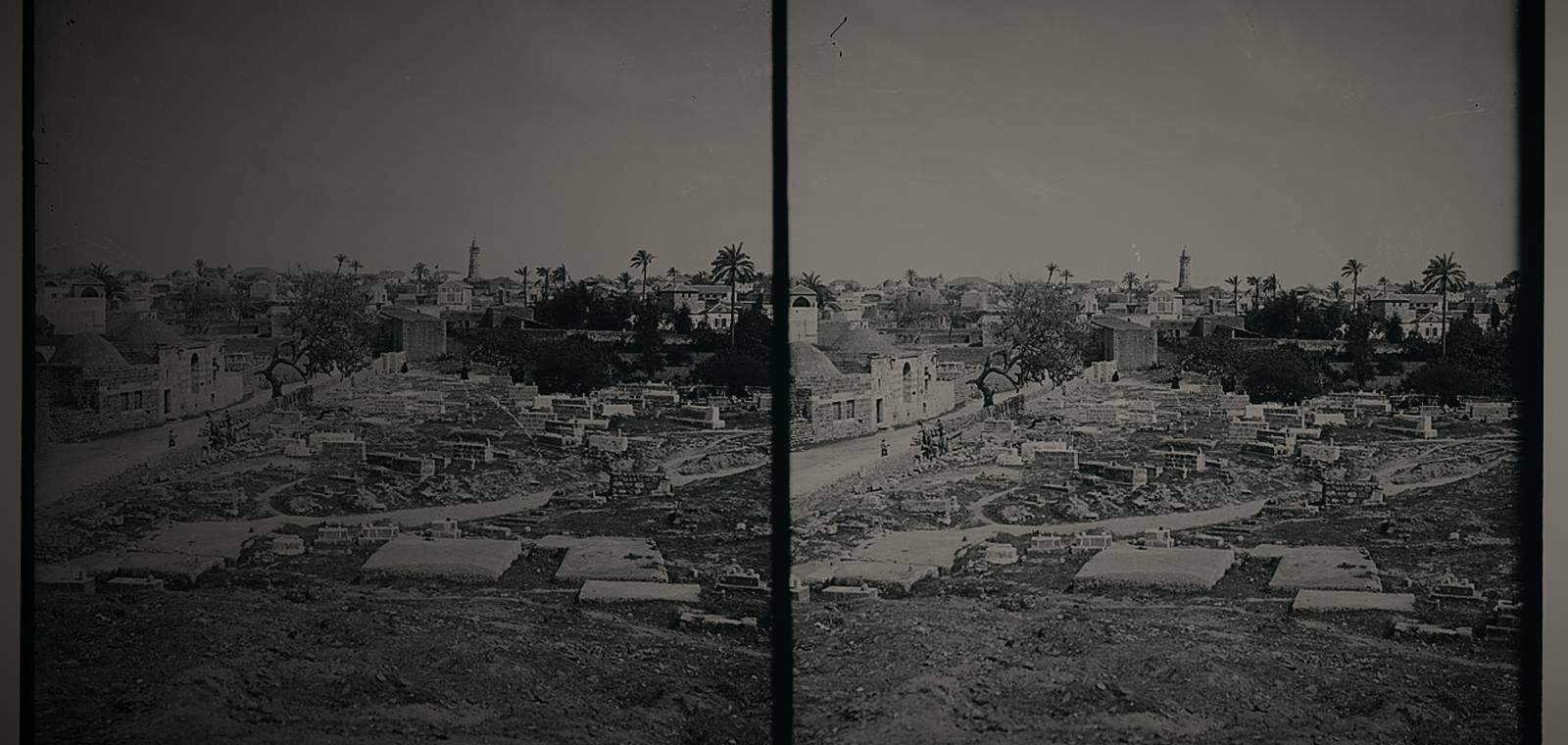
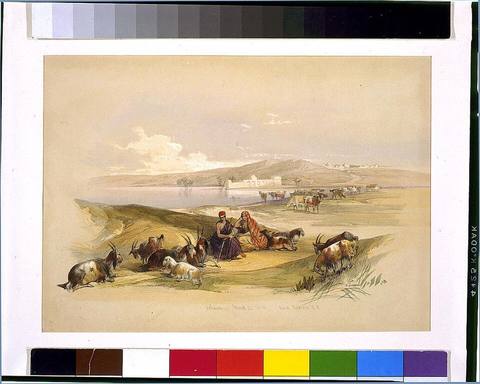
What is Gaza known for?
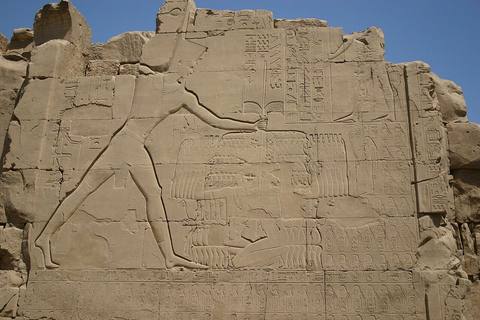
Gaza has been inhabited for more than three thousand years. It is first named in the records of the pharaoh Thutmose III in the 15th century BCE and appears in the Amarna letters. After about three centuries of Egyptian rule, it became one of the five main cities of the Philistines.
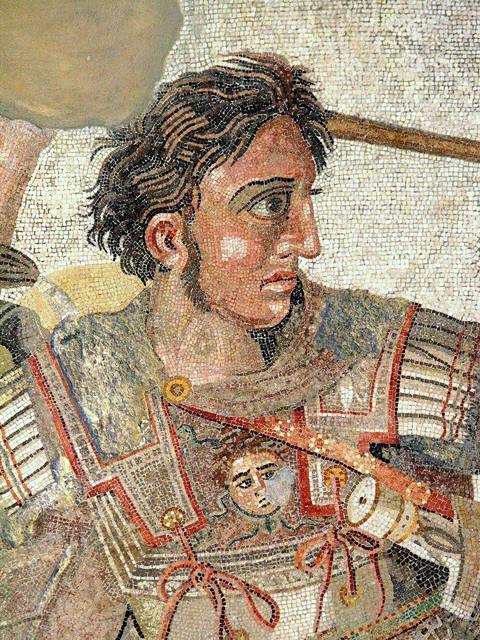
Its position on the coastal road between Egypt and the Levant made it a constant prize. Alexander the Great besieged and took it in 332 BCE, and under Greek and Roman rule it was a rich trading city with its own harbor.
In the Bible, Gaza is where Samson pulls down the temple of Dagon. Joshua 11:22 also says that when Joshua cut off the Anakim from the hills, some remained only in Gaza, Gath and Ashdod, which sets up the later giants of Philistia.
Mentioned on these pages
Linked people and places
Where this comes from
Comes from Joshua 11 (KJV), Bible Gateway. The Book of Joshua: The sixth book of the Bible, telling how Joshua led the Israelites into Canaan, including the fall of Jericho and the day the sun stood still. Scholars think it was written down long after the events, probably in the 600s to 500s BC, and archaeologists debate how much of it is history.
What this means
A real place with records. Sources are listed below.
For Gaza, the original record exists and is linked: Joshua 11 (KJV), Bible Gateway. That tells you the record is real and what it says. It does not mean every claim in it is true.
Primary records exist: an original document, a published text, an official file or a dated report. We link to them. This level says the record exists and what it says, not that every claim in it is true.
Sources
- Encyclopaedia BritannicaAn encyclopedia first published in Scotland in 1768 and now online. Its articles are written and checked by named experts and editors, which makes it a reliable source for basic facts.Encyclopaedia Britannica, 'Gaza'Reference Archived copy, 2026-10-02
- The Book of JoshuaThe sixth book of the Bible, telling how Joshua led the Israelites into Canaan, including the fall of Jericho and the day the sun stood still. Scholars think it was written down long after the events, probably in the 600s to 500s BC, and archaeologists debate how much of it is history.Joshua 11 (KJV), Bible Gateway Online copyPrimary text Archived copy, 2026-10-03