The record
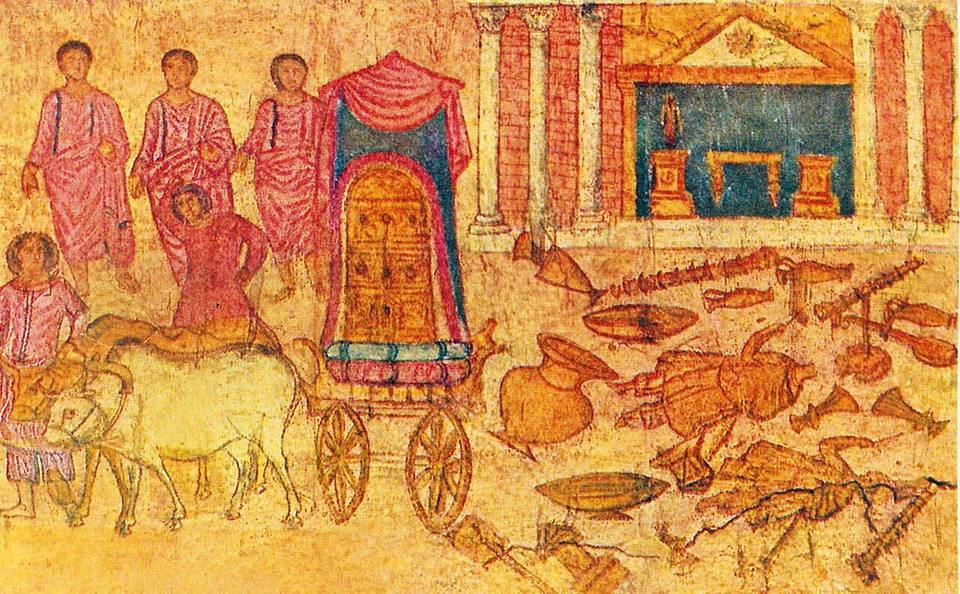
The Book of Joshua tells how the Israelites marched around Jericho for seven days behind the ark, with priests blowing trumpets. On the seventh day, the people shouted with a great shout, that the wall fell down flat, so that the people went up into the city, every man straight before him, and they took the city.
The historian Josephus, writing in the first century, retells it: the wall fell while no instruments of war, nor any other force, was applied to it by the Hebrews.
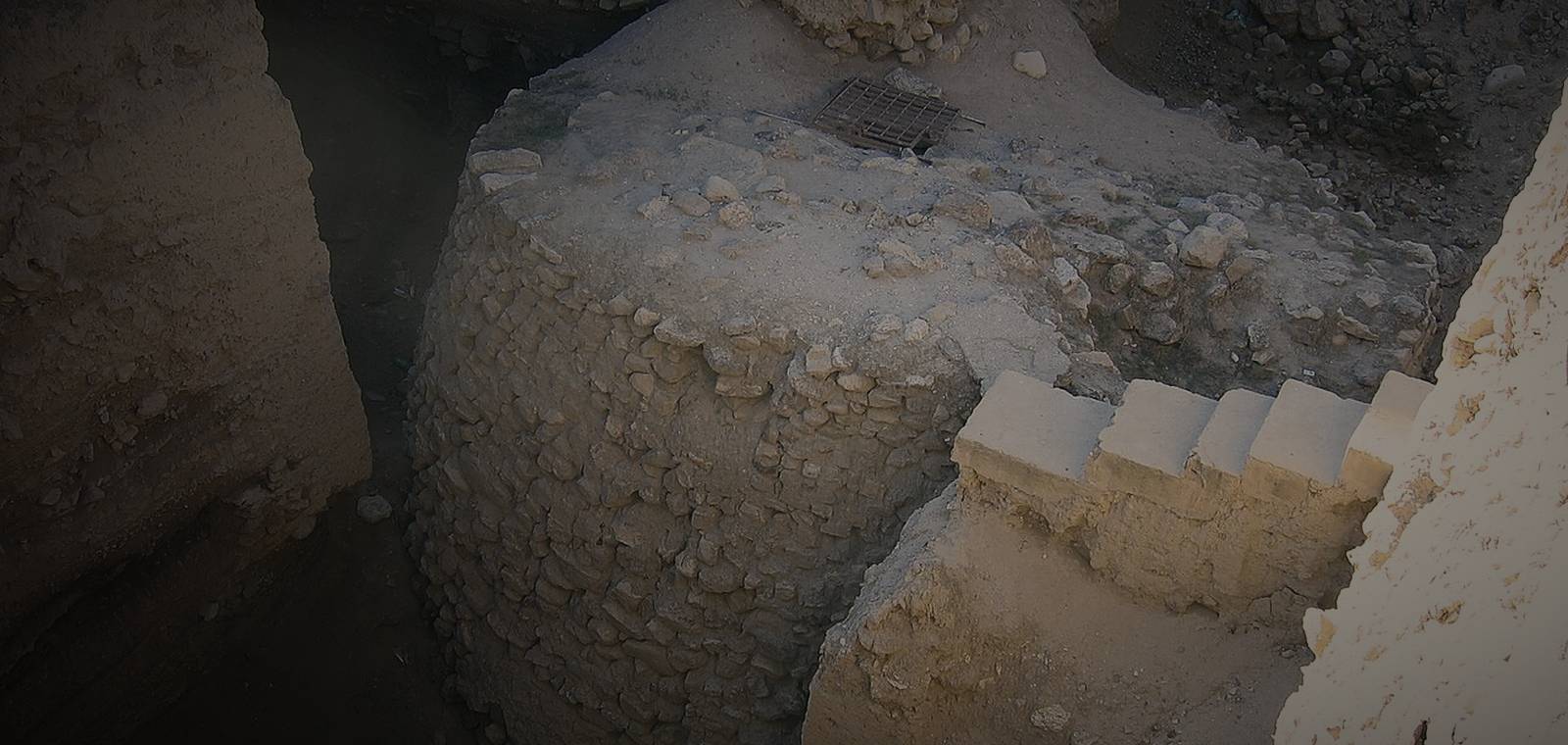
The city itself is real and very old. UNESCO, which lists Ancient Jericho/Tell es-Sultan as a World Heritage site, says the mound holds traces of people from about 10,500 BC and that by the 9th to 8th millennium BC it was already a sizeable permanent settlement
. Its Neolithic people built a wall, a ditch and a tower.
Archaeologists have long tried to match the dig to the story. National Geographic reports that John Garstang, digging in the 1930s, dated a set of fallen walls to about 1400 BC and argued they fit the Bible. Kathleen Kenyon dug the site from 1952 to 1958 and found that those walls were far older, about 2700 BC. She found that the Middle Bronze Age city was burned and destroyed around 1550 BC, a date later backed by radiocarbon tests, and that Jericho then lay largely abandoned and unfortified.