












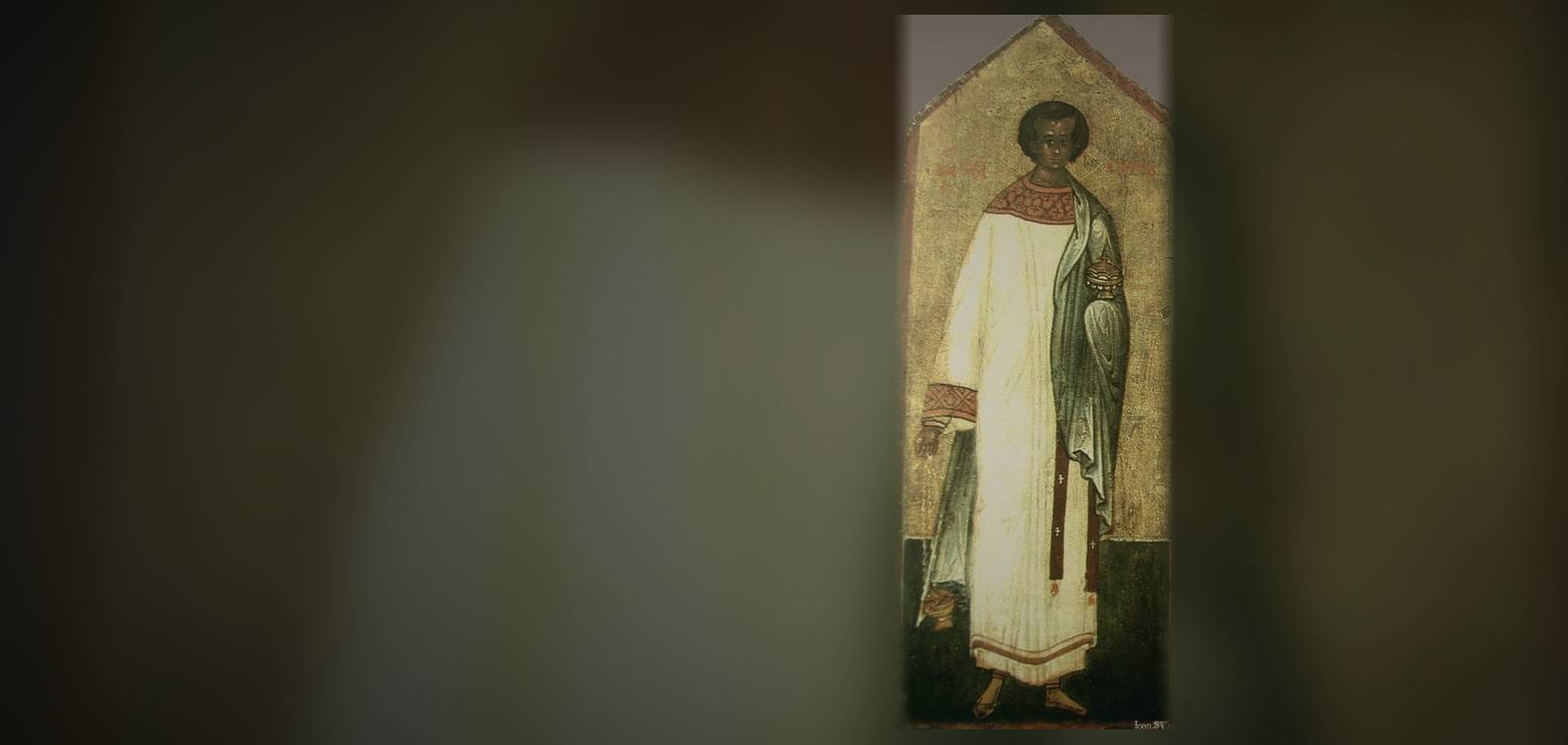
What is Philip the Evangelist known for?
Philip the Evangelist was one of seven men appointed in Acts 6 to look after the Christian community in Jerusalem so that the apostles could concentrate on preaching. He is a different person from Philip the apostle, one of the Twelve, though the two were sometimes confused in later tradition.
Acts 8 describes his preaching in Samaria and then his meeting on the desert road to Gaza with a court official of the Ethiopian queen, whom he instructs and baptizes. The text then says the Spirit of the Lord caught Philip away, the official saw him no more, and Philip was found at Azotus (Ashdod), some distance up the coast.
Acts 21 places him later at Caesarea, where he hosts Paul and has four daughters who prophesy. He is known only from Acts and later church tradition. Readers take the Azotus episode in different ways: as a miraculous transport, or as a vivid way of describing a sudden departure.
Titles and honors
- Titles
- Saint
- Offices held
- Deacon, one of the Seven (Acts 6)
Linked people and places
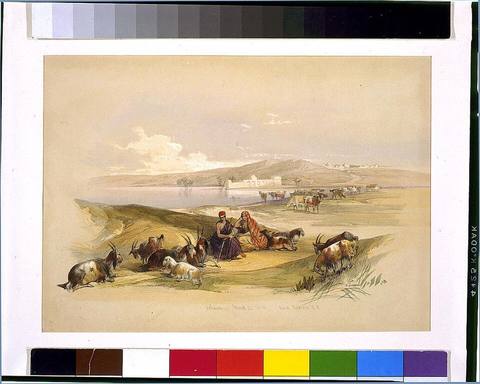
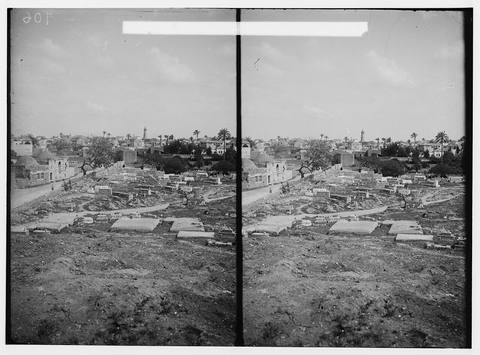
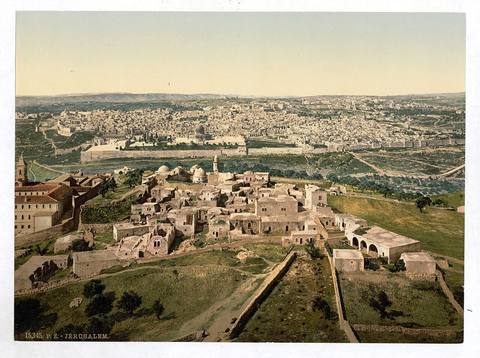
Where this comes from
Comes from Acts 8 (KJV), Bible Gateway. The Book of Acts: A New Testament book about the first Christians after Jesus, by the writer of the Gospel of Luke, usually dated about AD 80 to 90. It includes Jesus being taken up into a cloud and Paul's blinding vision on the road to Damascus.
What this means
A real person with records. Sources are listed below.
For Philip the Evangelist, the original record exists and is linked: Acts 8 (KJV), Bible Gateway. That tells you the record is real and what it says. It does not mean every claim in it is true.
Primary records exist: an original document, a published text, an official file or a dated report. We link to them. This level says the record exists and what it says, not that every claim in it is true.
Sources
- Encyclopaedia BritannicaAn encyclopedia first published in Scotland in 1768 and now online. Its articles are written and checked by named experts and editors, which makes it a reliable source for basic facts.Encyclopaedia Britannica, 'Saint Philip the Evangelist'Reference
- The Book of ActsA New Testament book about the first Christians after Jesus, by the writer of the Gospel of Luke, usually dated about AD 80 to 90. It includes Jesus being taken up into a cloud and Paul's blinding vision on the road to Damascus.Acts 8 (KJV), Bible Gateway Online copyPrimary text Archived copy, 2026-10-03
- WikipediaA free online encyclopedia written and edited by volunteers. It is a good starting point and usually lists its own sources, but anyone can change it, so we treat it as a guide to better sources, not the final word.Wikipedia, 'Philip the Evangelist'Reference