Credible Theories Sign in
Hebrew Bible · 2 Kings 19:35

185,000 dead in one night, 2 Kings 19:35

Share

In plain words

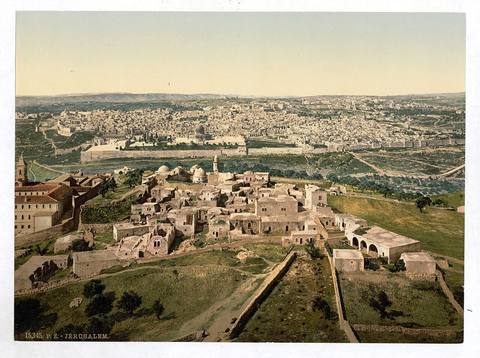
This is a short passage from 2 Kings, a book of the Bible written around 600 to 550 BCE. It is set during the Assyrian siege of Jerusalem in 701 BCE. The text says the angel of the LORD went into the Assyrian camp, and by morning 185,000 men were dead. The siege itself is real and is recorded in the Assyrian king Sennacherib's own records.

Reference2 Kings 19:35
Writtenc. 600–550 BCE
SetSiege of Jerusalem, 701 BCE
The angel of the LORD went out, and smote in the camp of the Assyrians an hundred fourscore and five thousand: and when they arose early in the morning, behold, they were all dead corpses.

Documented · Ancient text, c. 600–550 BCE Translation: KJV

Read it literally

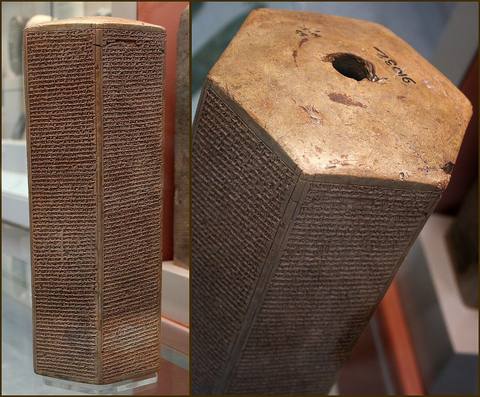
A silent weapon that kills an army overnight without touching the city. Sennacherib's annals boast of trapping Hezekiah 'like a bird in a cage' but never claim he took Jerusalem.

What scholars say

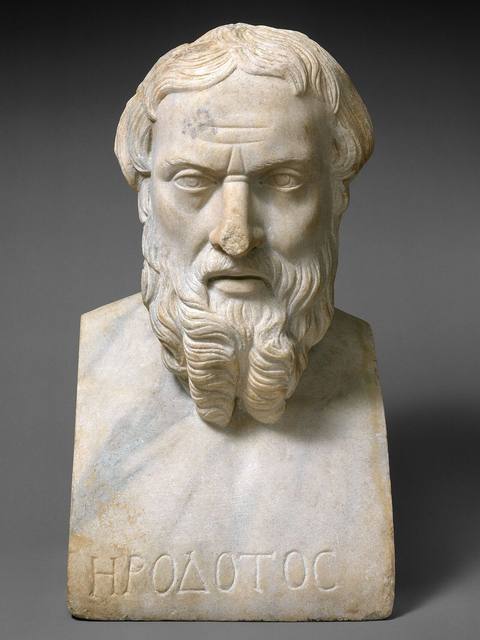
The siege is real (Sennacherib's own annals record it). Herodotus has a separate story of mice ruining the Assyrian army.

Themes Looks like technology From the sky
Questions people ask about 2 Kings 19:35

Where else in the Bible is this story told?

The same event appears almost word for word in Isaiah 37:36, and a shorter version is in 2 Chronicles 32:21, which says the angel cut off the army's leaders and Sennacherib went home in shame. 2 Kings 19:37 adds that he was later killed by two of his own sons while worshipping in his god's temple, which historians date to 681 BCE.

When was 2 Kings written?

Most scholars see Kings as part of a larger history running from Deuteronomy to 2 Kings. A first edition may have been written under King Josiah in the late 600s BCE. The book's last event is the release of the captive king Jehoiachin in Babylon, around 562 BCE, so the final version was finished during the exile.

What do Assyrian records say about the siege of Jerusalem?

Sennacherib's own account, written on clay prisms such as the Taylor Prism in the British Museum, boasts that he shut Hezekiah up in Jerusalem like a bird in a cage and took heavy tribute. It does not claim he captured the city. Carved wall panels from his palace at Nineveh show his capture of the nearby town of Lachish instead.

Where this comes from

EvidenceDocumented

Comes from The Books of Kings (1 and 2 Kings), 2 Kings 19:35, read here in the King James Version. Two books of the Bible running from King Solomon to the fall of Jerusalem to Babylon in the 580s BC, with stories of the prophets Elijah and Elisha. Scholars think they were finished around the 500s BC, using older royal records.

What this means

The text exists and is quoted from a published translation. What it describes is a separate question.

Primary records exist: an original document, a published text, an official file or a dated report. We link to them. This level says the record exists and what it says, not that every claim in it is true.

See all five labels

Sources

  1. The King James BibleThe English Bible made for King James I and first printed in 1611; the wording most people know comes from a 1769 update. It is out of copyright, which is why we quote it. The 1611 printing also had the Apocrypha, extra books kept in Catholic and Orthodox Bibles.King James Version (1611; standard 1769 text), with ApocryphaPrimary text Archived copy, 2026-10-03

Scholarly dates are rounded. The wording follows the named public-domain translation.

More from Hebrew Bible

The story before and after this one, and what each shares with 185,000 dead in one night.

Photo credits
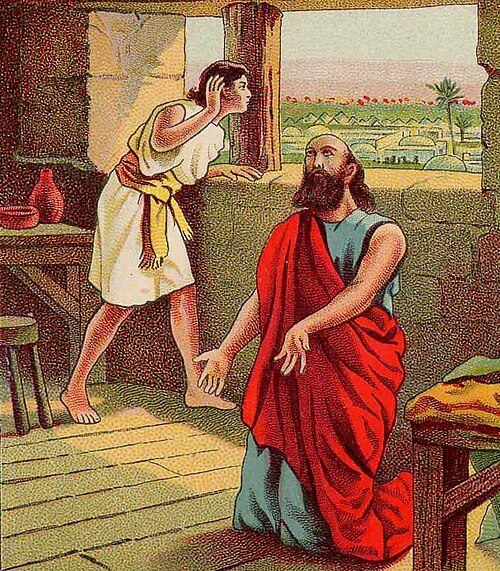
‹ Before thisA hidden army on the hills2 Kings 6:17

God opens the eyes of a young man with Elisha.

Same theme: Looks like technologySame theme: From the sky
Photo credits
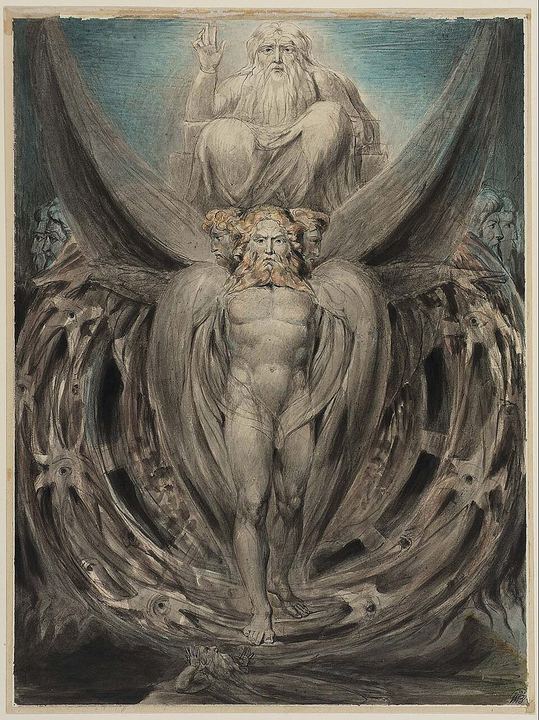
Next ›Ezekiel's wheelsEzekiel 1:4–28

Ezekiel describes a storm cloud full of fire and brightness coming from the north.

Same theme: Looks like technologySame theme: From the sky

Updated

Discussion