












What is Sennacherib known for?
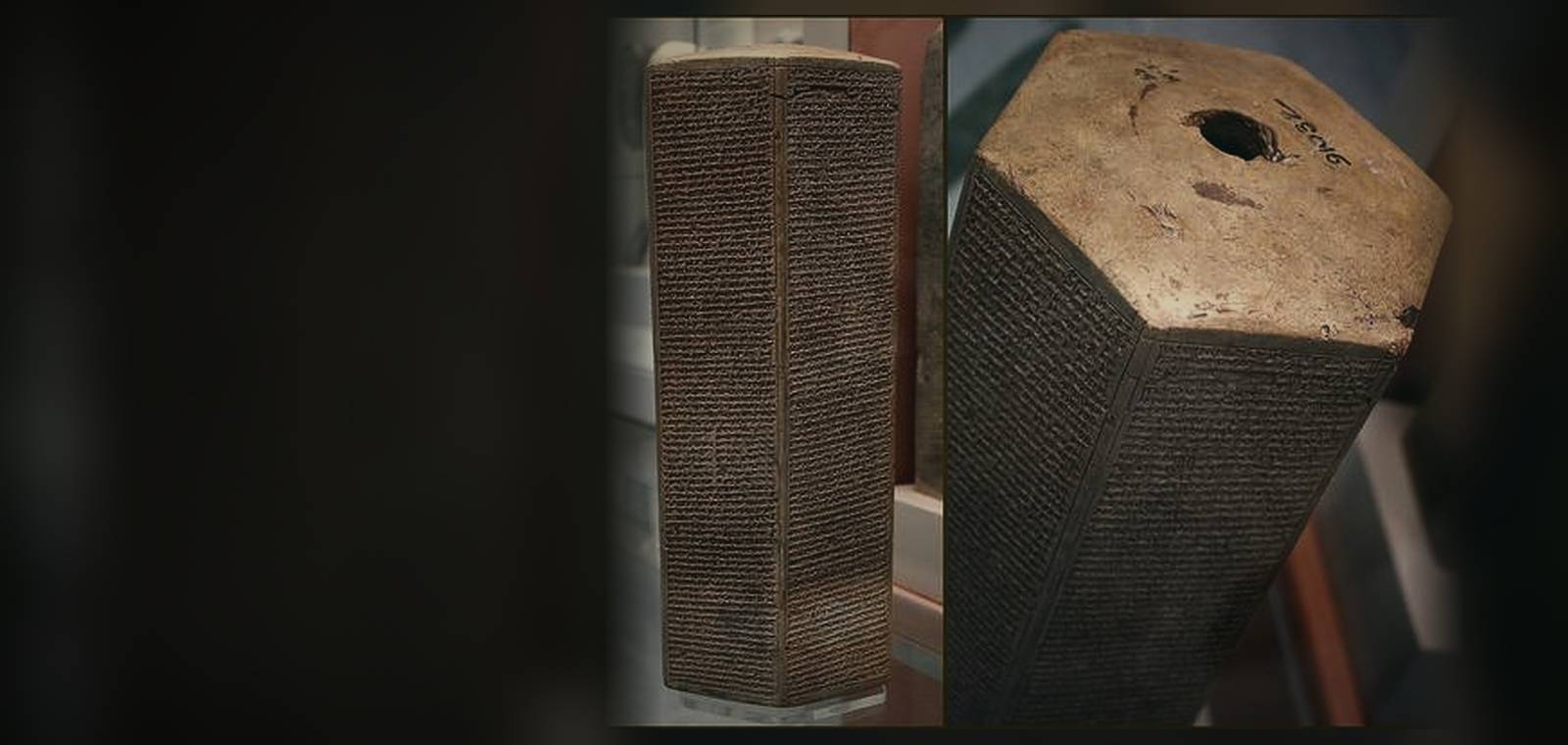
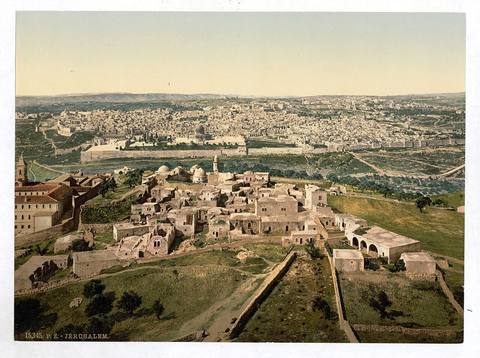
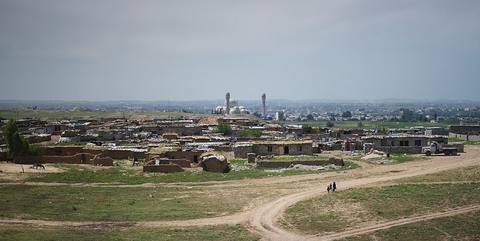
Sennacherib ruled the Assyrian Empire from 705 to 681 BCE and made Nineveh his capital, building a vast palace there. In 701 BCE he campaigned against rebellious states in the Levant, including Judah under Hezekiah. His annals, preserved on clay prisms such as the Taylor Prism in the British Museum, say he captured 46 walled towns, shut Hezekiah up in Jerusalem like a bird in a cage, and received heavy tribute. Reliefs from his palace show the siege of the Judean city of Lachish.
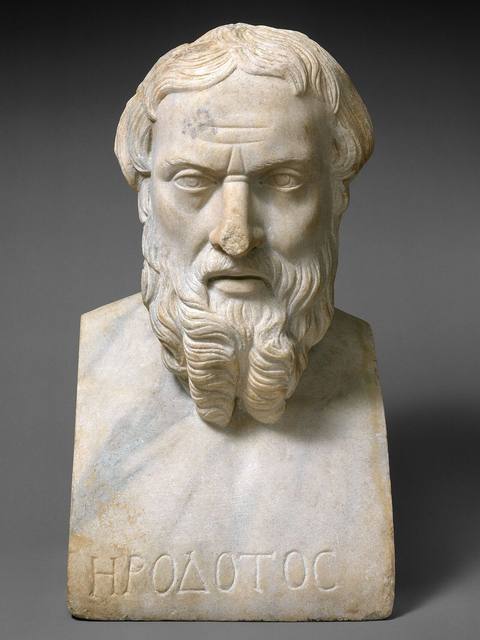
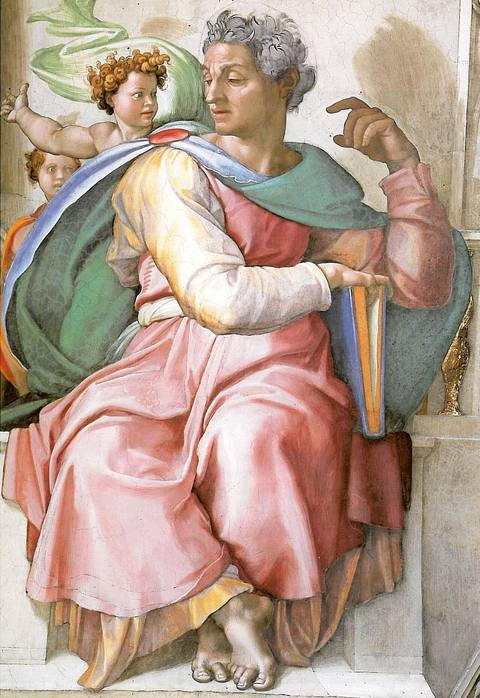
The Bible gives a different ending. 2 Kings 19 and Isaiah 37 say the angel of the Lord struck 185,000 men in the Assyrian camp in one night, and Sennacherib went home to Nineveh, where he was later killed by his sons. Herodotus tells a separate Egyptian story in which mice gnawed through an Assyrian army's bowstrings. Historians agree that Jerusalem was not taken; why Sennacherib withdrew is debated.
His murder in 681 BCE is recorded in both the Bible and Babylonian sources.
Titles and honors
- Titles
- King of Assyria 705-681 BCE
- King of Babylon
- King of the Four Corners of the World
Mentioned on these pages
- FileThe Hanging Gardens of Babylon
- Passage185,000 dead in one night (2 Kings 19:35)
- PersonHerodotus
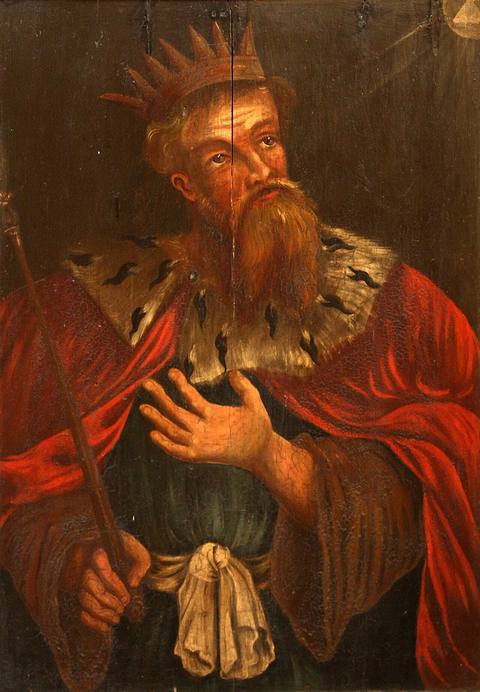
- PersonHezekiah
- PlaceBeth-shemesh
- PlaceNineveh
- PlaceTower of Babel and Etemenanki
Linked people and places

Where this comes from
Comes from 2 Kings 18–19 (KJV), Bible Gateway. The Books of Kings (1 and 2 Kings): Two books of the Bible running from King Solomon to the fall of Jerusalem to Babylon in the 580s BC, with stories of the prophets Elijah and Elisha. Scholars think they were finished around the 500s BC, using older royal records.
What this means
A real person with records. Sources are listed below.
For Sennacherib, the original record exists and is linked: 2 Kings 18–19 (KJV), Bible Gateway. That tells you the record is real and what it says. It does not mean every claim in it is true.
Primary records exist: an original document, a published text, an official file or a dated report. We link to them. This level says the record exists and what it says, not that every claim in it is true.
Sources
- The Books of Kings (1 and 2 Kings)Two books of the Bible running from King Solomon to the fall of Jerusalem to Babylon in the 580s BC, with stories of the prophets Elijah and Elisha. Scholars think they were finished around the 500s BC, using older royal records.2 Kings 18–19 (KJV), Bible Gateway Online copyPrimary text
- WikipediaA free online encyclopedia written and edited by volunteers. It is a good starting point and usually lists its own sources, but anyone can change it, so we treat it as a guide to better sources, not the final word.Wikipedia, 'Sennacherib'Reference Archived copy, 2026-09-13