Credible Theories Sign in

The record

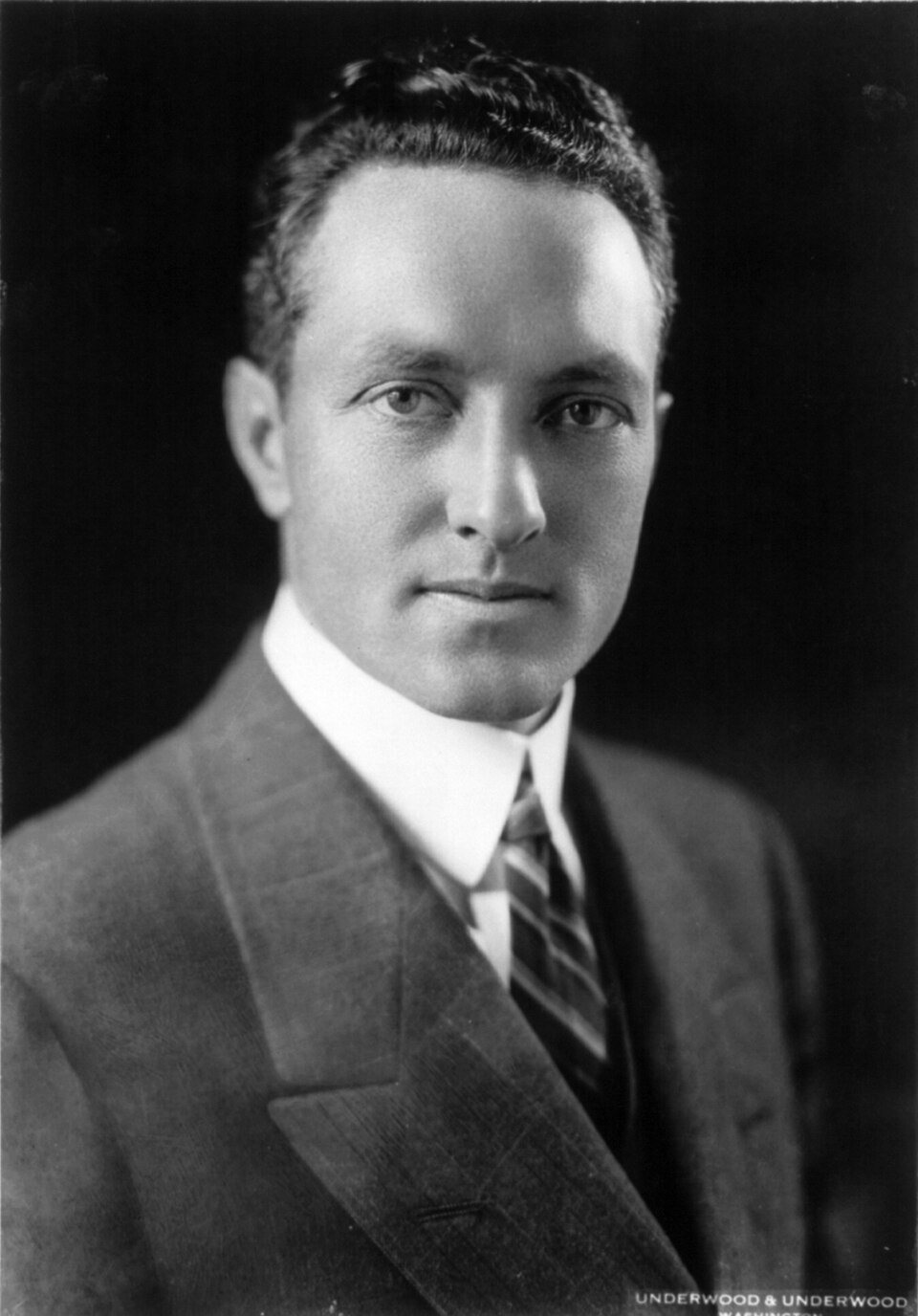
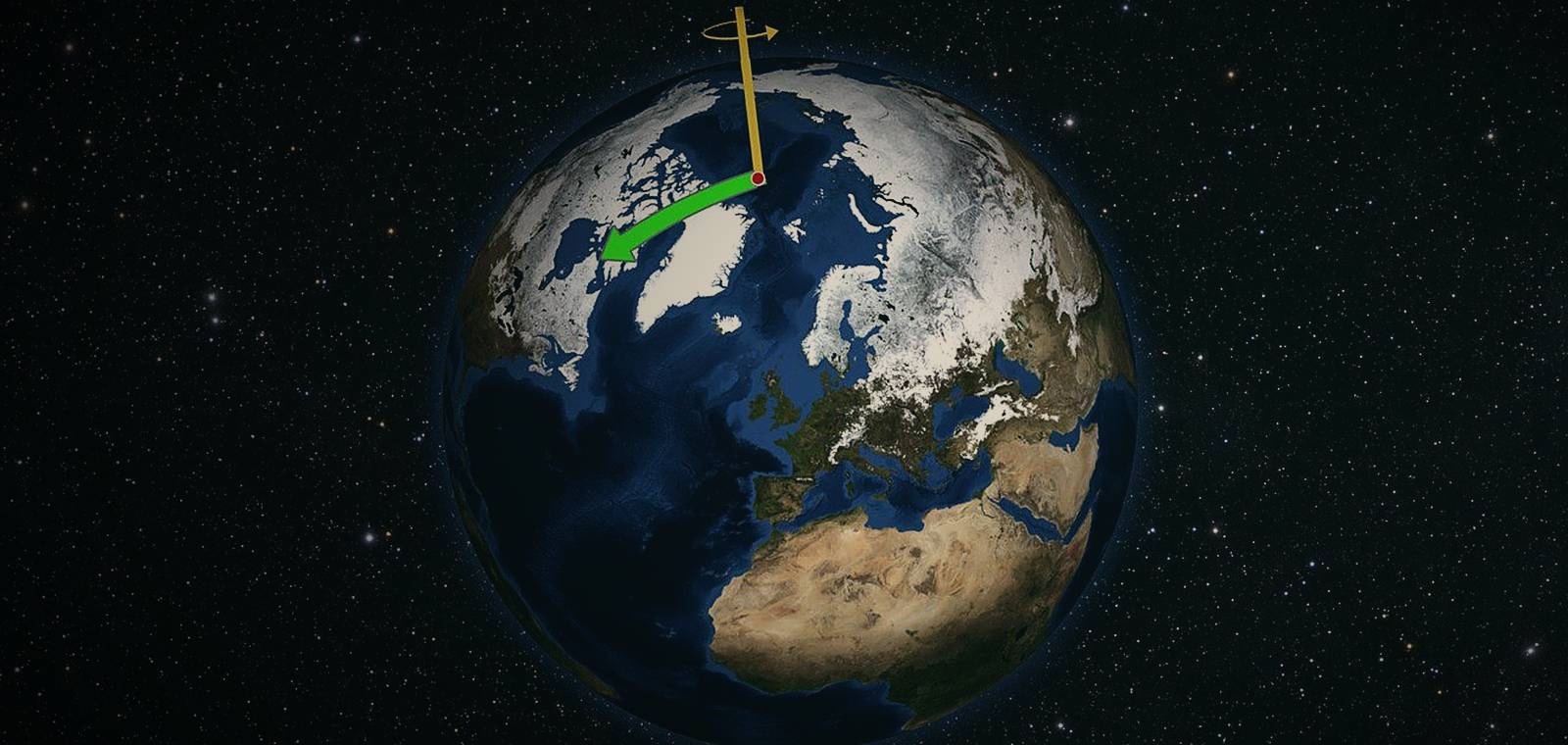
What was proposed. Charles Hapgood, a Harvard-trained teacher of the history of science at Keene State College in New Hampshire, set out his idea in Earth's Shifting Crust in 1958. Albert Einstein's foreword sums it up: the virtually rigid outer crust of the earth undergoes, from time to time, extensive displacement over the viscous, plastic, possibly fluid inner layers. Ice building up off-center at a pole, the foreword explains, would push on the spinning crust until it will displace the polar regions toward the equator. Hapgood argued that before the last such slip the North Pole was situated in or near Hudson Bay, and that the same move would explain the ice on all that half of Antarctica facing the Ross Sea.

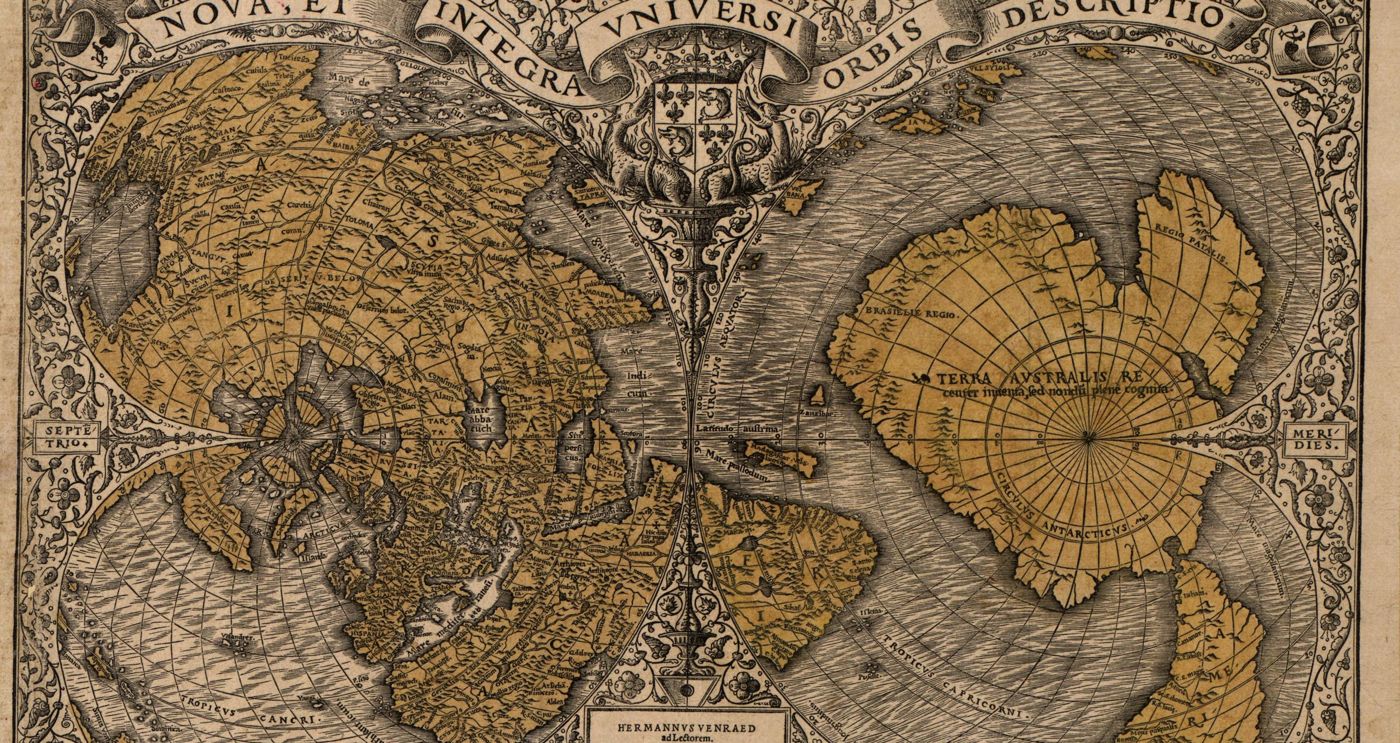
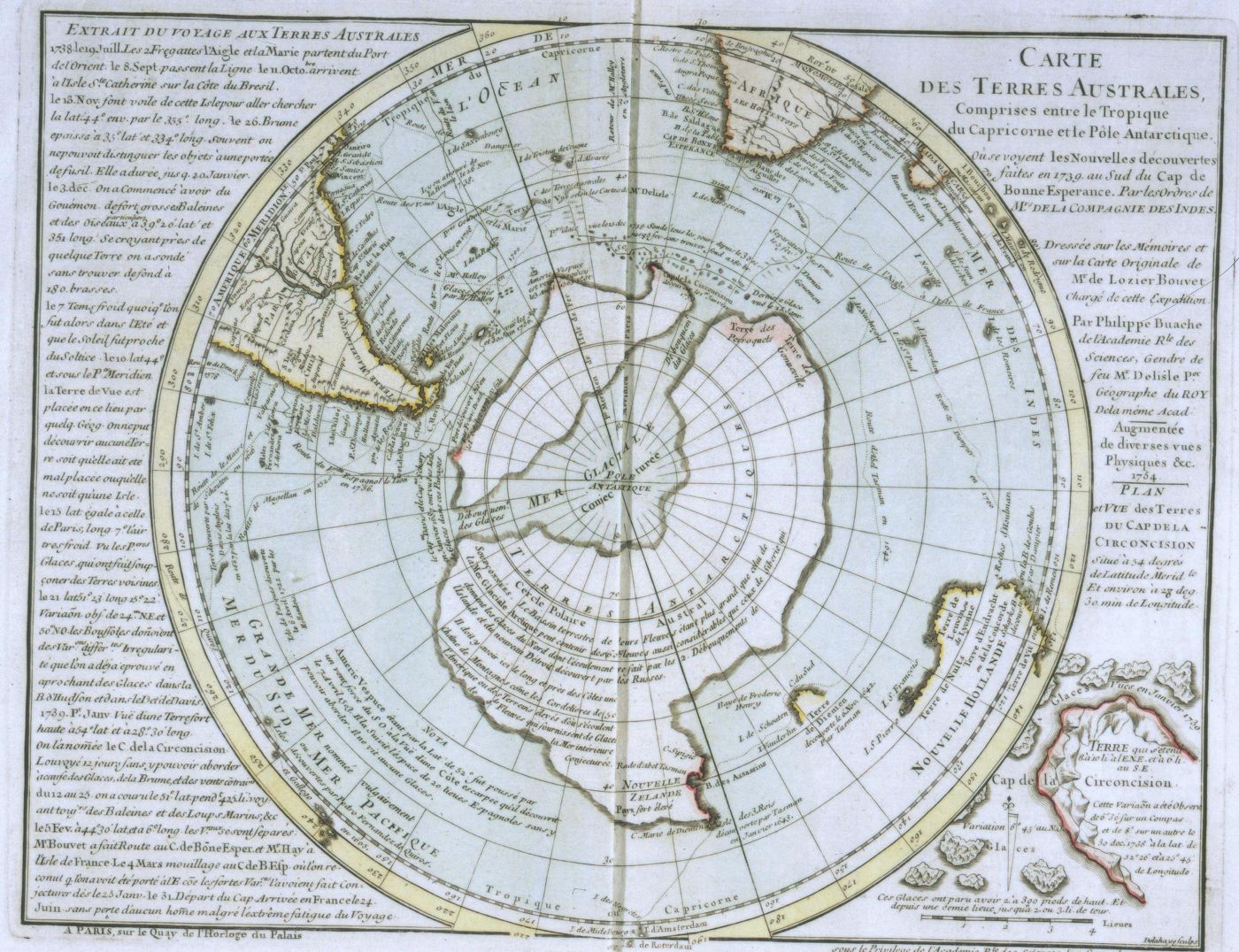
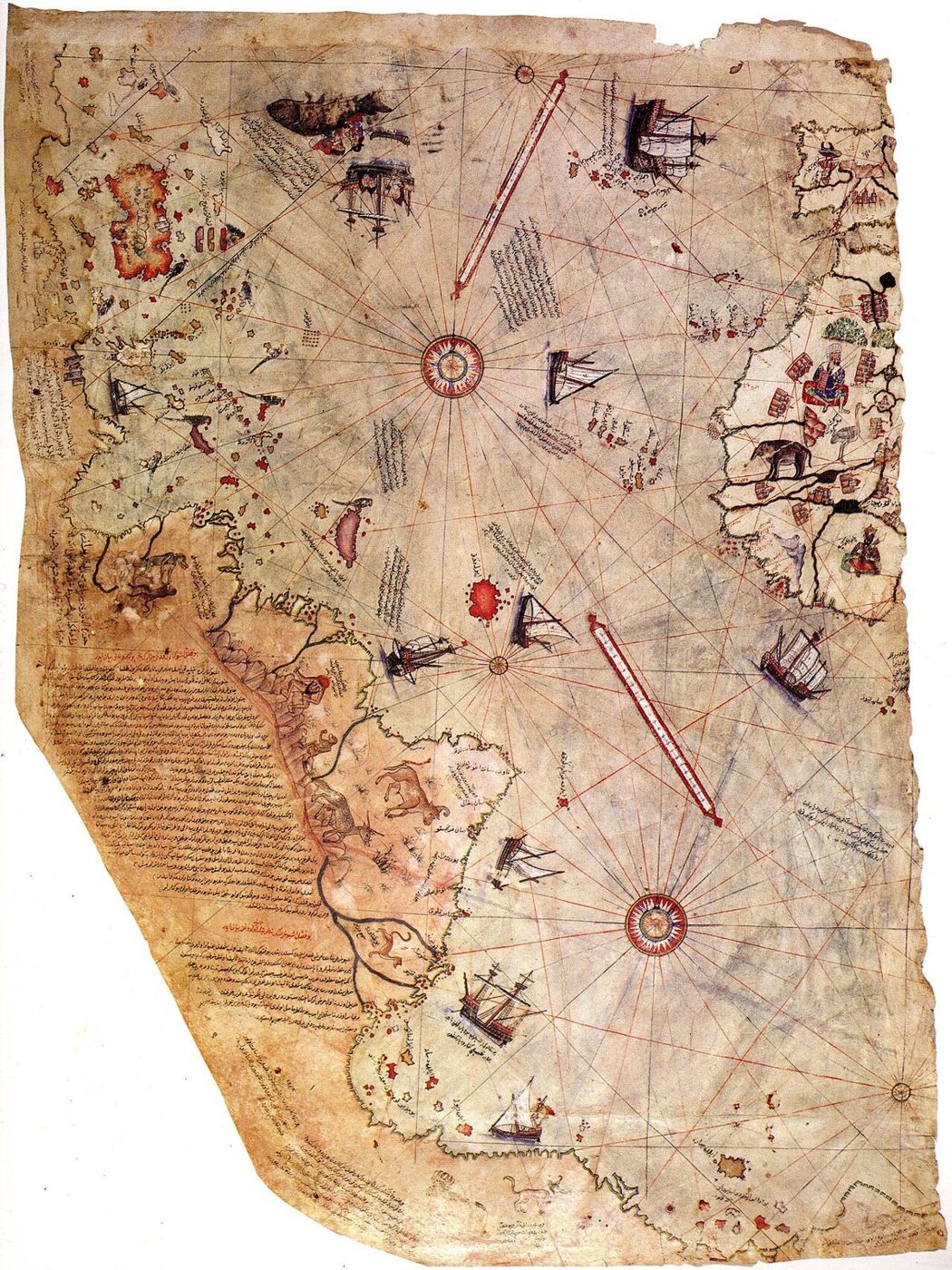
What was claimed from it. Einstein wrote that Hapgood's first letter electrified me and that the idea, if it continues to prove itself, would matter to everything that is related to the history of the earth's surface. In Maps of the Ancient Sea Kings (1966) Hapgood used the slipping crust to explain old maps: if Antarctica had lately sat in a warmer place, a people of the Ice Age could have charted its coasts before the ice, and maps like the Piri Reis map of 1513 and the Oronteus Finaeus map of 1531 could be copies of their charts.

What measurements show. Einstein himself flagged the weak point: The only doubtful assumption is that the earth's crust can be moved easily enough over the inner layers. Measurements since then find the crust in separate plates, not one shell, and the U.S. Geological Survey says they move roughly at the same rate that your fingernails grow. The spin axis does drift: NASA says the farthest it has wobbled since observations began is 37 feet (12 meters), and since about 2000 it has moved almost 7 inches (17 centimeters) a year. The Antarctic ice sheet began forming about 34 million years ago.
Questions people ask about Charles Hapgood and earth crust displacement

What is earth crust displacement?

It is Charles Hapgood's 1958 idea that the earth's rigid outer crust can slide as one piece over the softer layers beneath it, so that places move toward or away from the poles. He said the weight of off-center polar ice could start such a slide.

Did Einstein support Hapgood's theory?

Einstein wrote the foreword to Earth's Shifting Crust (1958). He called the idea worth "the serious attention of anyone who concerns himself with the theory of the earth's development", and in the same foreword named its one doubtful assumption: that the crust can move easily enough over the layers beneath it.

How fast does the earth's crust really move?

The U.S. Geological Survey says tectonic plates move about as fast as fingernails grow, and GPS measures it to a fraction of a millimeter a year. NASA measures the spin axis drifting about 17 centimeters a year since about 2000.

The open question

Still strange: The idea Einstein wrote a foreword for.

A college teacher's idea that the whole crust slips and moves the poles won a foreword from the most famous scientist alive, and later became the base for the claim that old maps show Antarctica without ice.

The Piri Reis Map of 1513 →
  1. Step 1 of 4 · This fileCharles Hapgood and earth crust displacement
  2. Step 2 of 4 · Next fileThe Piri Reis Map of 1513
  3. Step 3 of 4 · Next fileThe Oronteus Finaeus Map of 1531
  4. Step 4 of 4 · Next fileAntarctica Without Ice: The Real Map and the Old Maps
About these videos

Found by a YouTube search for this topic, not checked by us. The player loads from YouTube only when you press play.

Where this comes from

EvidenceSpeculation

Comes from Charles H. Hapgood with James H. Campbell, Earth's Shifting Crust: A Key to Some Basic…. Internet Archive: A nonprofit digital library in San Francisco, founded in 1996, that holds millions of scanned books, papers and recordings. A scan there shows the pages of a real printed book or document.

What this means

Hapgood's books and Einstein's foreword are documented; a sudden slip of the whole crust has not been measured, while plate motion and a slow drift of the spin axis have.

For Charles Hapgood and earth crust displacement, the idea goes beyond what the evidence shows. We cover it because people ask about it. The main problem: Einstein's own foreword named the doubtful step: whether the crust "can be moved easily enough over the inner layers." Plate tectonics, measured by satellite, shows separate plates moving a few centimeters a year, and NASA's largest measured wobble of the spin axis since observations began is 12 meters.

An idea or reading that goes beyond what the evidence shows. We include it because people ask about it, and we mark it so it never gets mixed in with the record.

See all five labels

Sources

  1. Internet ArchiveA nonprofit digital library in San Francisco, founded in 1996, that holds millions of scanned books, papers and recordings. A scan there shows the pages of a real printed book or document.Charles H. Hapgood with James H. Campbell, Earth's Shifting Crust: A Key to Some Basic Problems of Earth Science, foreword by Albert Einstein (Pantheon Books, New York, 1958)Primary text
  2. Internet ArchiveCharles H. Hapgood, Maps of the Ancient Sea Kings: Evidence of Advanced Civilization in the Ice Age (Chilton Books, Philadelphia, 1966)Primary text
  3. AramcoWorld archiveThe online archive of AramcoWorld (earlier Aramco World), a magazine about the history and cultures of the Arab and Muslim worlds, published by the Aramco oil company since 1949. Its articles are written by named journalists and historians.Paul F. Hoye and Paul Lunde, "Piri Reis and the Hapgood Hypotheses", Aramco World 31, no. 1 (January/February 1980)
  4. U.S. Geological Survey, "How fast do tectonic plates move?" (Frequently Asked Questions, Geology)Primary text
  5. NASA Jet Propulsion LaboratoryThe official website of NASA's Jet Propulsion Laboratory in Pasadena, California, which builds and runs many of NASA's robotic space missions.NASA Jet Propulsion Laboratory, "NASA Study Solves Two Mysteries About Wobbling Earth" (8 April 2016), on Adhikari and Ivins, Science Advances (2016)Primary text
  6. A research articleAn article written by a researcher and published in a scholarly journal or book. Most such journals have other experts check a paper before it is printed, so it carries more weight than a news story, though later studies can still change the picture.Heidelberg University, "New Insights Into the Formation of the Antarctic Ice Sheet" (5 August 2024), on Klages and others, Science 385, no. 6706 (2024), pp. 322-327Primary text

Quotations come from public-domain translations. A book in our Library links to its Library page; other links open the free online copy or the reference page.

Updated

Credible or not?

Tap one to see how other readers voted.

Discussion