Credible Theories Sign in

The record

From the text
In the morning they brought to Manu water for washing… As he was washing himself, a fish came into his hands. It spake to him the word, 'Rear me, I will save thee!'
Documented · Ancient text, c. 800–600 BCE
Shatapatha Brahmana 1.8.1 · India
Translation: Julius Eggeling, The Satapatha-Brahmana, Sacred Books of the East 12 (1882) · Public domain

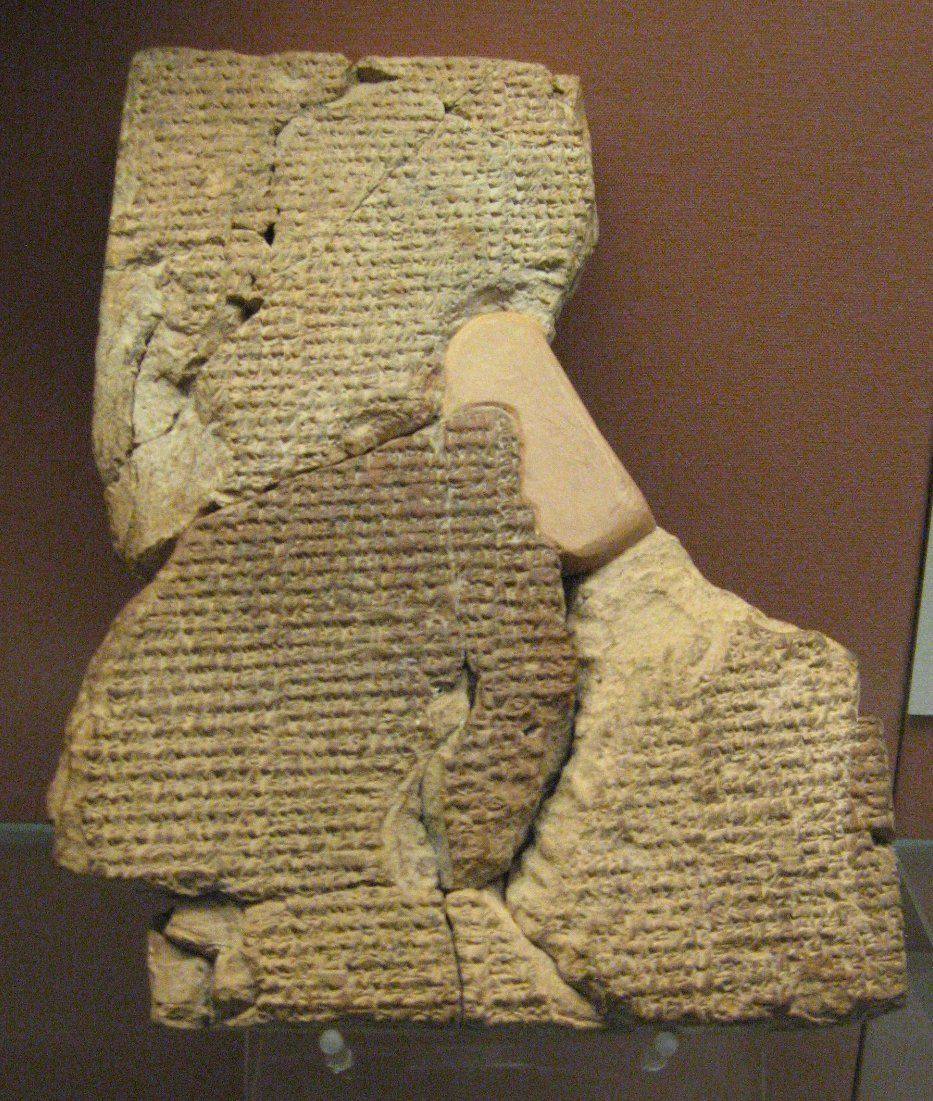
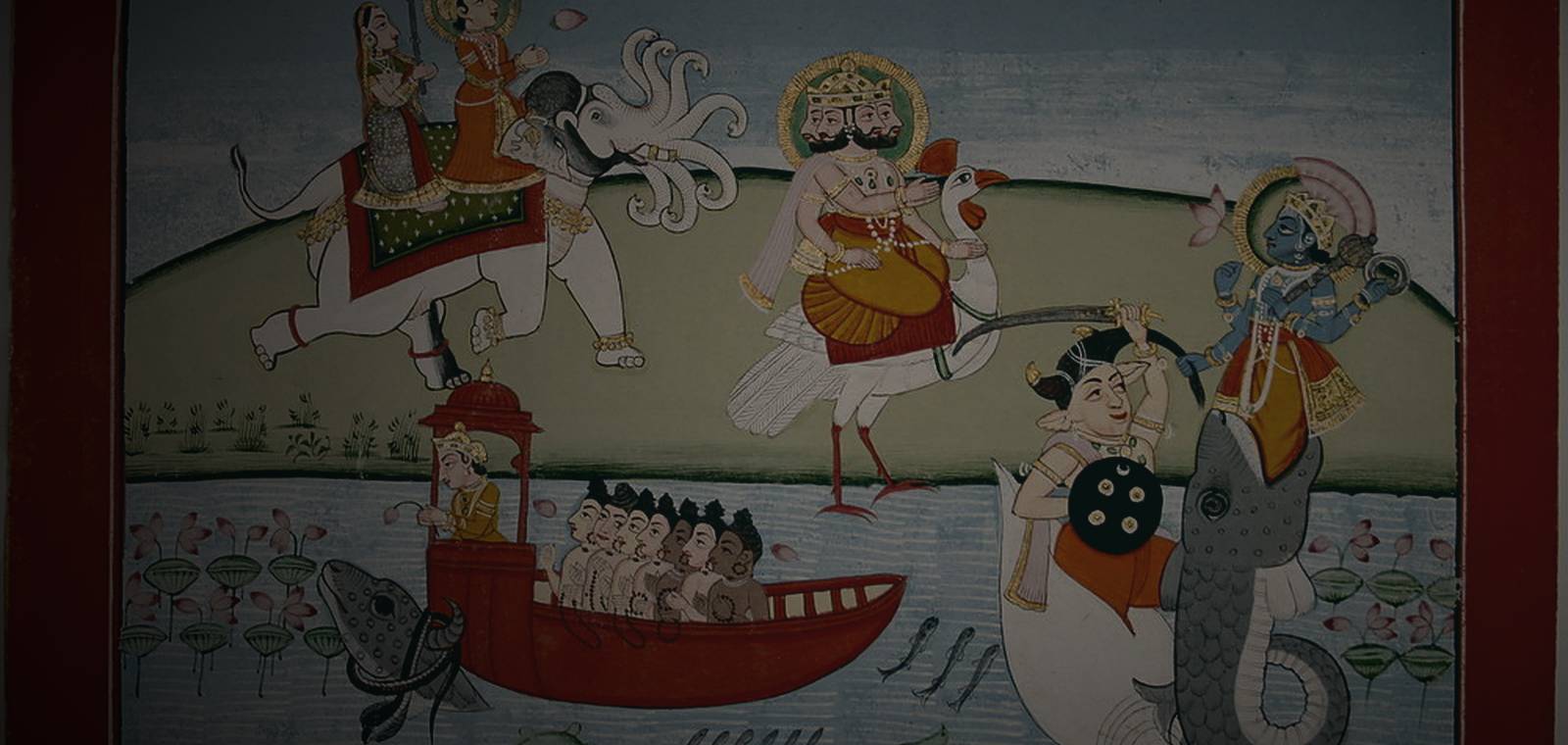
The oldest Indian flood story appears in the Shatapatha Brahmana (1.8.1), a Vedic ritual text. Eggeling's 1882 translation begins: 'In the morning they brought to Manu water for washing... When he was washing himself, a fish came into his hands. It spake to him the word, Rear me, I will save thee!'

The fish asks to be kept in a jar, then a trench, then released into the sea as it grows. It warns Manu that a flood will carry away all creatures, and tells him to build a ship. When the waters rise, Manu ties the ship's rope to the fish's horn, and it carries him over to the Northern Mountain. There, 'the flood swept away all these creatures, and Manu alone remained here.'

Manu then performs a sacrifice, and from the offering a woman, Ida, is born. With her he produces the new human race. Later texts expand the tale. The Mahabharata identifies the fish with Brahma; the Puranas make it Matsya, the first avatar of Vishnu, who also rescues the Vedas stolen by a demon.

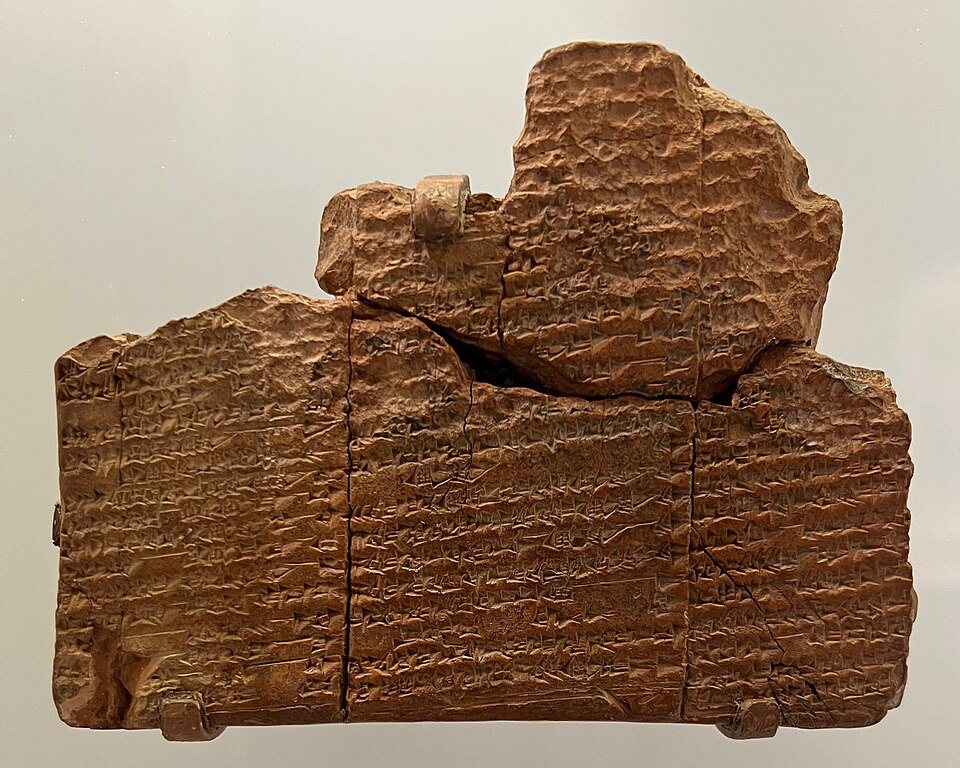
The story is one of the clearest flood narratives outside the Near East. Scholars debate whether it grew independently or reached India from Mesopotamia; either way, the warning, the boat, and the mountain echo Utnapishtim and Noah. The Shatapatha version is short and sparse, and later Indian texts added many of the details now popularly told.

The same story, told elsewhere

Shared story · Floods and lost lands

Flood Stories Around the World

A god warns one good man, a boat is built, the world drowns and birds are sent out to find land. The same story turns up from Iraq to India to Greece, with cousins in China, Scandinavia and Guatemala.

Shatapatha Brahmana (Manu and the fish) is one telling. The same story is told 9 more times, in 6 parts of the world. Follow it:

  1. Vedic IndiaNorthern India · c. 800-600 BCE · Ancient textTied to this page
  2. Babylonian (Akkadian)Mesopotamia · 7th century BCE · Ancient text
  3. Hebrew BibleJudah / Babylon · c. 600-400 BCE · Ancient text
  4. ChineseYellow River valley, China · 1st millennium BCE · Ancient text
  5. Zoroastrian (Persian)Iran / Central Asia · 1st millennium BCE · Ancient text
  6. Babylonian, retold in GreekBabylon · c. 280 BCE · Ancient text
  7. GreekGreece · 1st or 2nd century CE · Ancient text
  8. IslamArabia · 7th century CE · Medieval text
  9. NorseIceland · c. 1220 CE · Medieval text
  10. K'iche' MayaHighland Guatemala · c. 1554-1558 · Retold in English

The open question: One real flood remembered by many peoples, or many different floods that each people told in its own way? Join the debate

Shared story · Beginnings

Creation from the Primeval Waters and the Cosmic Egg

Before anything existed there was dark water. Or an egg. Babylon, Genesis, the Rig Veda, Egypt, Finland and the Quran all start the world in almost the same place.

Laws of Manu (Manusmriti), Book 1 is one telling. The same story is told 9 more times, in 5 parts of the world. Follow it:

  1. BabylonianBabylon, Mesopotamia · c. 1700-1100 BCE · Ancient text
  2. Vedic IndiaNorthwest India · c. 1200-1000 BCE · Ancient text
  3. GreekBoeotia, Greece · c. 700 BCE · Ancient text
  4. Hebrew BibleJudah / Babylon · c. 600-400 BCE · Ancient text
  5. EgyptianThebes, Egypt · c. 310 BCE · Ancient text
  6. Babylonian, retold in GreekBabylon · c. 280 BCE · Ancient text
  7. Hindu law codeIndia · c. 200 BCE · Ancient textTied to this page
  8. IslamArabia · 7th century CE · Medieval text
  9. NorseIceland · c. 1000 CE · Medieval text
  10. FinnishFinland and Karelia · 1820 · Recorded folklore

The open question: Why would people who never met all start the world in dark water? A shared idea, or the most natural guess anyone would make? Join the debate

Shared story · Beginnings

The Lost Golden Age and the Ages of the World

Gold, silver, bronze, iron: Greece, Persia and the Book of Daniel all count the ages of the world in metals, India counts four yugas, and the Norse and Maya see whole worlds destroyed and remade.

Laws of Manu, Book 1 (the four ages) is one telling. The same story is told 9 more times, in 6 parts of the world. Follow it:

  1. GreekBoeotia, Greece · c. 700 BCE · Ancient text
  2. Greek (Plato)Athens · c. 360 BCE · Ancient text
  3. Greek, about EgyptAthens, telling an Egyptian story · c. 360 BCE · Ancient text
  4. Hindu law codeIndia · c. 200 BCE · Ancient textTied to this page
  5. Hebrew BibleJudea · c. 165 BCE · Ancient text
  6. RomanRome · c. 8 CE · Ancient text
  7. Zoroastrian (Persian)Iran · 9th to 13th centuries CE · Medieval text
  8. Zoroastrian (Persian)Iran · 9th century CE · Medieval text
  9. NorseIceland · c. 1000 CE · Medieval text
  10. K'iche' MayaHighland Guatemala · c. 1554-1558 · Retold in English

The open question: Why do so many traditions believe the past was better and the world is running down? Memory, or human nature? Join the debate

Questions people ask about Manu and Matsya (the fish)

What is the story of Manu and the fish?

Later Hindu tradition says the flood hero is Vaivasvata Manu, son of the sun god Vivasvan and the seventh of fourteen Manus who each rule a period within a day of Brahma. In the Puranas the ship carries seeds of all living things and seven sages. The Sanskrit words manushya and manava, meaning human, are said to mean children of Manu.

Is Manu the same person who wrote the Laws of Manu?

No, according to Hindu tradition. The Manusmriti, the famous law code, is credited to Svayambhuva Manu, the first Manu, born from Brahma's mind. The flood survivor belongs to a later age. Modern scholars think the law code was written by unknown authors over several centuries, roughly between 200 BCE and 200 CE, and given Manu's name for authority.

How is Matsya shown in Hindu art?

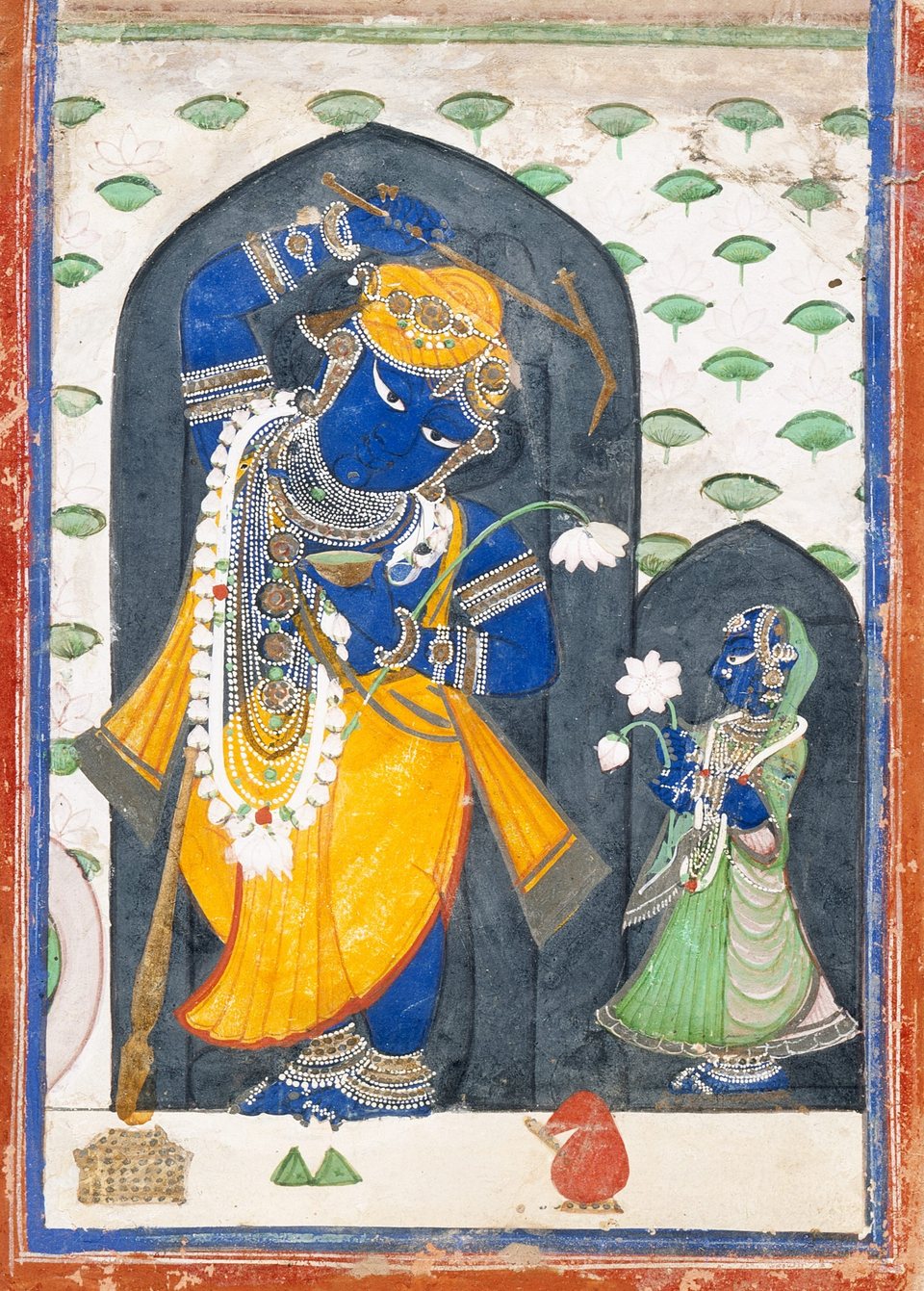
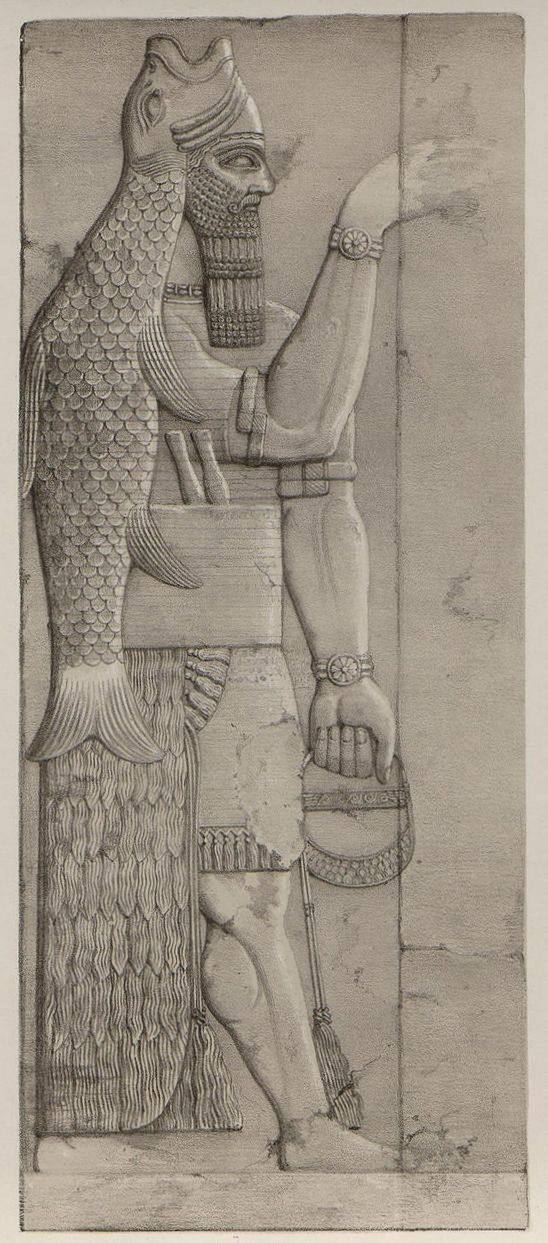
Temple sculptures and paintings often show Matsya as half fish and half man: a four-armed upper body of Vishnu rising from a fish's tail, holding a conch and a discus. Other images show a giant fish towing Manu's boat. He leads the traditional list of ten avatars, followed by Kurma the tortoise and Varaha the boar.

The open question

Still strange: After the flood, the story says, a woman named Ida was born from Manu's offering, and with her he started the new human race.

Utnapishtim: The Flood Hero Who Was Granted Eternal Life →
  1. Step 1 of 4 · This fileManu and Matsya
  2. Step 2 of 4 · The passageManu and the fish, Shatapatha Brahmana 1.8.1
  3. Step 3 of 4 · The longer textThe Satapatha-Brahmana, Part I (Books I and II), Sacred Books of the East vol. XII
  4. Step 4 of 4 · Next fileUtnapishtim: The Flood Hero Who Was Granted Eternal Life
About these videos

Found by a YouTube search for this topic, not checked by us. The player loads from YouTube only when you press play.

Where it turns up

Where this comes from

EvidenceMyth or legend

Comes from Shatapatha Brahmana 1.8.1, trans. Julius Eggeling, Sacred Books of the East vol. 12 (1882). The Shatapatha Brahmana: A long Sanskrit prose book explaining the rituals of the Vedas, India's oldest holy texts. It reached its final form by about 300 BC, using older material.

What this means

A story or tradition. It is documented as a story; nothing independent shows it happened.

Manu and Matsya is known from stories, scripture or tradition. The texts are real and we quote them (for example Shatapatha Brahmana 1.8.1, trans. Julius Eggeling, Sacred Books of the East vol. 12 (1882)), but nothing outside those texts shows that Manu and Matsya was real as described.

The page covers something known from myths, scripture or tradition. The texts are real and we quote them, but no independent record shows the events or beings were real.

See all five labels

Sources

  1. The Shatapatha BrahmanaA long Sanskrit prose book explaining the rituals of the Vedas, India's oldest holy texts. It reached its final form by about 300 BC, using older material. In it a fish warns the first man, Manu, of a coming flood and tows his boat to safety. Julius Eggeling's English version came out from 1882 to 1900.Shatapatha Brahmana 1.8.1, trans. Julius Eggeling, Sacred Books of the East vol. 12 (1882) Online copyPrimary text Archived copy, 2026-10-03
  2. The MahabharataOne of the two great Sanskrit epics of India, about a war between two branches of a royal family. With about 100,000 verses it is one of the longest poems ever made. It was mostly put together between about 300 BC and AD 300. Kisari Mohan Ganguli made the first full English version, 1883 to 1896.The Mahabharata, trans. Kisari Mohan Ganguli (1883–1896) Online copyPrimary text Archived copy, 2026-10-03
  3. WikipediaA free online encyclopedia written and edited by volunteers. It is a good starting point and usually lists its own sources, but anyone can change it, so we treat it as a guide to better sources, not the final word.Wikipedia, "Matsya"Reference Archived copy, 2026-09-18
  4. WikipediaWikipedia, "Manu (Hinduism)"Reference Archived copy, 2026-09-25

Quotations come from public-domain translations. A book in our Library links to its Library page; other links open the free online copy or the reference page.

Updated

Credible or not?

Tap one to see how other readers voted.

Discussion