












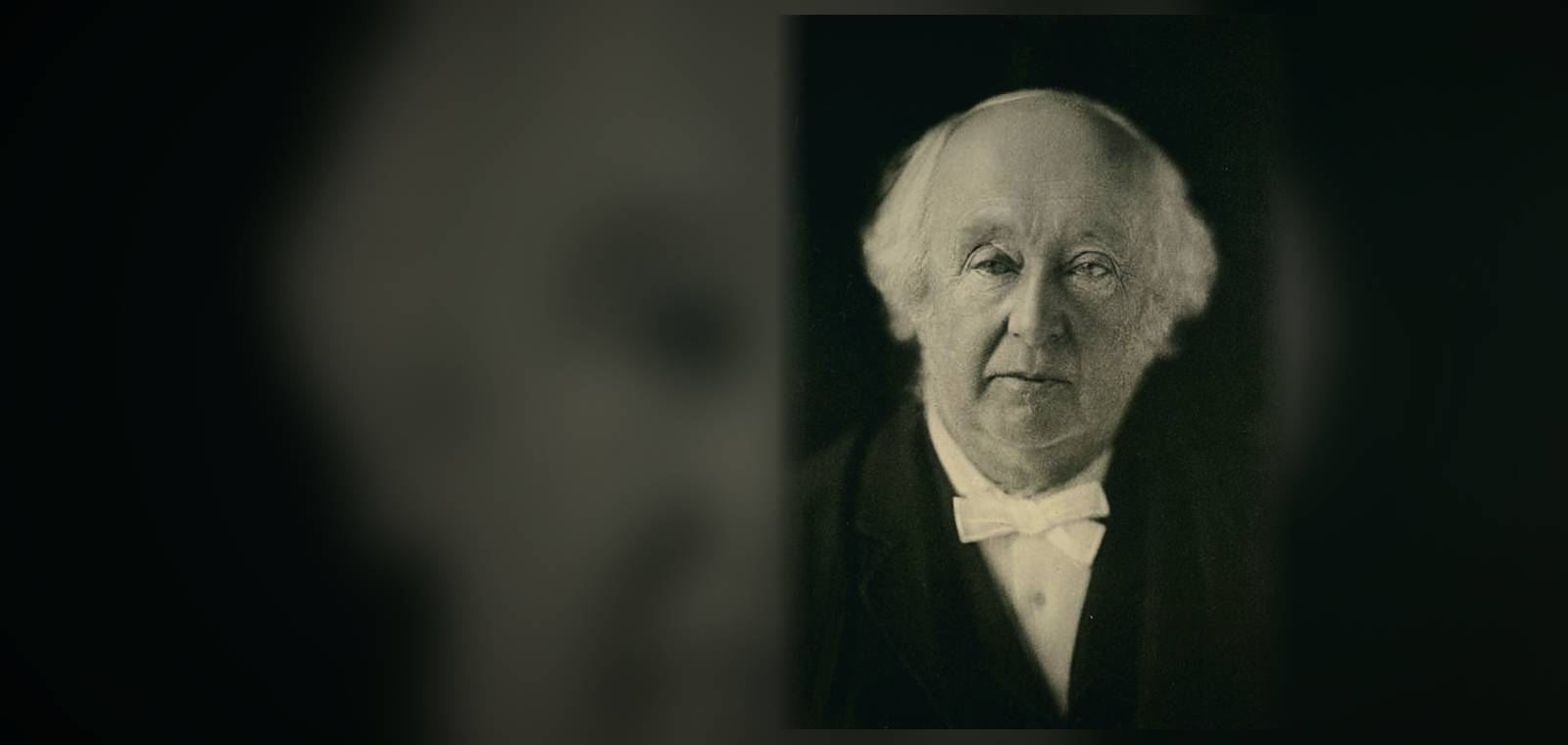
What is Benjamin Jowett known for?
Benjamin Jowett was an English classical scholar and one of the best-known teachers at Victorian Oxford. He became Regius Professor of Greek in 1855, Master of Balliol College in 1870, and Vice-Chancellor of the university from 1882 to 1886. Many later politicians and writers had been his pupils.
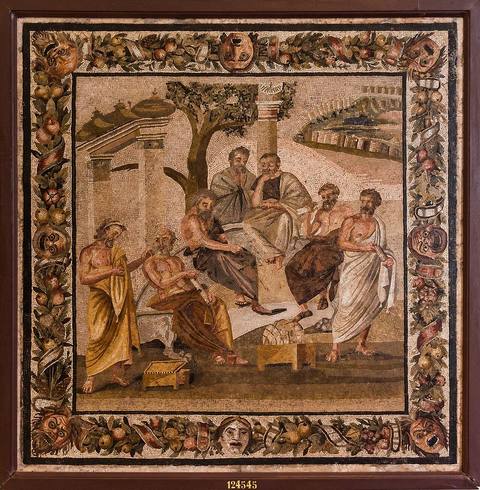
His most lasting work is his English translation of the complete Dialogues of Plato, published in 1871 after about ten years of work and revised in later editions. Each dialogue came with an introductory essay. The translation helped make Plato part of ordinary English reading, and because it is long out of copyright it is the version found on Project Gutenberg and most free sites.
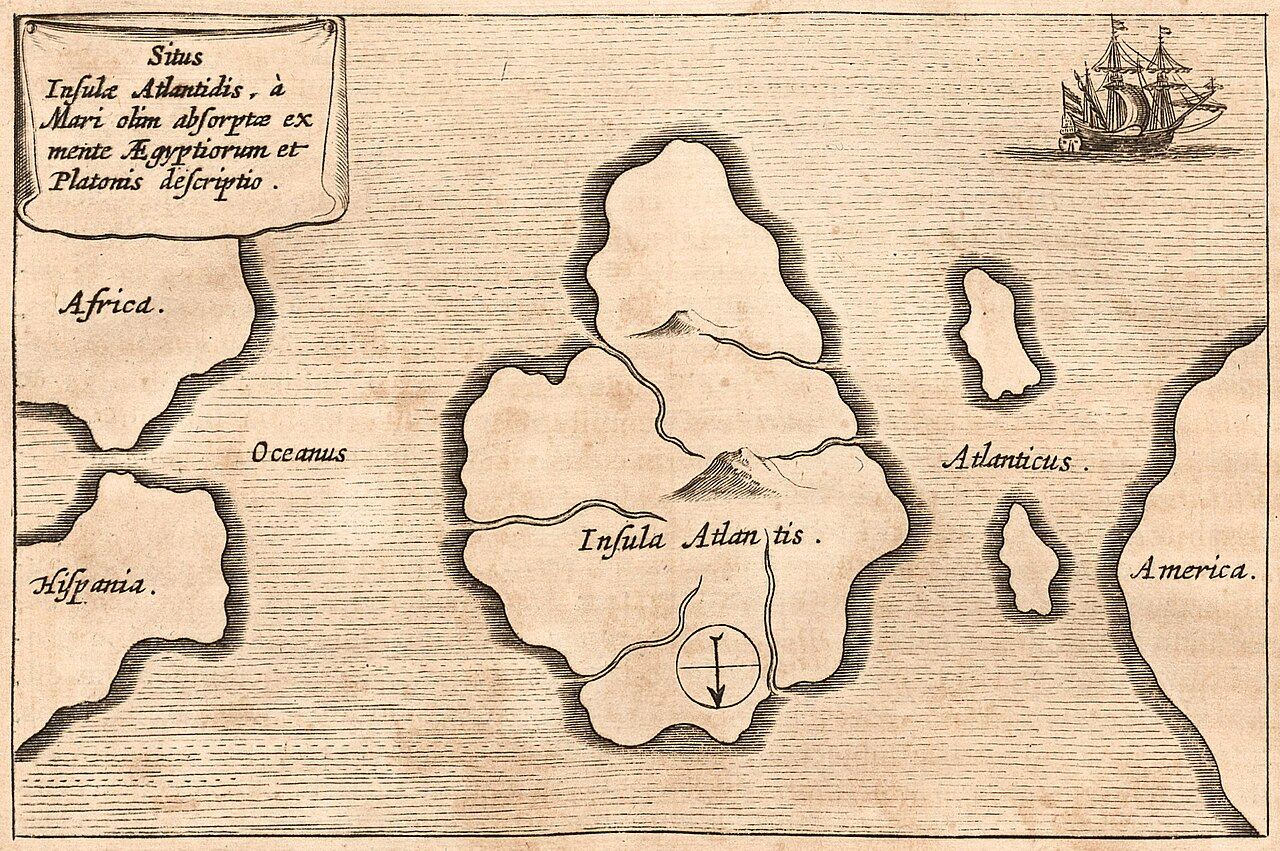
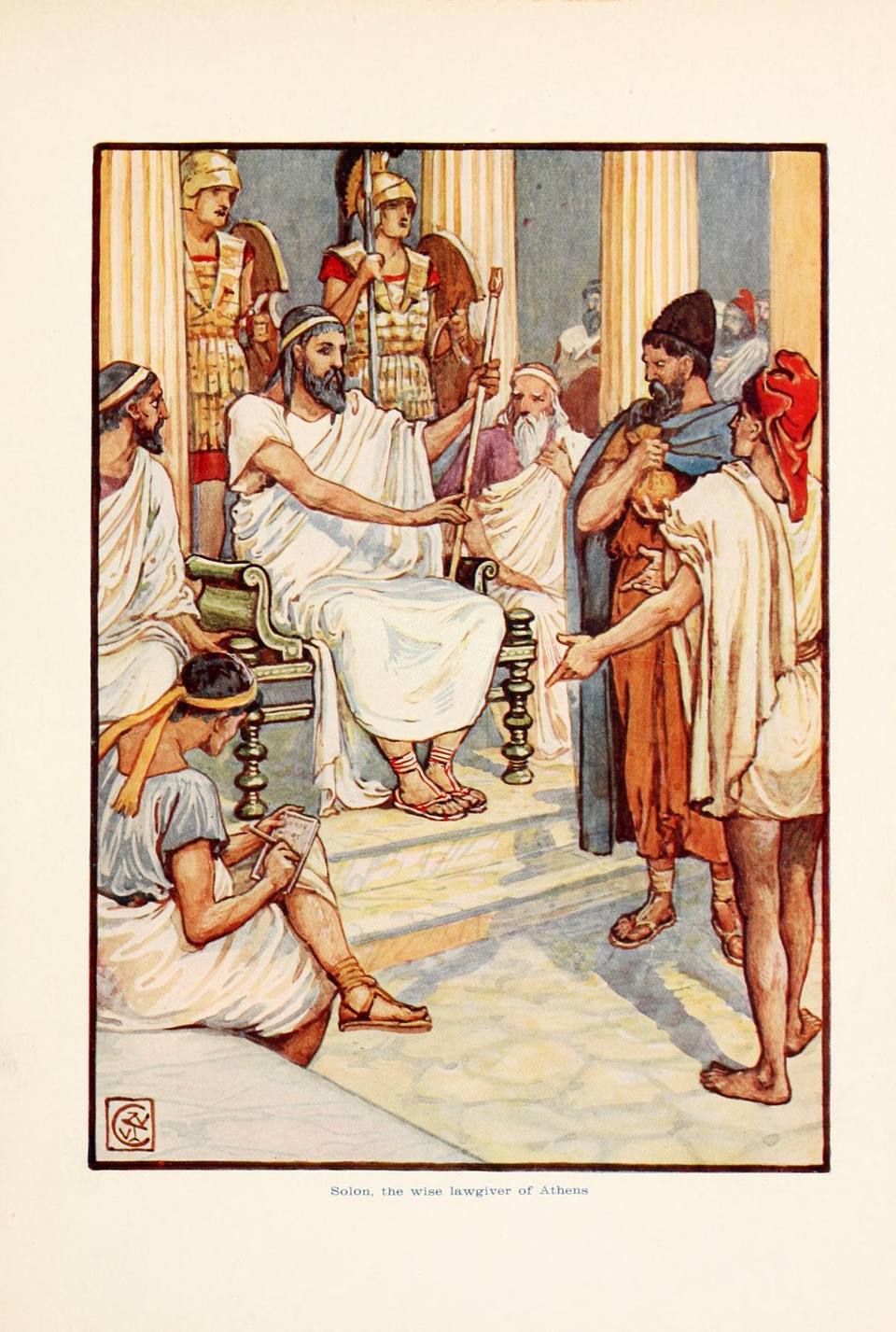
Jowett's Timaeus and Critias are the texts in which Plato tells the story of Atlantis, which the character Critias says came from Egyptian priests by way of Solon. Jowett translated the story; he did not treat it as history, and most classicists today read it as a philosophical tale invented by Plato.
Titles and honors
- Offices held
- Master of Balliol College, Oxford 1870-1893
- Regius Professor of Greek, Oxford 1855-1893
- Vice-Chancellor of Oxford University 1882-1886
The same story, told elsewhere
Shared story · Beginnings
Beings Who Taught Humanity the Arts
Fallen angels taught metalwork and makeup, a fish-man from the sea taught writing and law, Prometheus gave fire and numbers, and Thoth invented letters. Many cultures say civilization was a gift from outside.
Plato, Phaedrus (the myth of Theuth) is one telling. The same story is told 6 more times, in 4 parts of the world. Follow it:
- GreekAthens · c. 460-430 BCE · Ancient text
- Greek, about EgyptAthens, telling an Egyptian story · c. 370 BCE · Ancient textTied to this page
- ChineseChina · c. 4th to 3rd century BCE · Ancient text
- Jewish apocalyptic (Second Temple)Judea · c. 300-200 BCE · Ancient text
- Babylonian, retold in GreekBabylon · c. 280 BCE · Ancient text
- Jewish (Second Temple)Judea · c. 160-150 BCE · Ancient text
- IslamArabia · 7th century CE · Medieval text
The open question: Did people credit outsiders for their own inventions, or is there a reason so many say they were taught? Join the debate
Shared story · Beginnings
The Lost Golden Age and the Ages of the World
Gold, silver, bronze, iron: Greece, Persia and the Book of Daniel all count the ages of the world in metals, India counts four yugas, and the Norse and Maya see whole worlds destroyed and remade.
Plato, Statesman (the age of Cronos) is one telling. The same story is told 9 more times, in 6 parts of the world. Follow it:
- GreekBoeotia, Greece · c. 700 BCE · Ancient text
- Greek (Plato)Athens · c. 360 BCE · Ancient textTied to this page
- Greek, about EgyptAthens, telling an Egyptian story · c. 360 BCE · Ancient text
- Hindu law codeIndia · c. 200 BCE · Ancient text
- Hebrew BibleJudea · c. 165 BCE · Ancient text
- RomanRome · c. 8 CE · Ancient text
- Zoroastrian (Persian)Iran · 9th to 13th centuries CE · Medieval text
- Zoroastrian (Persian)Iran · 9th century CE · Medieval text
- NorseIceland · c. 1000 CE · Medieval text
- K'iche' MayaHighland Guatemala · c. 1554-1558 · Retold in English
The open question: Why do so many traditions believe the past was better and the world is running down? Memory, or human nature? Join the debate
Shared story · Floods and lost lands
Lost Lands Under the Sea: Atlantis, Dvaraka and Ys
A rich city, a proud people and one terrible day when the sea comes in and never leaves. Greece, India, Egypt, Wales, Cornwall and Brittany all tell of a land that now lies under the waves.
Plato, Timaeus (Atlantis) is one telling. The same story is told 8 more times, in 4 parts of the world. Follow it:
- Ancient EgyptianEgypt · c. 1900-1800 BCE · Ancient text
- Hindu (Sanskrit epic)Dvaraka · c. 400 BCE · Ancient text
- Greek, retold in a Roman-era geographyHelike, on the Gulf of Corinth, Greece · 373 BCE · Ancient text
- GreekAthens · c. 360 BCE · Ancient textTied to this page
- Tamil (South India)Tamil Nadu, southern tip of India · c. 5th-6th century CE · Ancient text
- WelshCardigan Bay, Wales · c. 1250 CE · Medieval text
- BretonBay of Douarnenez, Brittany, France · 15th century · Retold in English
- CornishBetween Land's End and the Isles of Scilly, Cornwall, England · c. 1478 · Medieval text
- Modern science (19th-century Europe)Germany and Britain · 1864 · Modern book
The open question: Do these stories keep real memories of lost coastlines, or is a drowned city simply a story people tell to warn against pride? Join the debate
Mentioned on these pages
Linked people and places
Where this comes from
Comes from Project Gutenberg, Plato, 'Timaeus', tr. Benjamin Jowett. Plato's Timaeus: A dialogue written by the Greek philosopher Plato in Athens around 360 BC. It opens with the story of Atlantis, said to come from Egyptian priests by way of the Athenian lawmaker Solon, then explains how the world was made. It is the oldest source for Atlantis; no earlier writer mentions it.
What this means
A real person with records. Sources are listed below.
For Benjamin Jowett, the original record exists and is linked: Project Gutenberg, Plato, 'Timaeus', tr. Benjamin Jowett. That tells you the record is real and what it says. It does not mean every claim in it is true.
Primary records exist: an original document, a published text, an official file or a dated report. We link to them. This level says the record exists and what it says, not that every claim in it is true.
Sources
- Plato's TimaeusA dialogue written by the Greek philosopher Plato in Athens around 360 BC. It opens with the story of Atlantis, said to come from Egyptian priests by way of the Athenian lawmaker Solon, then explains how the world was made. It is the oldest source for Atlantis; no earlier writer mentions it.Project Gutenberg, Plato, 'Timaeus', tr. Benjamin JowettPrimary text Archived copy, 2026-08-17
- WikipediaA free online encyclopedia written and edited by volunteers. It is a good starting point and usually lists its own sources, but anyone can change it, so we treat it as a guide to better sources, not the final word.Wikipedia, 'Benjamin Jowett'Reference Archived copy, 2026-08-29