












What is Enmeduranki known for?
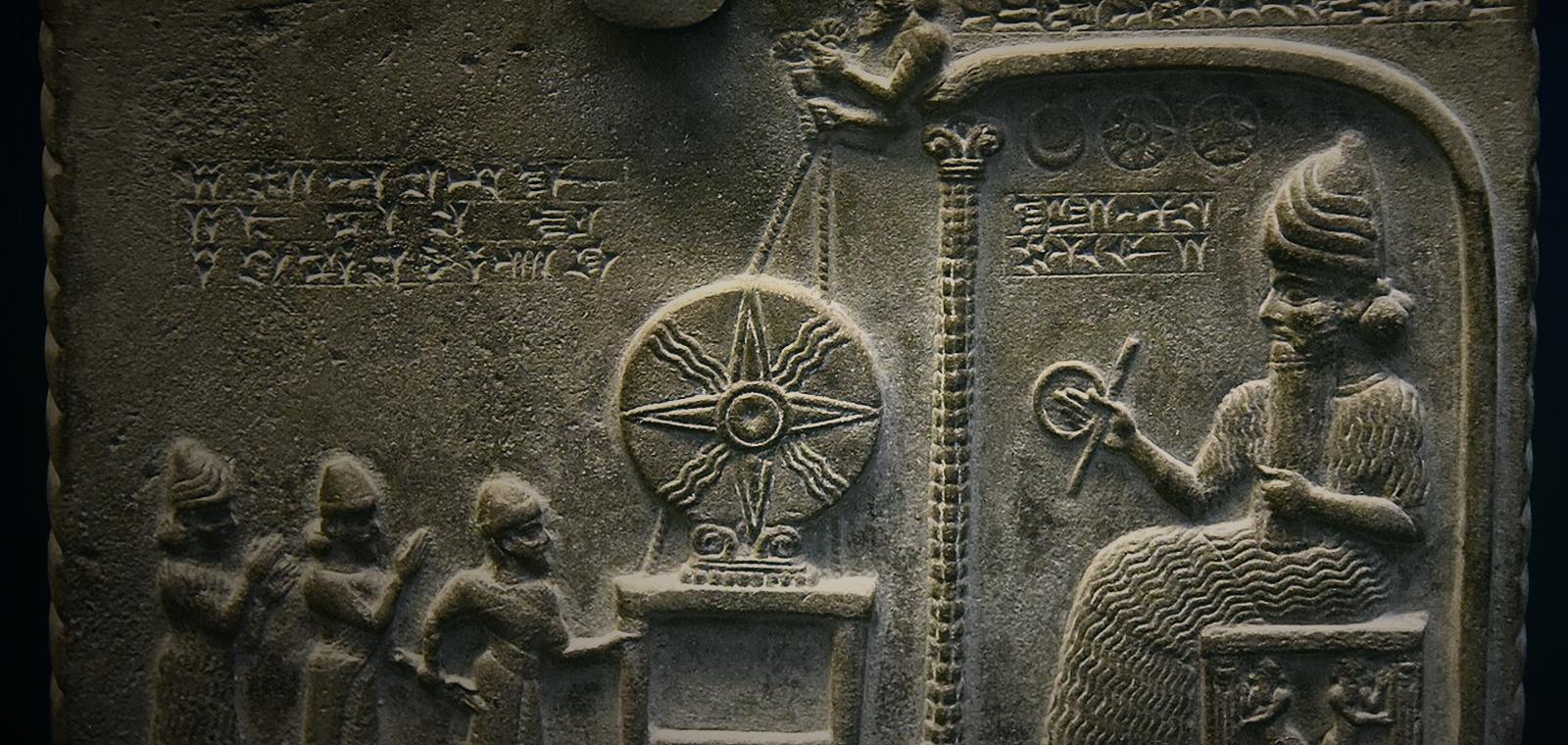
En-men-dur-ana, usually written Enmeduranki, appears in the Sumerian King List as a king of Sippar before the Flood, credited with a reign of 21,000 years. His name means roughly 'chief of the powers of Duranki', the 'bond of heaven and earth'. Sippar was the city of the sun god Utu, later Shamash.
A later Akkadian text says the gods Shamash and Adad brought him into their assembly and taught him divination: reading oil on water and the livers of sacrificed animals. He was regarded as the ancestor of the baru, the diviner-priests.
Scholars often compare him with Enoch, the seventh figure from Adam in Genesis, who 'walked with God' and in later Jewish books receives heavenly secrets. The parallel is widely discussed but not proven to be direct borrowing. Assyriologists regard the pre-Flood kings as legendary.
Titles and honors
- Titles
- King of Sippar, in the Sumerian King List
Mentioned on these pages
- FileEnoch
Linked people and places
Where this comes from
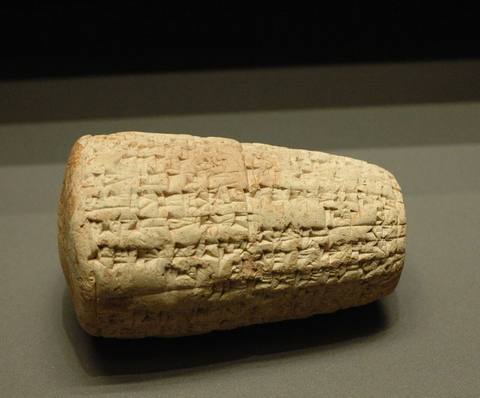
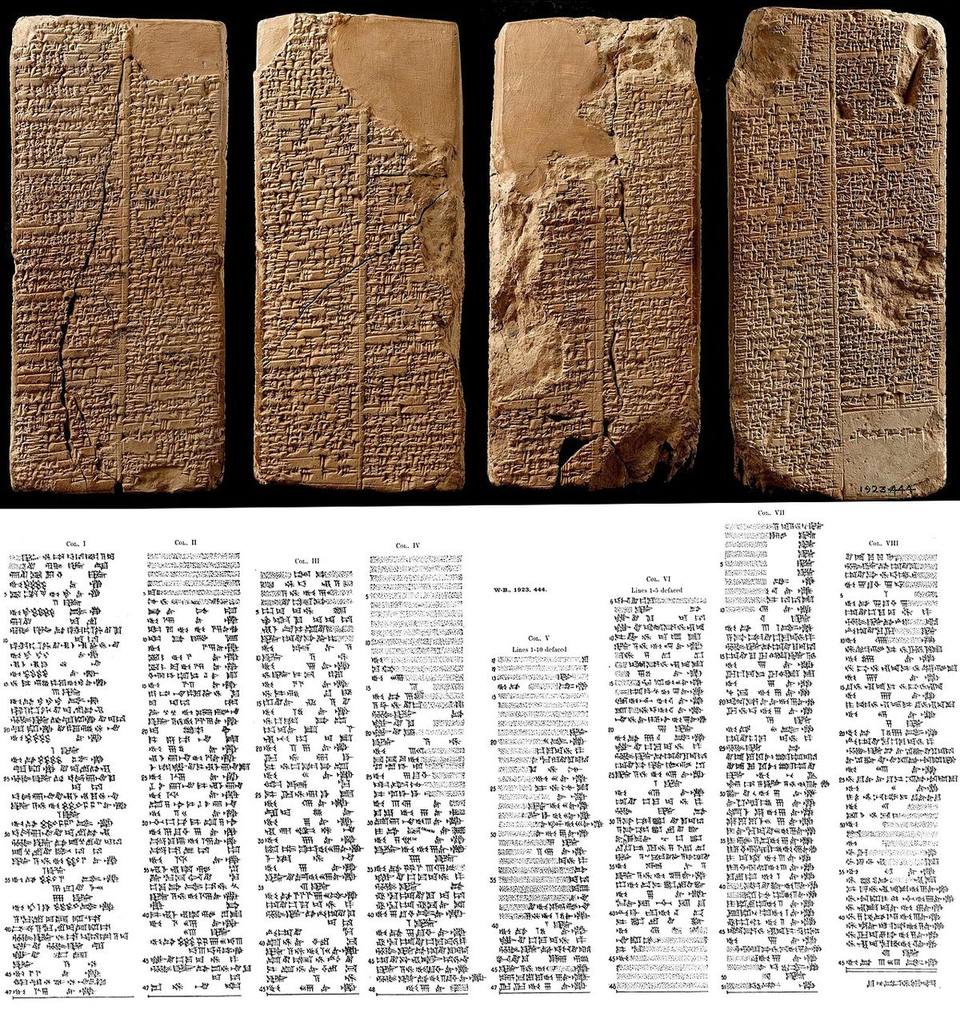
Comes from ETCSL, 'The Sumerian King List: translation' (University of Oxford). A list of the kings of Sumer and their cities, starting with kings 'before the Flood' who are said to have reigned for tens of thousands of years. It was written down around 2000 to 1800 BC. The best copy, the Weld-Blundell Prism, is in the Ashmolean Museum, Oxford.
What this means
A story or tradition. It is documented as a story; nothing independent shows it happened.
Enmeduranki is known from stories, scripture or tradition. The texts are real and we quote them (for example ETCSL, 'The Sumerian King List: translation' (University of Oxford)), but nothing outside those texts shows that Enmeduranki was real as described.
The page covers something known from myths, scripture or tradition. The texts are real and we quote them, but no independent record shows the events or beings were real.
Sources
- The Sumerian King ListA list of the kings of Sumer and their cities, starting with kings 'before the Flood' who are said to have reigned for tens of thousands of years. It was written down around 2000 to 1800 BC. The best copy, the Weld-Blundell Prism, is in the Ashmolean Museum, Oxford.ETCSL, 'The Sumerian King List: translation' (University of Oxford)Primary text Archived copy, 2026-09-19
- WikipediaA free online encyclopedia written and edited by volunteers. It is a good starting point and usually lists its own sources, but anyone can change it, so we treat it as a guide to better sources, not the final word.Wikipedia, 'En-men-dur-ana'Reference Archived copy, 2026-10-03
No public-domain picture of this person yet. We do not show drawn or generated likenesses.