












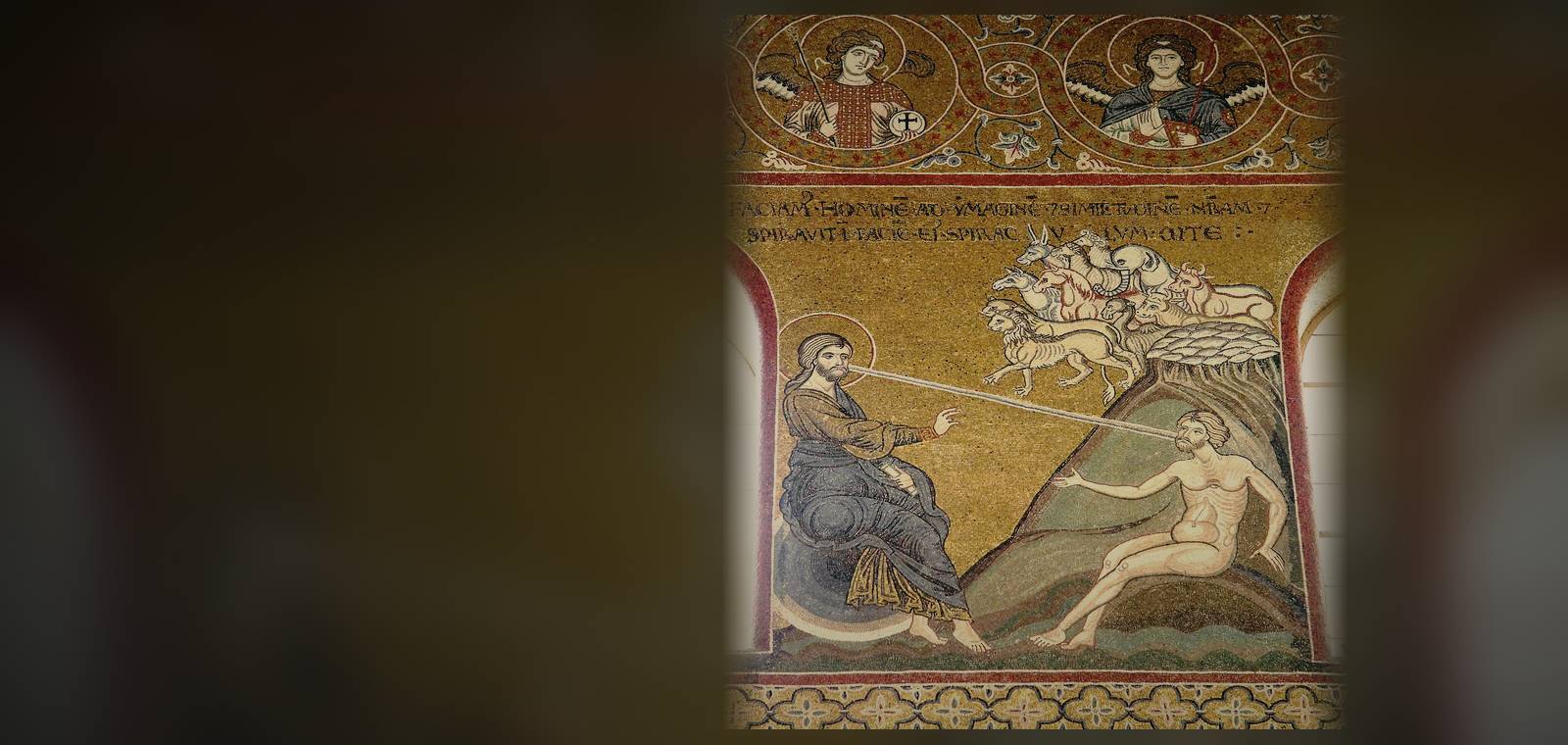
What is Adam known for?
Adam is the first human in the creation stories of Genesis. In Genesis 2 God forms him from the dust of the ground and places him in the garden of Eden. His name is the ordinary Hebrew word for a human being and sounds like adamah, the soil. After he and Eve eat from the forbidden tree they are sent out of the garden. Genesis 5 says he fathered Seth at 130 and lived 930 years.
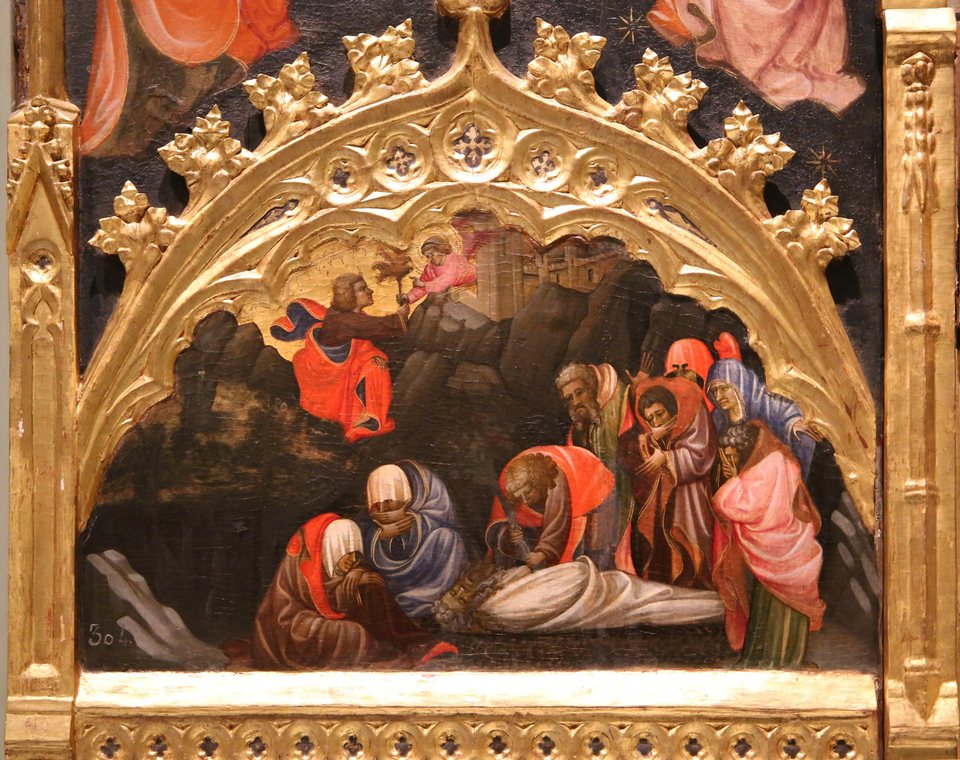
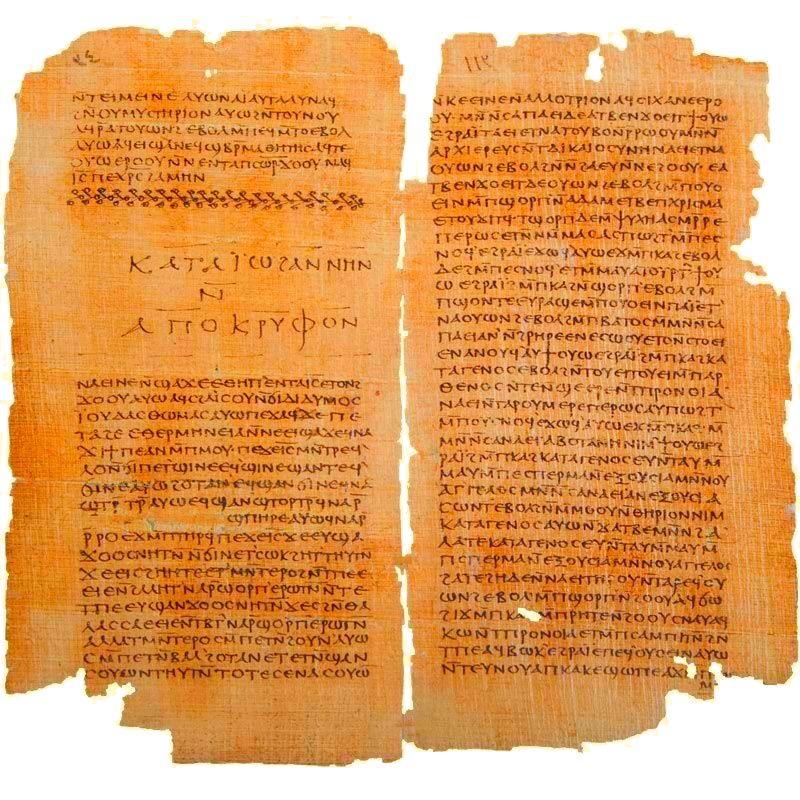
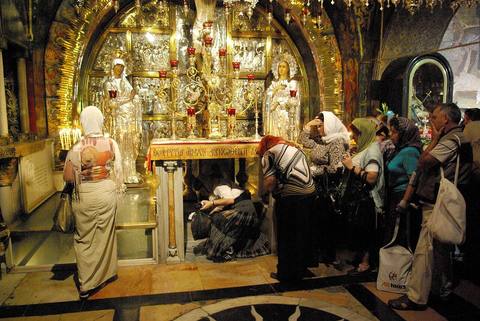
Later Jewish and Christian writings filled in his story. The Life of Adam and Eve has the devil explain that he fell because he refused to bow to Adam, a scene that also appears in the Quran with Iblis. The Cave of Treasures says Noah carried Adam's body into the ark and that it was later buried at Golgotha. Gnostic texts from Nag Hammadi describe hostile rulers, the Archons, building Adam's body.
Most modern scholars read the Eden story as a theological narrative rather than history, and date the final form of Genesis 1–11 to around the 5th century BCE, with Mesopotamian influences.
Titles and honors
- Titles
- Manifestation of God, in the Bahai Faith
The same story, told elsewhere
Shared story · Beginnings
Creation from the Primeval Waters and the Cosmic Egg
Before anything existed there was dark water. Or an egg. Babylon, Genesis, the Rig Veda, Egypt, Finland and the Quran all start the world in almost the same place.
Genesis 1 is one telling. The same story is told 9 more times, in 5 parts of the world. Follow it:
- BabylonianBabylon, Mesopotamia · c. 1700-1100 BCE · Ancient text
- Vedic IndiaNorthwest India · c. 1200-1000 BCE · Ancient text
- GreekBoeotia, Greece · c. 700 BCE · Ancient text
- Hebrew BibleJudah / Babylon · c. 600-400 BCE · Ancient textTied to this page
- EgyptianThebes, Egypt · c. 310 BCE · Ancient text
- Babylonian, retold in GreekBabylon · c. 280 BCE · Ancient text
- Hindu law codeIndia · c. 200 BCE · Ancient text
- IslamArabia · 7th century CE · Medieval text
- NorseIceland · c. 1000 CE · Medieval text
- FinnishFinland and Karelia · 1820 · Recorded folklore
The open question: Why would people who never met all start the world in dark water? A shared idea, or the most natural guess anyone would make? Join the debate
Shared story · Death and return
How Death Came: Eden, Adapa and the Chameleon
Again and again, people almost lived forever. A man refuses the food of life, a snake steals the plant of youth, a slow chameleon arrives too late, and a woman throws a stone that sinks. Each time, the chance was lost.
Genesis 3 (the tree of life) is one telling. The same story is told 8 more times, in 6 parts of the world. Follow it:
- Babylonian (Akkadian)Mesopotamia · c. 1400-1350 BCE · Ancient text
- Babylonian (Akkadian)Mesopotamia · c. 1200-1000 BCE · Ancient text
- Hebrew BibleJudah / Babylon · c. 900-500 BCE · Ancient textTied to this page
- GreekBoeotia, Greece · c. 700 BCE · Ancient text
- Japanese (Shinto)Japan · 712 CE · Medieval text
- Khoikhoi (South Africa / Namibia)Southern Africa · 1800 · Recorded folklore
- Maori (New Zealand)New Zealand · 1840 · Recorded folklore
- Zulu (South Africa)Natal · 1868-1870 · Recorded folklore
- Blackfoot (Plains)Northern Great Plains · 1892 · Recorded folklore
The open question: Do these stories share one ancient source, or does every people eventually ask why we die and arrive at the same kind of answer? Join the debate
Shared story · Beginnings
People Made From Clay: Adam, Nuwa, Prometheus and the Potter Gods
A god kneels in the mud, shapes a body with his hands and breathes it into life. That scene is told in Iraq, Israel, Egypt, Greece, China, Arabia, Guatemala, Sudan and New Zealand.
Genesis 2 (the forming of Adam) and Quran, Surah al-Hijr are two tellings. The same story is told 7 more times, in 6 parts of the world. Follow it:
- Babylonian (Akkadian)Mesopotamia · c. 1700 BCE · Ancient text
- Ancient EgyptianEgypt · c. 1215 BCE · Ancient text
- Hebrew BibleJudah · c. 900-450 BCE · Ancient textTied to this page
- GreekGreece · 1st or 2nd century CE · Ancient text
- ChineseChina · c. 195 CE · Retold in English
- IslamArabia · 7th century CE · Medieval textTied to this page
- K'iche' MayaHighland Guatemala · c. 1554-1558 · Retold in English
- Maori (New Zealand)Aotearoa · 19th century · Retold in English
- Shilluk (South Sudan)White Nile, South Sudan · 1911 · Retold in English
The open question: Did one old story about a potter god travel from people to people, or does anyone who works with clay end up imagining that we were made from it? Join the debate
Mentioned on these pages
- FileArchons
- FileBook of Jasher
- FileBook of Jubilees
- FileCave of Treasures
- FileCherubim
- FileEnoch
- FileIblis
- FileIdris
- FileLife of Adam and Eve
- FileNimrod
- FileNorea
- ChapterOne History 4: The limits
- PassageArchons build Adam's body (Apocryphon of John)
- PassageNations divided among the sons of God (Deuteronomy 32:8–9)
- PassageNorea burns the Ark (Hypostasis of the Archons)
- PassageSatan refuses to bow to Adam (Life of Adam and Eve 12–16)
- PersonCain
- PersonEnmeduranki
- PersonEphrem the Syrian
- PersonEsau
- PersonEve
- PersonJared
- PersonJesus of Nazareth
- PersonJude
- PersonLuke the Evangelist
- PersonMansur al-Hallaj
- PersonMelchizedek
- PersonNoah
- PersonSeth (son of Adam)
- PersonShem
- PlaceGarden of Eden
- PlaceGolgotha
Linked people and places
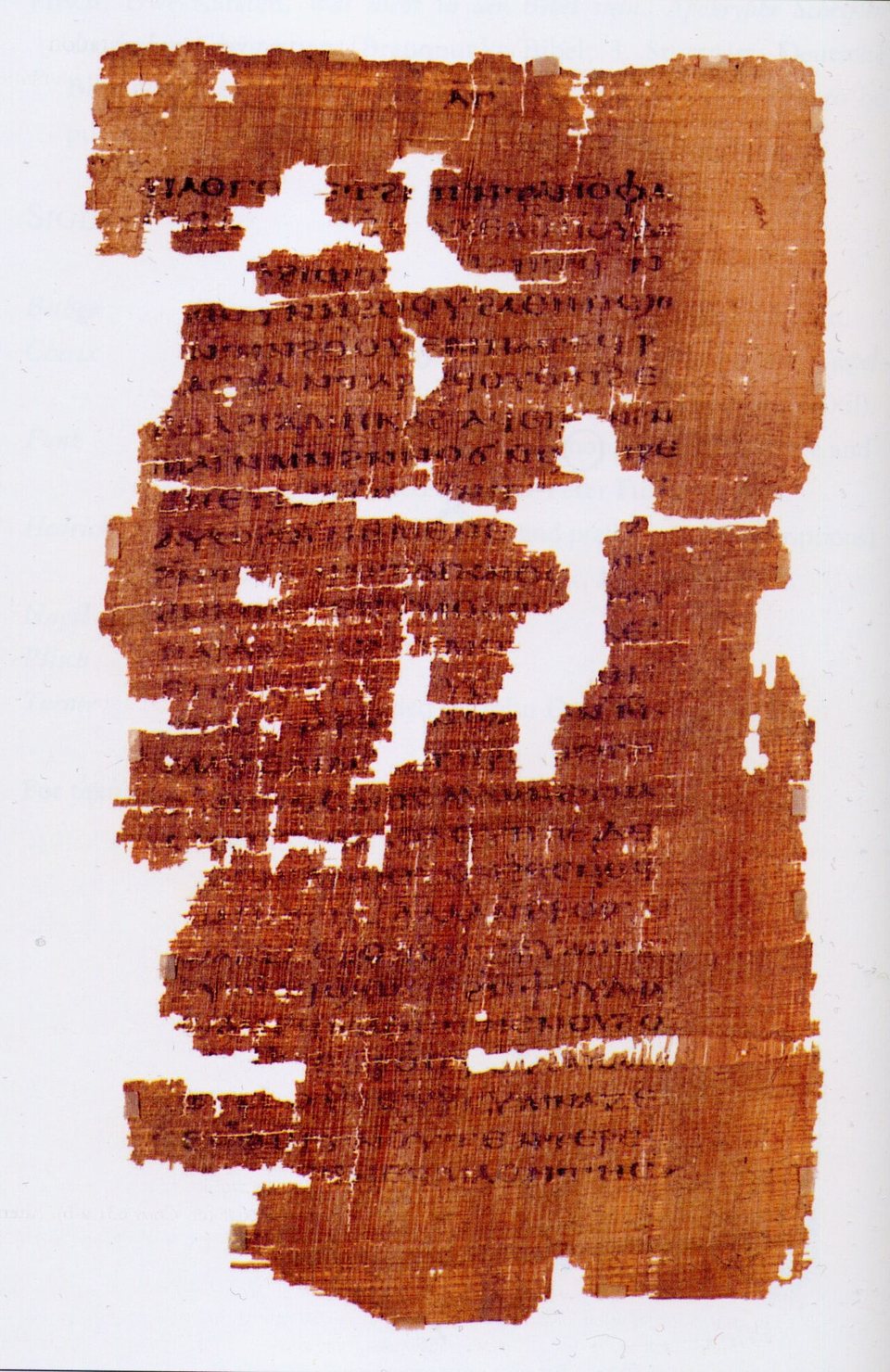
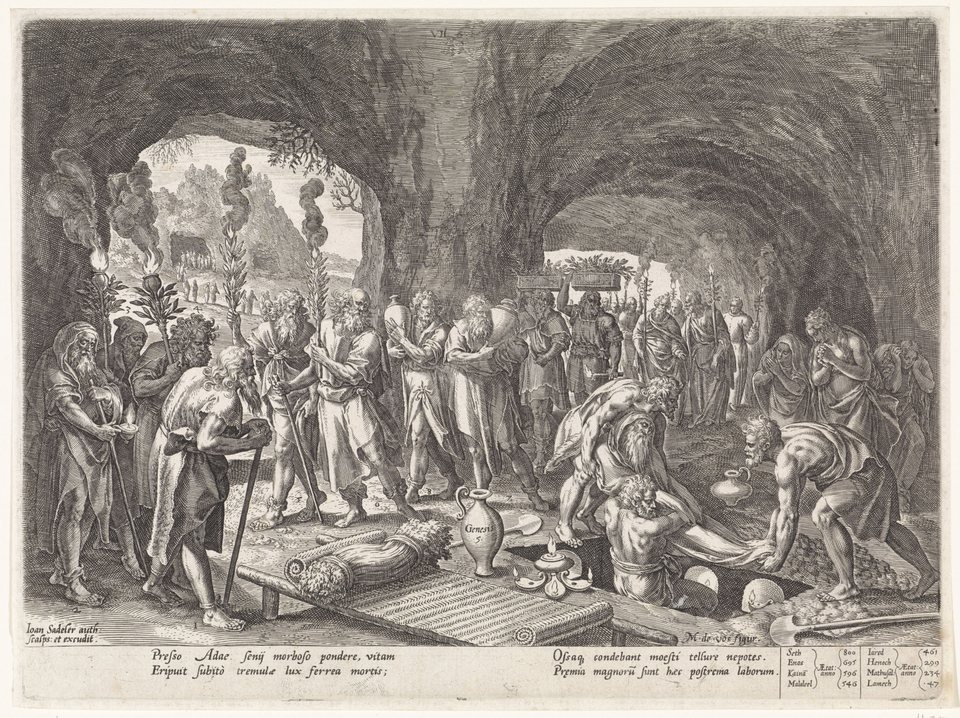
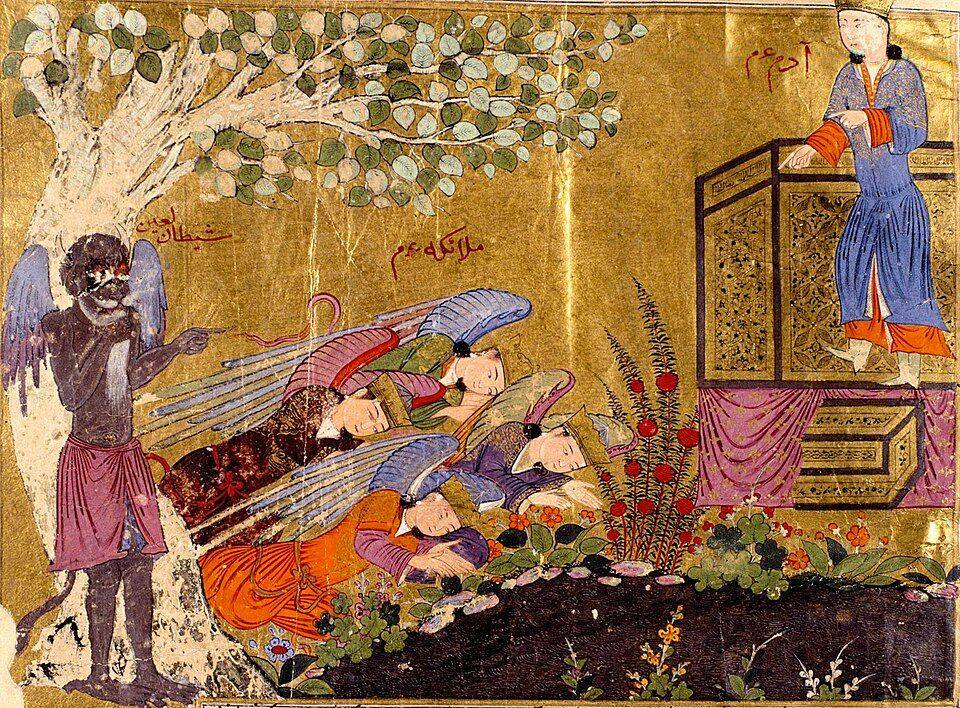
Where this comes from
Comes from Genesis 2–5 (KJV), Bible Gateway. The Book of Genesis: The first book of the Bible, telling of Creation, Adam and Eve, Noah's Flood and the families of Abraham, Isaac and Jacob. Scholars think it was written and edited over several centuries and finished by roughly 500 to 400 BC. The oldest surviving copies are pieces of the Dead Sea Scrolls.
What this means
A story or tradition. It is documented as a story; nothing independent shows it happened.
Adam is known from stories, scripture or tradition. The texts are real and we quote them (for example Genesis 2–5 (KJV), Bible Gateway), but nothing outside those texts shows that Adam was real as described.
The page covers something known from myths, scripture or tradition. The texts are real and we quote them, but no independent record shows the events or beings were real.
Sources
- The Book of GenesisThe first book of the Bible, telling of Creation, Adam and Eve, Noah's Flood and the families of Abraham, Isaac and Jacob. Scholars think it was written and edited over several centuries and finished by roughly 500 to 400 BC. The oldest surviving copies are pieces of the Dead Sea Scrolls.Genesis 2–5 (KJV), Bible Gateway Online copyPrimary text Archived copy, 2026-10-03
- WikipediaA free online encyclopedia written and edited by volunteers. It is a good starting point and usually lists its own sources, but anyone can change it, so we treat it as a guide to better sources, not the final word.Wikipedia, 'Adam and Eve'Reference Archived copy, 2026-10-01
No public-domain picture of this person yet. We do not show drawn or generated likenesses.