The record
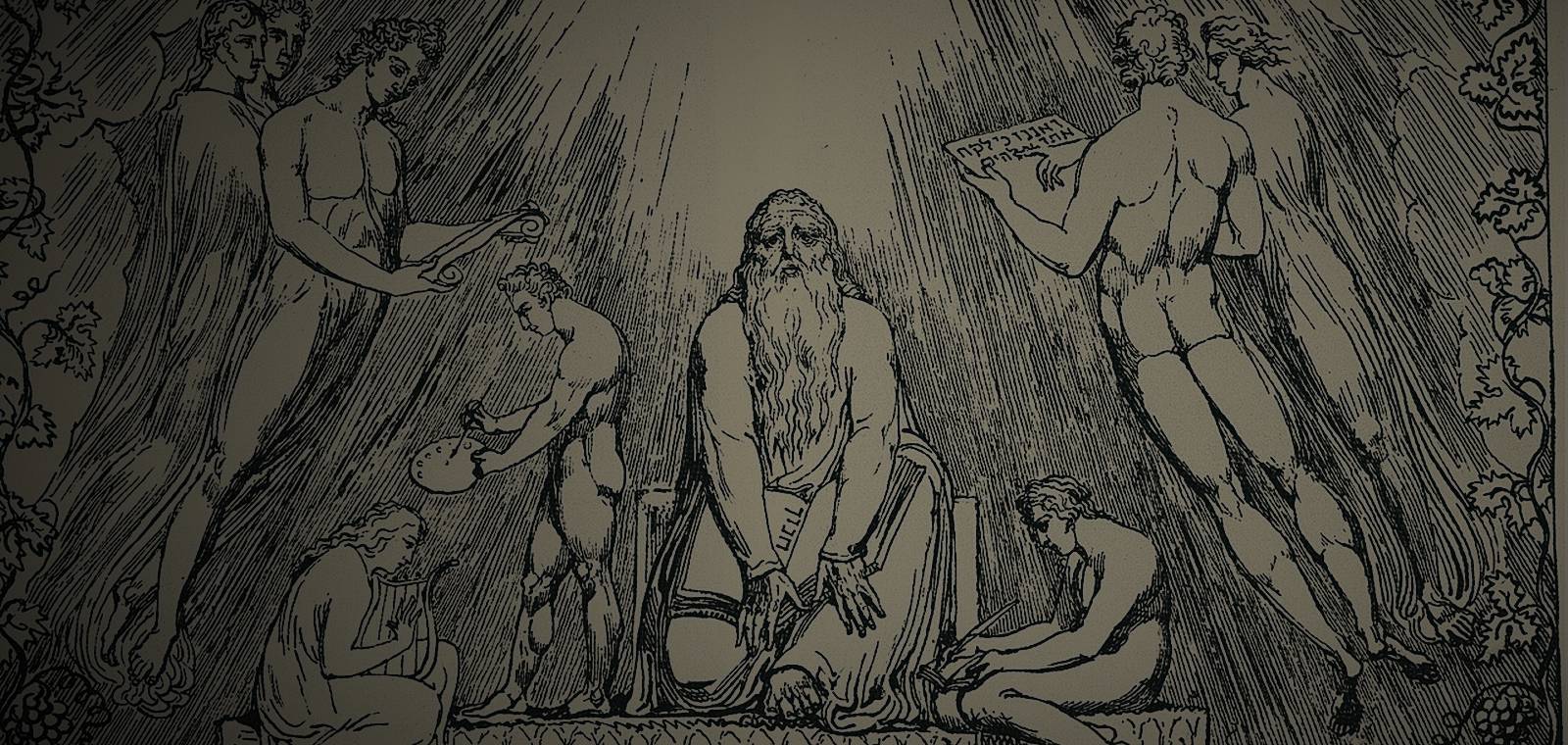
And Enoch walked with God: and he was not; for God took him.
Genesis 5:24 · Hebrew Bible
Translation: King James Version (1611; standard 1769 text), with Apocrypha · Public domain
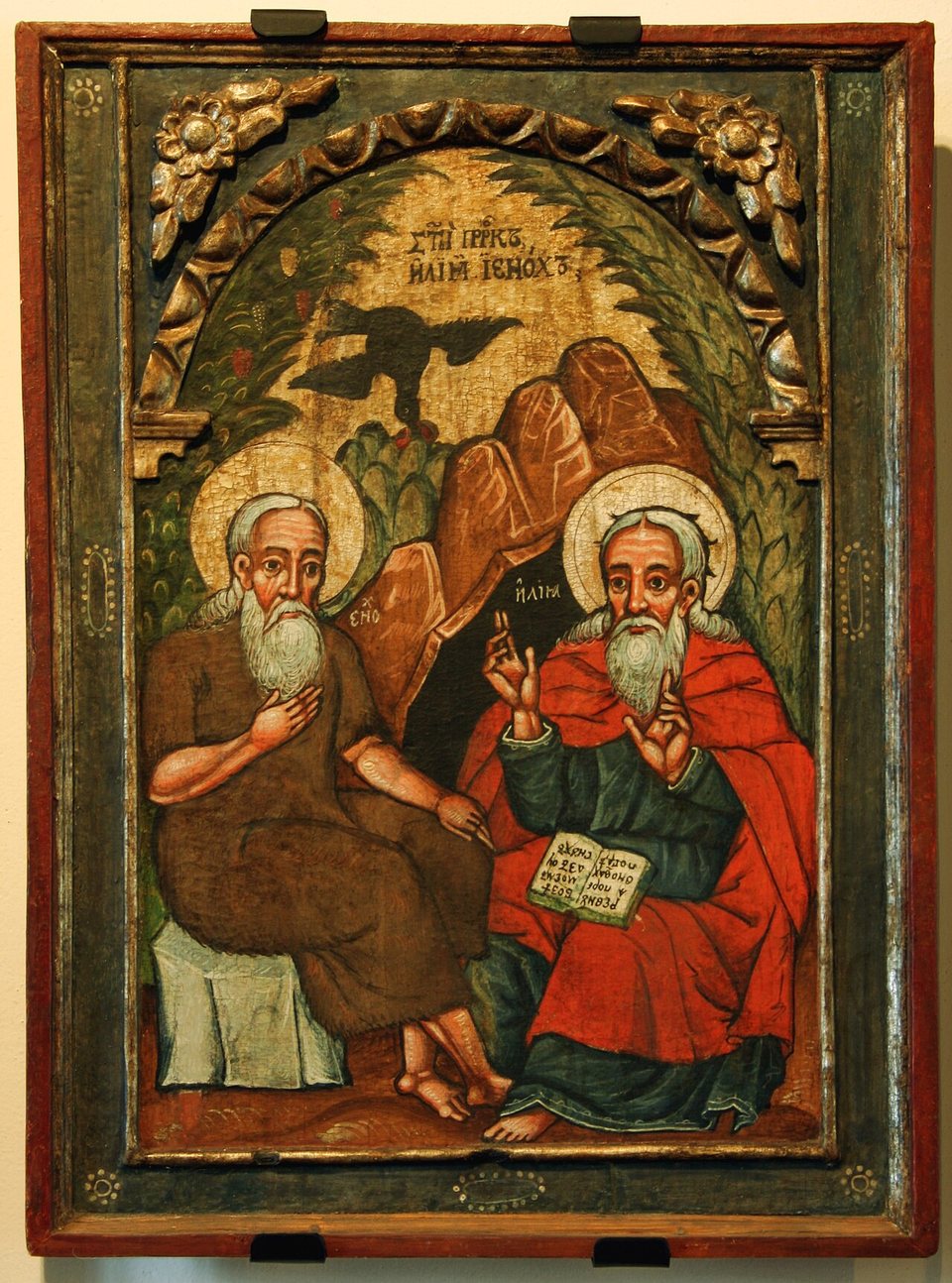
Genesis gives Enoch only a few lines. He is the son of Jared, the father of Methuselah, and the seventh generation from Adam. He lives 365 years, far shorter than his relatives, and then the text breaks its pattern: instead of saying he died, it says Enoch walked with God: and he was not; for God took him
(Genesis 5:24). The number 365 matches the solar year, which many scholars think is no accident.
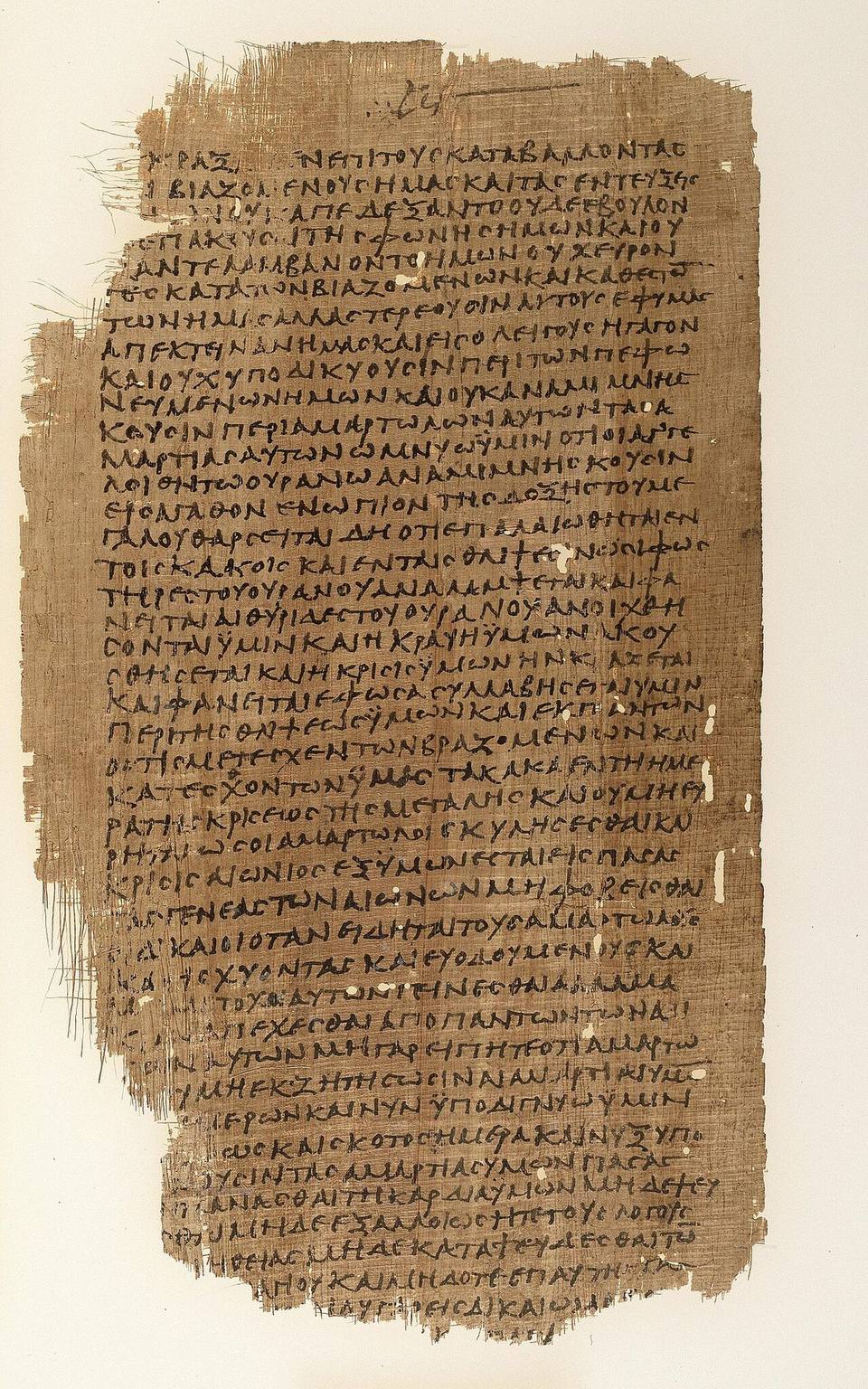
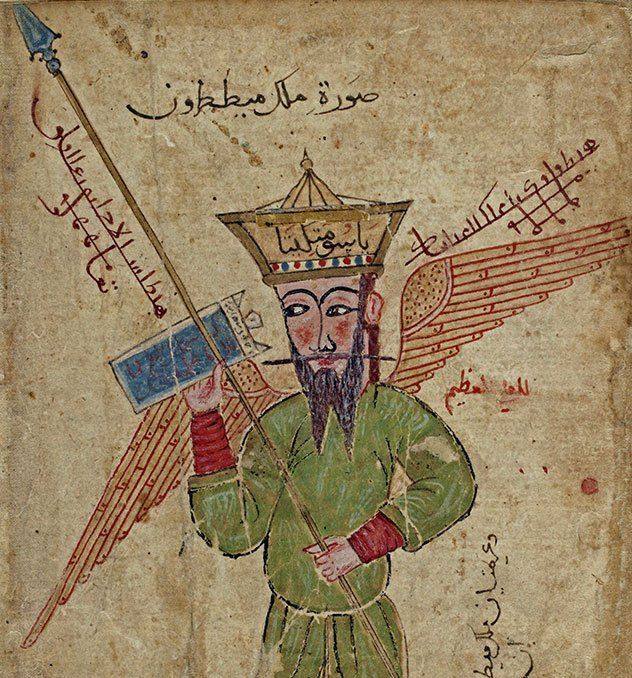
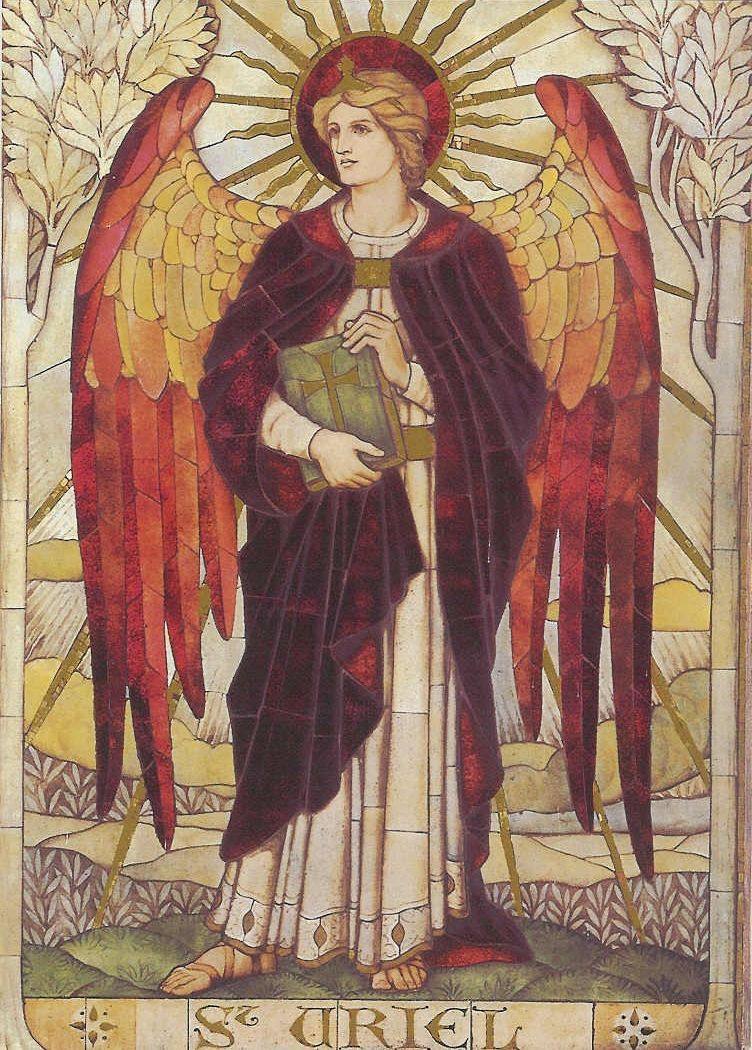
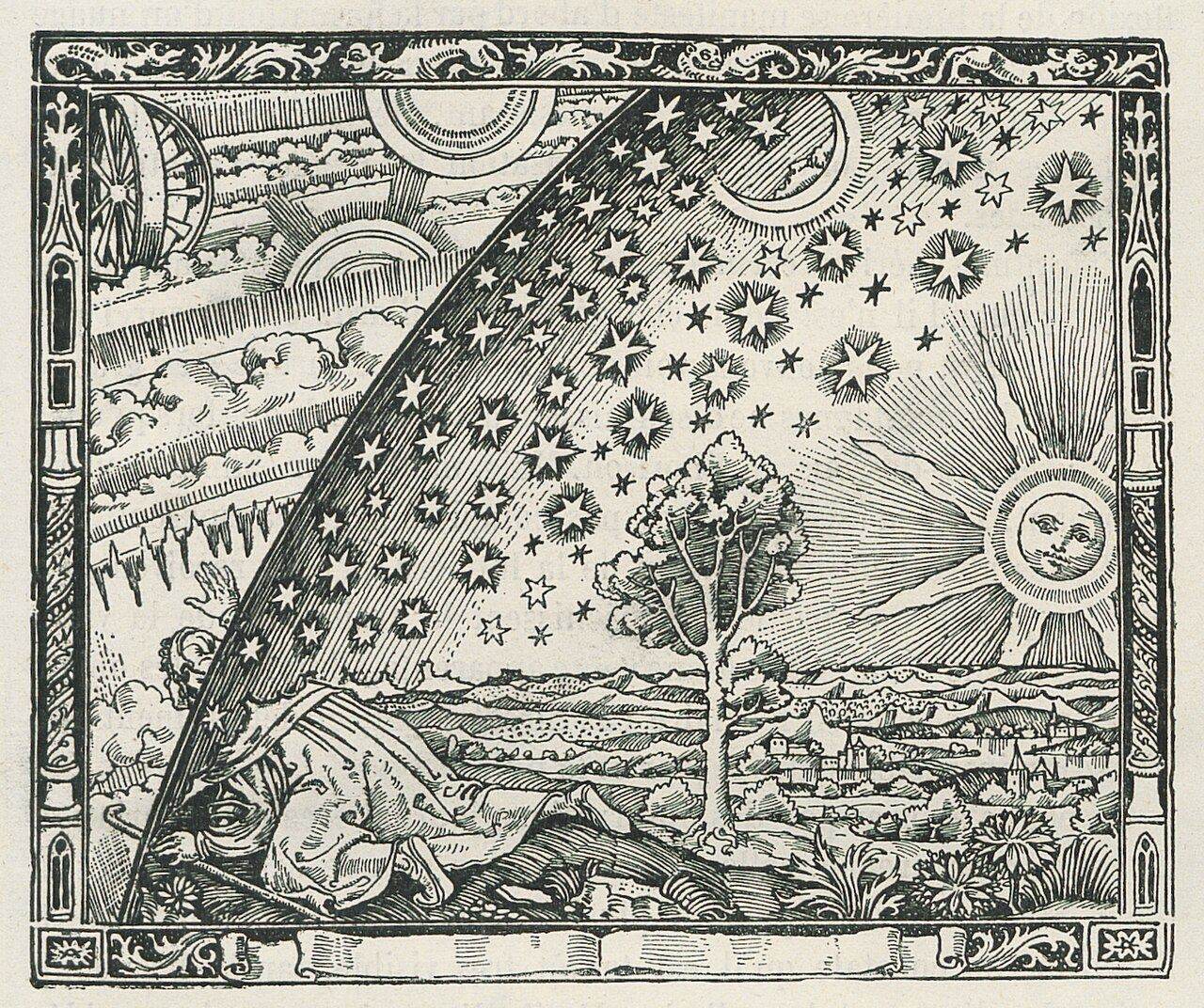
That short, strange ending inspired a huge body of writing. In 1 Enoch he is a scribe who carries messages between God and the fallen Watchers, tours the ends of the earth and the prisons of disobedient stars, and receives astronomical lessons from the angel Uriel. In 2 Enoch two enormous men with shining faces carry him through the heavens. In 3 Enoch he is transformed into the angel Metatron.
Enoch also appears in the New Testament. Hebrews 11:5 says he was translated that he should not see death,
and Jude 14–15 quotes a prophecy Enoch also, the seventh from Adam
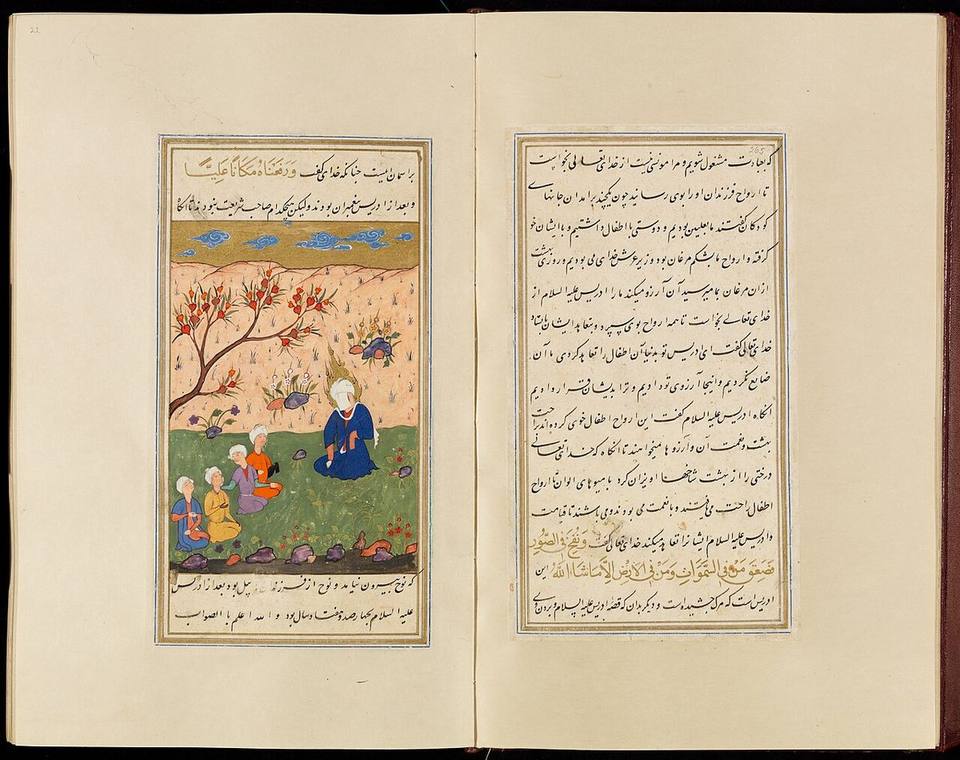
spoke, which is a close match to 1 Enoch 1:9. Islamic tradition often identifies him with the prophet Idris, whom the Quran says God raised to a high place.
Enoch is the Bible's clearest case of a human taken alive, and later writers filled the silence with journeys, secret books and transformation. Scholars note parallels with Enmeduranki, a Mesopotamian king before the Flood who was taught heavenly secrets by the gods.