












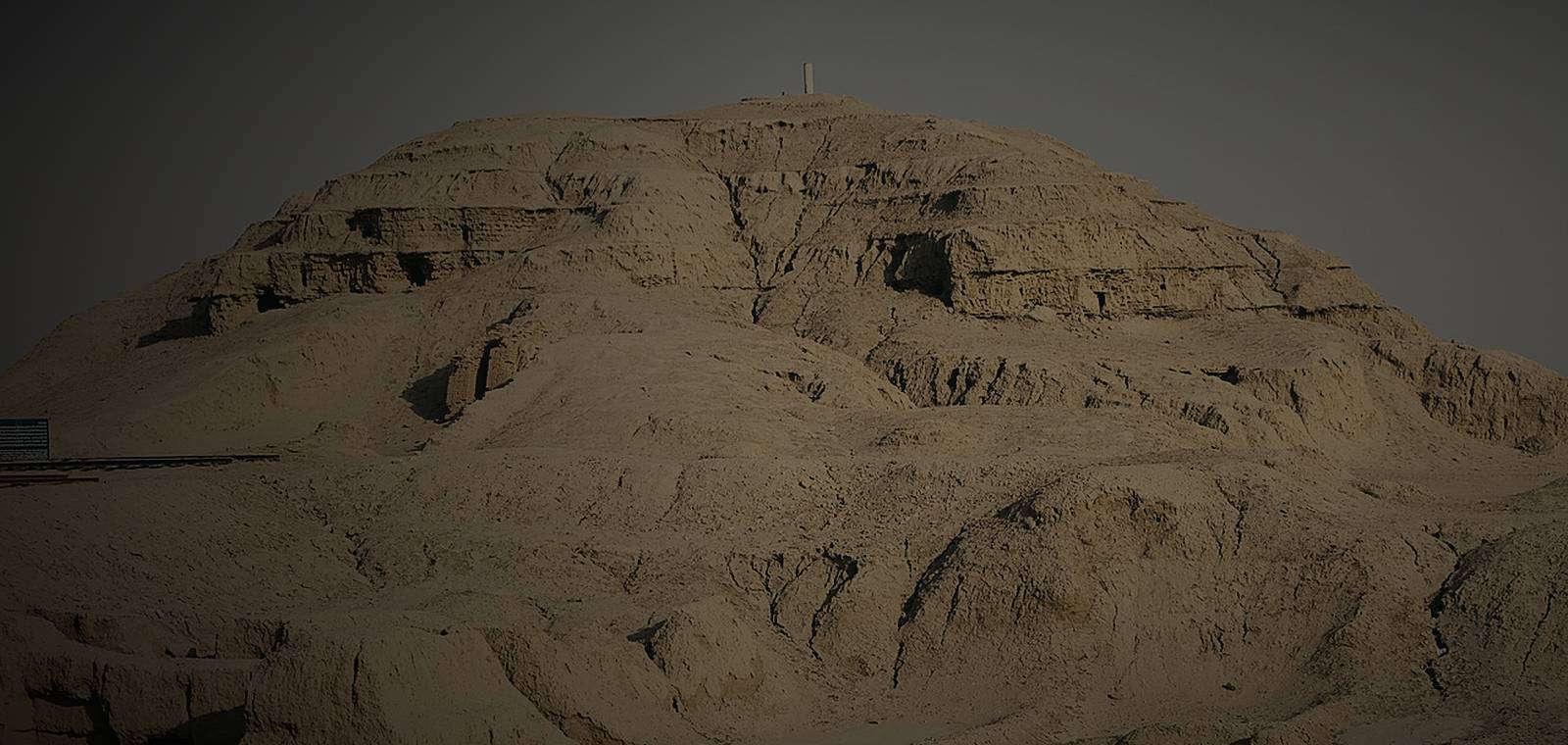
What is Sin-leqi-unninni known for?
Sin-leqi-unninni was a mashmashu, an exorcist and scholar, from Uruk. Later Mesopotamian tradition credits him with editing the 'standard' Babylonian Epic of Gilgamesh, the version that begins 'He who saw the deep' and includes Utnapishtim's account of the Flood on Tablet XI. Scholars place him somewhere between about 1300 and 1000 BCE.
Little is known of his life, and some scholars think he may be partly a figure of tradition. Several scribal families of Uruk in later centuries claimed him as their ancestor. His version is the one found in Ashurbanipal's library and read by George Smith in 1872. Unusually for cuneiform literature, a later catalogue of texts and authors names him directly as the source of the Gilgamesh series, which is why he is sometimes called the first named editor of a great epic. Older Sumerian poems about Gilgamesh and the Old Babylonian version show that he reworked material that had existed for centuries.
The same story, told elsewhere
Shared story · Floods and lost lands
Flood Stories Around the World
A god warns one good man, a boat is built, the world drowns and birds are sent out to find land. The same story turns up from Iraq to India to Greece, with cousins in China, Scandinavia and Guatemala.
Epic of Gilgamesh, Tablet XI (Utnapishtim's story) is one telling. The same story is told 9 more times, in 6 parts of the world. Follow it:
- Vedic IndiaNorthern India · c. 800-600 BCE · Ancient text
- Babylonian (Akkadian)Mesopotamia · 7th century BCE · Ancient textTied to this page
- Hebrew BibleJudah / Babylon · c. 600-400 BCE · Ancient text
- ChineseYellow River valley, China · 1st millennium BCE · Ancient text
- Zoroastrian (Persian)Iran / Central Asia · 1st millennium BCE · Ancient text
- Babylonian, retold in GreekBabylon · c. 280 BCE · Ancient text
- GreekGreece · 1st or 2nd century CE · Ancient text
- IslamArabia · 7th century CE · Medieval text
- NorseIceland · c. 1220 CE · Medieval text
- K'iche' MayaHighland Guatemala · c. 1554-1558 · Retold in English
The open question: One real flood remembered by many peoples, or many different floods that each people told in its own way? Join the debate
Mentioned on these pages
- FileGilgamesh
Linked people and places
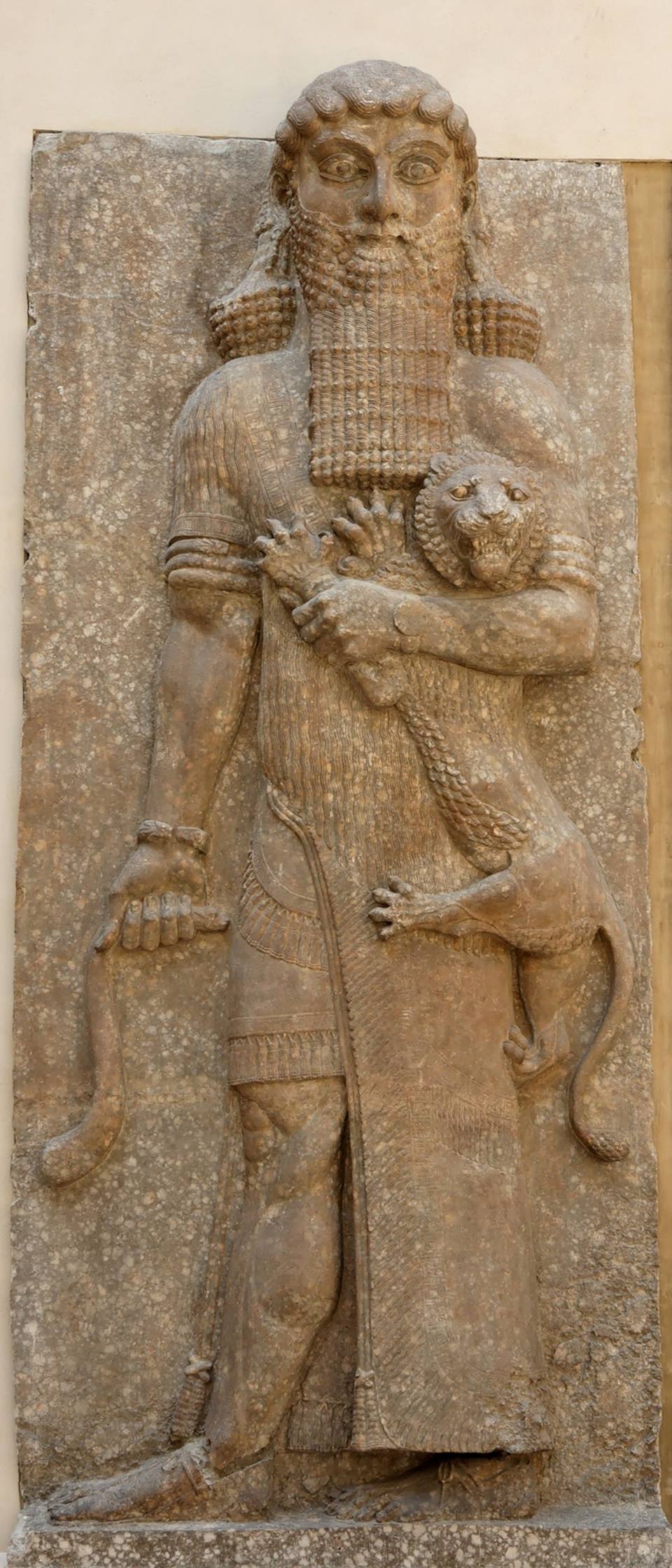
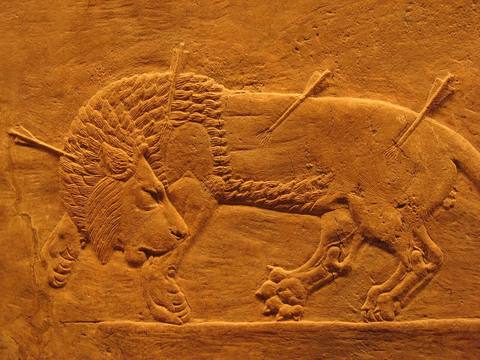
Where this comes from
Comes from Wikipedia, 'Sîn-lēqi-unninni'. A free online encyclopedia written and edited by volunteers. It is a good starting point and usually lists its own sources, but anyone can change it, so we treat it as a guide to better sources, not the final word.
What this means
A real person with records. Sources are listed below.
For Sin-leqi-unninni, the original record exists and is linked: Wikipedia, 'Sîn-lēqi-unninni'. That tells you the record is real and what it says. It does not mean every claim in it is true.
Primary records exist: an original document, a published text, an official file or a dated report. We link to them. This level says the record exists and what it says, not that every claim in it is true.
Sources
- WikipediaA free online encyclopedia written and edited by volunteers. It is a good starting point and usually lists its own sources, but anyone can change it, so we treat it as a guide to better sources, not the final word.Wikipedia, 'Sîn-lēqi-unninni'Reference Archived copy, 2026-09-29
- Encyclopaedia BritannicaAn encyclopedia first published in Scotland in 1768 and now online. Its articles are written and checked by named experts and editors, which makes it a reliable source for basic facts.Encyclopaedia Britannica, 'Gilgamesh'Reference Archived copy, 2026-09-05
No public-domain picture of this person yet. We do not show drawn or generated likenesses.