The record
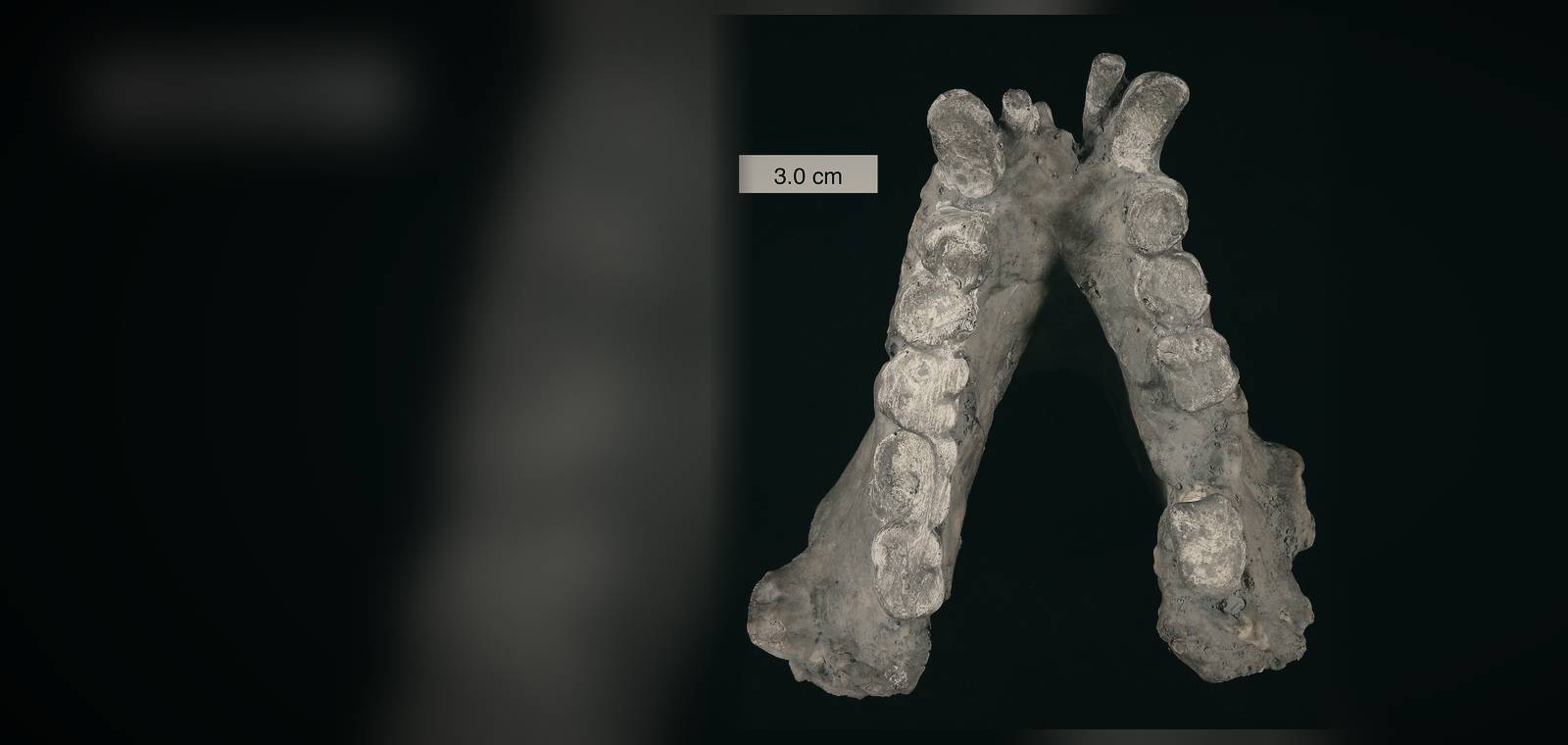
Gigantopithecus blacki was a real giant: an ape that lived in the forests of southern China for close to two million years. A 2024 paper in the journal Nature calls it the largest ever primate,
with an estimated body height of about 3 m and mass of 200-300 kg,
which is about ten feet and 440 to 660 pounds. It was an ape, not a human.
Its story began in a medicine shop. The species was first described in 1935 by the paleontologist G. H. R. von Koenigswald, from a tooth he found in an apothecary shop in Hong Kong, where it was sold as a "dragon tooth." Since then, the Nature team says, only about 2,000 teeth and four jawbones have been found. No complete skeleton is known, so its height is worked out from the size of its teeth and jaws.
Why it died out was a long-standing puzzle. A Chinese and Australian team led by Yingqi Zhang and Kira Westaway studied 22 caves in Guangxi Province and dated the species' last traces to between 295,000 and 215,000 years ago. Chemical clues in its teeth suggest that as its rich forest changed, the giant ape fell back on less nutritious foods when its favorite foods ran short, while more flexible apes adapted. G. blacki was the ultimate specialist,
Zhang said. Whether a giant this size could have survived longer anywhere else is a question only new fossils can answer.