












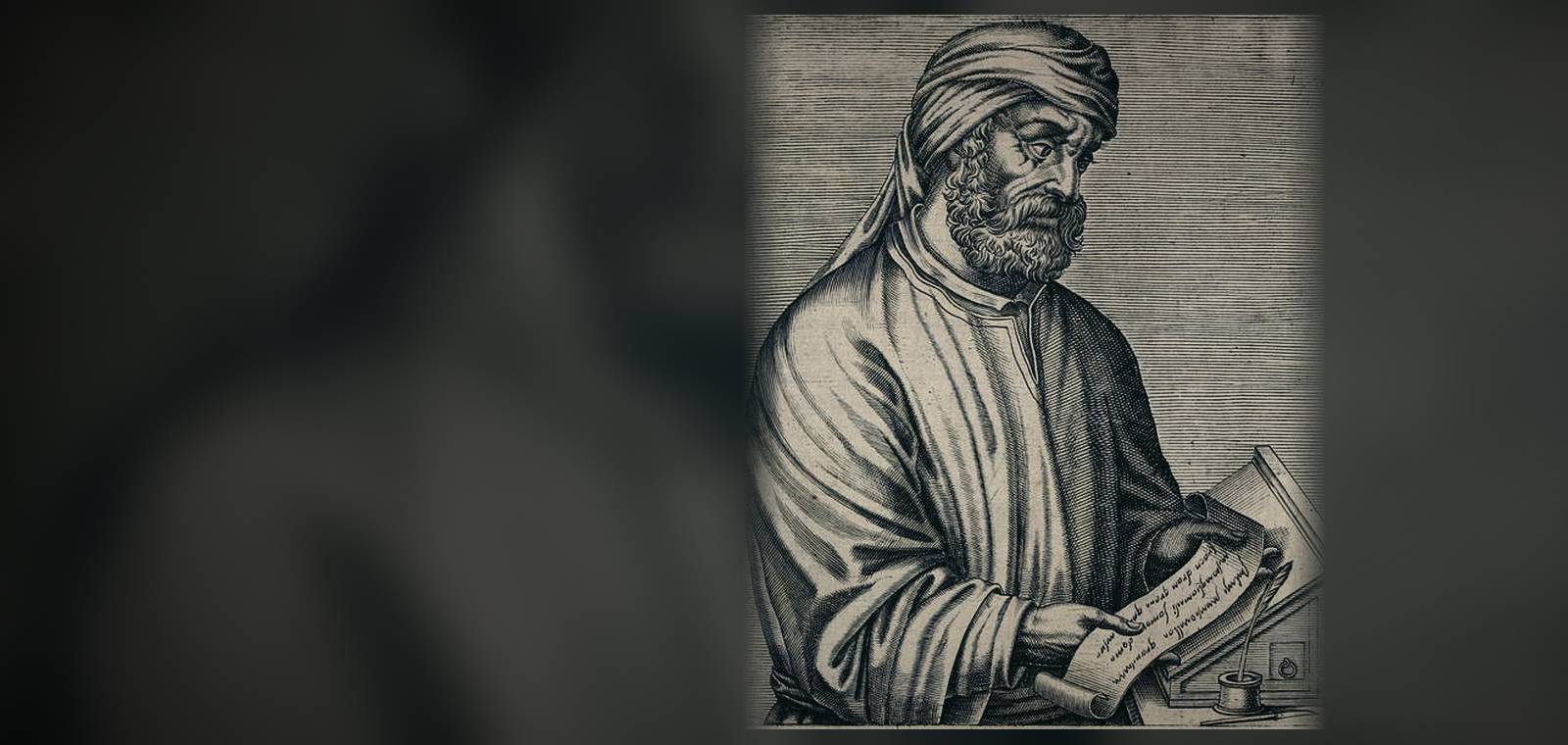
What is Tertullian known for?
Tertullian was born in Carthage, in Roman North Africa, around 155 to 160 and died there sometime after 220. A convert to Christianity, he wrote polemical and moral treatises in Latin and is called the initiator of ecclesiastical Latin; terms such as trinitas first appear in his work. Late in life he joined the Montanists, a strict movement that stressed new prophecy.
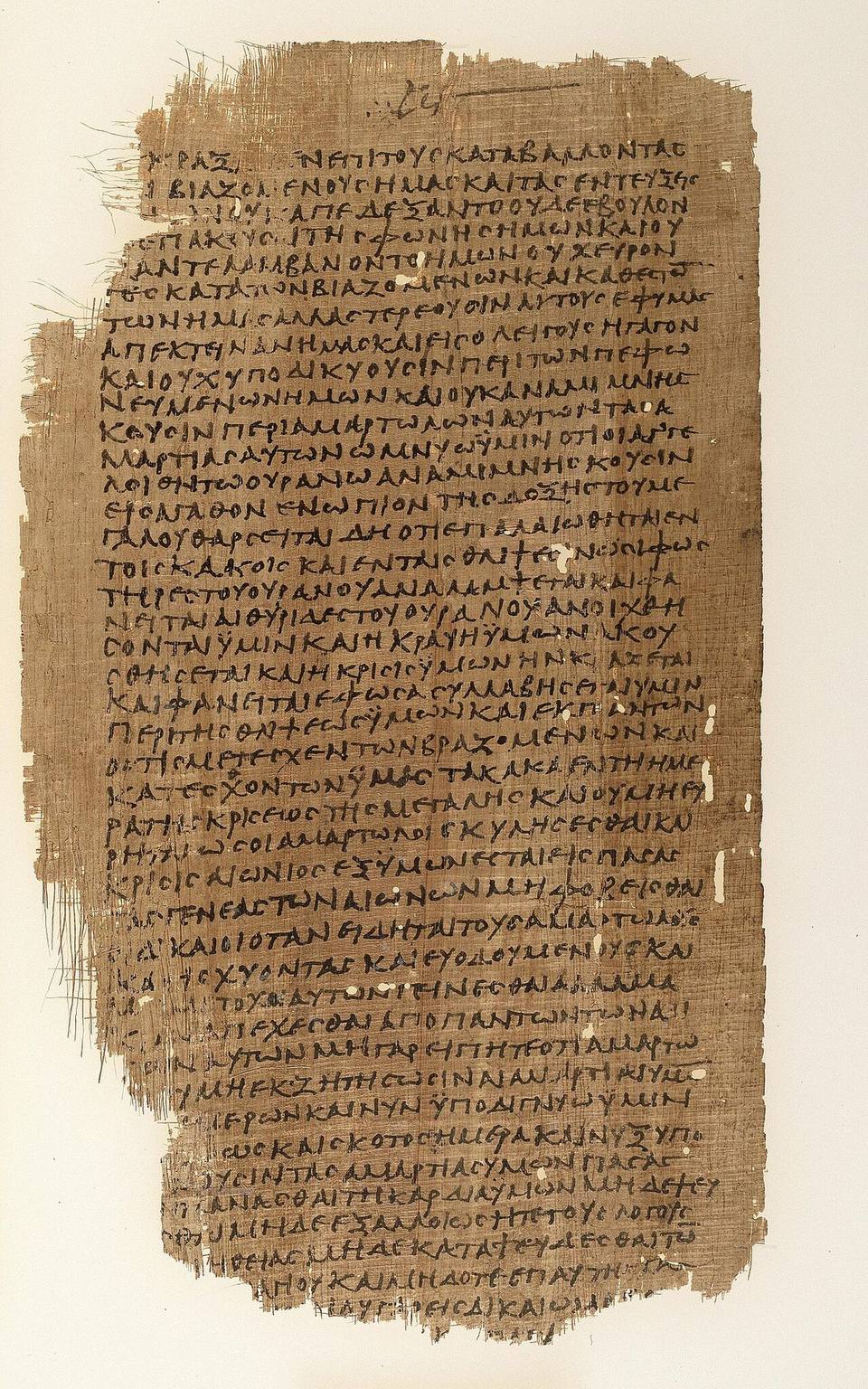
He is one of the few church fathers to argue openly for the Book of Enoch. In On the Apparel of Women (1.3) he acknowledges that some reject it because it is not in the Jewish canon, but argues that Enoch's writings should be accepted, noting that Jude cites them. He also repeats the Enochic idea that fallen angels taught women cosmetics and ornaments.
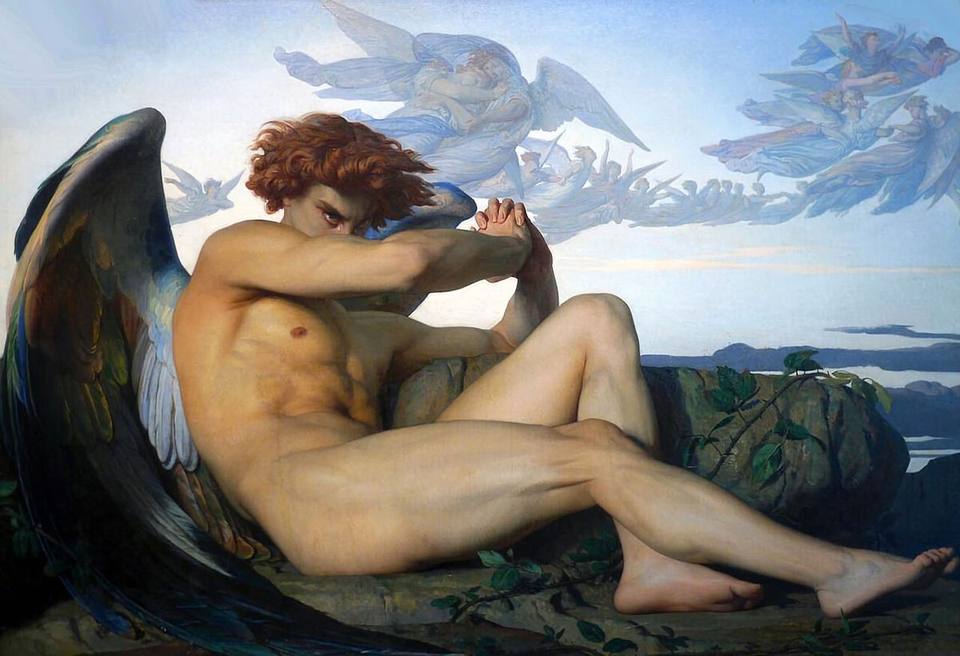
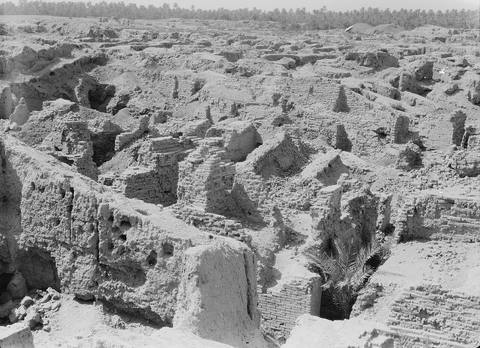
Like Origen, he read Isaiah 14 alongside Luke 10:18, treating the fallen 'Lucifer' as Satan. That reading is later Christian interpretation; in context the poem in Isaiah mocks a human king of Babylon.
Mentioned on these pages
Linked people and places
Where this comes from
Comes from Encyclopaedia Britannica, 'Tertullian'. An encyclopedia first published in Scotland in 1768 and now online. Its articles are written and checked by named experts and editors, which makes it a reliable source for basic facts.
What this means
A real person with records. Sources are listed below.
For Tertullian, the original record exists and is linked: Encyclopaedia Britannica, 'Tertullian'. That tells you the record is real and what it says. It does not mean every claim in it is true.
Primary records exist: an original document, a published text, an official file or a dated report. We link to them. This level says the record exists and what it says, not that every claim in it is true.
Sources
- Encyclopaedia BritannicaAn encyclopedia first published in Scotland in 1768 and now online. Its articles are written and checked by named experts and editors, which makes it a reliable source for basic facts.Encyclopaedia Britannica, 'Tertullian'Reference Archived copy, 2026-09-08
- WikipediaA free online encyclopedia written and edited by volunteers. It is a good starting point and usually lists its own sources, but anyone can change it, so we treat it as a guide to better sources, not the final word.Wikipedia, 'Tertullian'Reference Archived copy, 2026-09-10