Credible Theories Sign in
New Testament · Luke 10:18

Satan falling like lightning, Luke 10:18

Share

In plain words

This is a single line from Luke, one of the four Gospels about the life of Jesus, written around 80 to 90 CE and set around 30 CE. The speaker says, "I beheld Satan as lightning fall from heaven," meaning he saw Satan fall from the sky like a flash of lightning. Scholars read it as a vision of evil being defeated.

ReferenceLuke 10:18
Writtenc. 80–90 CE
Setc. 30 CE
And he said unto them, I beheld Satan as lightning fall from heaven.

Documented · Ancient text, c. 80–90 CE Translation: KJV

Read it literally

An eyewitness to a fall from orbit.

What scholars say

Read as a vision of evil's defeat.

Themes From the sky

Questions people ask about Luke 10:18

Who wrote the Gospel of Luke?

Like the other gospels, it does not name its author. Church tradition from the second century credits Luke, called 'the beloved physician' in Colossians 4:14, and holds that he also wrote Acts. Most scholars think the writer used the Gospel of Mark as a main source, along with sayings shared with Matthew.

What is happening in Luke 10 when Jesus says this?

Jesus has sent out seventy followers in pairs (some old manuscripts say seventy-two) to heal the sick and announce God's kingdom. They come back excited that even demons obey them when they use his name. Luke 10:18 is his reply. He then tells them to rejoice less over their power and more that their names are written in heaven.

Is Luke 10:18 connected to Lucifer in Isaiah 14?

Many readers link the two. Isaiah 14:12 in the King James Version reads, 'How art thou fallen from heaven, O Lucifer, son of the morning!' In context that poem mocks a king of Babylon. Early Christian writers such as Origen joined the passages into a story of Satan's fall, while many modern scholars read Luke's line as about evil losing power during Jesus' ministry.

Where this comes from

EvidenceDocumented

Comes from The Gospel of Luke, Luke 10:18, read here in the King James Version. One of the four Gospels about the life of Jesus, by the same writer as the Book of Acts, dated by most scholars to about AD 80 to 90. It traces Jesus's family line back through Enoch to Adam.

What this means

The text exists and is quoted from a published translation. What it describes is a separate question.

Primary records exist: an original document, a published text, an official file or a dated report. We link to them. This level says the record exists and what it says, not that every claim in it is true.

See all five labels

Sources

  1. The King James BibleThe English Bible made for King James I and first printed in 1611; the wording most people know comes from a 1769 update. It is out of copyright, which is why we quote it. The 1611 printing also had the Apocrypha, extra books kept in Catholic and Orthodox Bibles.King James Version (1611; standard 1769 text), with ApocryphaPrimary text Archived copy, 2026-10-03

Scholarly dates are rounded. The wording follows the named public-domain translation.

More from New Testament

The story before and after this one, and what each shares with Satan falling like lightning.

Photo credits
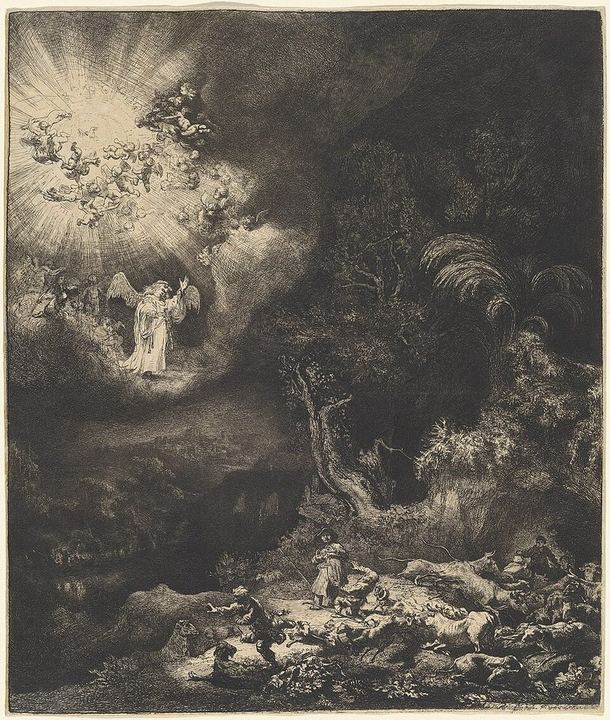
‹ Before thisThe heavenly hostLuke 2:9, 13

A bright glory shines around some people in a field at night, and they are very afraid.

Also about Jesus of NazarethSame theme: From the sky
Photo credits
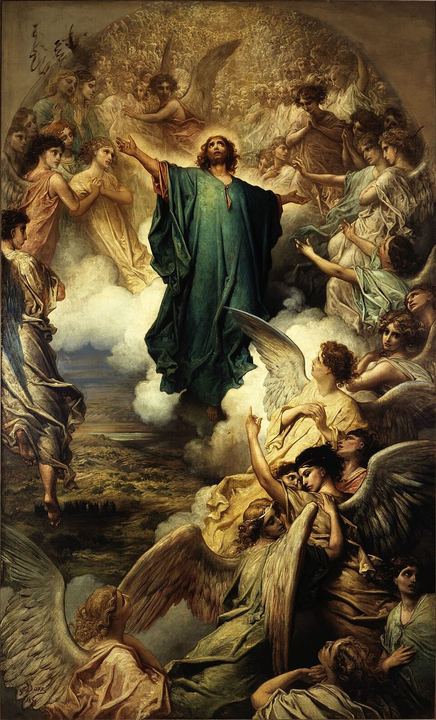
Next ›Taken up in a cloudActs 1:9–11

Jesus goes up toward heaven and a cloud hides him from view.

Also about Jesus of NazarethSame theme: From the sky

Updated

Discussion