












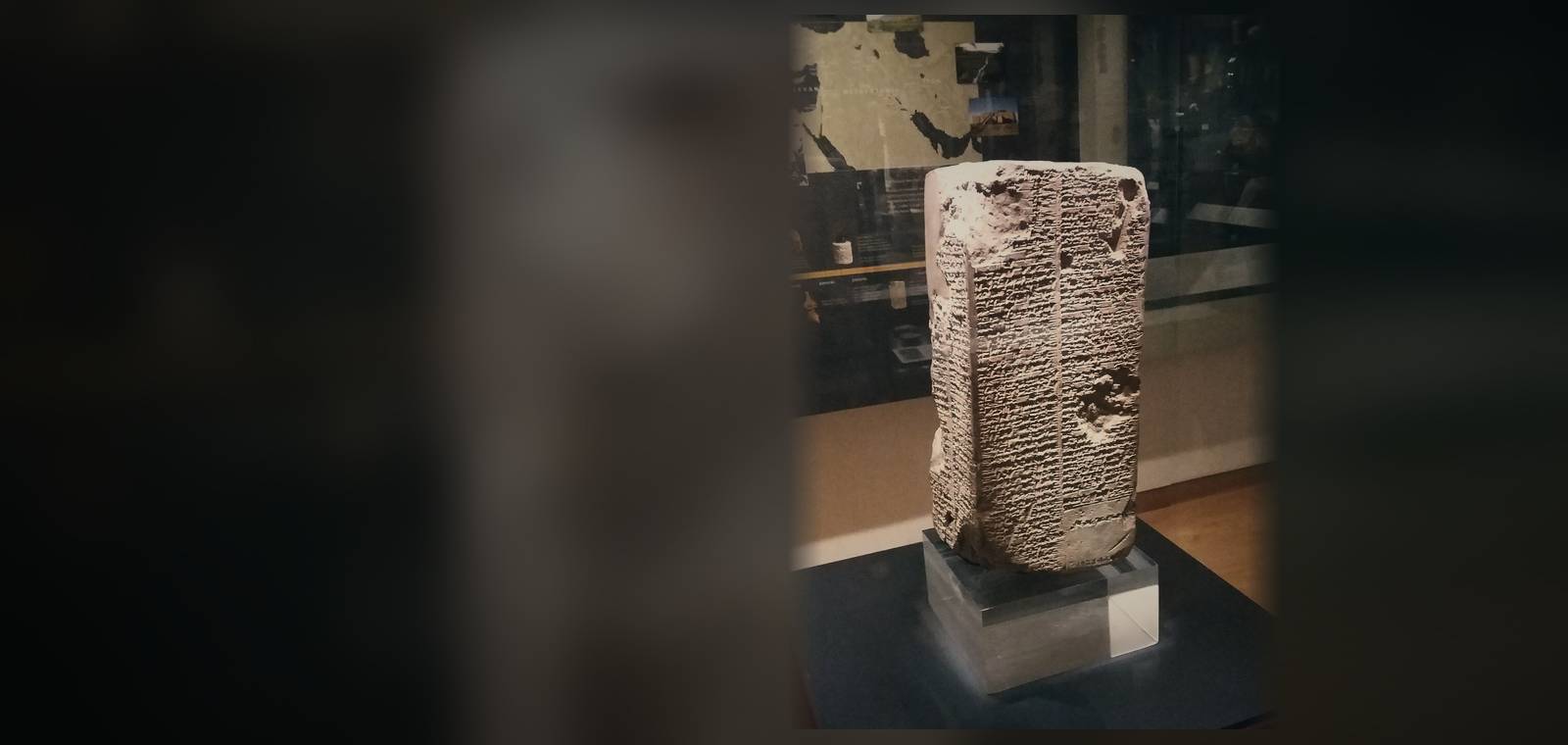
What is Ubara-Tutu known for?
Ubara-Tutu ruled Shuruppak for 18,600 years according to the Sumerian King List. He is the eighth and last of the kings before the Flood; the list follows his name with the line that then the flood swept over.
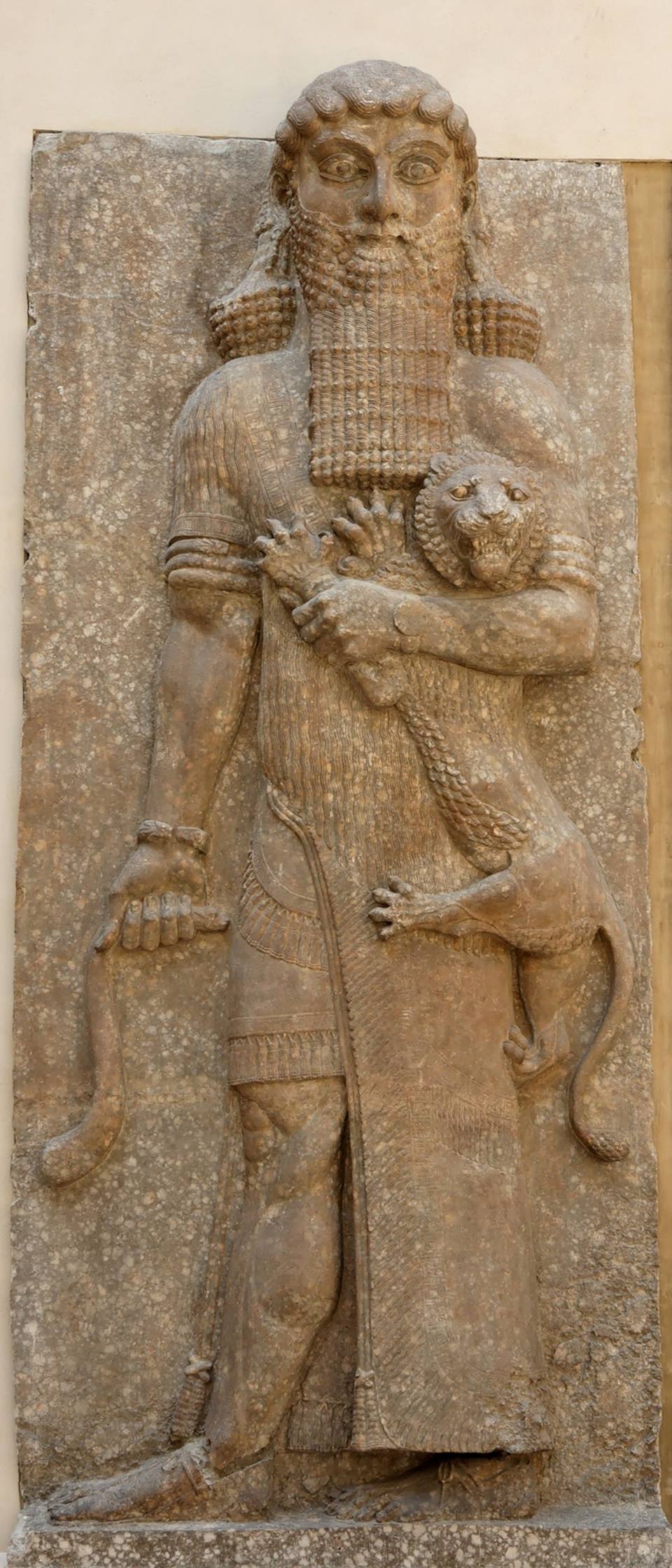
Tablet XI of the Epic of Gilgamesh calls the flood hero Utnapishtim 'son of Ubara-Tutu', the man of Shuruppak. Some versions of the tradition also connect the Sumerian flood hero Ziusudra to him. Assyriologists treat him as legendary.
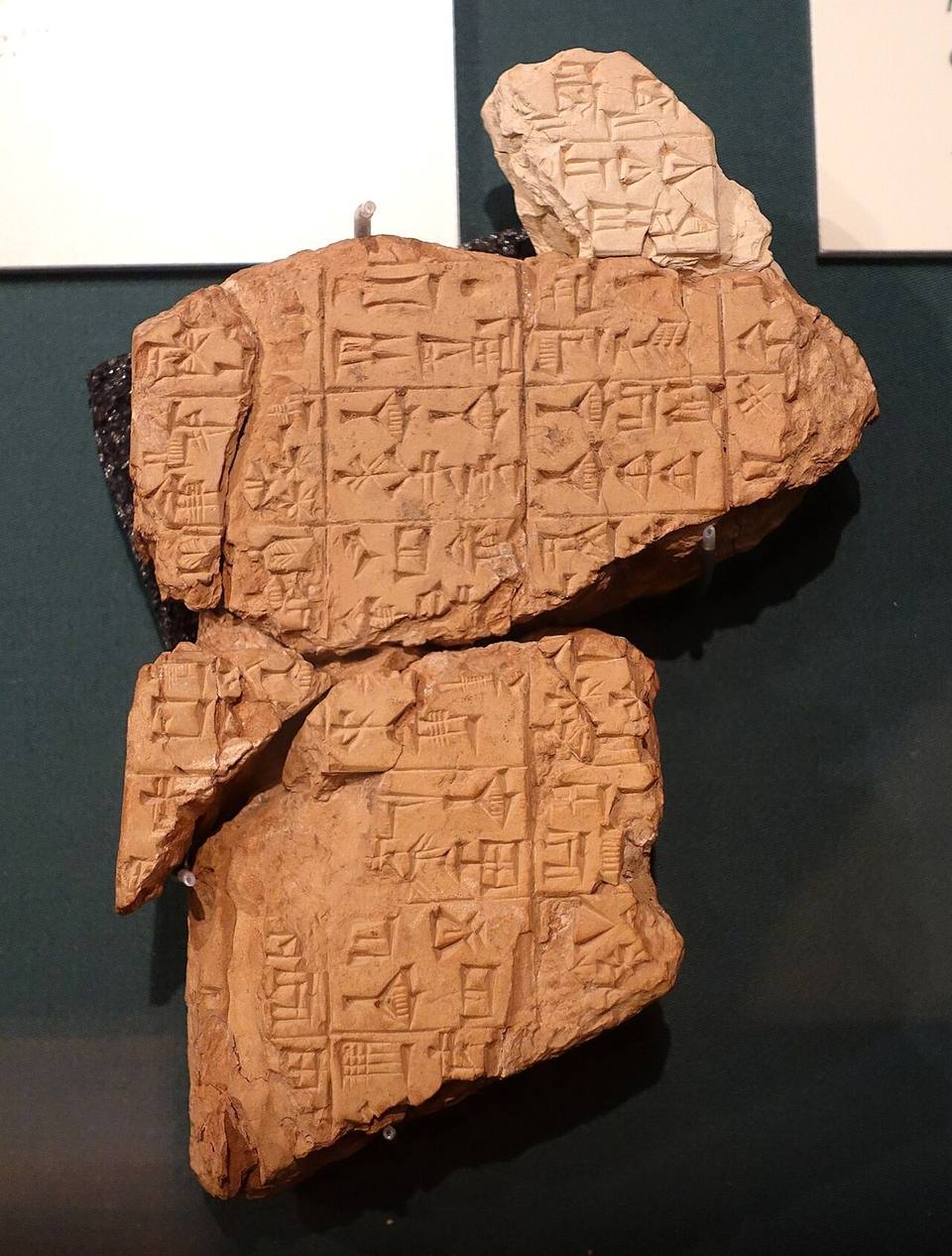
His position matters for comparisons with Genesis. In both traditions a line of long-lived rulers or patriarchs before the Flood ends with a figure whose son survives the deluge in a boat: Ubara-Tutu's son Utnapishtim in Mesopotamia, and Lamech's son Noah in the Bible. Shuruppak itself, modern Tell Fara in Iraq, has produced Early Dynastic tablets and a flood deposit, though archaeologists do not link that layer to a single world flood.
Titles and honors
- Titles
- King of Shuruppak, in the Sumerian King List
Mentioned on these pages
- FileShuruppak
Linked people and places
Where this comes from
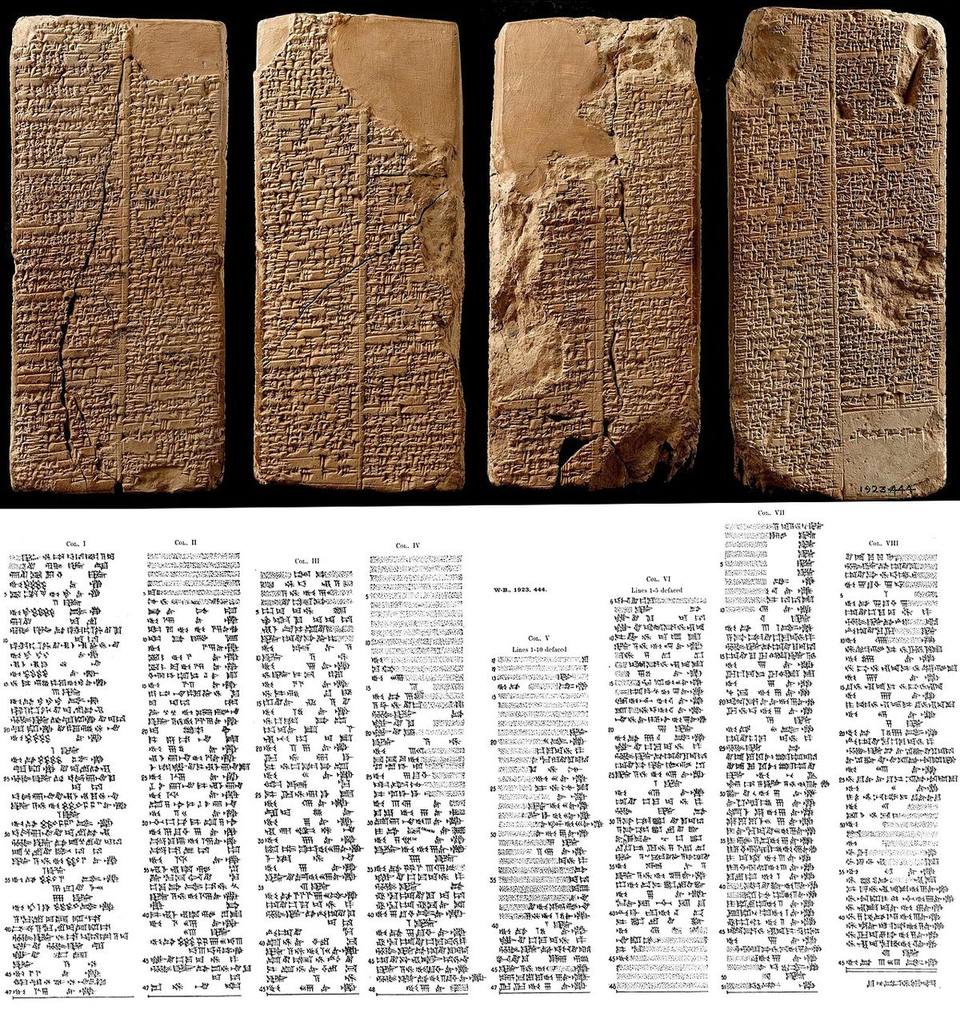
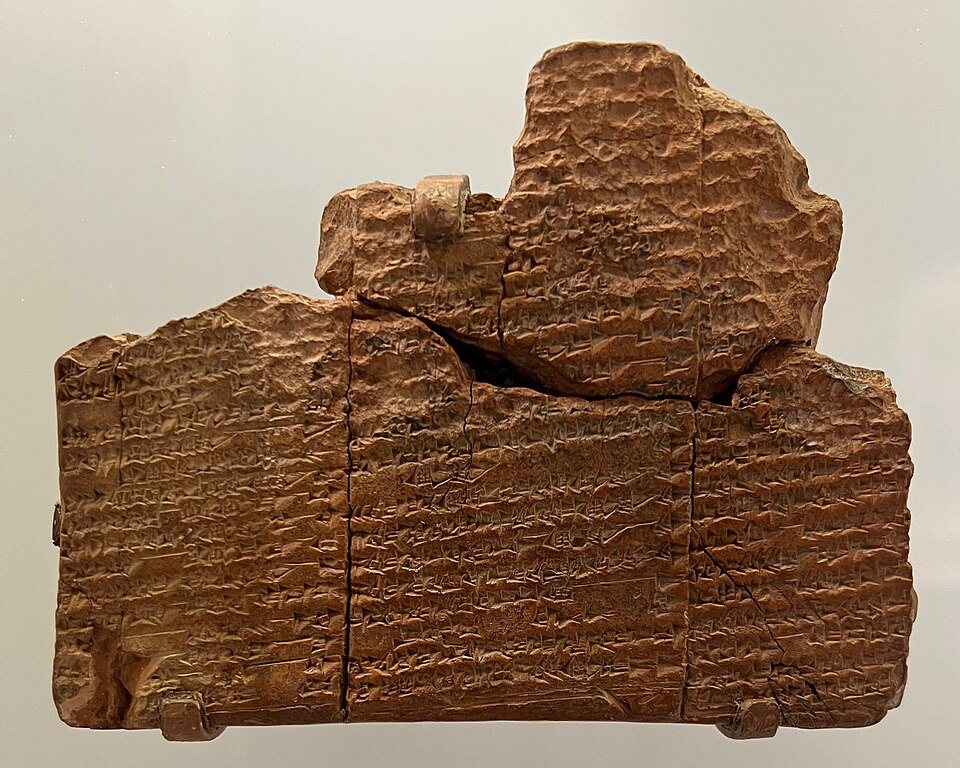
Comes from ETCSL, 'The Sumerian King List: translation' (University of Oxford). A list of the kings of Sumer and their cities, starting with kings 'before the Flood' who are said to have reigned for tens of thousands of years. It was written down around 2000 to 1800 BC. The best copy, the Weld-Blundell Prism, is in the Ashmolean Museum, Oxford.
What this means
A story or tradition. It is documented as a story; nothing independent shows it happened.
Ubara-Tutu is known from stories, scripture or tradition. The texts are real and we quote them (for example ETCSL, 'The Sumerian King List: translation' (University of Oxford)), but nothing outside those texts shows that Ubara-Tutu was real as described.
The page covers something known from myths, scripture or tradition. The texts are real and we quote them, but no independent record shows the events or beings were real.
Sources
- The Sumerian King ListA list of the kings of Sumer and their cities, starting with kings 'before the Flood' who are said to have reigned for tens of thousands of years. It was written down around 2000 to 1800 BC. The best copy, the Weld-Blundell Prism, is in the Ashmolean Museum, Oxford.ETCSL, 'The Sumerian King List: translation' (University of Oxford)Primary text Archived copy, 2026-09-19
- WikipediaA free online encyclopedia written and edited by volunteers. It is a good starting point and usually lists its own sources, but anyone can change it, so we treat it as a guide to better sources, not the final word.Wikipedia, 'Ubara-Tutu'Reference Archived copy, 2026-10-02
No public-domain picture of this person yet. We do not show drawn or generated likenesses.