How the rabbit hole works. Start with anything that grabs you, say UFOs. Every person, place and document a page mentions links to its own page, so a UFO file leads to a witness, the witness leads to the people who investigated the case, and it keeps going.
The path you take shows in the bar under the top menu on every page, so you can step back any time or climb out and start again.
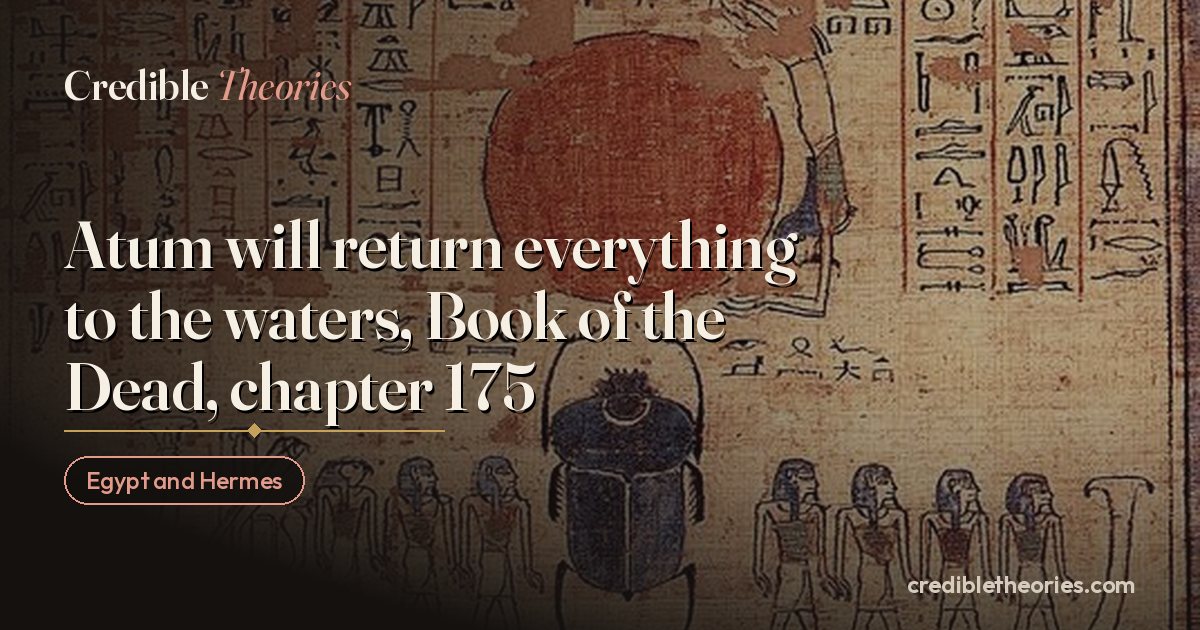
This is a summary from the Egyptian Book of the Dead, spells buried with Egyptians to help them through the afterlife, used from about 1550 to 50 BCE. In this chapter, the god Atum tells Osiris that one day he will destroy everything he made. The earth will return to the first waters, and only the two gods will remain, as serpents.
ReferenceBook of the Dead, chapter 175
Writtenc. 1550–50 BCE
SetEnd of time
Atum tells Osiris that one day he will destroy everything he made, and the earth will return to the primeval waters, Nun, as it was in the beginning. Only Atum and Osiris will remain, as serpents.
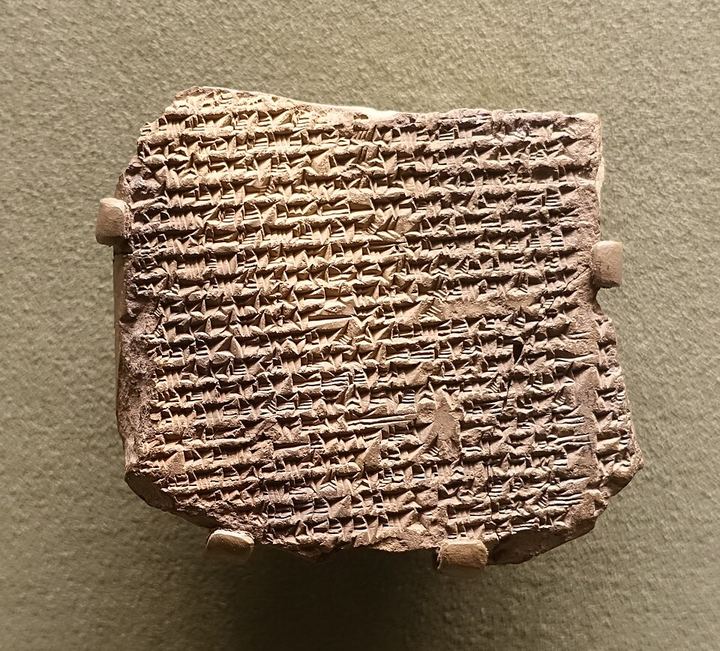
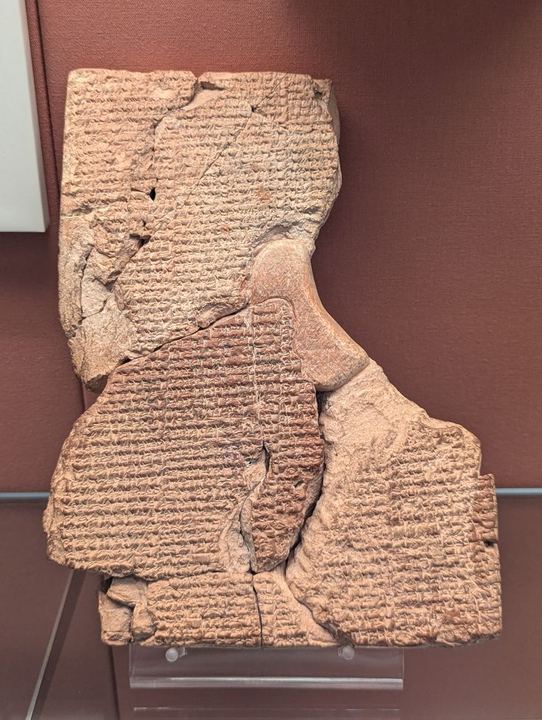
Before anything existed there was dark water. Or an egg. Babylon, Genesis, the Rig Veda, Egypt, Finland and the Quran all start the world in almost the same place.
Papyrus Bremner-Rhind, 'The Book of Knowing the Evolutions of Ra' is one telling. The same story is told 9 more times, in 5 parts of the world. Follow it:
The open question: Why would people who never met all start the world in dark water? A shared idea, or the most natural guess anyone would make? Join the debate
Questions people ask about Book of the Dead, chapter 175
What is the Egyptian Book of the Dead?
It is a collection of about 190 spells meant to help a dead person pass safely through the afterlife. Egyptians called it the Book of Coming Forth by Day. No two copies are the same: buyers had scrolls made with the spells they chose, and these were placed in the tomb. The spells grew out of the older Pyramid Texts and Coffin Texts.
What is the Papyrus of Ani?
It is one of the best-known copies of the Book of the Dead, made around 1250 BCE for a royal scribe named Ani from Thebes. The colorful scroll is more than 20 meters long. Wallis Budge acquired it for the British Museum in 1888, and it was later cut into sheets for display and study.
Who is Nun in Egyptian mythology?
Nun is the dark, endless water that existed before creation. In the creation story from Heliopolis, Atum rises out of Nun on the first mound of land. Egyptians believed Nun still surrounded the ordered world and showed itself in the yearly Nile flood and in groundwater. Many temples had a sacred lake to stand for these first waters.
Used on these files
Atum: Why Did Egypt's Creator Promise to Destroy the World?Myth or legendIn the Book of the Dead, Egypt's creator god calmly tells Osiris that he will one day destroy everything he made and survive it as a serpent, while the earth returns to the waters. He had risen self-made from those waters; some texts say he sneezed out the first gods. What does he mean by an ending?
Where this comes from
EvidenceDocumented
Comes fromThe Egyptian Book of the Dead, Book of the Dead, chapter 175, read here in the E. A. Wallis Budge. Spells written on papyrus scrolls and buried with Egyptians to help them through the afterlife, used from about 1550 BC to about 50 BC. Many copies come from tombs at Thebes; the Papyrus of Ani, found in 1888, is in the British Museum. E. A. Wallis Budge's 1895 translation is used here.
What this means
The text exists and is quoted from a published translation. What it describes is a separate question.
Primary records exist: an original document, a published text, an official file or a dated report. We link to them. This level says the record exists and what it says, not that every claim in it is true.
The Egyptian Book of the DeadSpells written on papyrus scrolls and buried with Egyptians to help them through the afterlife, used from about 1550 BC to about 50 BC. Many copies come from tombs at Thebes; the Papyrus of Ani, found in 1888, is in the British Museum. E. A. Wallis Budge's 1895 translation is used here.E. A. Wallis Budge, The Book of the Dead: The Papyrus of Ani (1895)Online copyPrimary textArchived copy, 2026-10-03