The record
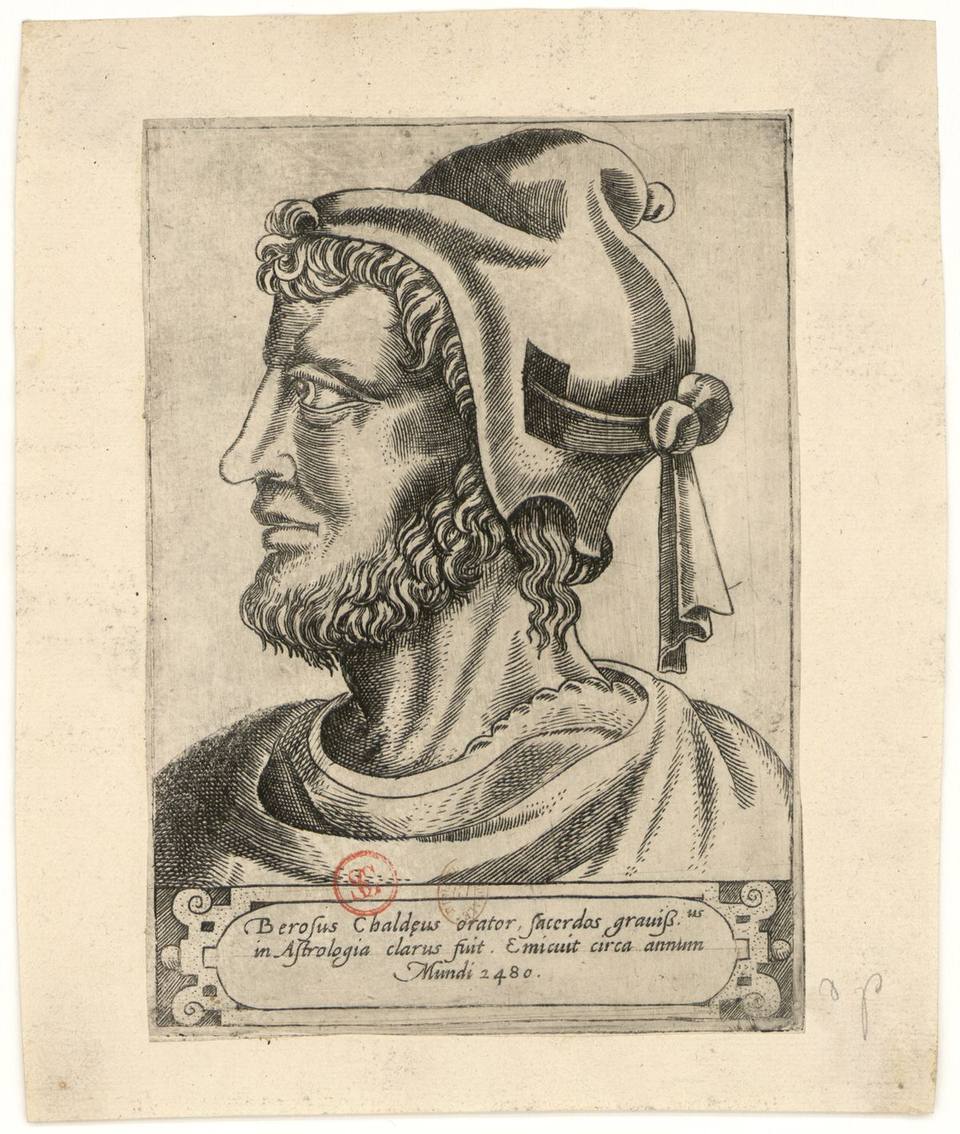
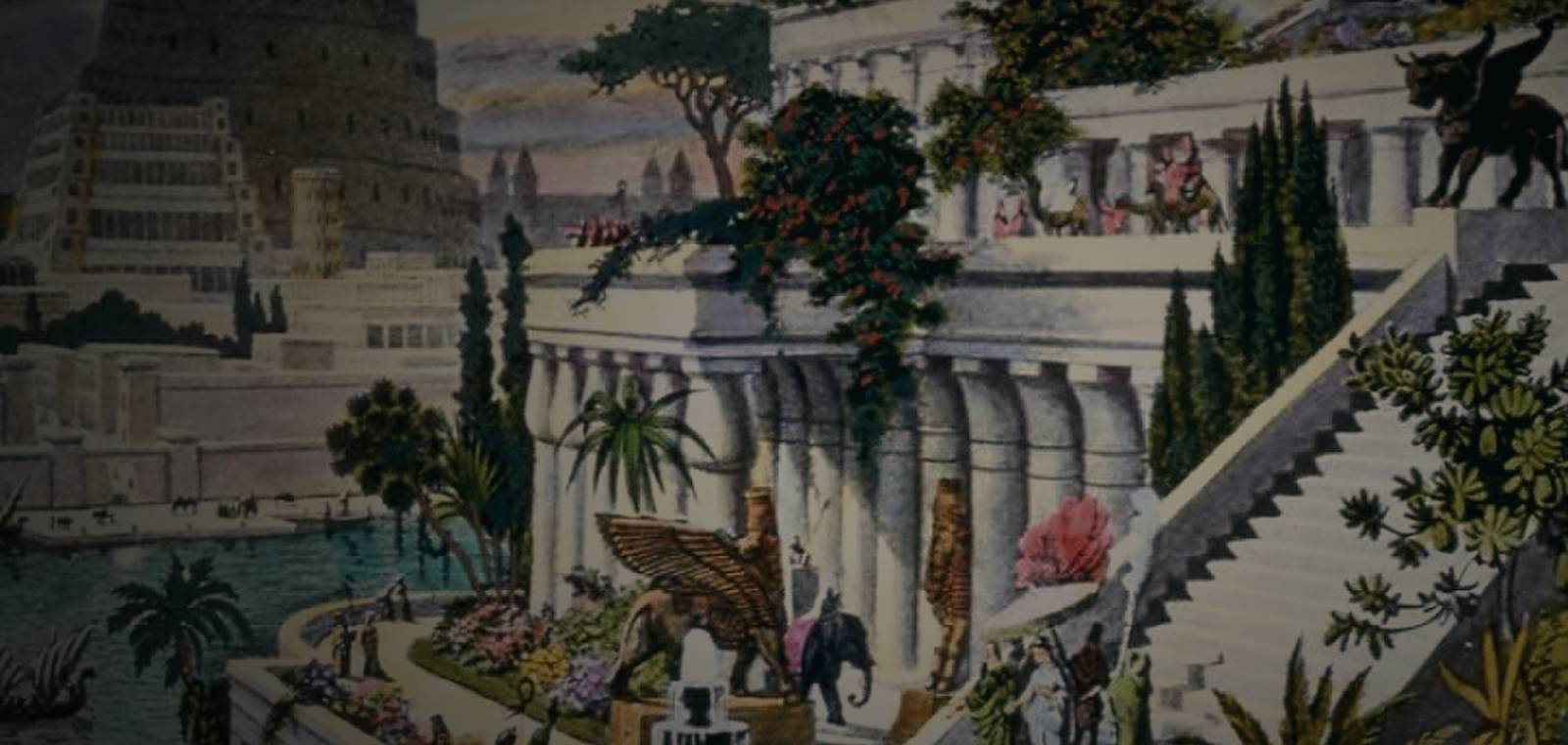
Now in this palace he erected very high walks, supported by stone pillars, and by planting what was called a pensile paradise, and replenishing it with all sorts of trees, he rendered the prospect an exact resemblance of a mountainous country. This he did to please his queen, because she had been brought up in Media, and was fond of a mountainous situation.
Berossus, Chaldean History, book 3, quoted by Josephus, Against Apion 1.19 · Sumer and Babylon
Translation: William Whiston, The Works of Flavius Josephus (1737) · Public domain
The Hanging Garden of Babylon is the one Wonder of the ancient world that may never have stood where the stories put it. Several ancient writers describe it in detail.
Josephus, the Jewish historian, quoted the Babylonian priest Berossus. In the Whiston translation, Berossus says King Nebuchadnezzar (Nabuchodonosor) built a new palace and in it erected very high walks, supported by stone pillars, planting what was called a pensile paradise full of all sorts of trees, so that it looked like a mountainous country. He did this to please his queen, because she had been brought up in Media and was fond of mountains.
Diodorus Siculus told a different story: the garden was built not by Semiramis but by a later Syrian king for one of his concubines, a Persian who longed for the meadows of her mountains. He said the park was four plethra on each side and rose tier on tier like a hillside, so that the whole looked like a theatre.
Strabo called the walls of Babylon and the hanging garden one of the Seven Wonders. He described arched vaults on checkered, cube-like foundations of baked brick and asphalt, covered so deep with earth that they held the largest of trees. Beside the stairs there were screws, through which water was continually raised into the garden from the Euphrates.
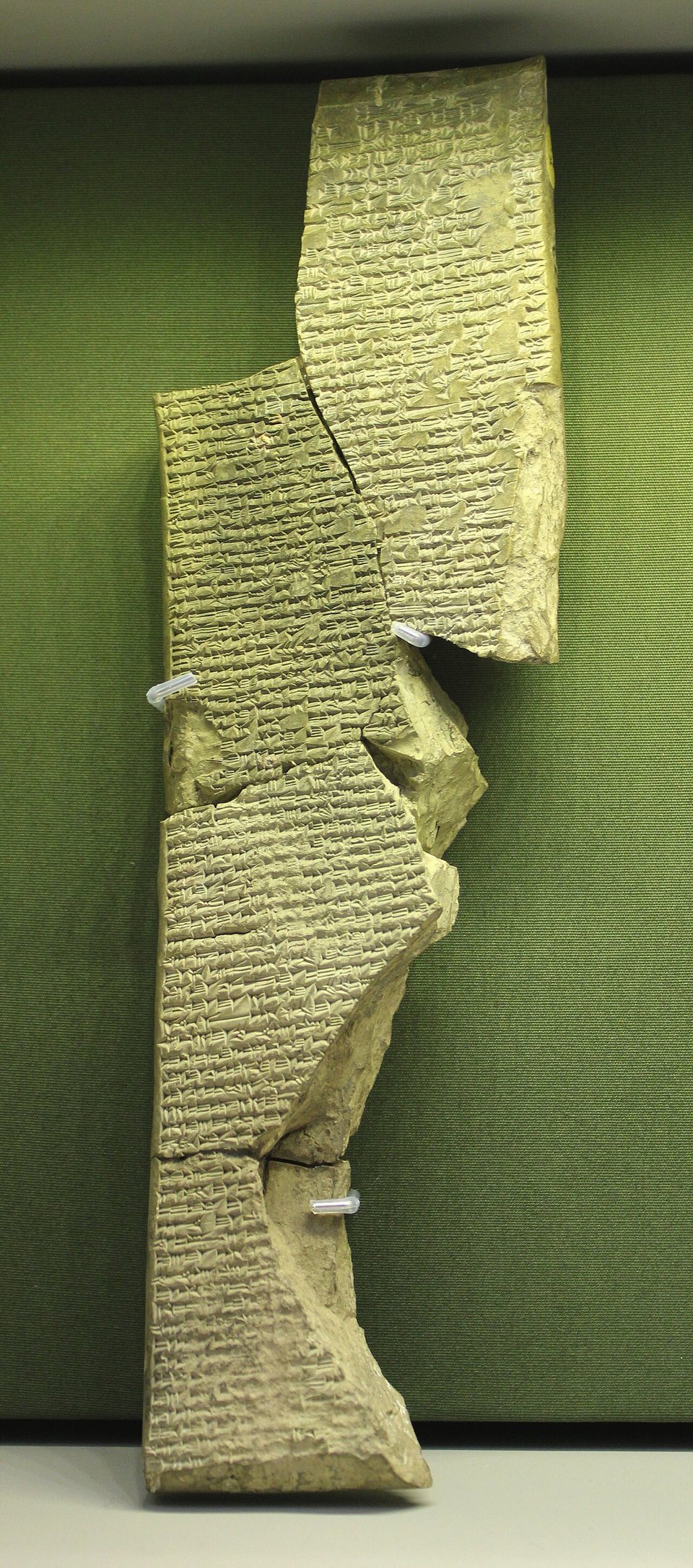
Yet no traces of the garden have ever been found in Babylon. In 2013 the Oxford Assyriologist Stephanie Dalley argued that it was built by the Assyrian king Sennacherib in the early seventh century BCE at Nineveh, 300 miles to the north. She pointed to his own inscriptions, which mention a bronze water-raising screw.