Credible Theories Sign in
Sumer and Babylon · Berossus, Chaldean History, book 3, quoted by Josephus, Against Apion 1.19

A garden built to look like mountains, Berossus, Chaldean History, book 3, quoted by Josephus, Against Apion 1.19

Share

In plain words

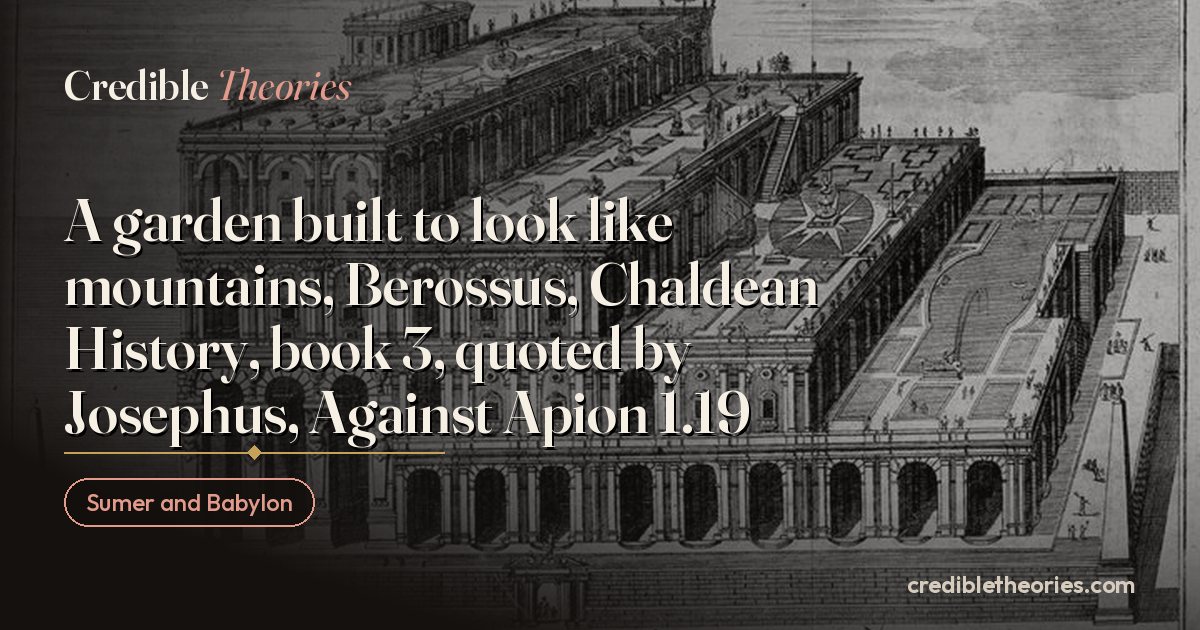
Berossus says King Nebuchadnezzar built raised walks on stone pillars in his new palace and planted them with every kind of tree. The result looked like a mountain landscape. He did it for his queen, who had grown up in the hills of Media and missed them.

ReferenceBerossus, Chaldean History, book 3, quoted by Josephus, Against Apion 1.19
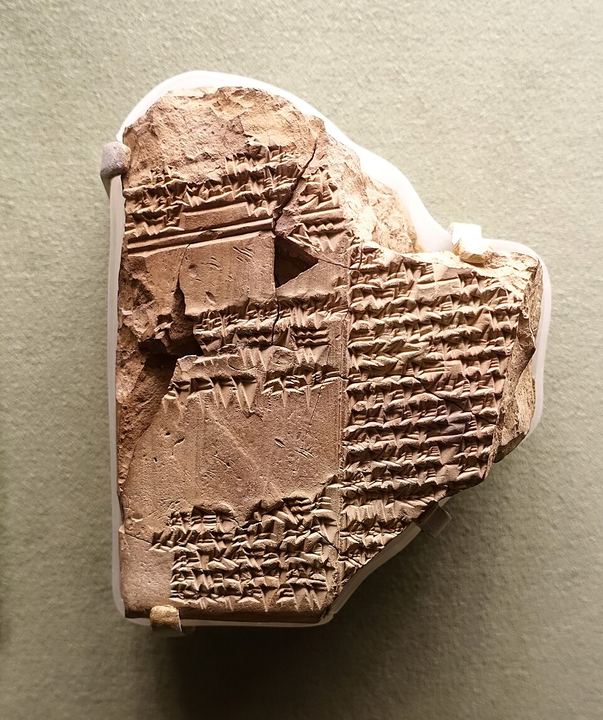
WrittenWritten by Berossus, a priest of Babylon, in Greek; his book is lost and survives in quotations by later writers such as Josephus
SetBabylon, in the new palace of King Nebuchadnezzar
Now in this palace he erected very high walks, supported by stone pillars, and by planting what was called a pensile paradise, and replenishing it with all sorts of trees, he rendered the prospect an exact resemblance of a mountainous country. This he did to please his queen, because she had been brought up in Media, and was fond of a mountainous situation.

Documented · Modern book, Written by Berossus, a priest Translation: William Whiston, 1737 · About the translator

Read it literally

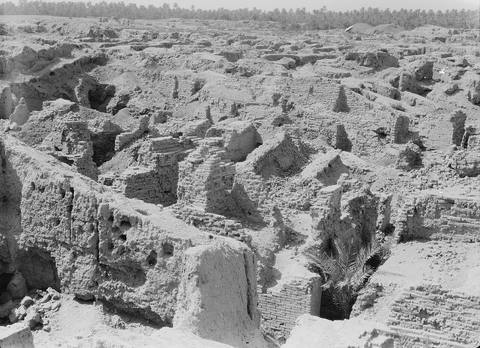
The oldest surviving description of the Hanging Garden, from a priest of Babylon, says Nebuchadnezzar built it for a queen who missed the mountains of Media. The Hanging Gardens file sets it beside Strabo's water screws and the theory that the garden stood at Nineveh.

What scholars say

Berossus lived long after Nebuchadnezzar, and his words survive only as Josephus quoted them.

Themes Looks like technology
Questions people ask about Berossus, Chaldean History, book 3, quoted by Josephus, Against Apion 1.19

Who was Berossus complaining about?

Josephus says Berossus blamed the Greek writers for wrongly claiming that Babylon and its wonderful buildings were the work of Semiramis, queen of Assyria.

What else did Nebuchadnezzar build, according to Berossus?

Three walls around the inner city and three around the outer, some of burnt brick and bitumen, so that no besieger could turn the river to get in.

Used on these files

  • Berossus: The Babylonian Who Explained His World to the Greeks DocumentedBefore the Flood, ten kings ruled for 432,000 years, according to a Babylonian priest who wrote in Greek around 290 BCE. His flood hero was also ordered to bury written records of all things at Sippar and dig them up afterward; the book itself is lost. So how do we know any of this?
  • The Hanging Gardens of Babylon DocumentedA garden of trees raised on arches above a royal palace, watered from the river by screws. Ancient writers describe it in detail. Digging at Babylon has never found it.

Where this comes from

EvidenceDocumented

Comes from Against Apion, by Josephus, Berossus, Chaldean History, book 3, quoted by Josephus, Against Apion 1.19, read here in the William Whiston. A short work by the Jewish historian Josephus, written in Rome around AD 95 to 100, defending the great age of the Jewish people against Greek critics. It is valued because it quotes older writers whose books are now lost, such as the Egyptian priest Manetho.

What this means

The text exists and is quoted from a published translation. What it describes is a separate question.

Primary records exist: an original document, a published text, an official file or a dated report. We link to them. This level says the record exists and what it says, not that every claim in it is true.

See all five labels

Sources

  1. Project GutenbergThe oldest digital library, started in 1971, with more than 70,000 free e-books whose copyright has run out. Volunteers type and check the texts against printed editions.William Whiston, The Works of Flavius Josephus (1737)Primary text Archived copy, 2026-09-15
  2. Berossus's History of Babylonia (Babyloniaca)A history of Babylon written in Greek by Berossus, a Babylonian priest, around 290 to 278 BC. It told of Oannes, a fish-man who taught people how to live in cities, and of ten kings before the Flood. The book is lost; only quotations by later writers survive.Berossus, fragments via Alexander Polyhistor, in I. P. Cory, Ancient Fragments (1832) Online copyPrimary text
  3. Against Apion, by JosephusA short work by the Jewish historian Josephus, written in Rome around AD 95 to 100, defending the great age of the Jewish people against Greek critics. It is valued because it quotes older writers whose books are now lost, such as the Egyptian priest Manetho.Flavius Josephus, Against Apion 1.19-20, quoting Berossus, trans. William Whiston (1737), Project GutenbergPrimary text

Scholarly dates are rounded. The wording follows the named public-domain translation.

More from Sumer and Babylon

Two more stories, and what each shares with A garden built to look like mountains.

Photo credits
‹ Before thisXisuthrus buries the writings before the FloodBerossus, Babyloniaca, via Alexander Polyhistor

The book is lost, and only quotes by later writers survive.

Also about BabylonSame theme: Looks like technology
Photo credits
RelatedThe Watchers in DanielDaniel 4:13, 17

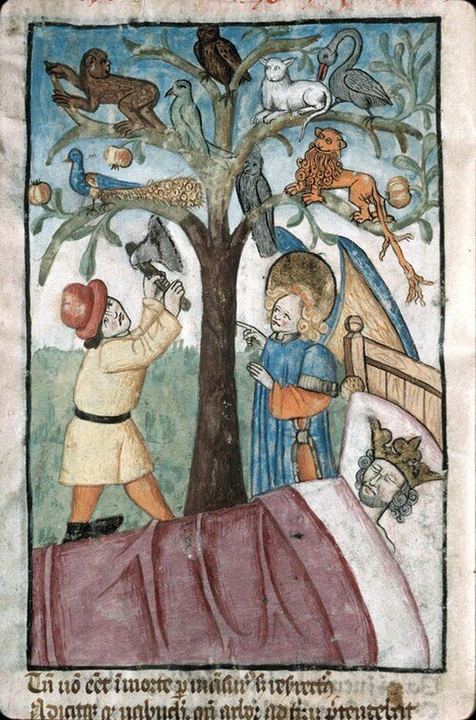
In a story about King Nebuchadnezzar, "a watcher and an holy one" comes down from heaven, and a matter is settled "by the decree of the watchers." The word for watcher is the same one 1 Enoch uses for the fallen angels.

Also about Babylon

Updated

Discussion