












What is Nebuchadnezzar II known for?
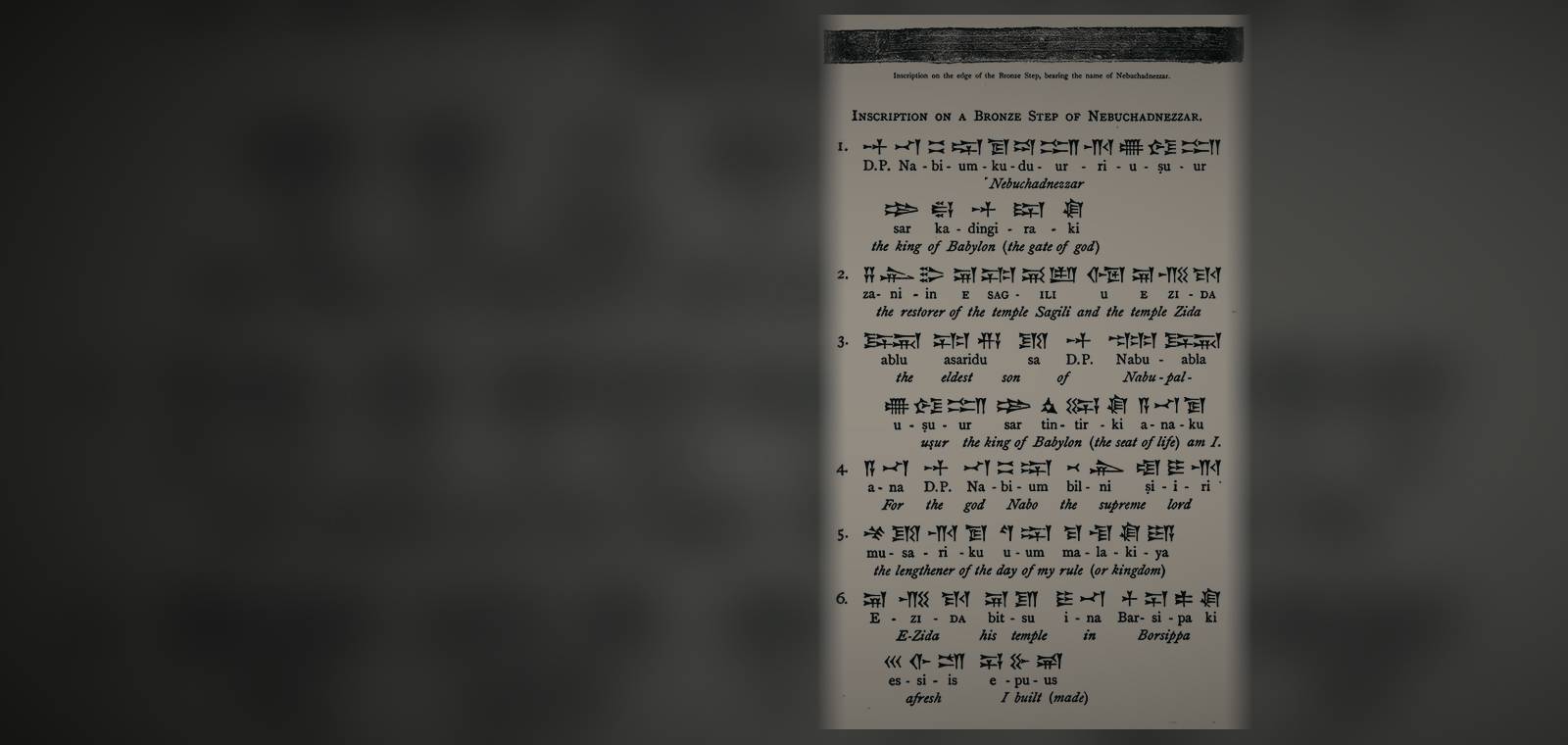
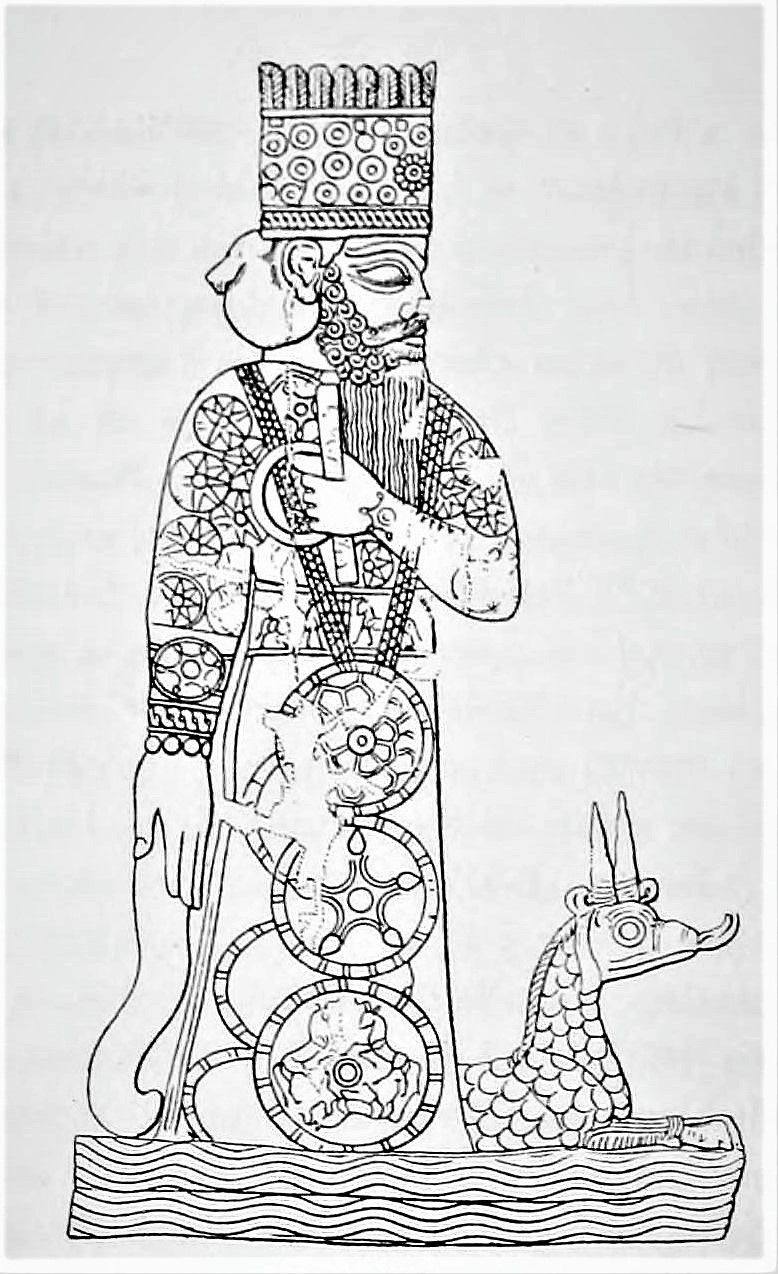
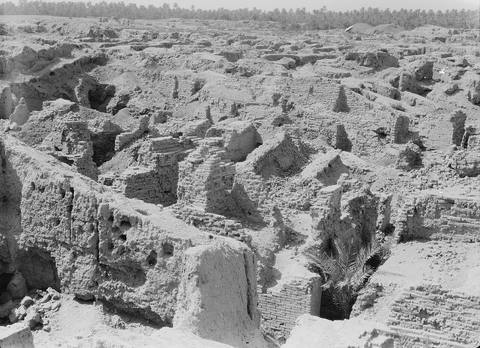
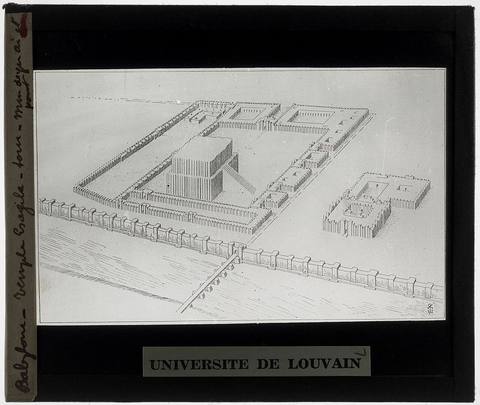
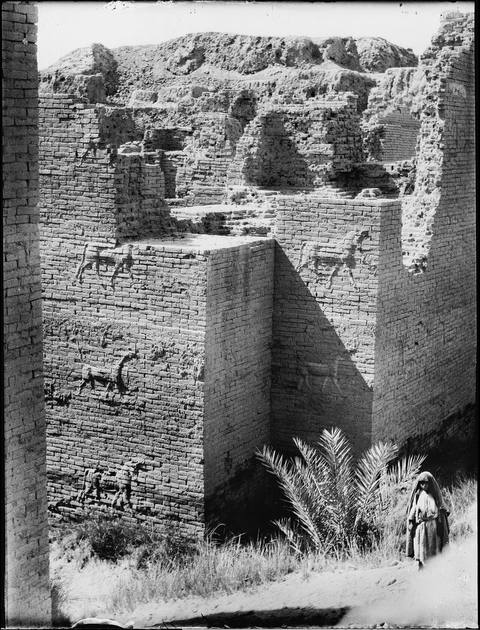
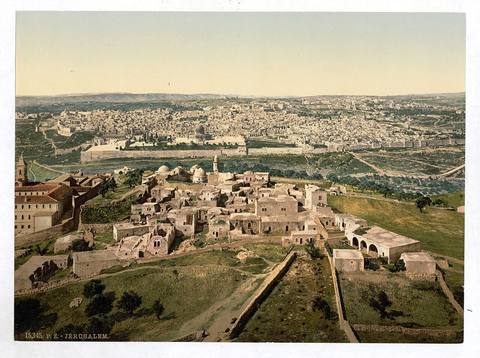
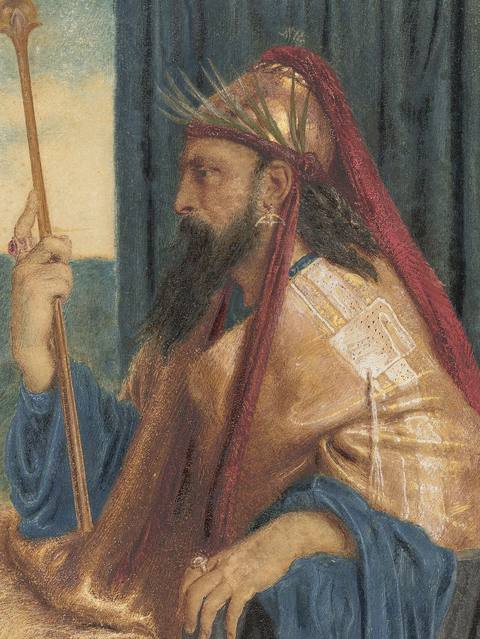
Nebuchadnezzar II ruled the Neo-Babylonian Empire from 605 to 562 BCE. He defeated Egypt at Carchemish in 605 BCE, took Jerusalem in 597 BCE, and after a revolt destroyed the city and Solomon's Temple in 587/586 BCE, deporting much of Judah's population to Babylonia. At home he rebuilt Babylon on a grand scale, including the glazed-brick Ishtar Gate (now in Berlin's Pergamon Museum), the ziggurat Etemenanki and the temple of Marduk, Esagila. His building inscriptions survive in large numbers.
The Book of Daniel makes him a central character. In Daniel 2 he dreams of a statue of gold, silver, bronze, iron and clay, which scholars compare with other ancient schemes of metal ages. In Daniel 4 he dreams of a great tree cut down at the order of "a watcher and an holy one" from heaven, the Bible's only use of the word watcher for such a being, and he is driven out to live like an animal for seven periods.
Historians note that this madness story has no Babylonian record and may preserve memories of the last Babylonian king, Nabonidus, who spent years away at Tayma in Arabia.
Titles and honors
- Offices held
- High priest of the Eanna temple, Uruk 626/625-617 BCE
The same story, told elsewhere
Shared story · Floods and lost lands
Towers to Heaven
Babel is the famous one, but Babylonians, Greeks, the Quran, Mexico, China and the Zambezi all tell of people trying to build or climb their way up to the gods, and failing.
Genesis 11 (Babel) is one telling. The same story is told 7 more times, in 5 parts of the world. Follow it:
- GreekIonia / Greece · c. 8th to 7th century BCE · Ancient text
- Hebrew BibleBabylon · c. 600-400 BCE · Ancient textTied to this page
- ChineseChina · 1st millennium BCE · Ancient text
- Jewish (Second Temple)Judea · c. 160-150 BCE · Ancient text
- Babylonian / Greek (Abydenus, after Berossus)Babylon · c. 2nd century CE · Ancient text
- IslamArabia · 7th century CE · Medieval text
- Aztec / Nahua (Cholula)Cholula, central Mexico · c. 1566 · Recorded folklore
- Lozi (A-Louyi), Upper ZambeziUpper Zambezi · 1901 · Recorded folklore
The open question: Is the tower story about one real building, about pride, or about why people speak different languages? Join the debate
Shared story · Beginnings
The Lost Golden Age and the Ages of the World
Gold, silver, bronze, iron: Greece, Persia and the Book of Daniel all count the ages of the world in metals, India counts four yugas, and the Norse and Maya see whole worlds destroyed and remade.
Daniel 2 (Nebuchadnezzar's statue) is one telling. The same story is told 9 more times, in 6 parts of the world. Follow it:
- GreekBoeotia, Greece · c. 700 BCE · Ancient text
- Greek (Plato)Athens · c. 360 BCE · Ancient text
- Greek, about EgyptAthens, telling an Egyptian story · c. 360 BCE · Ancient text
- Hindu law codeIndia · c. 200 BCE · Ancient text
- Hebrew BibleJudea · c. 165 BCE · Ancient textTied to this page
- RomanRome · c. 8 CE · Ancient text
- Zoroastrian (Persian)Iran · 9th to 13th centuries CE · Medieval text
- Zoroastrian (Persian)Iran · 9th century CE · Medieval text
- NorseIceland · c. 1000 CE · Medieval text
- K'iche' MayaHighland Guatemala · c. 1554-1558 · Retold in English
The open question: Why do so many traditions believe the past was better and the world is running down? Memory, or human nature? Join the debate
Mentioned on these pages
- FileHesiod's five races of men
- FileThe Hanging Gardens of Babylon
- FileThe Watchers (Grigori)
- PassageA garden built to look like mountains (Berossus, Chaldean History, book 3, quoted by Josephus, Against Apion 1.19)
- PersonDaniel
- PersonHesiod
- PlaceBabylon
- PlaceCarchemish
- PlaceIshtar Gate
- PlaceMesopotamia
- PlacePergamon Museum
- PlaceTower of Babel and Etemenanki
Linked people and places
Where this comes from
Comes from Daniel 2 and 4 (KJV), Bible Gateway. The Book of Daniel: A book of the Bible about Daniel, a Jewish captive at the court of Babylon, with stories such as the lions' den and visions of angels and future kingdoms. It is set in the 500s BC, but most scholars think the visions were written around 165 BC.
What this means
A real person with records. Sources are listed below.
For Nebuchadnezzar II, the original record exists and is linked: Daniel 2 and 4 (KJV), Bible Gateway. That tells you the record is real and what it says. It does not mean every claim in it is true.
Primary records exist: an original document, a published text, an official file or a dated report. We link to them. This level says the record exists and what it says, not that every claim in it is true.
Sources
- The Book of DanielA book of the Bible about Daniel, a Jewish captive at the court of Babylon, with stories such as the lions' den and visions of angels and future kingdoms. It is set in the 500s BC, but most scholars think the visions were written around 165 BC.Daniel 2 and 4 (KJV), Bible Gateway Online copyPrimary text Archived copy, 2026-10-03
- WikipediaA free online encyclopedia written and edited by volunteers. It is a good starting point and usually lists its own sources, but anyone can change it, so we treat it as a guide to better sources, not the final word.Wikipedia, 'Nebuchadnezzar II'Reference Archived copy, 2026-09-23