












Credible Theories Sign in

The record

What it was. Operation Paperclip brought German and Austrian scientists, engineers and technicians to the United States after World War II, many of whom had built weapons for Nazi Germany. It turns up in many online theories, from NASA's beginnings to secret mind-control and UFO programs, but the program itself is on record. The 2007 final report to Congress of the Nazi War Crimes and Japanese Imperial Government Records Interagency Working Group says it served two purposes: to obtain the benefits of German scientific research and technological advances, and to deny those benefits to the Soviets. In July 1945 the Joint Chiefs of Staff authorized a top-secret project code named Overcast to bring over chosen rare minds whose continuing intellectual productivity we wish to use, up to 350 specialists at first.

The Nazi question, in the records. President Truman approved a larger program in September 1946, the report says, but insisted that only nominal participants in the Nazi Party, not active supporters, be let in, and a panel from the Justice and State Departments ruled on each specialist. The records show how the rule was handled. The director of the Joint Intelligence Objectives Agency, which ran the program, wired the U.S. European Command and requested that the Army CIC revise some security reports so that certain scientists could participate in Project Paperclip. The report counts that Between 1945 and 1955, 765 scientists, engineers, and technicians were brought to the United States under Overcast, Paperclip, and similar programs, and cites the historian Clarence Lasby's estimate that up to 80 percent of the immigrant specialists were former Nazi Party members.

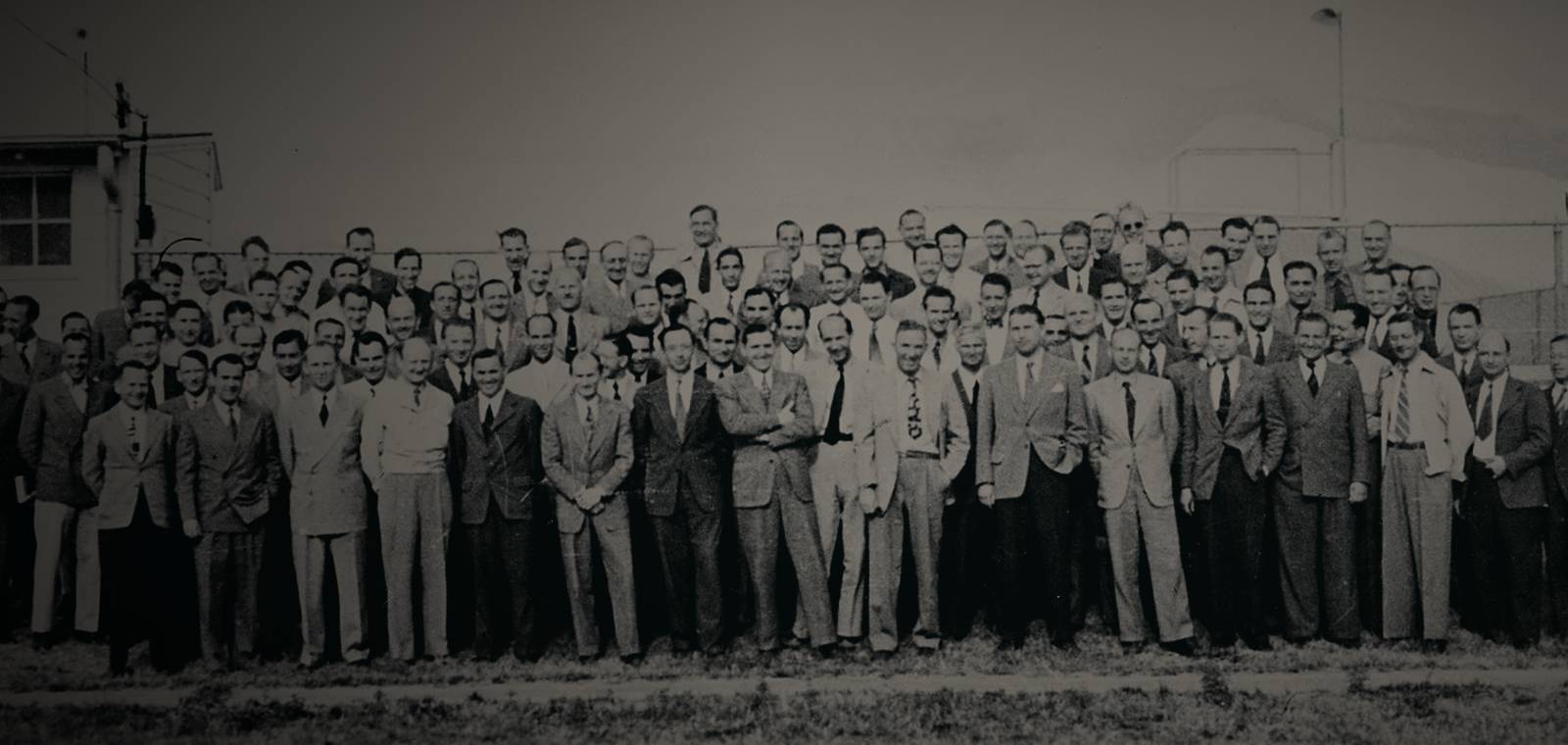
The rocket team. NASA's biography of Wernher von Braun says he was a member of an SS equestrian unit in 1933–34, joined the Nazi Party in 1937 and became a junior SS officer in 1940. His V-2 missile was built at the Mittelwerk, an underground plant that utilized enslaved labor from the attached Mittelbau-Dora concentration camp, and NASA writes that Von Braun was well aware of the terrible conditions and was involved in decision-making about the use of slave labor. Under Paperclip he and an initial group of about 125 went to Fort Bliss, Texas. In 1960 his team moved to NASA, and he ran the Marshall Space Flight Center that built the Saturn V moon rocket. Arthur Rudolph, a V-2 production engineer who became project director of the Saturn V program, left the United States in 1984 and gave up his citizenship after the Justice Department's Office of Special Investigations found his role at the Mittelwerk.

The files. The Joint Intelligence Objectives Agency was set up in 1945 and disbanded in 1962. The National Archives holds its personnel dossiers on over 1,500 German and other foreign scientists, technicians, and engineers who were brought to the United States under Project Paperclip and similar programs. They include Georg Rickhey, an official of the underground V-2 factory who was tried for war crimes and acquitted, and Walter Schreiber, who had been instrumental in medical experiments on concentration camp inmates and fled to Argentina in 1952. One file is not there: Not included among the dossiers is one for rocket scientist Wernher von Braun. It was never transferred to NARA.
Questions people ask about Operation Paperclip

What was Operation Paperclip?

It was the U.S. program that brought German and Austrian scientists and engineers to America after World War II, to use their skills and keep them from the Soviet Union. It began as Project Overcast in July 1945. The agency that ran it, the Joint Intelligence Objectives Agency, was disbanded in 1962.

How many scientists came through Operation Paperclip?

A 2007 report to Congress counts 765 scientists, engineers and technicians brought in between 1945 and 1955 under Overcast, Paperclip and similar programs. The National Archives holds case files on more than 1,500, a count that also covers related programs.

Were the Paperclip scientists Nazis?

Many had been members. The historian Clarence Lasby estimated that up to 80 percent of those brought over were former Nazi Party members, and Wernher von Braun had been an SS officer. President Truman ordered that only nominal members be admitted, but records show some security reports were revised so certain scientists could come.

Where are the Operation Paperclip files?

At the National Archives, in the records of the Secretary of Defense (Record Group 330), as the Foreign Scientist Case Files, 1945-1958, of the Joint Intelligence Objectives Agency. Von Braun's own file was never transferred there.

The open question

Still strange: The National Archives holds Paperclip dossiers on more than 1,500 scientists, but not the one for its most famous member. Wernher von Braun's file "was never transferred to NARA."

MKUltra: What the CIA Admitted to the Senate in 1977 →
  1. Step 1 of 4 · This fileOperation Paperclip
  2. Step 2 of 4 · Next fileMKUltra: What the CIA Admitted to the Senate in 1977
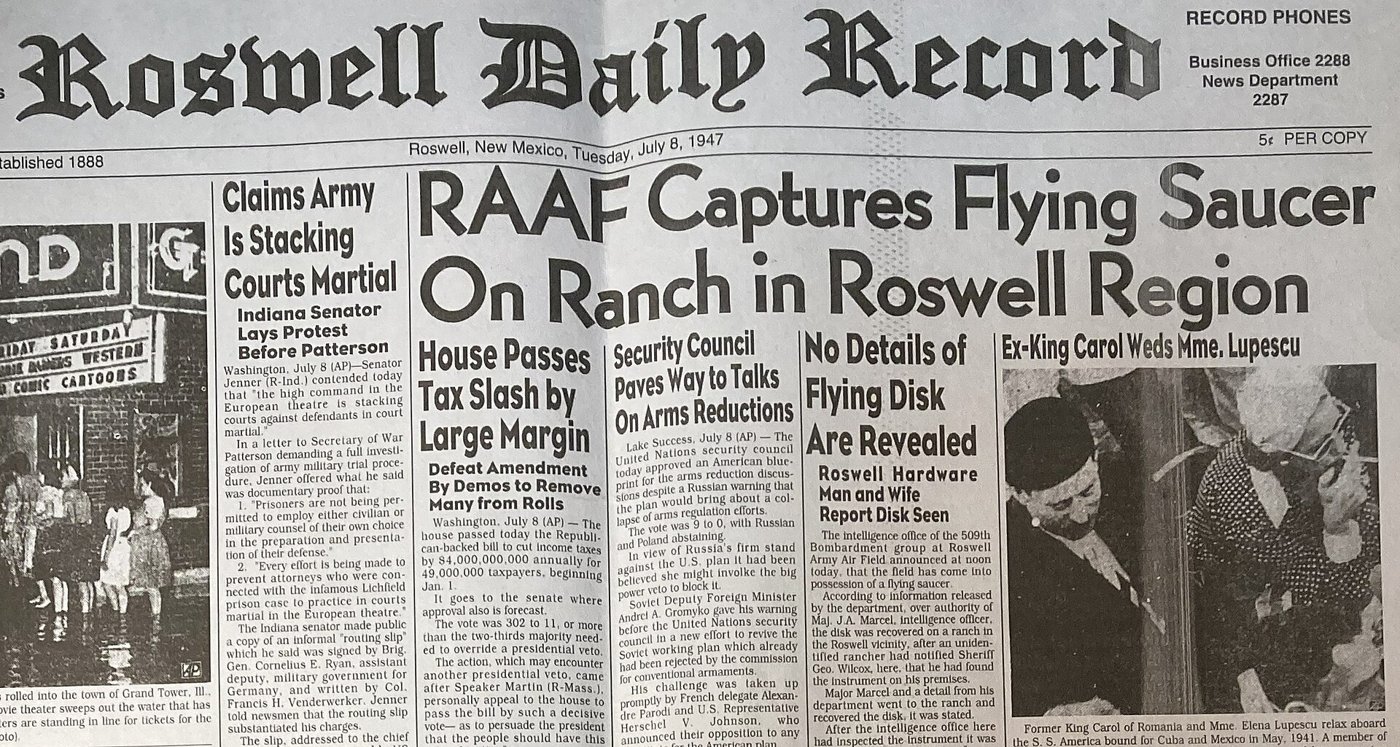
  3. Step 3 of 4 · Next fileThe Roswell Incident: What the 1947 Records Say
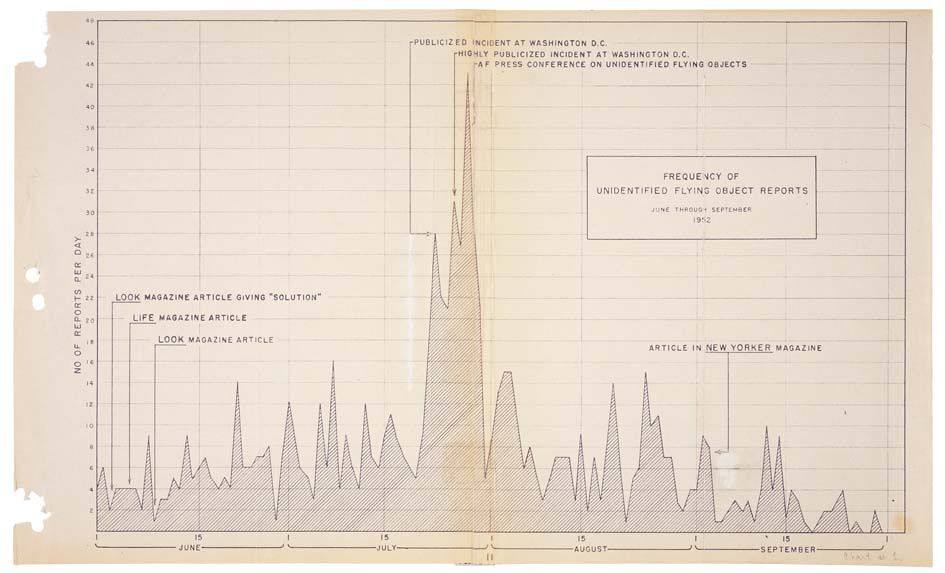
  4. Step 4 of 4 · Next fileWhat Was Project Blue Book? Inside the Air Force UFO Files
About these videos

Found by a YouTube search for this topic, not checked by us. The player loads from YouTube only when you press play.

Where this comes from

EvidenceDocumented

Comes from Nazi War Crimes and Japanese Imperial Government Records Interagency Working Group…. US National Archives: The National Archives and Records Administration, the US government agency that keeps the nation's official records, such as Project Blue Book's UFO files.

What this means

The program, its rules and the scientists' case files are documented at the National Archives and in a 2007 report to Congress.

For Operation Paperclip, the original record exists and is linked: Nazi War Crimes and Japanese Imperial Government Records Interagency Working Group…. That tells you the record is real and what it says. It does not mean every claim in it is true.

Primary records exist: an original document, a published text, an official file or a dated report. We link to them. This level says the record exists and what it says, not that every claim in it is true.

See all five labels

Sources

  1. US National ArchivesThe National Archives and Records Administration, the US government agency that keeps the nation's official records, such as Project Blue Book's UFO files.Nazi War Crimes and Japanese Imperial Government Records Interagency Working Group, Final Report to the United States Congress (National Archives, April 2007), pp. 14-15Primary text
  2. US National ArchivesNational Archives, "Records of the Secretary of Defense (RG 330): Joint Intelligence Objectives Agency", Foreign Scientist Case Files 1945-1958Primary text
  3. NASAThe official website of NASA, the US government's space agency, with mission histories, records and news releases.NASA, "Wernher von Braun" (biography, NASA History Office)Reference

Quotations come from public-domain translations. A book in our Library links to its Library page; other links open the free online copy or the reference page.

Updated

Credible or not?

Tap one to see how other readers voted.

Discussion