












What is Amar Annus known for?
Amar Annus is an Estonian scholar of the ancient Near East associated with the University of Tartu. He has written on Mesopotamian religion, the god Ninurta, and the links between Babylonian and Jewish literature.
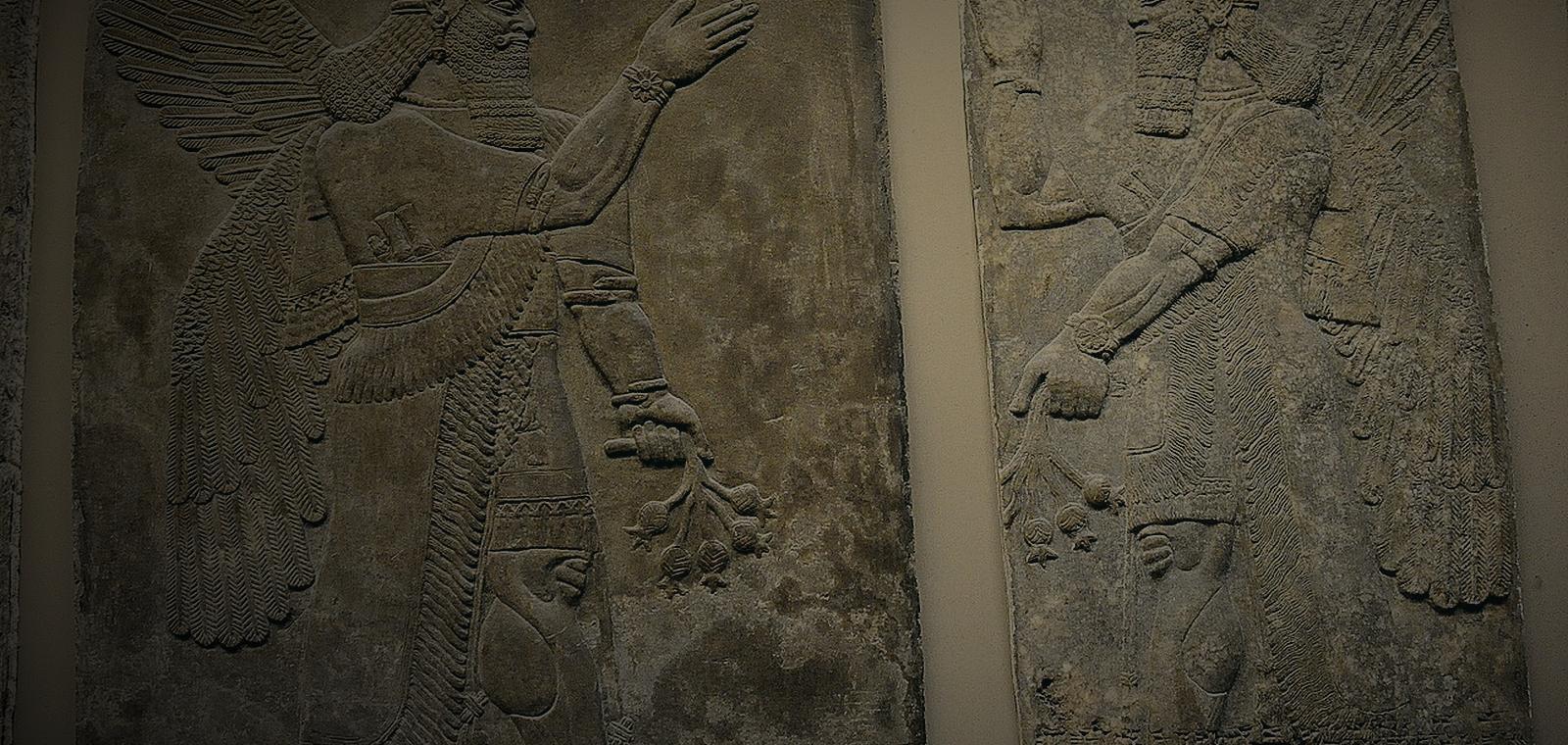
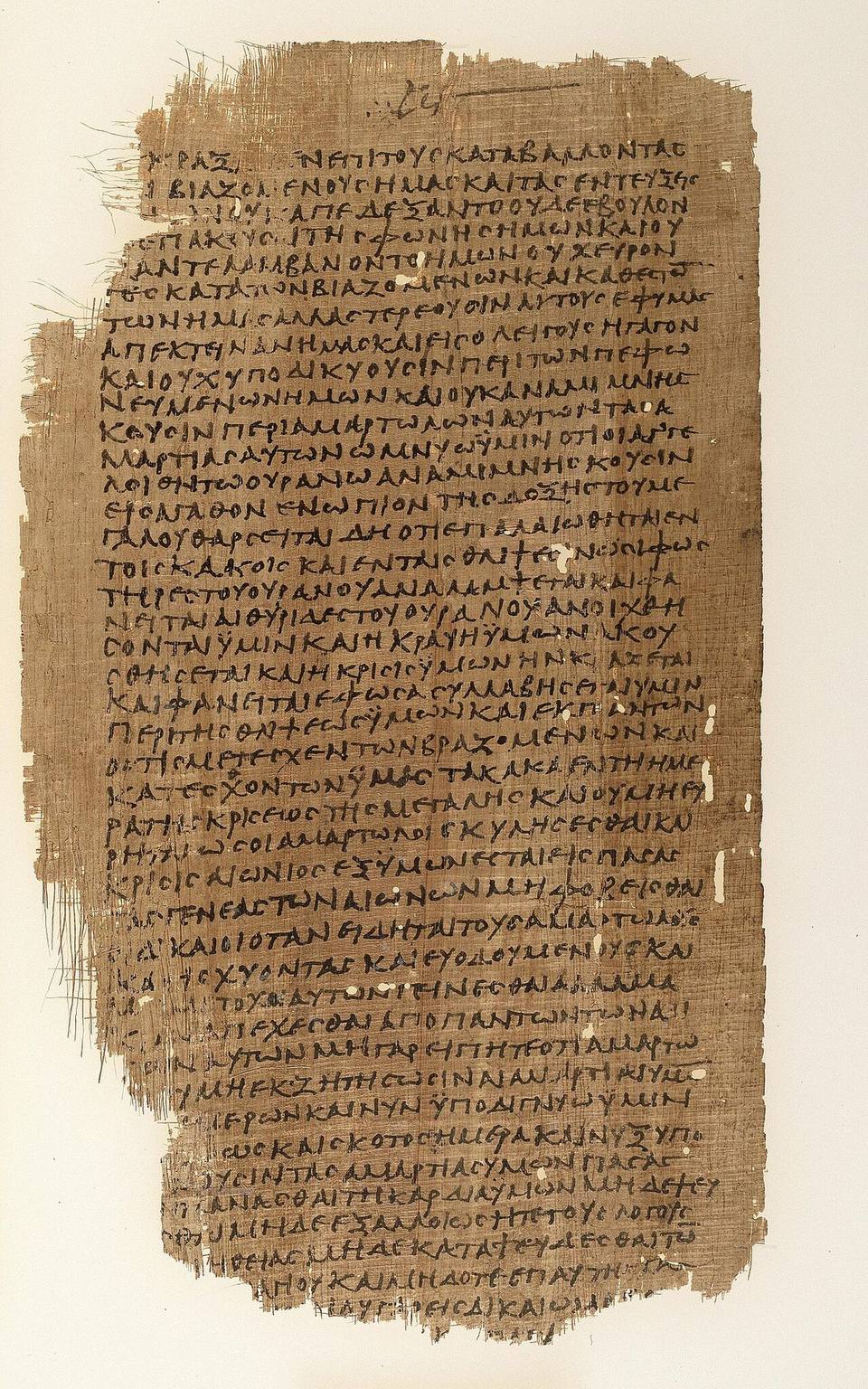
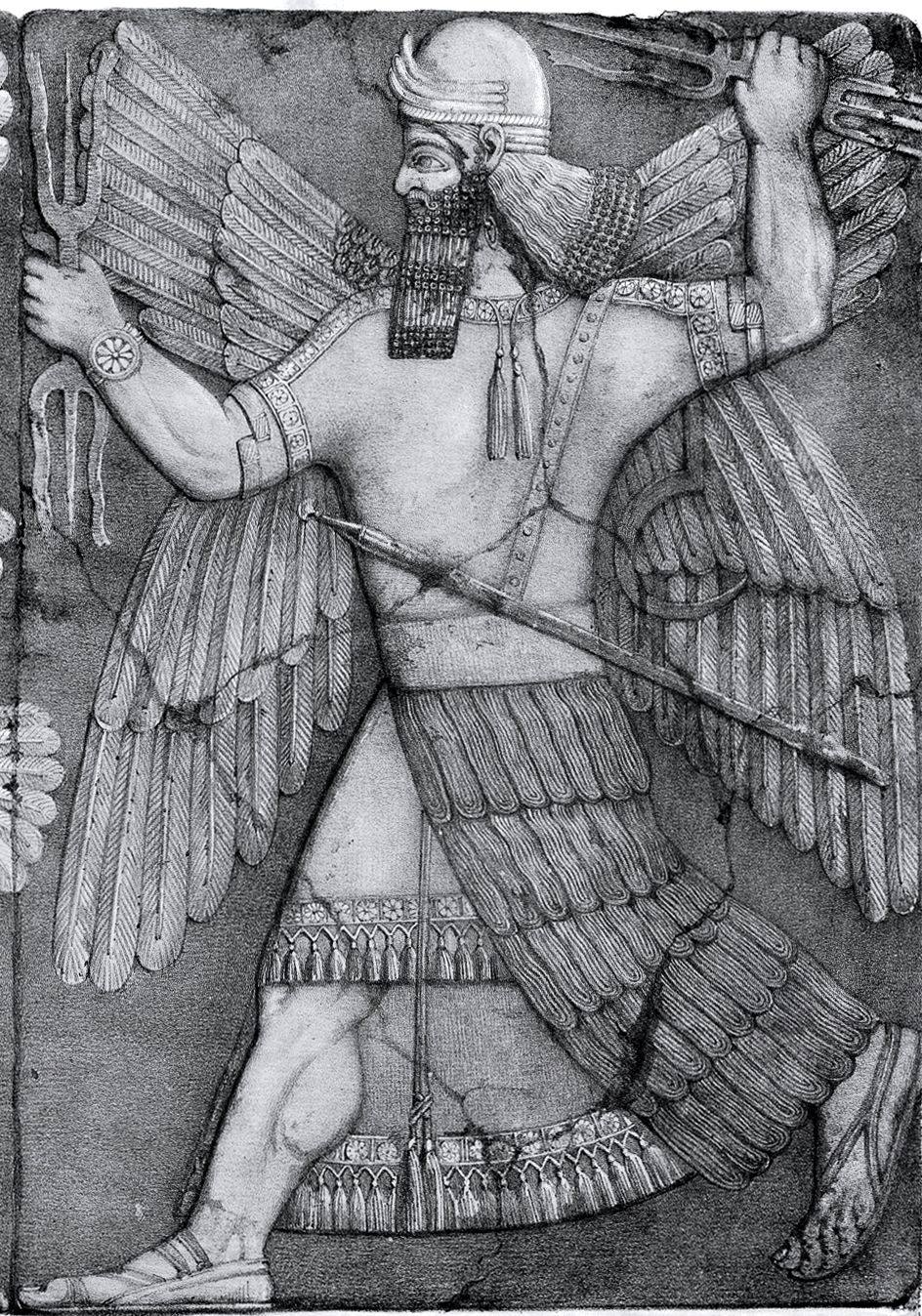
In a 2010 article in the Journal for the Study of the Pseudepigrapha, 'On the Origin of Watchers: A Comparative Study of the Antediluvian Wisdom in Mesopotamian and Jewish Traditions', he argued that the story of the Watchers in 1 Enoch, heavenly beings who teach forbidden arts before the Flood, partly inverts the Mesopotamian tradition of the apkallu, the sages who brought civilization to humans before the Flood. In his reading the honored Babylonian teachers became villains in the Jewish account, though he also notes that some Mesopotamian sources already linked apkallu with demons and witchcraft. Other scholars accept the general link while debating how direct it is.
The same story, told elsewhere
Shared story · Beginnings
Beings Who Taught Humanity the Arts
Fallen angels taught metalwork and makeup, a fish-man from the sea taught writing and law, Prometheus gave fire and numbers, and Thoth invented letters. Many cultures say civilization was a gift from outside.
Berossus, Babyloniaca (Oannes) is one telling. The same story is told 6 more times, in 4 parts of the world. Follow it:
- GreekAthens · c. 460-430 BCE · Ancient text
- Greek, about EgyptAthens, telling an Egyptian story · c. 370 BCE · Ancient text
- ChineseChina · c. 4th to 3rd century BCE · Ancient text
- Jewish apocalyptic (Second Temple)Judea · c. 300-200 BCE · Ancient text
- Babylonian, retold in GreekBabylon · c. 280 BCE · Ancient textTied to this page
- Jewish (Second Temple)Judea · c. 160-150 BCE · Ancient text
- IslamArabia · 7th century CE · Medieval text
The open question: Did people credit outsiders for their own inventions, or is there a reason so many say they were taught? Join the debate
Mentioned on these pages
Linked people and places
Where this comes from
Comes from Amar Annus, 'On the Origin of Watchers', Journal for the Study of the Pseudepigrapha…. A research article: An article written by a researcher and published in a scholarly journal or book. Most such journals have other experts check a paper before it is printed, so it carries more weight than a news story, though later studies can still change the picture.
What this means
A real person with records. Sources are listed below.
For Amar Annus, the original record exists and is linked: Amar Annus, 'On the Origin of Watchers', Journal for the Study of the Pseudepigrapha…. That tells you the record is real and what it says. It does not mean every claim in it is true.
Primary records exist: an original document, a published text, an official file or a dated report. We link to them. This level says the record exists and what it says, not that every claim in it is true.
Sources
- A research articleAn article written by a researcher and published in a scholarly journal or book. Most such journals have other experts check a paper before it is printed, so it carries more weight than a news story, though later studies can still change the picture.Amar Annus, 'On the Origin of Watchers', Journal for the Study of the Pseudepigrapha 19.4 (2010): 277–320Primary text Archived copy, 2026-10-03
- WikipediaA free online encyclopedia written and edited by volunteers. It is a good starting point and usually lists its own sources, but anyone can change it, so we treat it as a guide to better sources, not the final word.Wikipedia, 'Apkallu'Reference Archived copy, 2026-09-18
No public-domain picture of this person yet. We do not show drawn or generated likenesses.