Credible Theories Sign in

The record

From the text
My spirit shall not always strive with man, for that he also is flesh: yet his days shall be an hundred and twenty years.
Documented · Ancient text, c. 900–450 BCE
Genesis 5; 6:3 · Hebrew Bible
Translation: King James Version (1611; standard 1769 text), with Apocrypha · Public domain

Methuselah is the son of Enoch and grandfather of Noah. Genesis 5:27 gives him the longest life in the Bible: all the days of Methuselah were nine hundred sixty and nine years: and he died. If you add up the ages in the standard Hebrew text, he dies in the very year of the Flood, which led later Jewish tradition to say the Flood was delayed until the mourning for him had ended.

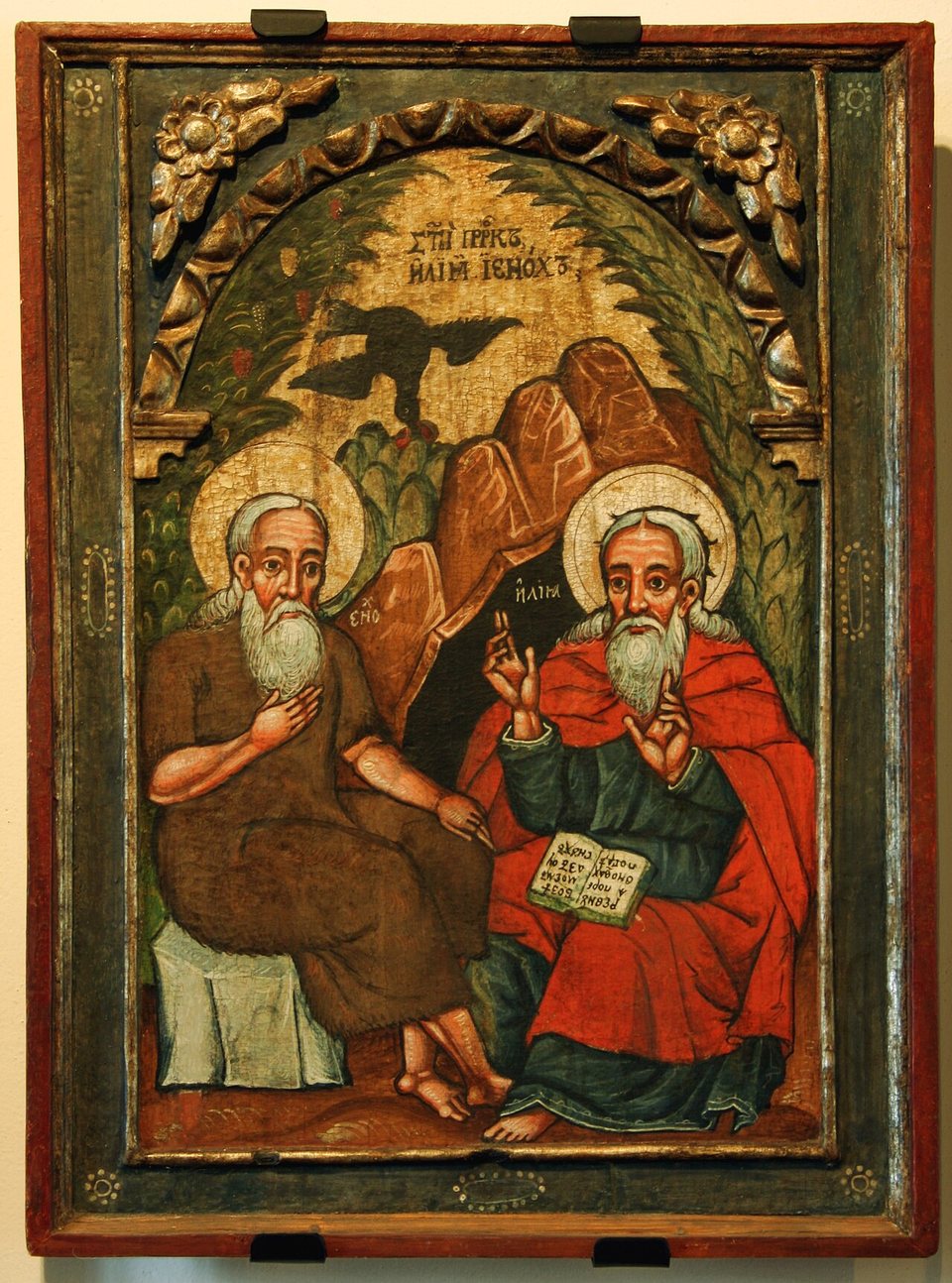
In the Enoch books he has a bigger job. At the end of the Astronomical Book, Enoch tells him to preserve the books from thy father's hand and hand them down to future generations. In 1 Enoch 106, when Lamech is frightened by the unearthly newborn Noah, it is Methuselah who travels to the ends of the earth to find the departed Enoch and ask what the child means. In 2 Enoch he becomes a priest after his father is taken.

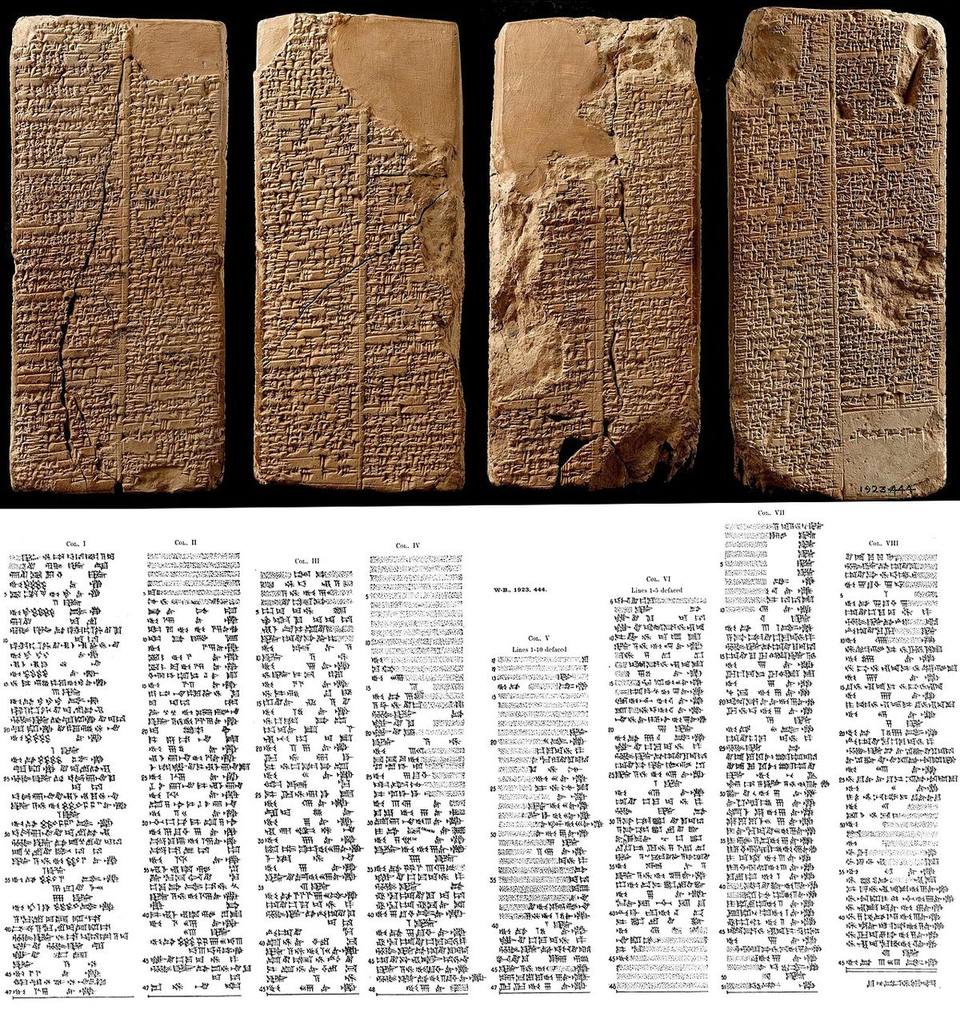
His name is usually explained as man of the dart or man of the javelin, though some read it as man of Shelah, a possible deity. The long ages of the pre-Flood patriarchs resemble the enormous reigns in the Sumerian King List, which gives some kings tens of thousands of years. Methuselah has become a byword for old age. Inside the Enoch tradition he is something more interesting: the go-between who still has a way to contact his vanished father.
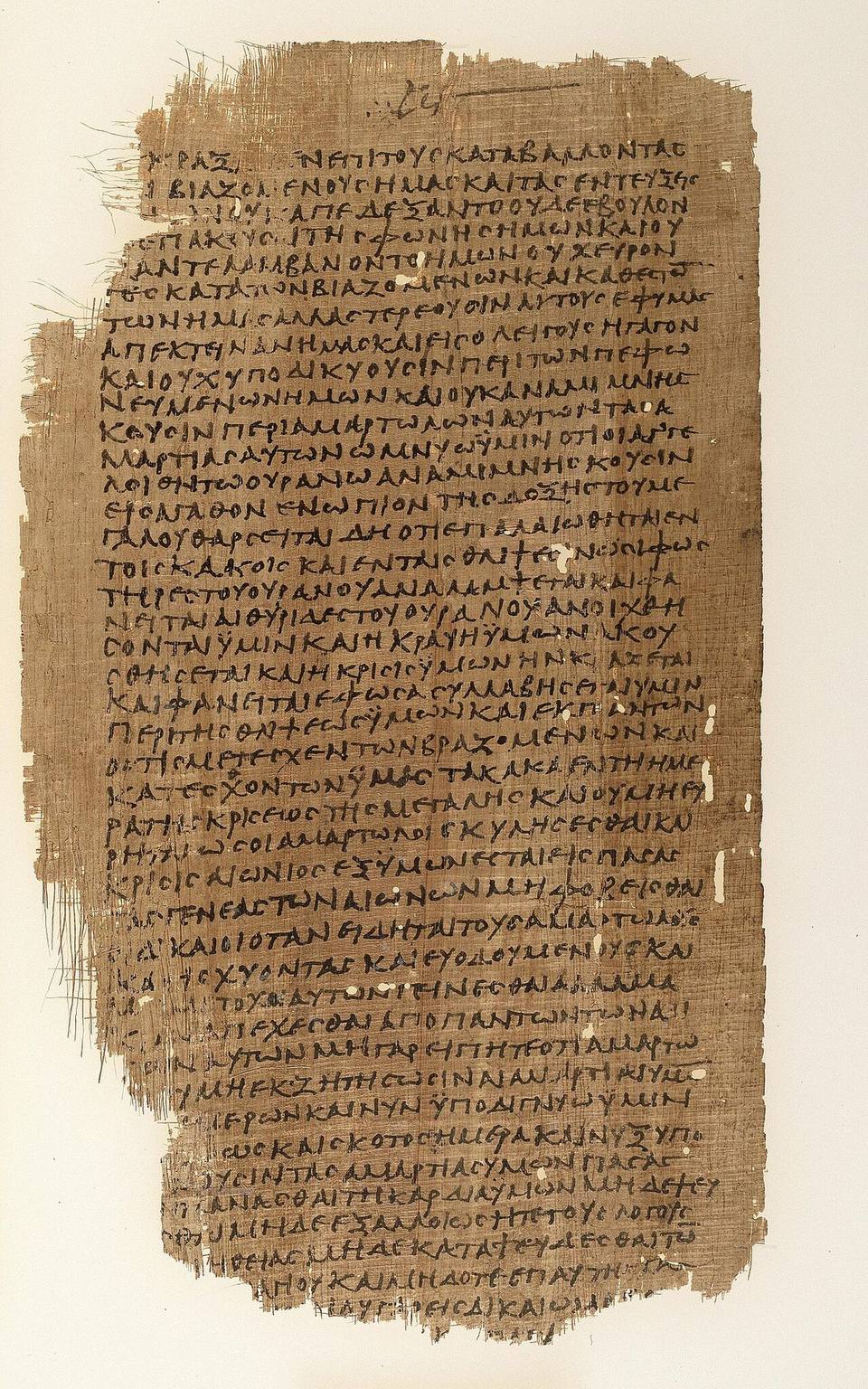
Questions people ask about Methuselah

Did Methuselah really live 969 years?

Most historians say no and see the ages as a literary device. Genesis 6:3 sets a new human limit of 120 years, and lifespans in the text drop steadily after the Flood. The Sumerian King List gives its first ruler, Alulim, 28,800 years. The oldest person with verified records, Jeanne Calment of France, died in 1997 at 122.

Did Methuselah die in the Flood?

The Bible never says so, and ancient readers argued about it. In the Greek Septuagint, Methuselah fathers Lamech at 167 instead of 187. With that number his 969 years run about 14 years past the Flood, even though he was not on the ark. Augustine and Jerome both wrestled with this puzzle, and they generally favored the Hebrew numbers.

Why is a tree named Methuselah?

A Great Basin bristlecone pine in the White Mountains of eastern California was named Methuselah after its age was measured in 1957. Tree-ring counts put it at more than 4,800 years old, among the oldest known living trees on Earth. The Forest Service keeps its exact spot secret to protect it from damage.

The open question

Still strange: Later Jewish tradition said the Flood was held back until the days of mourning for Methuselah were over.

Enoch: The Man Who Walked With God and Was Not →
  1. Step 1 of 4 · This fileMethuselah
  2. Step 2 of 4 · The passageLifespans cut to 120 years, Genesis 5; 6:3
  3. Step 3 of 4 · The longer textThe King James Bible (1611)
  4. Step 4 of 4 · Next fileEnoch: The Man Who Walked With God and Was Not
About these videos

Found by a YouTube search for this topic, not checked by us. The player loads from YouTube only when you press play.

Where it turns up

Where this comes from

EvidenceMyth or legend

Comes from Genesis 5:21–27, King James Version. The Book of Genesis: The first book of the Bible, telling of Creation, Adam and Eve, Noah's Flood and the families of Abraham, Isaac and Jacob. Scholars think it was written and edited over several centuries and finished by roughly 500 to 400 BC. The oldest surviving copies are pieces of the Dead Sea Scrolls.

What this means

A story or tradition. It is documented as a story; nothing independent shows it happened.

Methuselah is known from stories, scripture or tradition. The texts are real and we quote them (for example Genesis 5:21–27, King James Version), but nothing outside those texts shows that Methuselah was real as described.

The page covers something known from myths, scripture or tradition. The texts are real and we quote them, but no independent record shows the events or beings were real.

See all five labels

Sources

  1. The Book of GenesisThe first book of the Bible, telling of Creation, Adam and Eve, Noah's Flood and the families of Abraham, Isaac and Jacob. Scholars think it was written and edited over several centuries and finished by roughly 500 to 400 BC. The oldest surviving copies are pieces of the Dead Sea Scrolls.Genesis 5:21–27, King James Version Online copyPrimary text Archived copy, 2026-10-03
  2. The Book of Enoch (1 Enoch)Jewish writings about Enoch, Noah's great-grandfather, the oldest parts from about 300 to 200 BC. It tells of angels called Watchers who came down to earth. Full copies survived only in Ethiopia, whose church still counts it as scripture. Pieces in Aramaic were found among the Dead Sea Scrolls in 1952.1 Enoch 82; 106, trans. R. H. Charles, The Book of Enoch (1917) Online copyPrimary text Archived copy, 2026-08-02
  3. The Jewish Encyclopedia (1901 to 1906)A 12-volume encyclopedia of Jewish history, religion and writings by leading scholars, published in New York from 1901 to 1906. It is still respected, but it is over 100 years old, so it misses later finds such as the Dead Sea Scrolls.Jewish Encyclopedia (1906), "Genealogy"Reference Archived copy, 2026-04-16
  4. WikipediaA free online encyclopedia written and edited by volunteers. It is a good starting point and usually lists its own sources, but anyone can change it, so we treat it as a guide to better sources, not the final word.Wikipedia, "Methuselah"Reference Archived copy, 2026-09-27

Quotations come from public-domain translations. A book in our Library links to its Library page; other links open the free online copy or the reference page.

Updated

Credible or not?

Tap one to see how other readers voted.

Discussion