The record
A watcher and an holy one came down from heaven… This matter is by the decree of the watchers, and the demand by the word of the holy ones.
Daniel 4:13, 17 · Hebrew Bible
Translation: King James Version (1611; standard 1769 text), with Apocrypha · Public domain
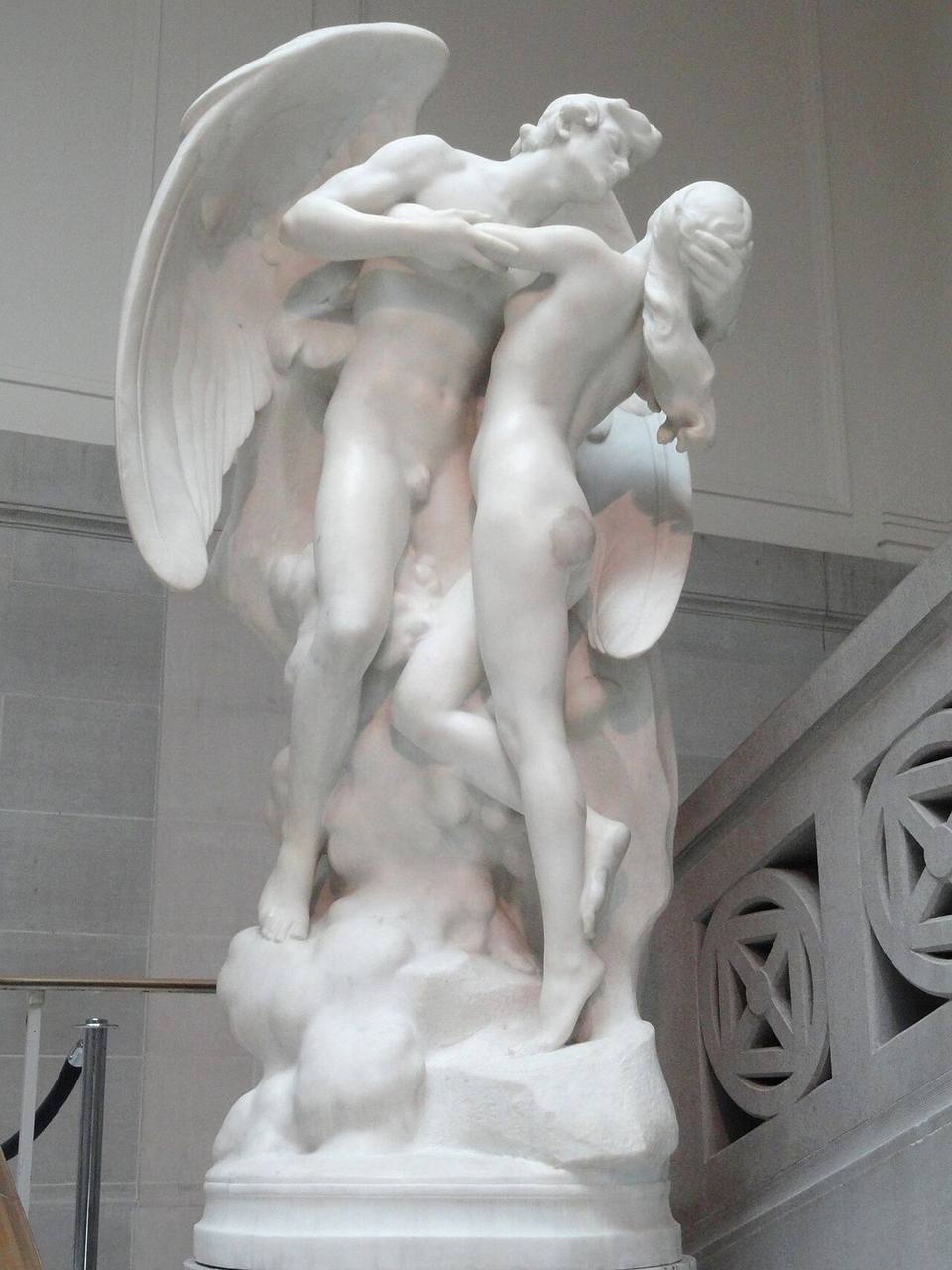
The Watchers take their name from the Aramaic 'irin, "wakeful ones." The word appears inside the Bible in Daniel 4, where King Nebuchadnezzar dreams that a watcher and an holy one came down from heaven
and learns that his punishment is by the decree of the watchers.
In Daniel they are a council that rules on the fate of kings. In Greek the word became egregoroi, which Slavonic texts turned into Grigori.
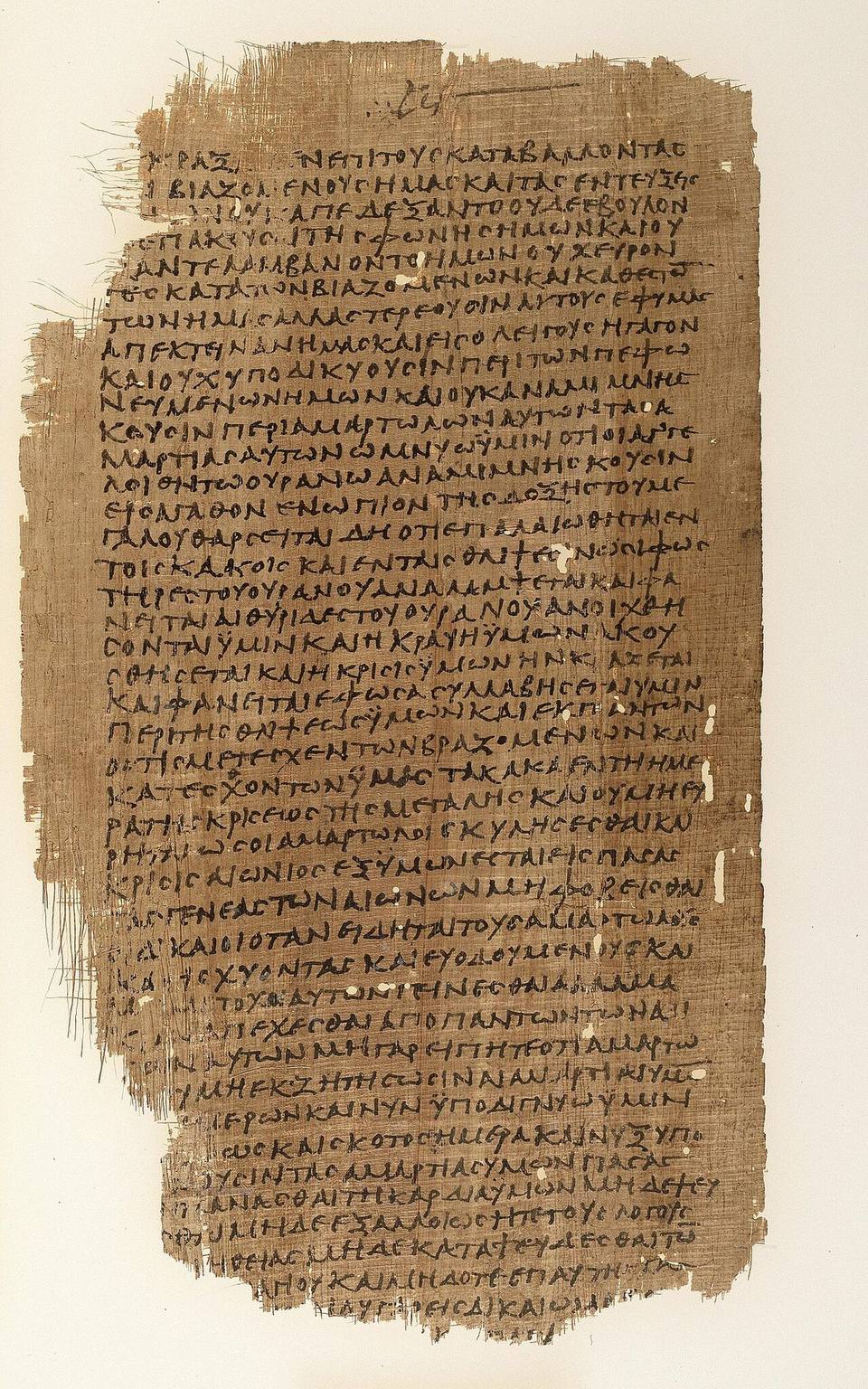
The Book of the Watchers, the opening section of 1 Enoch, tells how some of them fell. In the days of Jared, two hundred descended on Mount Hermon, bound themselves by an oath, and took human wives. Their leaders are named, each over a group of ten. They taught metalworking, weapons, cosmetics, spells, root-cutting and astronomy. Their children were giants, and the earth laid accusation against the lawless ones.
God answers with the Flood and with prisons for the fallen Watchers.
Other books tell the story differently. Jubilees says the Watchers were first sent that they should instruct the children of men
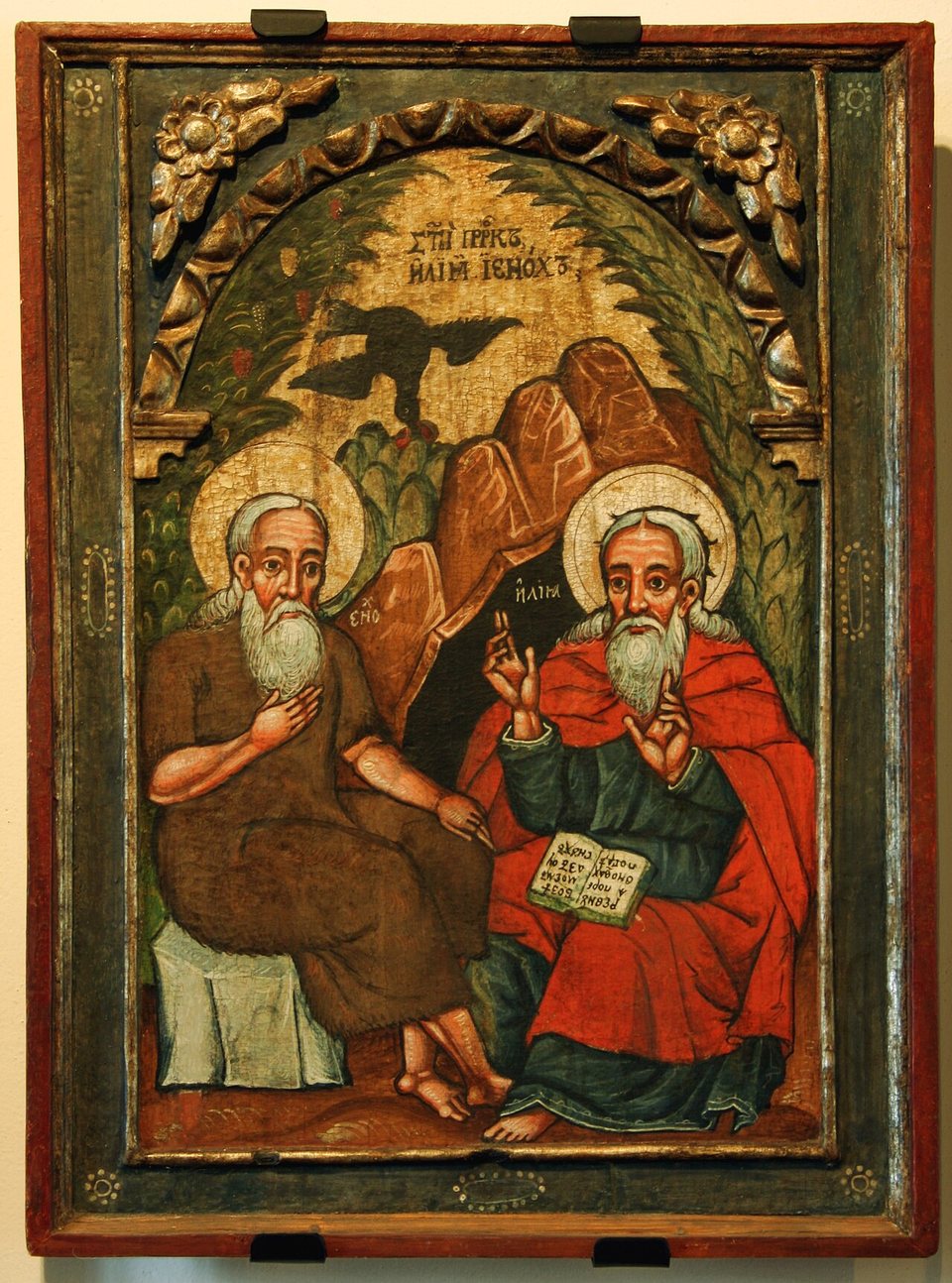
and only later went astray. In 2 Enoch the patriarch meets the Grigori in the heavens, huge, silent and grieving for their imprisoned brothers. Jude 6 and 2 Peter 2:4 in the New Testament allude to angels who left their own habitation
and are kept in chains, which most scholars read as echoes of the Watcher story.
For readers today the Watchers are the heart of the idea that knowledge came from outside. They arrive from above, carry specialized skills, break a rule about mixing with humans, and are removed by force. Scholars read the story as a myth about the origin of evil and a critique of Greek-era culture and its warrior kings. Ancient-astronaut writers read it as a memory of contact.