Credible Theories Sign in

The record

From the text
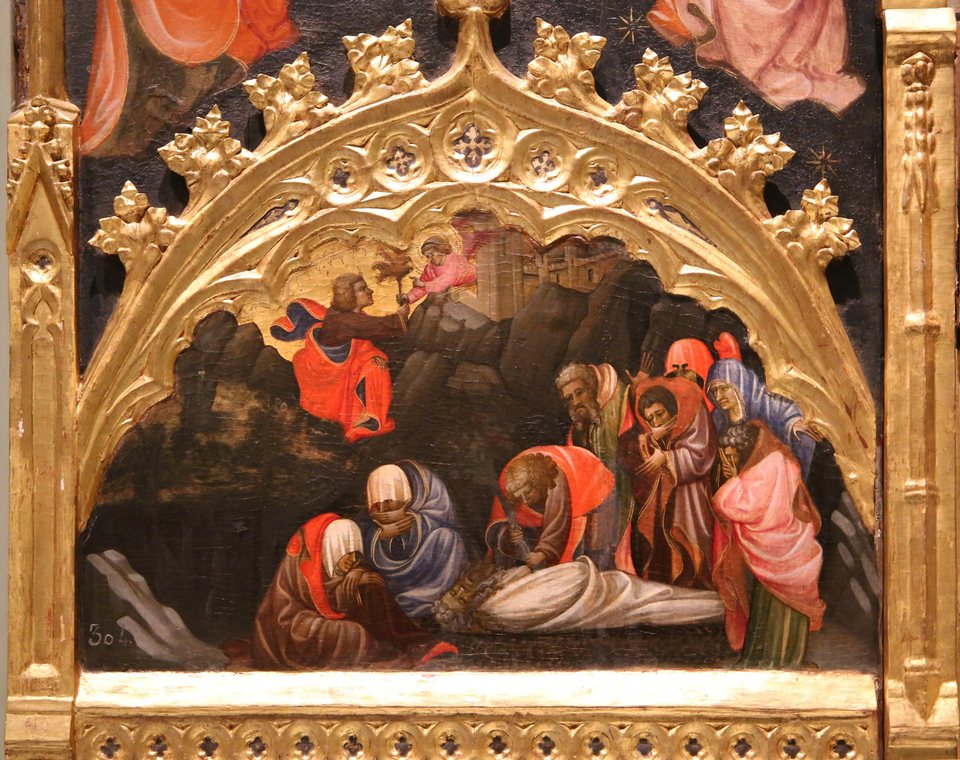
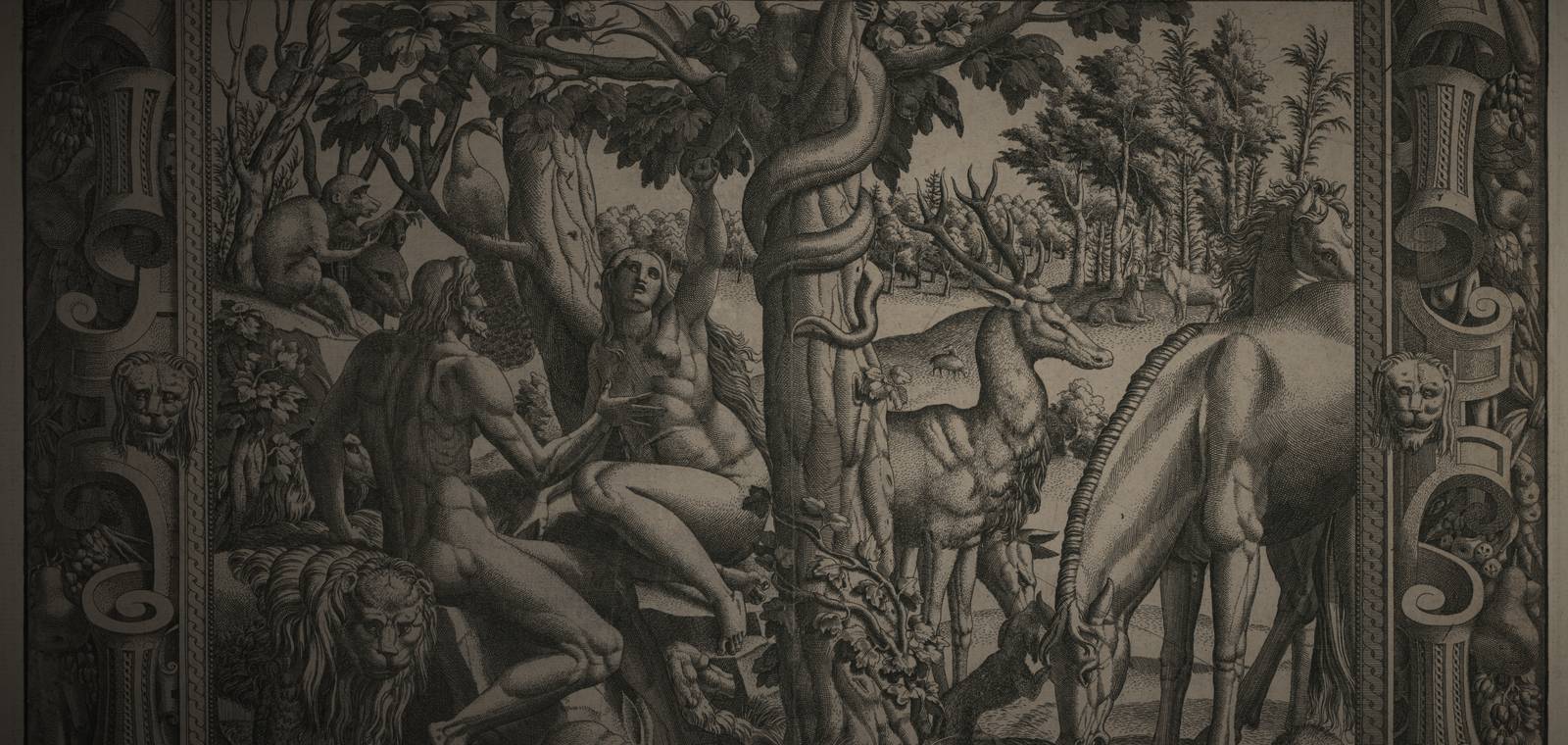
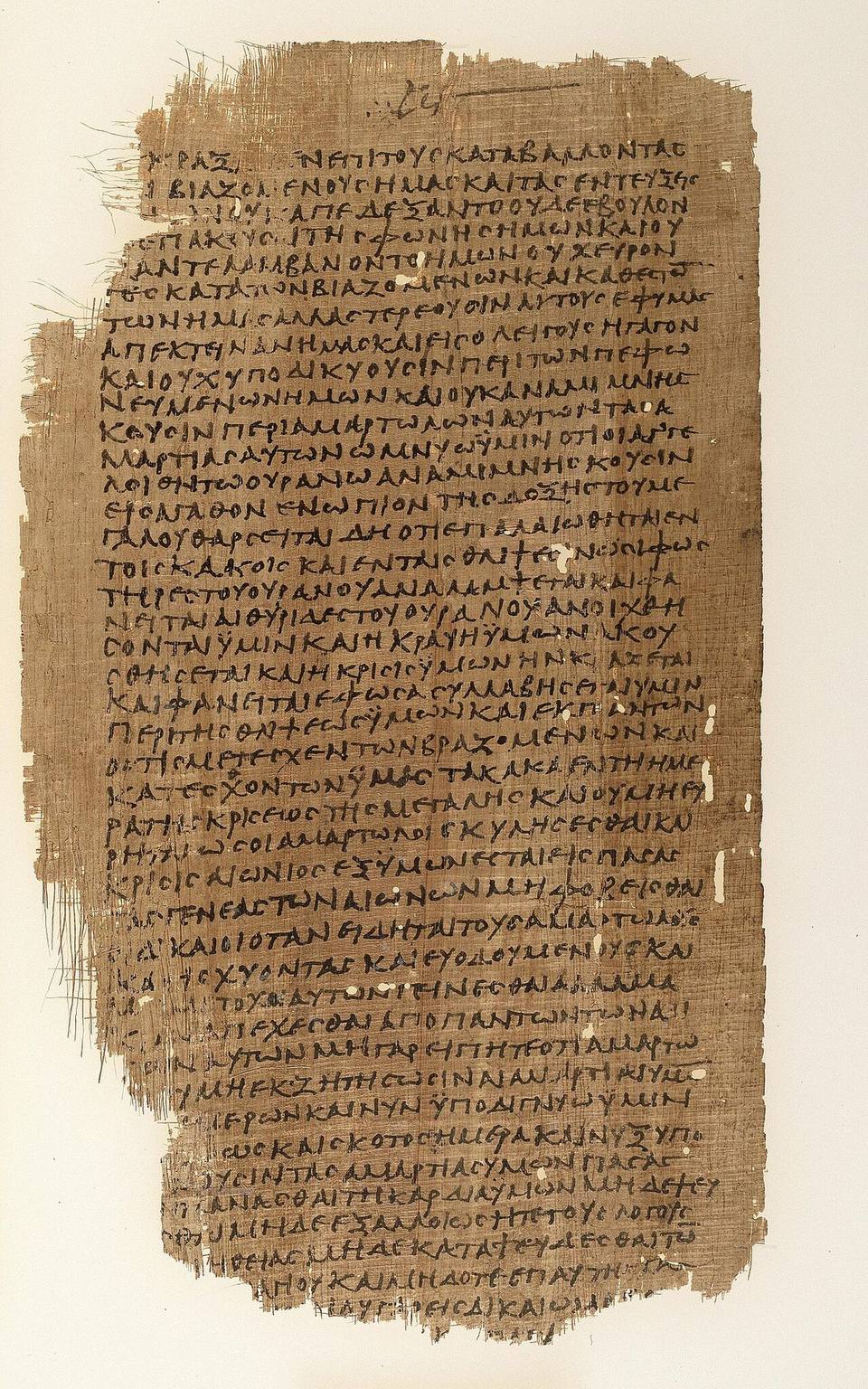
And the third was named Gadreel: he it is who showed the children of men all the blows of death, and he led astray Eve, and showed the weapons of death to the sons of men.
Documented · Ancient text, c. 50 BCE
1 Enoch 69:6 · Enoch, Jubilees and others
Translation: R. H. Charles, The Book of Enoch (SPCK, 1917; first ed. 1912) · Public domain

Gadreel appears only once, in 1 Enoch 69, in a list of fallen angels and the harms each one caused. The third was named Gadreel: he it is who showed the children of men all the blows of death, and he led astray Eve, and showed the weapons of death to the sons of men, the shield and the coat of mail, and the sword for battle, and all the weapons of death to the children of men.

The passage is in the Similitudes, or Parables, of Enoch (chapters 37–71), the only part of 1 Enoch that has not turned up among the Dead Sea Scrolls. It is usually dated to around the turn of the era, later than the Book of the Watchers. That matters, because it shows the Enoch tradition growing over time: by this stage, the teachers of forbidden knowledge were being connected with the serpent in the Garden of Eden.

Earlier in 1 Enoch, weapon-making is credited to Azazel. Gadreel's entry either duplicates that role or reflects a separate list. Either way, it merges two stories that Genesis keeps apart: the deception of Eve and the arrival of warfare. The name is often explained as God is my helper or "wall of God." For readers drawn to the idea of outside knowledge, Gadreel is the sharpest example: a single figure blamed both for humanity's first moral fall and for its first arms race.
The same story, told elsewhere

Shared story · Beginnings

Beings Who Taught Humanity the Arts

Fallen angels taught metalwork and makeup, a fish-man from the sea taught writing and law, Prometheus gave fire and numbers, and Thoth invented letters. Many cultures say civilization was a gift from outside.

1 Enoch, Book of the Watchers is one telling. The same story is told 6 more times, in 4 parts of the world. Follow it:

  1. GreekAthens · c. 460-430 BCE · Ancient text
  2. Greek, about EgyptAthens, telling an Egyptian story · c. 370 BCE · Ancient text
  3. ChineseChina · c. 4th to 3rd century BCE · Ancient text
  4. Jewish apocalyptic (Second Temple)Judea · c. 300-200 BCE · Ancient textTied to this page
  5. Babylonian, retold in GreekBabylon · c. 280 BCE · Ancient text
  6. Jewish (Second Temple)Judea · c. 160-150 BCE · Ancient text
  7. IslamArabia · 7th century CE · Medieval text

The open question: Did people credit outsiders for their own inventions, or is there a reason so many say they were taught? Join the debate

Questions people ask about Gadreel

Who are the other fallen angels named in 1 Enoch 69?

Gadreel is one of a short list of chiefs. Before him come Yeqon, who led the angels astray, and Asbeel, who gave them bad advice. After him come Penemue, who taught people to write with ink and paper, and Kasdeja, who taught harmful arts. The list is separate from the longer roll of Watcher leaders in chapter 6.

Is Gadreel in the Bible?

Not in most Bibles. The name appears only in 1 Enoch, which is scripture for the Ethiopian Orthodox Tewahedo Church but not for Jewish, Catholic or Protestant readers. Many people today know the name from the TV series Supernatural, whose ninth season (2013 to 2014) made Gadreel the angel who guarded Eden and let Lucifer slip inside.

When was the Gadreel passage written?

It comes from the Book of Parables, chapters 37 to 71 of 1 Enoch, which most scholars date between about 50 BCE and 70 CE. Since no copy of that section turned up at Qumran, a few experts once argued for a later Christian date, but that view has lost support. The text survives today only in Ge'ez manuscripts from Ethiopia.

The open question

Still strange: Gadreel is the only Watcher credited with seducing Eve, which makes him both the serpent of Eden and the inventor of armor in one sentence.

The Watchers: Who Were the Fallen Angels of Enoch? →
  1. Step 1 of 4 · This fileGadreel
  2. Step 2 of 4 · The passageGadreel and the weapons of death, 1 Enoch 69:6
  3. Step 3 of 4 · The longer textThe Book of Enoch (1 Enoch), R. H. Charles, 1917
  4. Step 4 of 4 · Next fileThe Watchers: Who Were the Fallen Angels of Enoch?
About these videos

Found by a YouTube search for this topic, not checked by us. The player loads from YouTube only when you press play.

Where it turns up

Where this comes from

EvidenceMyth or legend

Comes from 1 Enoch 69:6, trans. R. H. Charles, The Book of Enoch (1917). The Book of Enoch (1 Enoch): Jewish writings about Enoch, Noah's great-grandfather, the oldest parts from about 300 to 200 BC. It tells of angels called Watchers who came down to earth. Full copies survived only in Ethiopia, whose church still counts it as scripture.

What this means

A story or tradition. It is documented as a story; nothing independent shows it happened.

Gadreel is known from stories, scripture or tradition. The texts are real and we quote them (for example 1 Enoch 69:6, trans. R. H. Charles, The Book of Enoch (1917)), but nothing outside those texts shows that Gadreel was real as described.

The page covers something known from myths, scripture or tradition. The texts are real and we quote them, but no independent record shows the events or beings were real.

See all five labels

Sources

  1. The Book of Enoch (1 Enoch)Jewish writings about Enoch, Noah's great-grandfather, the oldest parts from about 300 to 200 BC. It tells of angels called Watchers who came down to earth. Full copies survived only in Ethiopia, whose church still counts it as scripture. Pieces in Aramaic were found among the Dead Sea Scrolls in 1952.1 Enoch 69:6, trans. R. H. Charles, The Book of Enoch (1917) Online copyPrimary text Archived copy, 2026-10-03
  2. The Jewish Encyclopedia (1901 to 1906)A 12-volume encyclopedia of Jewish history, religion and writings by leading scholars, published in New York from 1901 to 1906. It is still respected, but it is over 100 years old, so it misses later finds such as the Dead Sea Scrolls.Jewish Encyclopedia (1906), "Enoch, Books of (Ethiopic and Slavonic)"Reference Archived copy, 2026-09-25
  3. WikipediaA free online encyclopedia written and edited by volunteers. It is a good starting point and usually lists its own sources, but anyone can change it, so we treat it as a guide to better sources, not the final word.Wikipedia, "Watcher (angel)"Reference Archived copy, 2026-09-28

Quotations come from public-domain translations. A book in our Library links to its Library page; other links open the free online copy or the reference page.

Updated

Credible or not?

Tap one to see how other readers voted.

Discussion