












What is Arthur Gilchrist Brodeur known for?
Arthur Gilchrist Brodeur was an American scholar of Old English and Old Norse literature. He earned his doctorate at Harvard in 1916 and joined the University of California, Berkeley, the same year, becoming a full professor in 1930 and retiring in 1955. His book The Art of Beowulf (1959) is a standard study of the Old English poem.
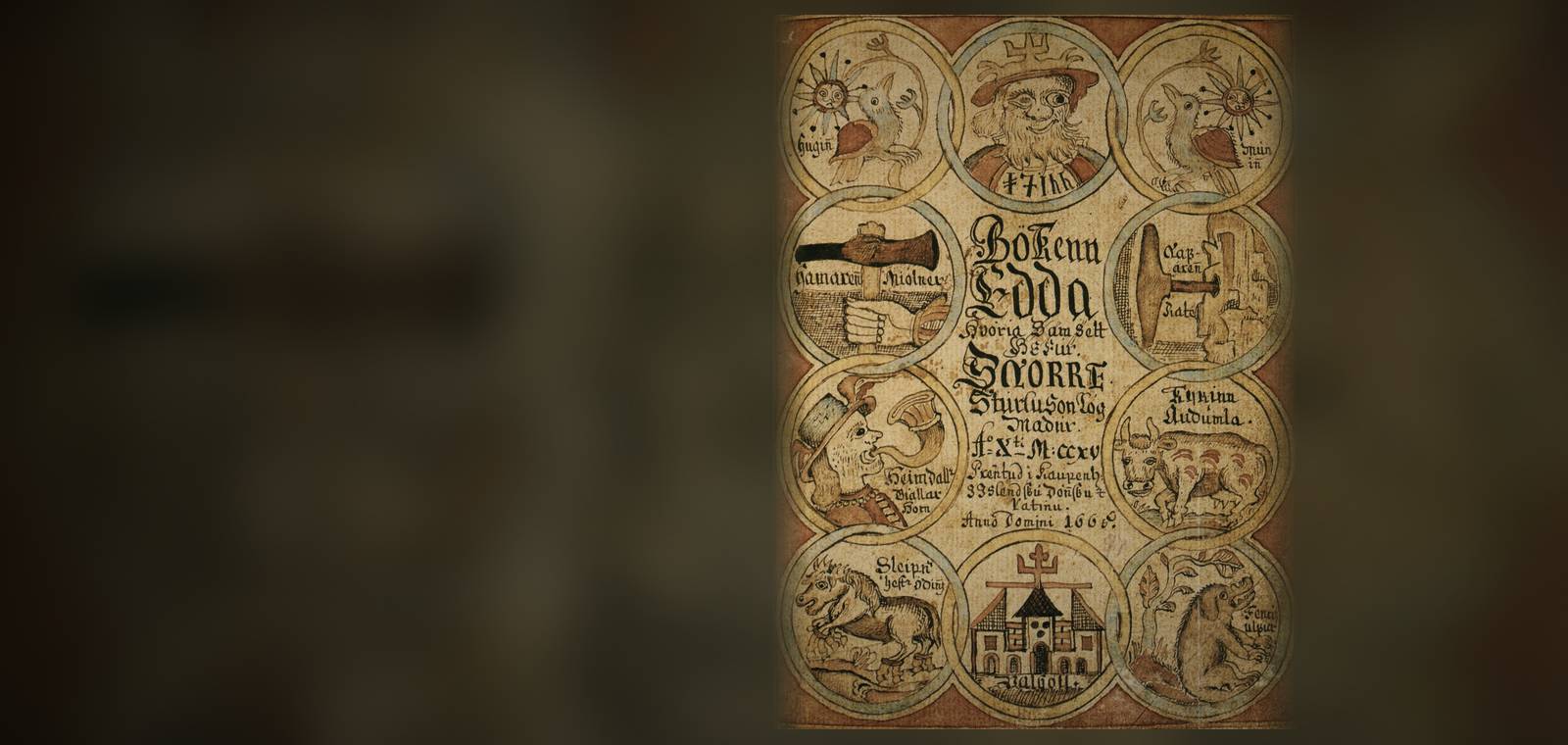
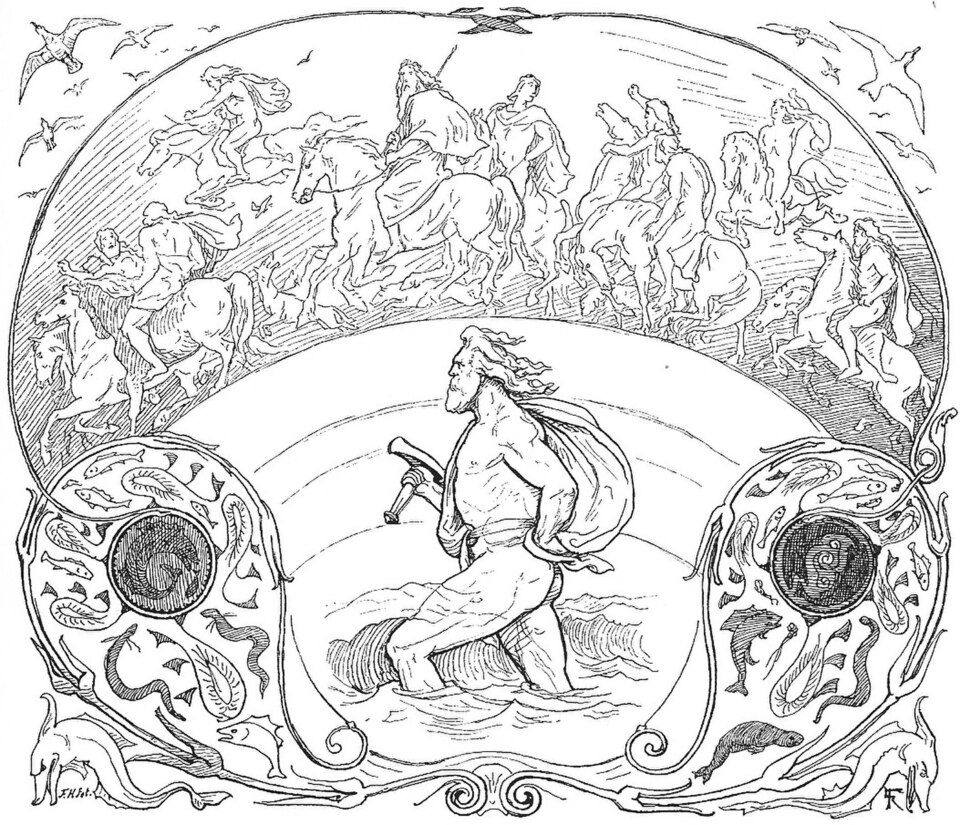
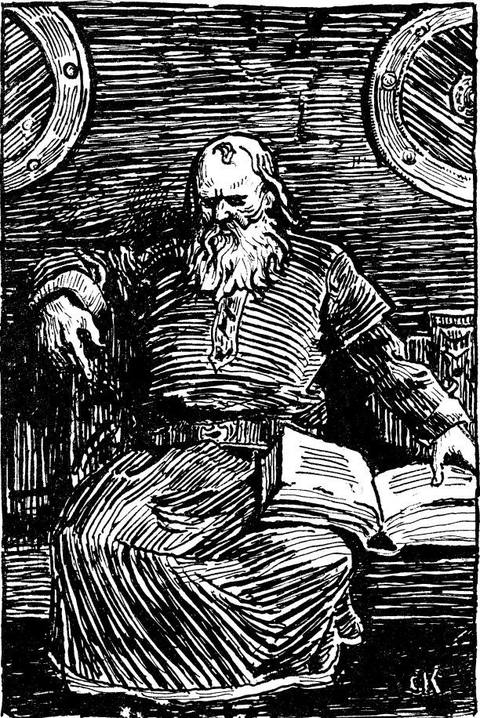
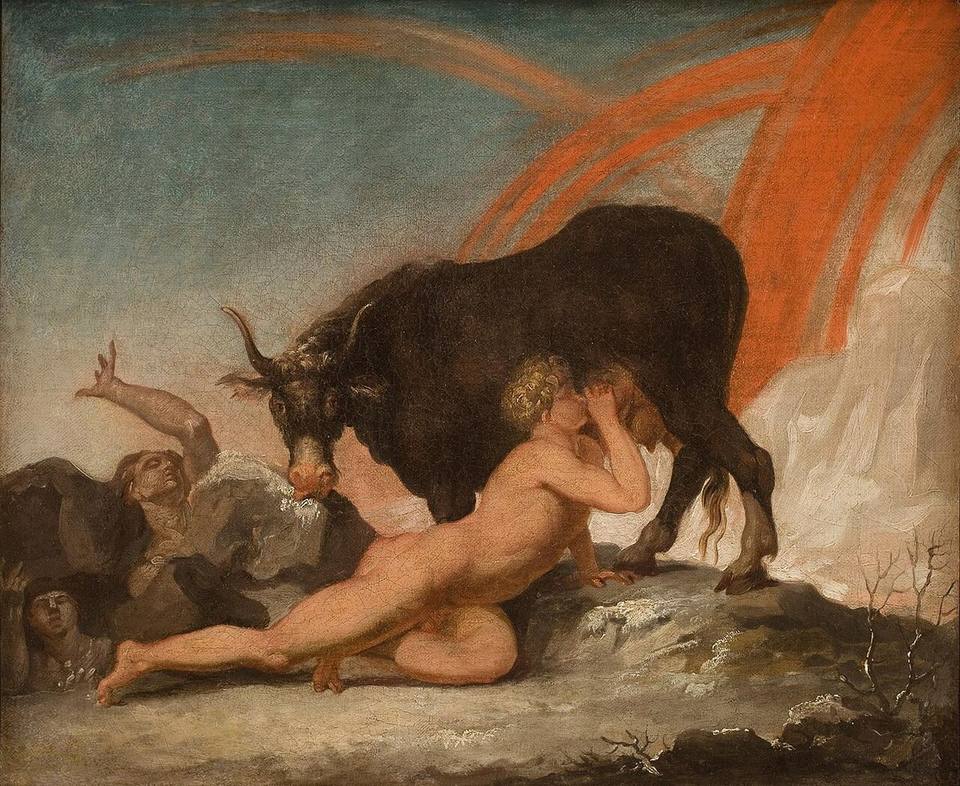
In 1916 he published an English translation of the Prose Edda, the handbook of Norse mythology written in Iceland around 1220 by Snorri Sturluson. Snorri was a Christian writing down older pagan stories, and his book is the main source for many famous myths, including the creation of the world from the giant Ymir, the bridge Bifrost and the folding ship Skidbladnir.
Brodeur's translation is now public domain and widely available online.
Titles and honors
- Offices held
- Chairman, Scandinavian Studies Dept, UC Berkeley 1946-1951
- Medals and honors
- Knight 1st Class, Royal Order of Vasa 1944
The same story, told elsewhere
Shared story · Death and return
Gods Who Die and Return: Osiris, Adonis, Persephone, Baldr and Jesus
A god dies, the land mourns, and the god comes back, at least for a season. Egypt, Syria, Greece and Scandinavia all tell it. How close are these stories to Easter, and how close are they really to each other?
Prose Edda, Gylfaginning (the death of Baldr) is one telling. The same story is told 7 more times, in 5 parts of the world. Follow it:
- GreekGreece · c. 650-550 BCE · Ancient text
- Mesopotamian (seen in Jerusalem)Jerusalem temple, seen in a vision · c. 593-571 BCE · Ancient text
- HinduDvaraka, western India · c. 400 BCE · Ancient text
- ChristianWritten in Greek from Ephesus to Corinth · c. 53-55 CE · Ancient text
- EgyptianEgypt · c. 100 CE · Ancient text
- RomanRome · c. 100 CE · Ancient text
- Phoenician / SyrianByblos, Lebanon · c. 150 CE · Ancient text
- NorseIceland · c. 1220 CE · Medieval textTied to this page
The open question: Is the death-and-return story one pattern across the ancient world, or are the stories too different to group together? Scholars still argue, so where do you land? Join the debate
Shared story · Signs and numbers
The Sacred Twelve: Tribes, Disciples, Gods and Signs
Twelve tribes of Israel, twelve disciples, twelve gods of Greece and of Asgard, twelve Adityas in India, twelve signs ringing the Mithras carvings. The number twelve turns up again and again.
Prose Edda, Gylfaginning (the gods of Asgard) is one telling. The same story is told 7 more times, in 6 parts of the world. Follow it:
- Hebrew BibleCanaan and Egypt · c. 600-400 BCE · Ancient text
- Greek (about Egypt)Egypt, as reported by Egyptian priests · c. 430 BCE · Ancient text
- HinduNorthern India · c. 400 BCE · Ancient text
- GreekTiryns, Greece · c. 1st-2nd century CE · Ancient text
- ChristianGalilee · c. 80-90 CE · Ancient text
- RomanMithras temples across the Roman Empire · c. 100-400 CE · Ancient text
- NorseIceland · c. 1220 CE · Medieval textTied to this page
- Egyptian (a modern comparison)Written in London about Egyptian texts · 1907 · Modern book
The open question: Is twelve special because of the sky and the calendar, or because each tradition chose it for its own reasons? Join the debate
Linked people and places
Where this comes from
Comes from Internet Sacred Text Archive, 'The Prose Edda', tr. Arthur Gilchrist Brodeur. The Prose Edda, by Snorri Sturluson: A book about Norse myths and poetry written around 1220 by Snorri Sturluson, an Icelandic chieftain and scholar. It retells the making of the world from the body of the giant Ymir and many tales of the gods.
What this means
A real person with records. Sources are listed below.
For Arthur Gilchrist Brodeur, the original record exists and is linked: Internet Sacred Text Archive, 'The Prose Edda', tr. Arthur Gilchrist Brodeur. That tells you the record is real and what it says. It does not mean every claim in it is true.
Primary records exist: an original document, a published text, an official file or a dated report. We link to them. This level says the record exists and what it says, not that every claim in it is true.
Sources
- The Prose Edda, by Snorri SturlusonA book about Norse myths and poetry written around 1220 by Snorri Sturluson, an Icelandic chieftain and scholar. It retells the making of the world from the body of the giant Ymir and many tales of the gods. Arthur Gilchrist Brodeur's English version came out in 1916.Internet Sacred Text Archive, 'The Prose Edda', tr. Arthur Gilchrist Brodeur Online copyPrimary text Archived copy, 2026-08-20
- WikipediaA free online encyclopedia written and edited by volunteers. It is a good starting point and usually lists its own sources, but anyone can change it, so we treat it as a guide to better sources, not the final word.Wikipedia, 'Arthur Gilchrist Brodeur'Reference Archived copy, 2026-09-19
No public-domain picture of this person yet. We do not show drawn or generated likenesses.