












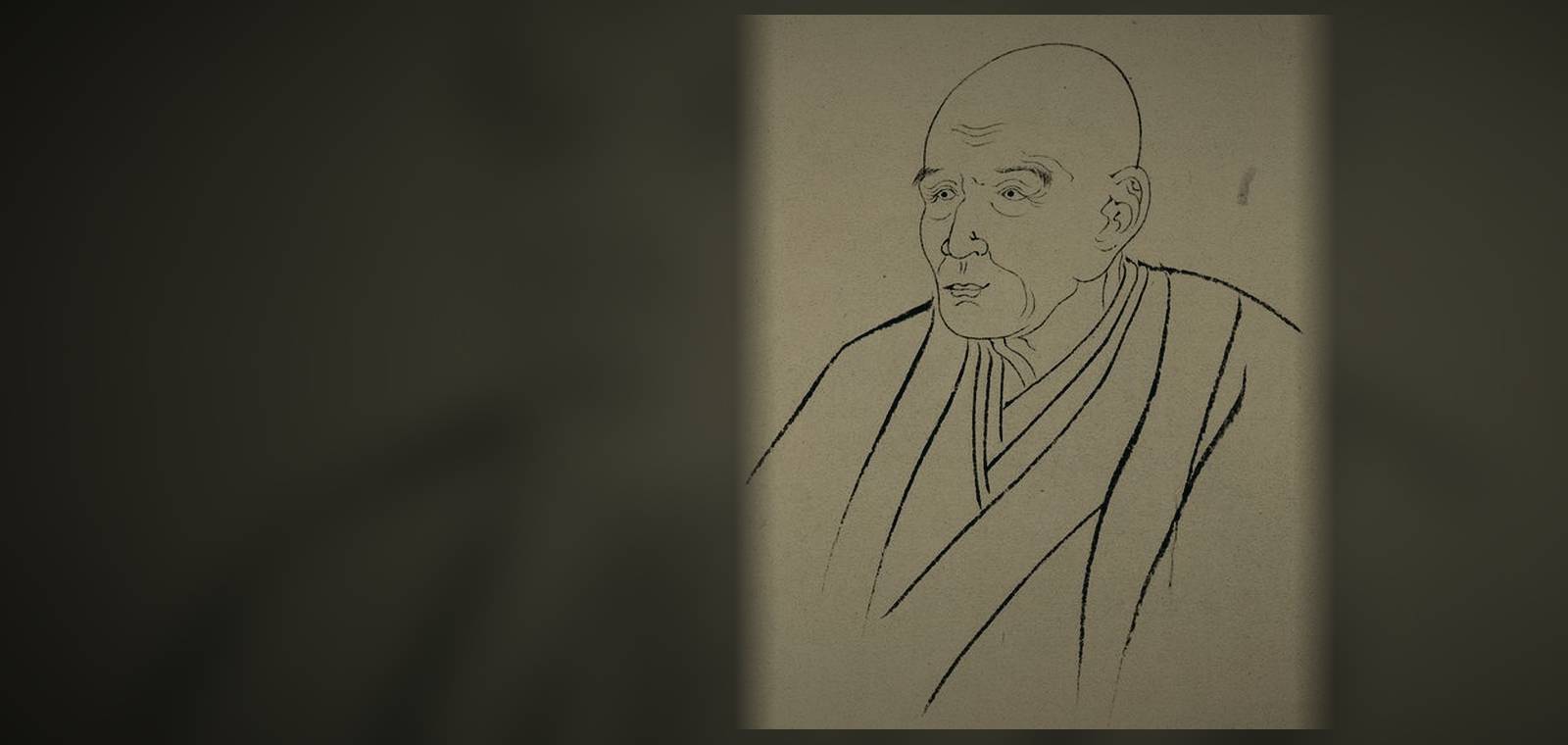
What is Kyokutei Bakin known for?
Kyokutei Bakin, also known as Takizawa Bakin (1767–1848), was one of the leading Japanese writers of the early 19th century. Born in Edo, he lost his samurai status, married a merchant's widow, and spent about fifty years writing. His long historical romance Nansō Satomi hakkenden ('Satomi and the Eight Dogs', 1814–42) is a classic of Japanese literature, and he wrote more than thirty novels in the yomihon genre, stressing loyalty and filial piety.
Bakin also took part in a literary circle that met to share strange stories. Its collection, the Toen Shosetsu (1825), contains the most detailed telling of the utsuro-bune: a round vessel said to have drifted ashore in Hitachi Province in 1803, carrying a young woman holding a box and marked with unreadable symbols.
Bakin's account is a record of a rumor circulating in Edo, not an eyewitness report. Historians read it alongside other period texts and older tales of sacred beings arriving in hollow vessels.
Mentioned on these pages
Linked people and places

Where this comes from
Comes from Encyclopaedia Britannica, 'Takizawa Bakin'. An encyclopedia first published in Scotland in 1768 and now online. Its articles are written and checked by named experts and editors, which makes it a reliable source for basic facts.
What this means
A real person with records. Sources are listed below.
For Kyokutei Bakin, the original record exists and is linked: Encyclopaedia Britannica, 'Takizawa Bakin'. That tells you the record is real and what it says. It does not mean every claim in it is true.
Primary records exist: an original document, a published text, an official file or a dated report. We link to them. This level says the record exists and what it says, not that every claim in it is true.
Sources
- Encyclopaedia BritannicaAn encyclopedia first published in Scotland in 1768 and now online. Its articles are written and checked by named experts and editors, which makes it a reliable source for basic facts.Encyclopaedia Britannica, 'Takizawa Bakin'Reference
- Nippon.comA website run by a Japanese nonprofit foundation that publishes articles about Japan in English and other languages.Nippon.com, '“Utsurobune”: A UFO Legend from Nineteenth-Century Japan' (2020)Reference Archived copy, 2026-10-01