












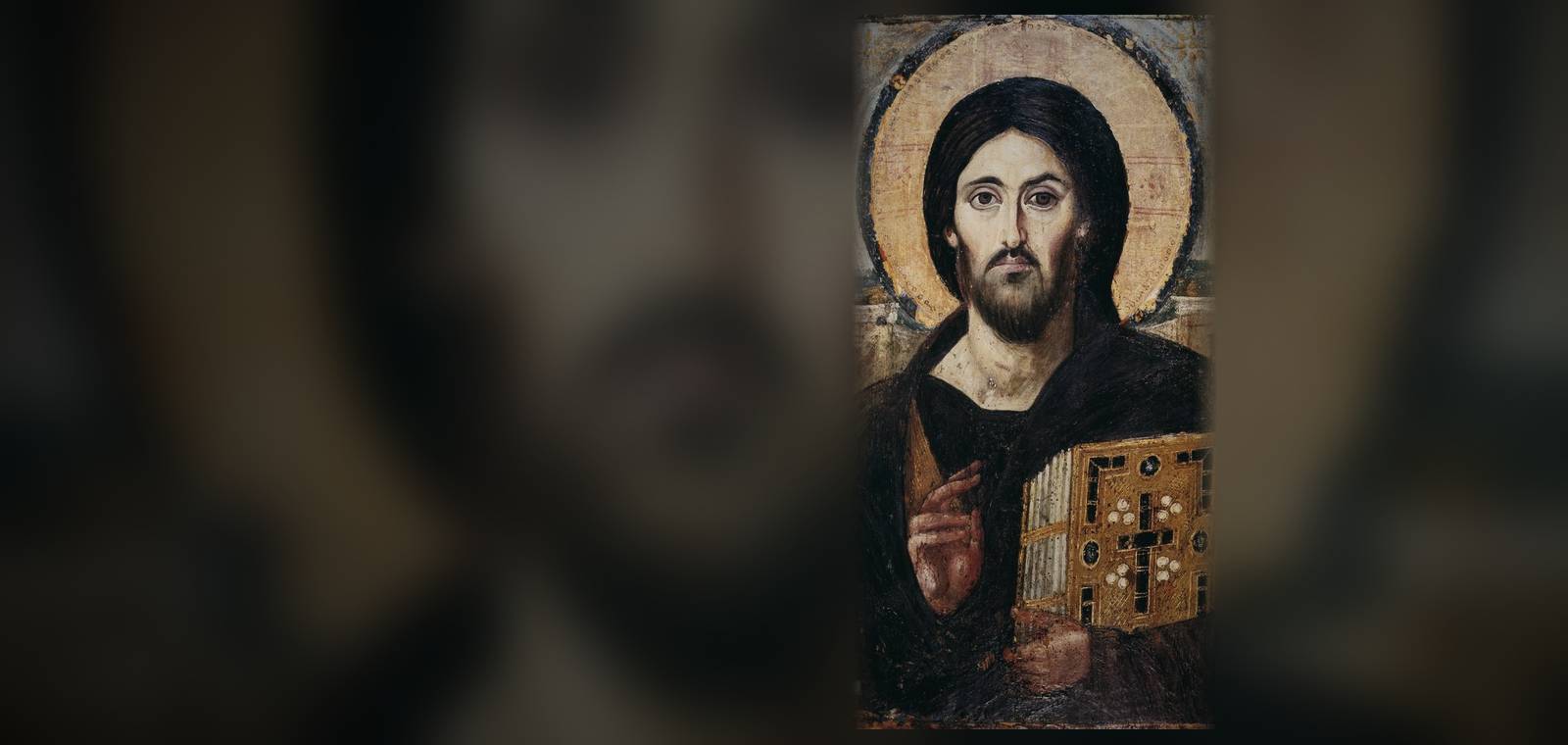
What is Jesus of Nazareth known for?
Jesus of Nazareth was a Jewish teacher active in Galilee and Judea in the early first century CE. Most historians place his birth around 6 to 4 BCE and his death around 30 CE, when he was crucified in Jerusalem on the orders of the Roman prefect Pontius Pilate.
Almost everything known about him comes from the four Gospels and the letters of Paul, written within a few decades of his death by people who believed in him. They describe his preaching about the kingdom of God, his ethical teaching, healings and other miracles, and his followers' conviction that he rose from the dead and later ascended into heaven (Acts 1:9–11).
Christians revere him as the Son of God; Islam honors him as a prophet, Isa. Historians treat his existence and crucifixion as secure, while miracles and the resurrection are matters of faith rather than historical method.
The Gospel of Luke gives him a genealogy of 77 names running back through Enoch to Adam and God. That list includes a Cainan who is missing from the Hebrew text of Genesis but present in the Greek Septuagint, which is one reason the site keeps coming back to it.
The same story, told elsewhere
Shared story · Births
Born of a Virgin or a God: Miraculous Births Compared
Jesus is not the only hero said to be born of a maiden and a god. Rome, India, Greece and Persia tell it too, and Egypt and India tell the births of Horus and Krishna in their own ways.
Gospel of Matthew 1:18 (and Luke 1:34-35) is one telling. The same story is told 8 more times, in 4 parts of the world. Follow it:
- Hebrew BibleJerusalem, Kingdom of Judah · c. 740-700 BCE · Ancient text
- HinduNorthern India · c. 400 BCE · Ancient text
- GreekArgos, Greece · c. 1st-2nd century CE · Ancient text
- ChristianWritten in Greek, probably in Syria or Galilee · c. 80-90 CE · Ancient textTied to this page
- RomanAlba Longa and Rome, Italy · c. 100 CE · Ancient text
- BuddhistLumbini, Nepal · c. 100 CE · Ancient text
- EgyptianEgypt · c. 100 CE · Ancient text
- HinduMathura and Gokula, northern India · first millennium CE · Medieval text
- ZoroastrianIran · 9th century CE · Medieval text
The open question: Why do so many traditions give their great figures a birth unlike anyone else's? A shared pattern, or each people's own way of saying "this one is special"? Join the debate
Shared story · Death and return
Gods Who Die and Return: Osiris, Adonis, Persephone, Baldr and Jesus
A god dies, the land mourns, and the god comes back, at least for a season. Egypt, Syria, Greece and Scandinavia all tell it. How close are these stories to Easter, and how close are they really to each other?
Paul, First Letter to the Corinthians 15:3-6 is one telling. The same story is told 7 more times, in 5 parts of the world. Follow it:
- GreekGreece · c. 650-550 BCE · Ancient text
- Mesopotamian (seen in Jerusalem)Jerusalem temple, seen in a vision · c. 593-571 BCE · Ancient text
- HinduDvaraka, western India · c. 400 BCE · Ancient text
- ChristianWritten in Greek from Ephesus to Corinth · c. 53-55 CE · Ancient textTied to this page
- EgyptianEgypt · c. 100 CE · Ancient text
- RomanRome · c. 100 CE · Ancient text
- Phoenician / SyrianByblos, Lebanon · c. 150 CE · Ancient text
- NorseIceland · c. 1220 CE · Medieval text
The open question: Is the death-and-return story one pattern across the ancient world, or are the stories too different to group together? Scholars still argue, so where do you land? Join the debate
Shared story · Death and return
Taken Up to Heaven: Ascension Stories Compared
Enoch, Elijah, Romulus, Heracles, Krishna and Jesus all leave the earth by going up: in a whirlwind, a cloud, a storm or a blaze of light. The stories quoted side by side.
Acts of the Apostles 1:9 is one telling. The same story is told 6 more times, in 3 parts of the world. Follow it:
- Hebrew BibleJudah · c. 600-400 BCE · Ancient text
- Hebrew BibleNear the Jordan River, Israel · c. 600-550 BCE · Ancient text
- HinduDvaraka, western India · c. 400 BCE · Ancient text
- GreekMount Oeta, central Greece · c. 1st-2nd century CE · Ancient text
- ChristianMount of Olives, Jerusalem · c. 80-90 CE · Ancient textTied to this page
- RomanRome, near the Goat's Marsh · c. 100 CE · Ancient text
- IslamicMecca to Jerusalem · c. 620 CE · Medieval text
The open question: Why do so many stories end with a great figure leaving the earth alive instead of dying like everyone else? Join the debate
Shared story · Births
Born at Midwinter: December 25 and the Winter Solstice
The shortest day of the year, when the light starts to come back, was marked as a birthday in Rome, Egypt and Syria, and Christians in Rome chose it for Christmas. The sources side by side.
Gospel of Luke 2:8 (the shepherds) and Calendar of 354, list of martyrs (the birth of Christ) are two tellings. The same story is told 4 more times, in 4 parts of the world. Follow it:
- RomanRome · c. 77 CE · Ancient text
- ChristianBethlehem · c. 85-95 CE · Ancient textTied to this page
- EgyptianEgypt · c. 100 CE · Ancient text
- ChristianRome · 336 CE · Ancient textTied to this page
- RomanRome · 354 CE · Ancient text
- Syrian and EgyptianSyria and Egypt · 1922 · Modern book
The open question: Was the birth date chosen for the solstice, worked out from other dates, or both? The early sources point more than one way, so which do you think? Join the debate
Shared story · Signs and numbers
The Sacred Twelve: Tribes, Disciples, Gods and Signs
Twelve tribes of Israel, twelve disciples, twelve gods of Greece and of Asgard, twelve Adityas in India, twelve signs ringing the Mithras carvings. The number twelve turns up again and again.
Gospel of Matthew 10:1 (the twelve disciples) is one telling. The same story is told 7 more times, in 6 parts of the world. Follow it:
- Hebrew BibleCanaan and Egypt · c. 600-400 BCE · Ancient text
- Greek (about Egypt)Egypt, as reported by Egyptian priests · c. 430 BCE · Ancient text
- HinduNorthern India · c. 400 BCE · Ancient text
- GreekTiryns, Greece · c. 1st-2nd century CE · Ancient text
- ChristianGalilee · c. 80-90 CE · Ancient textTied to this page
- RomanMithras temples across the Roman Empire · c. 100-400 CE · Ancient text
- NorseIceland · c. 1220 CE · Medieval text
- Egyptian (a modern comparison)Written in London about Egyptian texts · 1907 · Modern book
The open question: Is twelve special because of the sky and the calendar, or because each tradition chose it for its own reasons? Join the debate
Mentioned on these pages
- FileKainam (Cainan)
- FileNag Hammadi library
- FileThe Shroud of Turin
- ChapterOne History 11: The sentence ends
- PassageTaken up in a cloud (Acts 1:9–11)
- PersonApollonius of Tyana
- PersonJosé de Acosta
- PersonJude
- PersonLuke the Evangelist
- PersonMelchizedek
- PersonOrigen
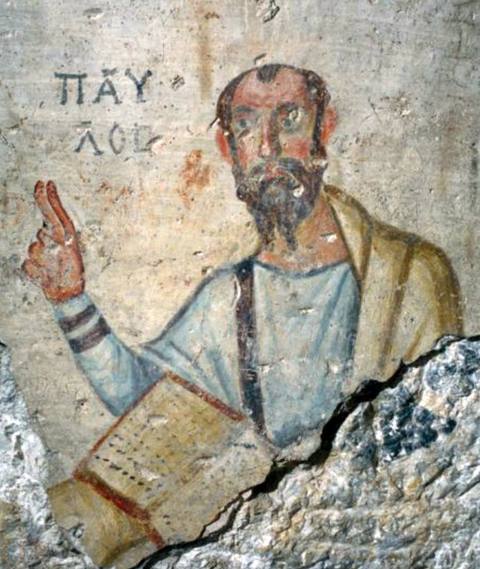
- PersonPaul the Apostle
- PersonPeter the Apostle
- PersonR. H. Charles
- PersonRichard Bauckham
- PersonSextus Julius Africanus
- PlaceGolgotha
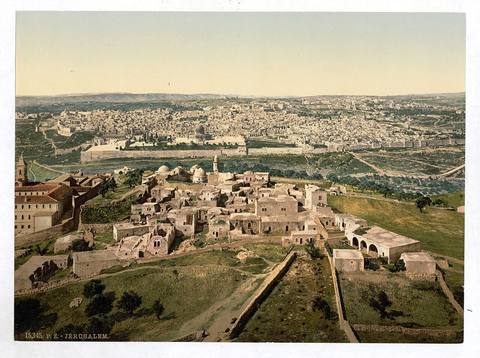
- PlaceJerusalem
Linked people and places
Where this comes from
Comes from Luke 3:23–38 (KJV), Bible Gateway. The Gospel of Luke: One of the four Gospels about the life of Jesus, by the same writer as the Book of Acts, dated by most scholars to about AD 80 to 90. It traces Jesus's family line back through Enoch to Adam.
What this means
A real person with records. Sources are listed below.
For Jesus of Nazareth, the original record exists and is linked: Luke 3:23–38 (KJV), Bible Gateway. That tells you the record is real and what it says. It does not mean every claim in it is true.
Primary records exist: an original document, a published text, an official file or a dated report. We link to them. This level says the record exists and what it says, not that every claim in it is true.
Sources
- Encyclopaedia BritannicaAn encyclopedia first published in Scotland in 1768 and now online. Its articles are written and checked by named experts and editors, which makes it a reliable source for basic facts.Encyclopaedia Britannica, 'Jesus'Reference Archived copy, 2026-10-01
- The Gospel of LukeOne of the four Gospels about the life of Jesus, by the same writer as the Book of Acts, dated by most scholars to about AD 80 to 90. It traces Jesus's family line back through Enoch to Adam.Luke 3:23–38 (KJV), Bible Gateway Online copyPrimary text Archived copy, 2026-10-03
- The Book of ActsA New Testament book about the first Christians after Jesus, by the writer of the Gospel of Luke, usually dated about AD 80 to 90. It includes Jesus being taken up into a cloud and Paul's blinding vision on the road to Damascus.Acts 1:9–11 (KJV), Bible Gateway Online copyPrimary text Archived copy, 2026-07-12