Credible Theories Sign in
The Americas · Sir Walter Raleigh, The Discovery of Guiana (1596)

Gold blown through hollow canes, Sir Walter Raleigh, The Discovery of Guiana

Share

In plain words

Raleigh describes a feast of the emperor of Manoa as Spaniards had reported it. Guests were rubbed with a precious white balm, and servants blew powdered gold over them through hollow canes until they shone from head to foot. Then they sat drinking in their hundreds, sometimes for six or seven days.

ReferenceSir Walter Raleigh, The Discovery of Guiana (1596)
WrittenWritten by Sir Walter Raleigh after his voyage to Guiana in 1595; published in London in 1596
SetManoa, the golden city Raleigh was told of, in the interior of Guiana
All those that pledge him are first stripped naked, and their bodies anointed all over with a kind of white balsam (by them called Curcai), of which there is great plenty, and yet very dear, amongst them, and it is of all others the most precious, whereof we have had good experience: when they are anointed all over, certain servants of the Emperor having prepared gold made into fine powder, blow it through hollow canes upon their naked bodies, until they be all shining from the foot to the head, and in this sort they sit drinking by twenties and hundreds, and continue in drunkenness sometimes six or seven days together.

Documented · Early modern text, 1595 Translation: Sir Walter Raleigh, 1596 · About the translator

Read it literally

The English captain repeats what Spaniards told him of the emperor of Manoa, whose guests were dusted with gold until they shone. It is the El Dorado story at its height. The El Dorado file sets it beside the real Muisca ceremony at Lake Guatavita and the gold raft found in 1969.

What scholars say

Raleigh's own book, but this scene is a report of what others told him; he never reached Manoa.
Themes Council of gods

Questions people ask about Sir Walter Raleigh, The Discovery of Guiana

Did Raleigh see this feast himself?

No. He presents it as what Spaniards told him, adding that a captured Spanish letter, which Robert Dudley said he had seen, confirmed it.

Where did Raleigh say Manoa stood?

On a lake of salt water two hundred leagues long, which he compared to the Caspian Sea.

Used on these files

  • El Dorado, the Gilded Man DocumentedExplorers spent a century hunting for a golden city. The story began with a real ceremony: a new ruler covered in gold dust, on a raft, on a mountain lake.

Where this comes from

EvidenceDocumented

Comes from Sir Walter Raleigh, Sir Walter Raleigh, The Discovery of Guiana (1596). Internet Archive: A nonprofit digital library in San Francisco, founded in 1996, that holds millions of scanned books, papers and recordings. A scan there shows the pages of a real printed book or document.

What this means

The text exists and is quoted from a published translation. What it describes is a separate question.

Primary records exist: an original document, a published text, an official file or a dated report. We link to them. This level says the record exists and what it says, not that every claim in it is true.

See all five labels

Sources

  1. Internet ArchiveA nonprofit digital library in San Francisco, founded in 1996, that holds millions of scanned books, papers and recordings. A scan there shows the pages of a real printed book or document.Sir Walter Raleigh, The Discovery of Guiana (1596; Cassell's National Library edition, 1887)Primary text

Scholarly dates are rounded. The wording follows the named public-domain translation.

More from The Americas

Two more stories, and what each shares with Gold blown through hollow canes.

Photo credits
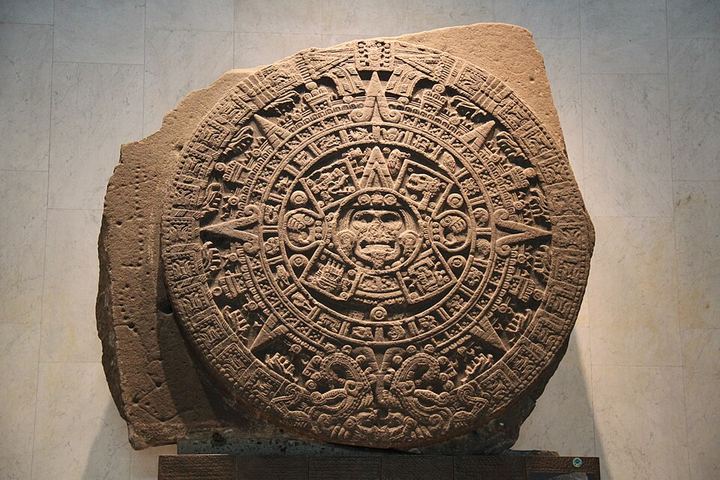
RelatedFour worlds destroyed, humans made from old bonesLegend of the Suns (Leyenda de los Soles)

It says four earlier worlds ended by jaguars, wind, a rain of fire and a flood.

Same theme: Council of gods
Photo credits
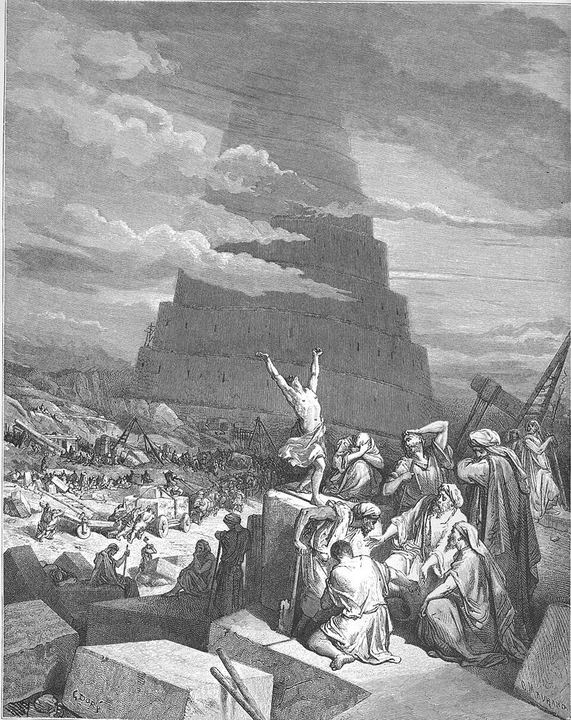
RelatedBabel: 'let us go down'Genesis 11:4–7

People after the Flood try to build a city and a tower that reaches to heaven.

Same theme: Council of gods

Updated

Discussion